There’s a moment every San Diego homeowner knows. The sun dips below the horizon, the air cools to that perfect temperature, and the grill is sending delicious signals that dinner is almost ready. You’re on your patio, drink in hand, surrounded by friends or family. It's idyllic. And then you feel it. That tiny, infuriating prick on your ankle. Soon, it's followed by another, and the tell-tale high-pitched whine materializes near your ear. The party isn't over, but the relaxation certainly is.
This battle is one our team at Modern Yardz has seen play out in backyards from Chula Vista to Oceanside. It’s a frustrating, often relentless, assault that can turn a multi-thousand-dollar outdoor living space into a no-go zone for months. People ask us constantly for the single magic bullet for how to keep mosquitoes away from patio areas, but our experience shows it’s not about one trick. It's about a holistic strategy. It’s about designing a space that is fundamentally inhospitable to these pests from the ground up—a philosophy that’s woven into every project we touch, whether it's a simple paver installation or a sprawling outdoor kitchen and pool complex. We're not just building patios; we're creating sanctuaries.
Understanding the Enemy: The San Diego Mosquito Situation
Before we can win the war, we have to know who we’re fighting. In Southern California, we're not just dealing with any old mosquito. We’re often contending with the Aedes aegypti, also known as the yellow fever mosquito. These are the sneaky ones. They’re small, they’re silent, and they are notorious “ankle-biters” that, unlike their dusk-and-dawn-feeding cousins, will happily hunt you all day long. They are ruthlessly efficient and have adapted incredibly well to our urban and suburban environments.
Here's what you need to know. They don't need a pond or a swamp to breed. Not even close. The female Aedes mosquito can lay her eggs in a container holding as little as a bottle cap’s worth of water. Think about that for a second. A bottle cap. The eggs are hardy, capable of surviving dry conditions for months, just waiting for the next rain or sprinkler cycle to hatch. This is why a sudden explosion of mosquitoes can feel like it came from nowhere—it probably came from everywhere, all at once.
Our team has found that the most beautiful, lush landscapes can inadvertently become five-star resorts for these pests. Overwatering, poor drainage, and even the charming little saucers under your potted plants can create the perfect nursery. And—let's be honest—this is crucial. You can buy all the candles and zappers in the world, but if your yard is actively breeding them, you're fighting a losing battle. It’s a constant cycle of reinforcement. That's why our approach always starts with the foundation of the space itself.
The Foundation: Eliminating Mosquito Breeding Grounds
We can't stress this enough—this is the most critical, non-negotiable element of any mosquito control plan. If you do nothing else, do this. You have to be relentless. You have to think like a mosquito and hunt for stagnant water with an almost obsessive zeal. It’s the least glamorous part of the job, but it delivers the most significant impact.
Here’s a professional hit list our team uses when assessing a property:
- Plant Pot Saucers: The number one offender. Dump them out every few days, or better yet, fill them with sand so they can still catch overflow without pooling water.
- Clogged Gutters: A hidden mosquito paradise. Decaying leaves create a nutrient-rich soup that’s perfect for larvae. Clean them regularly.
- Children’s Toys: That forgotten Tonka truck or plastic pail can collect enough rainwater to breed hundreds of mosquitoes.
- Birdbaths and Fountains: Beautiful, but they need attention. Change the water at least twice a week or install a small pump (a water wiggler) to keep the surface agitated.
- Tarps and Covers: Any cover, whether it’s for your grill, firewood, or boat, can develop sags and pools. Make sure they are pulled taut to allow water to run off completely.
- Low Spots in the Yard: Depressions in the lawn or landscape beds that hold water for more than a few days are a serious problem.
This last point is where landscape design transitions from simple maintenance to a permanent solution. When we design a space, we are engineering it for proper drainage. It’s in the DNA of our work. The way we grade the land before installing pavers or pouring concrete is all about directing water away from the home and preventing it from ever pooling. We design custom drainage solutions, like French drains or channel drains, that are seamlessly integrated into the hardscape. This isn't just about preventing mosquitoes; it's about protecting the integrity of your entire outdoor investment. It's one of the foundational Services we provide because we know how critical it is to the long-term enjoyment of your yard.
Designing a Mosquito-Resistant Landscape
Once you’ve eliminated the obvious water sources, the next layer of defense is building a landscape that is inherently less friendly to mosquitoes. This is where proactive design truly shines, turning your yard from a liability into an asset in the fight against pests.
Strategic Plant Selection
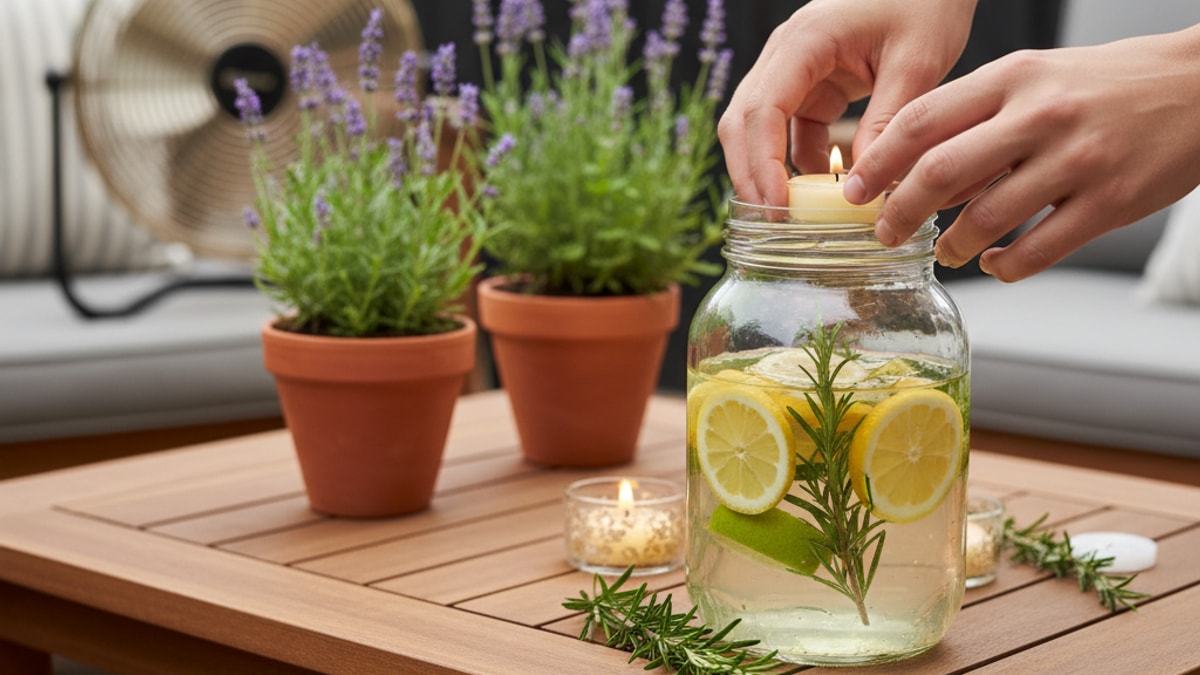
Let's clear the air on this one: planting a few citronella plants is not going to create an impenetrable mosquito force field. It just won’t. However, incorporating mosquito-repelling plants into your landscape design can absolutely help create a less inviting environment. The key is placement. These plants release their fragrant oils when their leaves are crushed or brushed against. So, we recommend planting them along walkways, near patio borders, and in pots on the patio itself where you'll frequently interact with them. Good choices for the San Diego climate include:
- Lavender: Drought-tolerant, beautiful, and its scent is despised by mosquitoes.
- Rosemary: Fantastic for cooking and its potent woody scent is a great deterrent. We love using it in planters near an outdoor kitchen.
- Marigolds: Easy to grow, they contain a natural compound sometimes used in insect repellents.
- Mint and Basil: These grow vigorously in pots and release a strong scent. Plus, fresh mojitos and pesto!
The Power of Hardscaping and Artificial Turf
Mosquitoes don't just need water to breed; they also need cool, damp, shady places to rest during the heat of the day. Think dense, overgrown ivy patches or damp soil under thick shrubbery. A well-designed hardscape—a spacious patio, wide walkways—replaces these resting zones with dry, warm surfaces that mosquitoes avoid.
This is also where artificial turf becomes a legitimate game-changer. It eliminates muddy patches and, because it's installed over a base of permeable materials, it promotes superior drainage. There's no damp soil for mosquitoes to hide in. For families with kids and pets, it's a double win: a clean, beautiful lawn and a dramatic reduction in mosquito resting spots. Our approach to landscape design is about understanding how all these elements work together. It’s this deep knowledge of materials and environment that defines who we are and what we're About.
Harnessing Air and Light
Two things mosquitoes hate? Wind and bright light. We incorporate these truths into our designs.
- Airflow: Mosquitoes are weak, clumsy fliers. A steady breeze of just a few miles per hour can make it impossible for them to navigate. When we design patio covers and pergolas, we almost always recommend installing an outdoor-rated ceiling fan. It's a simple, elegant solution that dramatically increases the comfort and usability of the space.
- Landscape Lighting: Our professional landscape lighting systems do more than just beautify your yard at night. We strategically use warmer-toned LED lights, which are far less attractive to mosquitoes and other flying insects than traditional cool-white or bluish bulbs. Proper illumination also eliminates the deep, dark shadows where mosquitoes prefer to lurk.
Active Defenses: Tools and Tech for Your Patio
Even with a perfectly designed landscape, you'll sometimes need an active defense system, especially for larger gatherings or on particularly still, humid evenings. This is your tactical gear for when you want guaranteed comfort. Here's a breakdown of the options we've seen work best for our clients.
| Method |
Effectiveness |
Initial Cost |
Ongoing Maintenance |
Environmental Impact |
| Oscillating Fans |
High (in direct path) |
Low |
Very Low (electricity) |
Minimal |
| Repellent Plants |
Low to Moderate |
Low |
Moderate (plant care) |
Positive |
| CO2 Traps |
Moderate to High |
High |
High (propane, lures) |
Low |
| Misting Systems |
Very High |
Very High |
High (refills, service) |
Moderate (pesticides) |
Fans: We mentioned them before, but it's worth repeating. It's the simplest, most effective, and most underrated tool in the arsenal. A couple of well-placed, powerful oscillating fans can create a bubble of protection over your seating area.
CO2 Traps: These devices are clever. They mimic human breath by emitting a plume of carbon dioxide, heat, and moisture, sometimes combined with an additional lure like octenol. They attract mosquitoes, then trap them with a vacuum fan or on a sticky surface. The key—and this is critical—is placement. You must place them away from your patio, upwind if possible. The goal is to lure mosquitoes away from you, not toward you. They can be quite effective but require regular maintenance (refilling propane tanks, replacing lures).
Professional Misting Systems: This is the nuclear option, and for some properties with severe, persistent mosquito problems, it's a lifesaver. These systems involve a network of discreet nozzles installed around the perimeter of your patio or yard. On a pre-set schedule, they release a very fine mist of insecticide (often pyrethrin-based, derived from chrysanthemums). They are incredibly effective but represent a significant investment and an ongoing cost for refills and service. It's a solution for those who demand a zero-tolerance policy for pests.
The Scent Barrier: Repellents That Actually Work
Creating a scent barrier is your final, personal layer of defense. It's about making the immediate air around you and your guests unappealing to any stragglers that make it through your other defenses.
Honestly, though, most of what you find in stores is more about ambiance than actual efficacy. Those classic citronella candles in the bucket? They look nice, but their protective radius is tiny, maybe a foot or two at most. You'd need to surround yourself with them to get real protection. Tiki torches can be slightly better as the smoke helps, but they're still not a reliable solution.
Here’s what our team has found really makes a difference:
- Spatial Repellents (like Thermacell): These devices are small, portable, and work by gently heating a mat saturated with a repellent, creating a zone of protection of about 15 feet. They are silent, odor-free, and remarkably effective. We often recommend clients have one or two on hand to place on their outdoor dining table or near their seating area.
- Essential Oil Diffusers: A step up from candles, a good diffuser can put more scent into the air. Look for oils with proven repellent qualities, like oil of lemon eucalyptus (the only plant-based repellent recognized by the CDC), lemongrass, and peppermint. It's a natural alternative, though its effectiveness can vary based on wind and conditions.
- Personal Repellents: When the mosquitoes are really bad, there’s no substitute for a good topical repellent. Products containing DEET or Picaridin are still the gold standard for effectiveness and duration. It's always a good idea to have a bottle on hand for guests.
For more homeowner tips and landscape inspiration, you can always explore our Blog, where we share our team's latest insights.
When to Call in the Professionals
You can do everything on this list and still feel like you're fighting an uphill battle. Sometimes, the problem is bigger than just your yard. Perhaps a neighbor has a neglected pool, or you live near a creek or canyon that serves as a massive breeding ground. Or maybe you're planning a full backyard renovation and want to ensure it's built right from the start.
This is where a professional landscape design and build firm like Modern Yardz becomes your most powerful ally. We know how to keep mosquitoes away from a patio because we build the solution into the very fabric of the design. We solve drainage issues permanently. We select the right materials. We design for airflow. We install lighting that deters pests. We can even integrate features like beautiful fire pits where the smoke and heat naturally help repel insects while creating an incredible gathering space.
If you’re tired of the constant fight and are ready to create an outdoor space that you can truly live in without fear of being eaten alive, it might be time to have a bigger conversation. We invite you to BOOK MY FREE CONSULTATION. We’ll walk your property with you, identify the unique challenges and opportunities, and show you how a thoughtful, professional design can give you back your yard. You can also Contact us directly with any questions about your specific project.
Ultimately, your patio should be a place of joy, not a source of frustration. It’s an extension of your home, a place for connection and relaxation. With the right strategy—a combination of eliminating their breeding grounds, designing a smarter landscape, and using effective active defenses—you can absolutely reclaim your space. You can have those perfect San Diego evenings back, every single night, completely uninterrupted.



.webp)
.webp)