The Real Pool Installation Timeline: From Dirt to Dive
So, How Long Does It Take to Install a Pool? Really. It’s the question we hear more than any other.
So, How Long Does It Take to Install a Pool? Really.
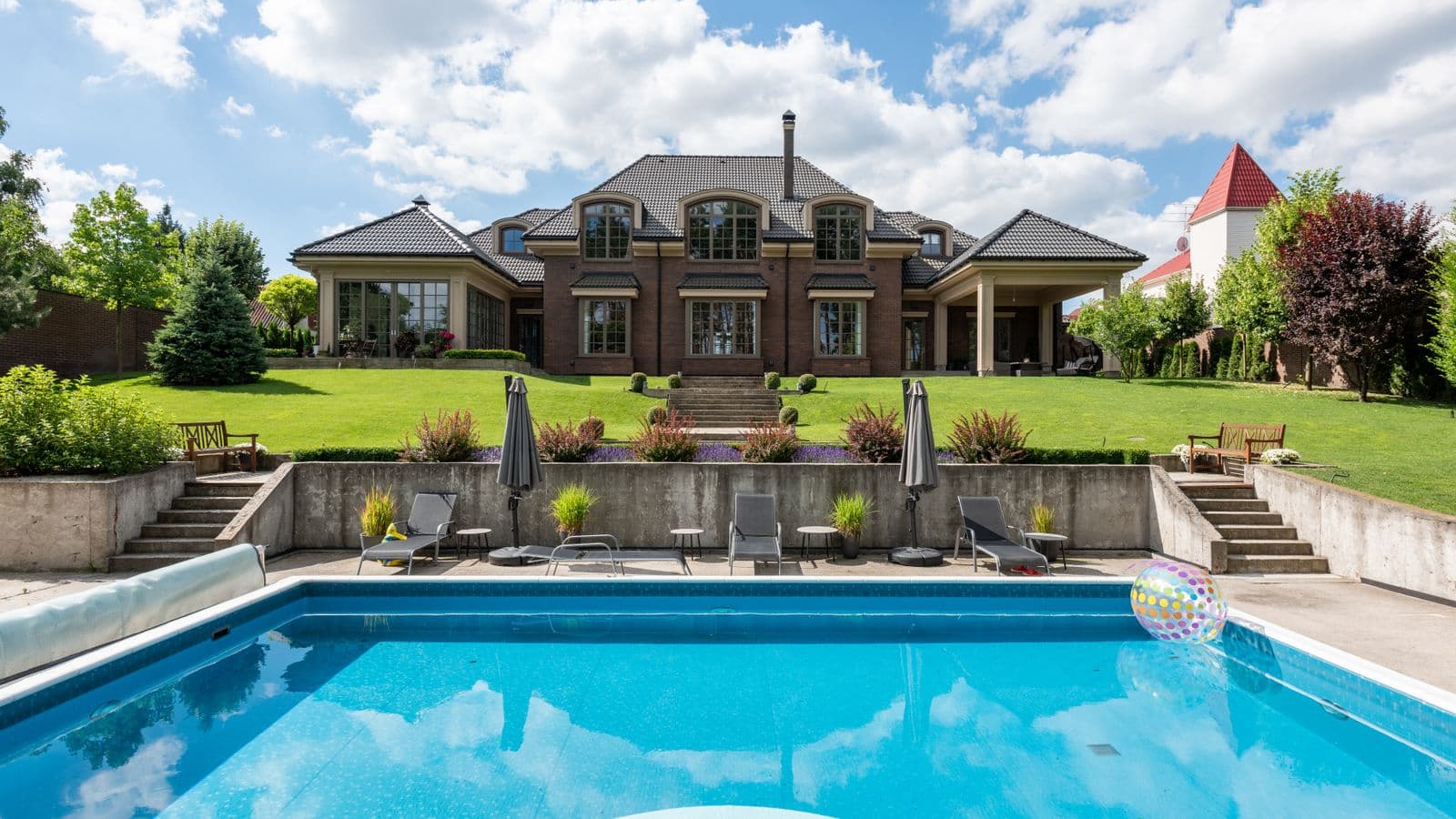
It’s the question we hear more than any other. Once a family decides to transform their backyard into a personal oasis, the excitement is palpable. Visions of weekend barbecues, kids splashing, and serene evenings by the water take over. And right behind that excitement comes the big question: how long does it take to install a pool? The honest, professional answer is… it depends. We know that's not the simple number you were hoping for, but it’s the truth. A straightforward pool project can take anywhere from 8 to 12 weeks, but more complex projects can easily stretch to 6 months or even longer. It's a significant undertaking, not just a weekend project.
Our team believes in unflinching transparency. We're not here to sell you a fantasy timeline; we're here to be your partner in a major home construction project. The journey from a patch of grass to a sparkling pool is a multi-stage process involving designers, engineers, city officials, and a whole crew of skilled tradespeople. Understanding this process is the first step to managing your expectations and, frankly, enjoying the transformation instead of stressing over it. So, let’s pull back the curtain and walk through the entire timeline, phase by phase, with the kind of detail you only get from years of being in the trenches.
The Blueprint Phase: Design and Permitting (4-12 Weeks… or More)
This is where it all begins, and honestly, it’s one of the most unpredictable phases of the entire project. Before a single shovel hits the dirt, a mountain of critical planning and paperwork has to be conquered. This isn't just about picking a shape you like; it's about creating a comprehensive plan that is both beautiful and buildable. It’s a critical, non-negotiable element of success.
First comes the design. This is where your vision meets our expertise. A proper Landscape Design SAN Diego process doesn't just plop a pool in your yard. We consider everything: the flow of your entire outdoor space, sun exposure, drainage, existing structures, and how the pool will integrate with other elements you might want, like a patio or an outdoor kitchen. We're crafting an environment, not just a water feature. This collaborative process involves site analysis, 3D renderings, and material selections. Depending on the complexity and how quickly decisions are made, this can take a few weeks.
Then comes the formidable beast: permitting. We can't stress this enough—the permitting process is entirely out of our hands and is dictated by your local municipality's workload and requirements. We prepare and submit a detailed package of plans, including structural engineering for the pool shell (the City of San Diego's Information Bulletin 712 requires engineer-stamped structural calculations for custom pools), plumbing and electrical layouts, and site plans showing property lines and easements. The city reviews these plans to ensure they comply with all building codes, safety regulations, and zoning laws. Some municipalities are quick and efficient; others are notoriously slow. We’ve seen permits approved in a month, and we’ve seen them take three months or more. If you have a Homeowners Association (HOA), that adds another layer of approval that must be secured _before_ submitting to the city. Patience is the name of the game here. It’s a waiting game, plain and simple.
Making a Mark: Excavation and Site Prep (2-5 Days)
Once that magical permit is in hand, things start to move fast. This is the phase that feels like massive progress. An excavation crew arrives with heavy machinery—think excavators and skid-steers—and your backyard is officially a construction zone. It’s loud, it’s messy, and it’s incredibly exciting.
The crew carefully digs out the precise shape and depth of your pool based on the design plans. The soil is hauled away, and the hole is meticulously shaped and graded. This process usually takes a couple of days for a standard-sized pool. However, surprises can and do happen. What kind of surprises? We've run into everything from unexpected underground utilities and massive boulders to extremely hard soil (known as hardpan) that requires specialized equipment to break through. Hitting unforeseen obstacles can add a day or two, and sometimes more, to the schedule. It’s just the nature of digging a giant hole in the ground.
The Pool’s Skeleton: Steel, Plumbing, and Electrical (1-2 Weeks)
With the hole dug, the next step is to build the pool's structural and functional core. This phase is intricate and requires a ton of precision. It might not look as dramatic as the excavation, but it’s arguably one of the most important parts of the entire build. Get this wrong, and you're in for a world of problems down the line.
A web of steel rebar is painstakingly bent and tied into place, forming a cage that follows the contours of the pool. This steel grid is what gives the pool its immense strength and durability. It’s the skeleton that will support tons of water and withstand ground movement for decades to come. Our team has found that meticulous attention to detail here prevents catastrophic failures later.
Simultaneously, licensed plumbers and electricians get to work. They run all the necessary pipes for the main drains, skimmers, return jets, and any special water features like waterfalls or deck jets. They also install the conduits for the pool's lighting and any automated systems. It looks like a chaotic maze of pipes and wires, but it’s a highly organized system designed for optimal water circulation and safety. This all has to be done _before_ the concrete shell is created. After the rough-in is complete, it will be inspected by a city official to ensure everything is up to code. Passing this inspection is a critical milestone before we can move on.
The Big Pour: Applying Gunite or Shotcrete (1 Week + Curing Time)
This is a truly transformative day. A specialized crew comes in with a high-pressure hose to apply either gunite or shotcrete—two types of pneumatically applied concrete that form the dense, watertight shell of your pool. The material is expertly sprayed over the rebar cage and then skillfully carved and troweled by hand to create the final smooth shape of the pool walls, steps, benches, and any other features.
The application itself usually takes just one day. It’s a messy, loud, and incredible process to watch. But the work doesn't stop there. This concrete shell now needs to cure. And this is a step that absolutely cannot be rushed. The shell needs to gain its full structural strength, a process that involves keeping it hydrated by lightly spraying it with water a few times a day for about a week. After that initial wet cure, the concrete continues to harden over the next few weeks. We typically wait at least 28 days for the gunite to fully cure before putting any significant weight on it or applying the interior finish. Rushing this step is a recipe for disaster. It demands patience.
Adding the Bling: Tile, Coping, and Water Features (1-2 Weeks)
While the gunite shell is curing, our masons can often get to work on the top edge of the pool. This is where the personality of your pool really starts to shine through. First, the waterline tile is installed. This six-inch band of tile at the top of the pool wall is both functional—it prevents staining at the water level—and a major design element.
Next comes the coping, which is the capstone or edging around the pool's perimeter. This can be made from a variety of materials, from natural stone like travertine or flagstone to pre-cast concrete pavers. The coping provides a finished look and a non-slip surface for getting in and out of the pool. If your design includes any built-in water features, like a rock waterfall or a sheer descent, the stone and masonry work for those structures are typically built during this phase as well. The duration here depends entirely on the complexity of the materials and design. Intricate mosaic tiles or a sprawling natural rock grotto will, of course, take longer than a simple, clean design.
| Pool Type | Typical Installation Timeline | Key Characteristics | Best For |
|---|---|---|---|
| Gunite/Concrete | 8 - 16 Weeks | Completely customizable shape and size; extremely durable. Requires longer construction time and a curing period. | Homeowners wanting a unique, custom-designed pool that will last a lifetime. |
| Fiberglass | 3 - 6 Weeks | Pre-molded shell delivered to site; faster installation. Limited by pre-set shapes and sizes. Smooth, non-porous surface. | Those prioritizing speed of installation and lower long-term chemical maintenance. |
| Vinyl Liner | 4 - 8 Weeks | Steel or polymer walls with a custom-fitted vinyl liner. Lower initial cost but liner will need replacement every 5-9 years. | Budget-conscious projects where a quick build and smooth surface are desired. |
The Grand Surround: Decking and Hardscaping (1-4 Weeks)
Now we move beyond the pool itself to the surrounding environment. The pool deck is a massive part of your new outdoor living space. This is where you'll lounge, entertain, and walk. The choice of material here is crucial for both aesthetics and function. We often work with clients to install beautiful and durable hardscapes using high-quality Pavers SAN Diego, which offer endless design possibilities. Alternatively, stamped or brushed Concrete SAN Diego provides a sleek and modern finish.
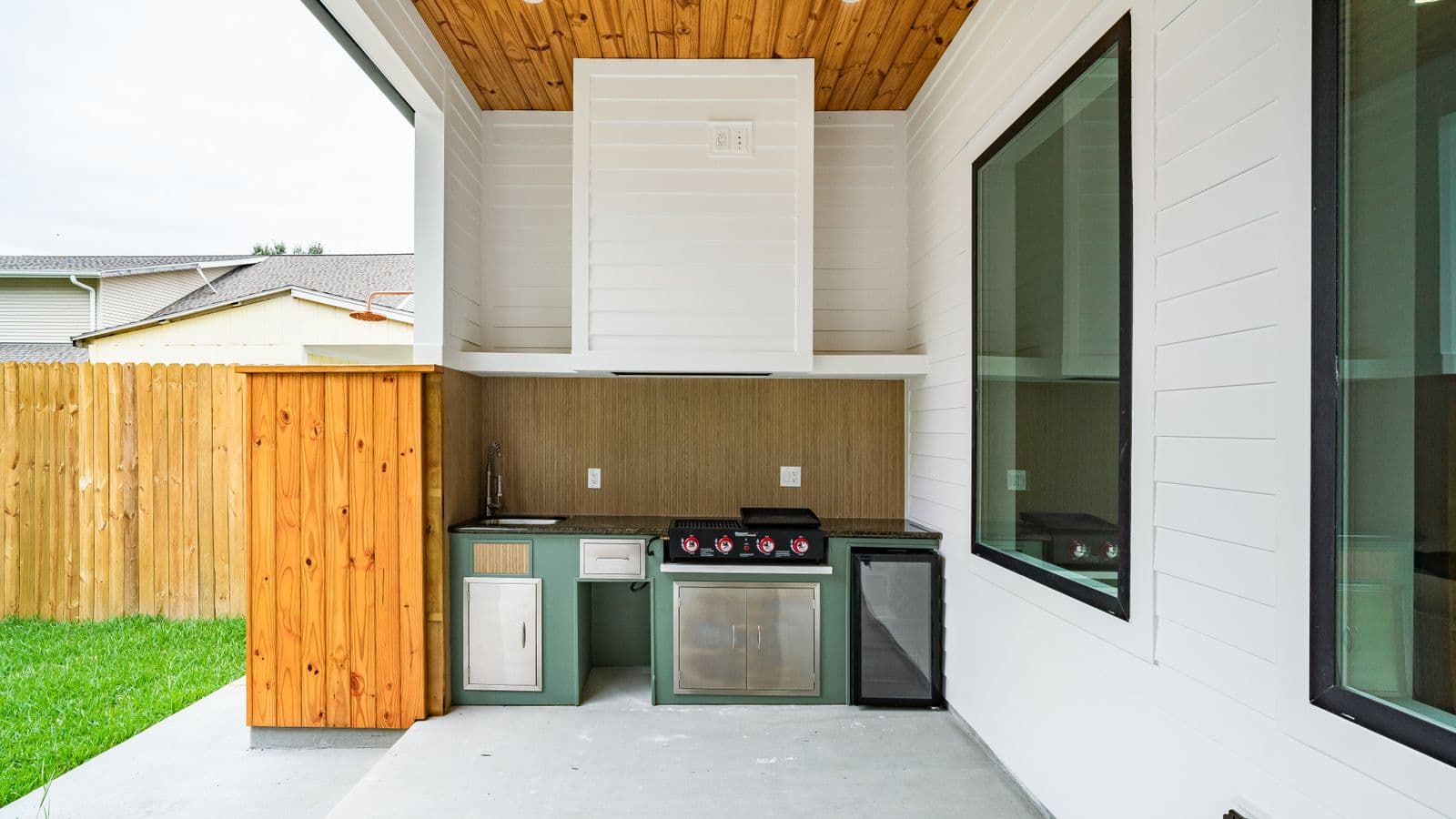
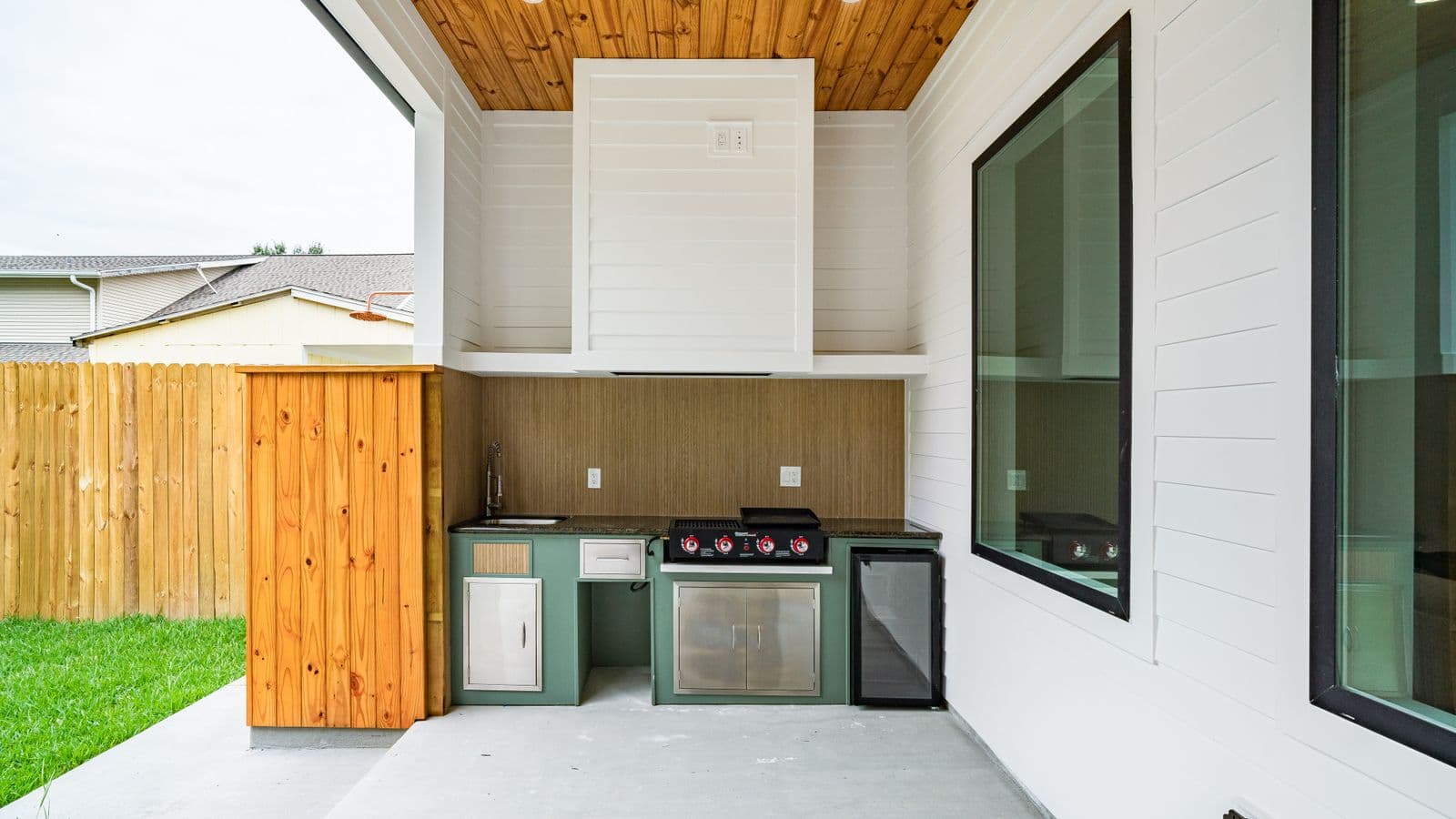
This phase is also when the rest of the backyard vision comes to life. It's the perfect time to integrate other major elements. Is an Outdoor Kitchens SAN Diego part of your dream? We'll build it now. Want a cozy spot for cool evenings? We'll construct one of our custom Fire Features. This is where a holistic design plan really pays off, ensuring every element works together seamlessly. The timeline for this phase is highly variable. A simple concrete deck might take a week, while an expansive multi-level patio with a full kitchen and retaining walls could take a month or more.
The Final Skin: Plaster and Interior Finish (1 Week)
We’re getting close. The construction is mostly done, the dust is settling, and the pool is ready for its final, beautiful interior finish. This is the waterproof layer that you'll see and feel. The process is similar to the gunite application but with a much finer material.
A crew of skilled plasterers comes in to meticulously hand-trowel the chosen finish onto the entire interior surface of the pool. The options range from traditional white plaster to more durable and colorful quartz or pebble finishes. The application is a one-day job, but it's incredibly labor-intensive and requires true artistry to get a perfect, smooth surface. Immediately after the finish is applied, we start filling the pool with water. The water truck hose is placed in the deep end and cannot be turned off until the pool is completely full to prevent leaving a permanent 'bathtub ring' on the fresh plaster. This filling process can take 24-48 hours, depending on the size of the pool.
The Grand Finale: Startup and Landscaping (1-2 Weeks)
Your pool has water in it! But you can't jump in just yet. This final phase is all about commissioning the pool and finishing the yard.
First is the chemical startup. For the first week or two, the new plaster is still curing, and it will dramatically affect the water chemistry. We have to carefully balance the chemicals, brushing the plaster daily to ensure a smooth, hard cure. During this time, the pool equipment is fired up, programmed, and fine-tuned. We make sure the pumps, filter, heater, and any automation are all running perfectly.
While the water is balancing, the final touches are put on the yard. This includes any remaining landscaping, planting, installing low-maintenance Artificial Turf SAN Diego for a clean look, and setting up the ambient Landscape Lighting SAN Diego that will make your new space magical at night. We also ensure all required safety features, like fences and alarms, are installed and pass a final inspection.
Finally, we do a full 'pool school' with you, walking you through every aspect of operating and maintaining your new pool. We'll show you how to use the equipment, test the water, and keep everything sparkling clean. And then, finally, it's time to grab your towel and take the first plunge.
The Unpredictable Factors: What Causes Delays?
So, why the big range in timelines? Construction is never a straight line, and pool building is no exception. Here are the most common culprits for delays that we've seen over the years:
- Weather: A week of solid rain can turn an excavation site into a mud pit, halting all work. High winds can make gunite application impossible. It's the one thing no one can control.
- Inspections: Every major phase—steel, plumbing, electrical, and final safety—requires a city inspection. If an inspector is overbooked, you might have to wait a few days for them to show up. If they require a correction, that adds more time.
- Material and Labor Shortages: Supply chain issues have become a major factor in recent years. A delay in getting the right tile, a specific pump, or even just a shortage of skilled crews can bring a project to a standstill.
- Client Changes: Changing your mind mid-project, like deciding to add a spa or change the decking material, will almost always add time and cost. It often requires plan revisions and sometimes even re-permitting.
- Site-Specific Surprises: As mentioned before, hitting rock during excavation, dealing with a high water table, or discovering unstable soil are all unforeseen challenges that require time and often engineering to solve.
Building a pool is a complex and orchestrated dance with many moving parts. It requires patience, flexibility, and a great relationship with your builder. Understanding the realistic timeline from the outset is the key to a low-stress and ultimately rewarding experience. When you're floating in your beautiful new pool on a perfect summer day, the weeks of construction will feel like a distant memory. Ready to start the conversation about your own backyard transformation? It begins with a solid plan. BOOK MY FREE CONSULTATION and let our team at Modern Yardz map out your project with the clarity and expertise you deserve.
Start Your Free Design Consultation
Tell us about your project and we'll be in touch within 24 hours. No pressure, no obligation.
Common questions
- How long does the design and permitting phase take?
- Design and permitting typically take 4 to 12 weeks or more, and it's one of the most unpredictable phases. Permitting is entirely out of the builder's hands — it's dictated by your local municipality. Some permits are approved in a month; others take three months or more. If you have an HOA, its approval must be secured before submitting to the city.
- Is a fiberglass pool faster to install than a gunite pool?
- Yes. Fiberglass installs in about 3 to 6 weeks versus 8 to 16 weeks for gunite/concrete. Fiberglass uses a pre-molded shell delivered to the site, so it goes in faster but limits you to pre-set shapes and sizes. Gunite is completely customizable and extremely durable, which is why it needs longer construction and a curing period.
- How long does gunite need to cure before the pool is finished?
- Gunite is sprayed in about one day, but the shell must cure at least 28 days before the interior finish is applied or significant weight is put on it. For roughly the first week it's kept hydrated by spraying water a few times daily, then it keeps hardening over the following weeks. Rushing this step is a recipe for disaster.
- What can cause delays in a pool installation?
- The most common causes are weather (heavy rain floods the excavation, high winds halt gunite), inspection backlogs or required corrections, material and labor shortages from supply-chain issues, client changes mid-project like adding a spa, and site-specific surprises such as hitting rock, a high water table, or unstable soil during excavation. Construction is never a straight line.
- How long does it take to fill a new pool with water?
- Filling a newly plastered pool takes 24 to 48 hours, depending on its size. The hose is placed in the deep end and can't be turned off until the pool is completely full — stopping partway would leave a permanent 'bathtub ring' on the fresh plaster. After filling comes a one-to-two-week chemical startup.
Ready to design your dream yard?
Tell us about your project. We'll send back a real plan, not a templated quote.
Book My Free Consultation→