What Does a Plunge Pool Really Cost to Install? A Full Breakdown
The idea of a personal backyard oasis has shifted. Dramatically. Gone are the days when a sprawling, Olympic-sized pool was the only status symbol.
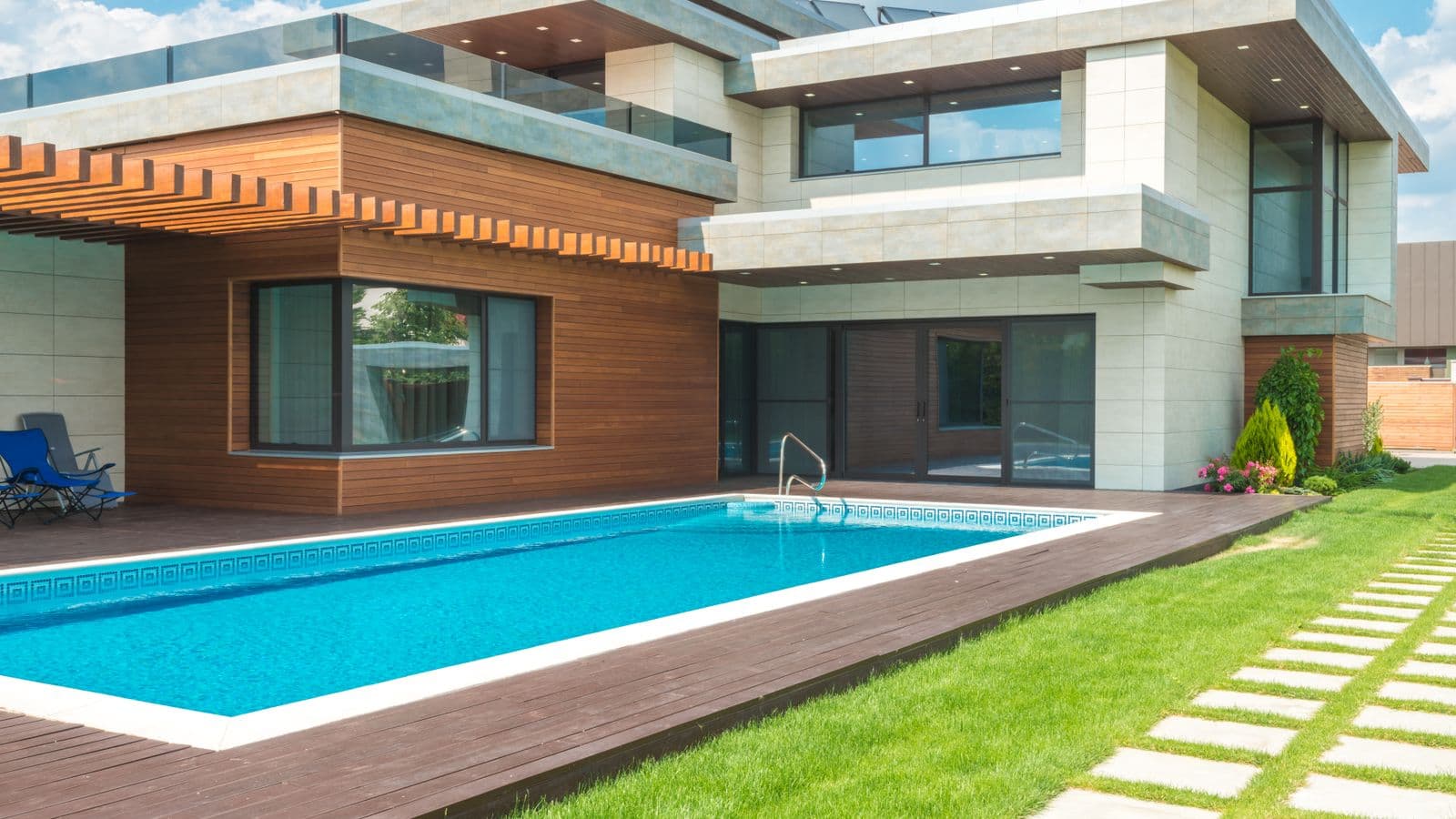
The idea of a personal backyard oasis has shifted. Dramatically. Gone are the days when a sprawling, Olympic-sized pool was the only status symbol. Today, homeowners are smarter, more efficient, and often have less space to work with. Enter the plunge pool. It’s compact, stylish, and offers a luxurious way to cool off, relax, and entertain without surrendering your entire yard. But the one question our team gets almost daily is a simple one: how much is a plunge pool installed?
It’s the million-dollar question. Or, more accurately, the tens-of-thousands-of-dollars question. And the honest-to-goodness answer is... it depends. We know, we know. That’s not the straightforward number you were hoping for. But the reality is that quoting a price for a plunge pool installation without understanding the variables is like guessing the cost of a car without knowing the make, model, or features. It's just not possible to be accurate. Our goal here isn't to give you a vague, unhelpful range but to pull back the curtain and show you exactly what goes into the final price tag, so you can build a realistic budget and make informed decisions for your home.
So, What's the Ballpark Figure for a Plunge Pool?
Alright, let's address the elephant in the room. You need a starting point. Based on our extensive experience designing and building custom outdoor spaces, a professionally installed plunge pool typically falls somewhere between $25,000 and $75,000+.
That’s a massive range. We get it.
So why the huge gap? Because a 'plunge pool' can mean anything from a simple, prefabricated fiberglass shell dropped into an easily accessible backyard to a fully custom, hillside-integrated, concrete vessel with a spa, waterfall, and high-end automation. The lower end of that range ($25k - $40k) usually represents a smaller, pre-made fiberglass pool with minimal decking and straightforward site access. The higher end ($50k - $75k and beyond) accounts for custom concrete (gunite) construction, complex site work, premium materials, and integrated features like spas, heating systems, and extensive hardscaping. Every single choice, from the material of the pool itself to the type of stone used for the coping, creates a ripple effect on the total cost.
The Core Costs: Breaking Down the Pool Itself
The heart of the project is, of course, the pool shell. This is the first major decision point, and it has the most significant impact on your budget. The three primary options each come with their own set of costs, benefits, and installation nuances.
- Fiberglass Plunge Pools: These are factory-molded shells delivered to your home in one piece. They're popular because the installation is relatively fast. The surface is a smooth, non-porous gelcoat that resists algae growth and is gentle on your feet. While the upfront cost of the shell itself can be higher than a vinyl liner kit, the reduced labor time often helps balance the budget. We've found that for homeowners looking for a quick, predictable installation process, fiberglass is often a compelling choice.
- Concrete (Gunite or Shotcrete) Plunge Pools: This is the premium, fully custom option. With concrete, you're not limited by pre-made shapes or sizes. Want an L-shape that wraps around your patio? A freeform design with an integrated bench? It's all possible. This design freedom is why our comprehensive Landscape Design SAN Diego services often incorporate custom concrete pools. The process is much more labor-intensive—it involves excavating, framing with rebar, spraying the concrete, and then finishing the interior with plaster, pebble, or tile. This extended timeline and skilled labor requirement make it the most expensive option, but the result is a permanent, durable structure that is truly one-of-a-kind.
- Vinyl Liner Plunge Pools: This is often the most budget-friendly option upfront. The structure consists of wall panels (steel or polymer) that are assembled on-site, with a sand or grout bottom shaped to spec. A custom-fitted vinyl liner is then vacuum-sealed against the structure to hold water. While the initial cost is lower, it's critical to remember that the liner is the least durable of the three surfaces. You can expect to replace it every 7-10 years, which is a significant long-term operational cost to factor in.
Here's a quick breakdown of how they stack up. We can't stress this enough: these are generalizations, and your specific project will have its own unique costs.
| Feature | Fiberglass | Concrete (Gunite) | Vinyl Liner |
|---|---|---|---|
| Upfront Cost | Moderate to High | High | Low to Moderate |
| Installation Time | Fast (days to weeks) | Slow (weeks to months) | Moderate (weeks) |
| Customization | Limited to Molds | Virtually Unlimited | Highly Customizable Shape |
| Durability | Very High | Extremely High | Low (liner replacement) |
| Surface Feel | Smooth Gelcoat | Varies (Plaster, Pebble) | Smooth Vinyl |
| Maintenance | Low (Non-porous) | High (Porous surface) | Moderate (Liner care) |
Beyond the Basin: Critical Installation Factors You Can't Ignore
Asking how much is a plunge pool installed is really a two-part question. There's the pool, and then there's the _installation_. The installation costs are where the budget can quickly become a moving target. Let's be honest, this is where a professional, experienced team makes all the difference.
- Site Access: This is huge. Can a mini-excavator and other heavy machinery easily get to your backyard? If not, the cost of labor for manual excavation can skyrocket. Tight access might mean using smaller equipment (which takes longer) or even craning the pool shell over your house—a dramatic but sometimes necessary expense, especially for fiberglass models.
- Excavation & Soil Conditions: Digging the hole is just the beginning. What we find when we start digging is a major variable. Soft, stable soil is ideal. But encountering hard rock, a high water table, or unstable soil that requires extra engineering and reinforcement will add significant, sometimes unforeseen, costs to the project. Our team always conducts a thorough site assessment, but some geological surprises are simply unavoidable.
- Plumbing & Electrical: A pool isn't just a tub of water; it's a circulating system. This requires running plumbing lines from the pool to the equipment pad (which houses the pump, filter, and heater) and back. It also needs dedicated electrical work, including running conduit, installing breakers, and bonding any metallic components to prevent electrical shock. The farther the equipment pad is from the pool and your home's main electrical panel, the more these material and labor costs will increase.
- Drainage: Proper site drainage is a critical, non-negotiable element of a safe and lasting installation. We need to ensure that rainwater and pool overflow are directed away from the pool structure and your home's foundation. This might involve installing French drains, grading the surrounding landscape, or connecting to existing storm drains, all of which contribute to the overall project cost.
Material Choices and How They Swing the Price Tag
Once the pool structure is in, the aesthetic choices begin. The materials you choose for the area immediately surrounding the pool have a profound impact on both the look and the budget.
- Coping: This is the capstone, the finished edge that runs around the perimeter of the pool. Options range from pre-cast concrete pavers, which are cost-effective and durable, to natural stone like travertine or bluestone, which offer a high-end, luxurious finish but come at a premium price. The style you choose—be it a modern cantilevered edge or a classic bullnose—also affects labor costs.
- Decking & Patio: Your plunge pool needs a place for you to lounge, walk, and entertain. The amount and type of decking is a major cost center. Poured and stamped Concrete SAN Diego is a versatile and popular choice, offering endless patterns and colors. Interlocking Pavers SAN Diego provide a classic, elegant look with the added benefit of being easy to repair if one gets damaged. High-end options like natural stone or premium wood decking will push the budget higher but deliver an unmatched aesthetic.
- Interior Finish (for Concrete Pools): If you opt for a custom concrete pool, you'll need to choose an interior finish. Standard white plaster is the most affordable. A pebble aggregate finish (like PebbleTec) is more expensive but incredibly durable and offers a beautiful, natural look with a range of colors. The ultimate luxury is an all-tile finish, which is stunning and exceptionally long-lasting but carries a price tag to match.
Custom Features: Where Your Budget Can Really Shift
This is where the fun starts. A plunge pool can be a simple spot to cool off, or it can be a feature-rich hydrotherapy escape. Every feature you add will, of course, increase the price.
- Integrated Spa/Hot Tub: A very popular request is a 'spool'—a hybrid of a spa and a small pool. Creating a spillover spa that flows into the main pool requires separate plumbing, additional jets, and often a separate heater, adding a substantial amount to the cost.
- Heating: Do you want to extend your pool season into the cooler months? A heater is a must. Gas heaters are powerful and heat water quickly but have higher operating costs. Electric heat pumps are more energy-efficient and cheaper to run but take longer to heat the water and are less effective in very cold weather. The unit itself, plus the gas or electrical lines needed to run it, is a significant investment.
- Water Features: The sound and look of moving water can transform a space. Simple additions like deck jets (small streams that arc into the pool) are relatively inexpensive. More complex features like a sheer descent waterfall built into a raised wall or a naturalistic rock waterfall are intricate construction projects that add thousands to the budget.
- Lighting: Don't underestimate the power of lighting. A single white LED light is standard. Upgrading to color-changing LEDs allows you to set the mood with the touch of a button. For a truly spectacular effect, our Landscape Lighting SAN Diego team can design a system that illuminates not just the pool but the entire surrounding patio and garden, creating a resort-like atmosphere after dark.
- Automation: Modern pool systems can be controlled from your smartphone. Want to turn on the heater on your way home from work? Adjust the lights from your lounge chair? A full automation system adds cost upfront but offers an incredible level of convenience.
Site Prep and Landscaping: The Often-Overlooked Expenses
A pool doesn't exist in a vacuum. It's the centerpiece of a larger outdoor environment. Our experience shows that homeowners who budget only for the pool itself are often surprised by the cost of finishing the space around it. This is where a holistic design approach is essential.
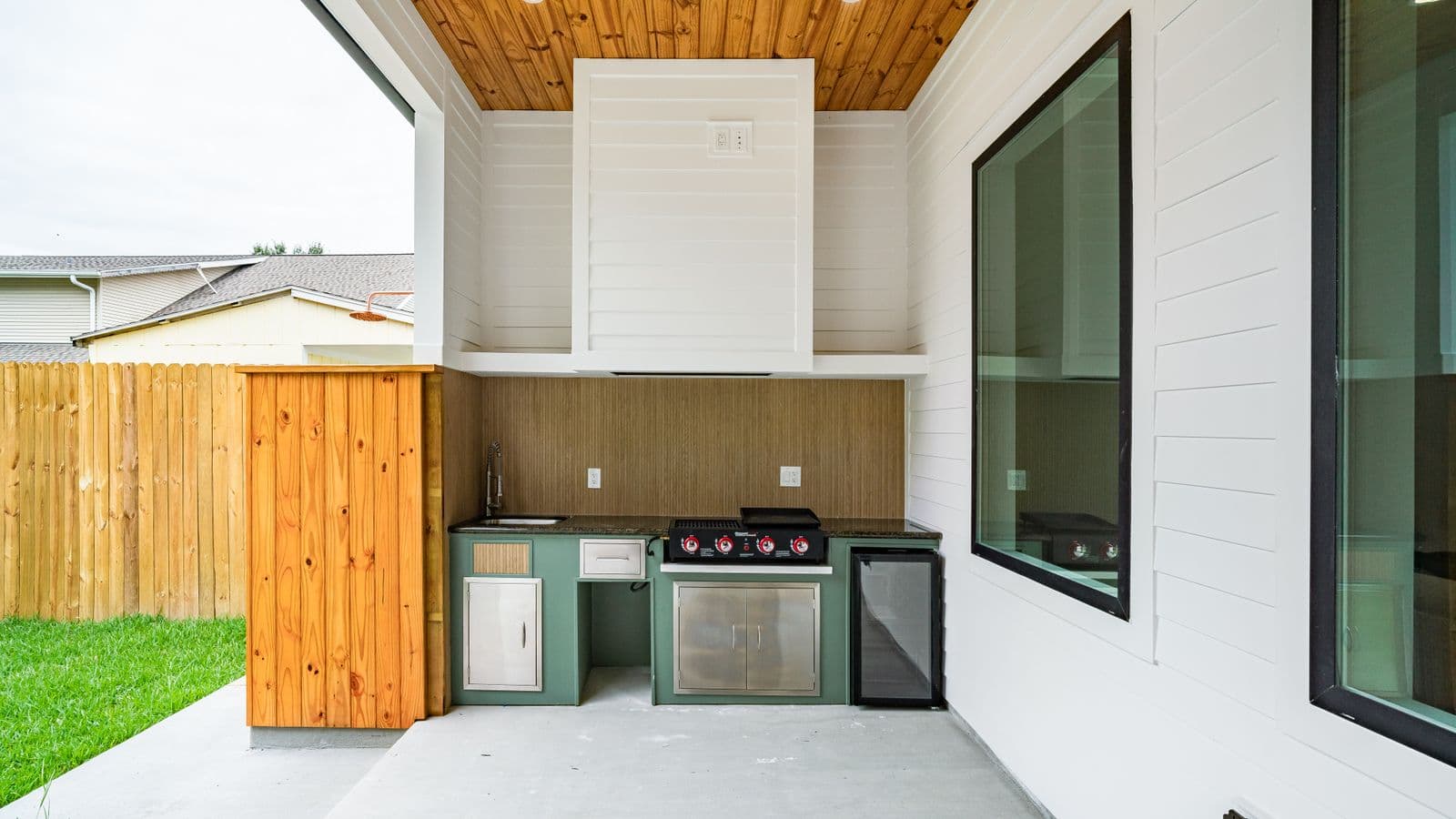
You might need new fencing for safety and privacy, a retaining wall to manage a slope, or a complete planting plan to soften the hardscape and integrate the pool into the garden. Perhaps the pool is part of a grander vision that includes one of our Outdoor Kitchens SAN Diego or a shaded seating area under one of our custom Patio Covers Pergolas SAN Diego. Maybe you want to transition from the pool deck to a maintenance-free lawn using beautiful, realistic Artificial Turf SAN Diego.
These elements are what make the space truly livable and beautiful. They are not afterthoughts; they are integral parts of the project that must be planned and budgeted for from the very beginning. Thinking through the entire scope of your backyard renovation is complex, which is why we always start with a conversation. When you're ready to see what's possible, you can BOOK MY FREE CONSULTATION with our design team to explore a cohesive plan for your specific yard.
The 'Hidden' Costs: Permitting, Fencing, and More
Finally, there are the less glamorous but absolutely mandatory costs that every pool project incurs.
- Permits: You can't just dig a hole in your yard. Pool construction requires detailed plans to be submitted to your local building department for approval — the City of San Diego publishes its pool plan-check requirements in Information Bulletin 712. These permits come with fees that can range from a few hundred to a few thousand dollars.
- Fencing: Nearly every municipality has strict safety codes that require a fence of a certain height with a self-closing, self-latching gate to enclose a swimming pool. If your yard isn't already properly fenced, this is a mandatory and significant expense you must account for.
- Engineering: Sloped properties, poor soil, or complex designs often require a licensed structural or soils engineer to create plans and calculations, adding another layer of professional fees to the project.
- Initial Setup: Don't forget the cost of filling the pool with thousands of gallons of water (which may require a water delivery service) and the initial batch of chemicals needed to balance it.
Is a Plunge Pool a Good Investment for Your Home?
After seeing all these variables, it's easy to wonder if it's worth it. We believe so, unequivocally. A well-designed and properly installed plunge pool offers an incredible lifestyle benefit. It’s a place for quiet reflection, low-impact exercise, and intimate gatherings with friends and family. It provides the refreshing joy of a pool without the massive footprint or daunting maintenance of a traditional swimming pool.
From a financial perspective, a beautiful pool and integrated outdoor living space can certainly increase your property's appeal and potential value. But the real return on investment isn't just financial. It's about enhancing your daily life and creating a private retreat right outside your back door. It's about turning an ordinary yard into an extraordinary experience.
The key is to go into the process with open eyes and a clear understanding of the costs. A plunge pool is a significant construction project. Working with a design-build firm that can manage every aspect, from the initial Landscape Design SAN Diego concept to the final paver and plant, ensures a smooth process and a cohesive, stunning final result. It eliminates the headaches of coordinating multiple contractors and ensures that your vision is executed flawlessly, on time and on budget.
So, how much is a plunge pool installed? It costs exactly what you design it to be. It's a reflection of your style, your property's unique characteristics, and the features you value most. By understanding the components we've outlined here, you're no longer just guessing at a price—you're equipped to start a real conversation about building the backyard of your dreams.
Start Your Free Design Consultation
Tell us about your project and we'll be in touch within 24 hours. No pressure, no obligation.
Common questions
- Why do plunge pool installation prices range so widely?
- A professionally installed plunge pool typically costs $25,000 to $75,000+, and the wide gap comes from your choices. The lower end ($25k–$40k) is a smaller pre-made fiberglass pool with minimal decking and easy site access, while the higher end ($50k–$75k+) covers custom concrete, complex site work, premium materials, and features like spas and heating.
- Which plunge pool material is cheapest: fiberglass, concrete, or vinyl?
- Vinyl liner is usually the most budget-friendly option upfront. But the liner is the least durable surface and needs replacing every 7–10 years, a real long-term cost. Fiberglass runs moderate-to-high in cost with fast installation, while custom concrete (gunite) is the most expensive because construction is labor-intensive and fully customizable.
- How long does it take to install a plunge pool?
- It depends on the pool type you choose. Fiberglass is fastest, installed in days to weeks. Vinyl liner takes a moderate few weeks. Custom concrete (gunite) is the slowest, running weeks to months, because it involves excavating, framing with rebar, spraying the concrete, and then finishing the interior.
- Do I need a fence and permits to build a plunge pool?
- Yes. Nearly every municipality requires a fence of a certain height with a self-closing, self-latching gate enclosing the pool, and construction needs permits whose fees range from a few hundred to a few thousand dollars. Sloped properties, poor soil, or complex designs may also require licensed engineering plans.
- Is a concrete plunge pool better than a fiberglass one?
- It depends on your priorities. Concrete (gunite) offers virtually unlimited custom shapes and extremely high durability, but it's the most expensive, slowest to build, and higher maintenance due to its porous surface. Fiberglass installs fast with low, non-porous maintenance and very high durability, though shapes are limited to factory molds.
Ready to design your dream yard?
Tell us about your project. We'll send back a real plan, not a templated quote.
Book My Free Consultation→