Pool Installation Costs: The Unflinching Price Breakdown
It’s the quintessential backyard dream, isn’t it? The shimmering blue water, the sound of laughter, the long summer days spent lounging by the edge.
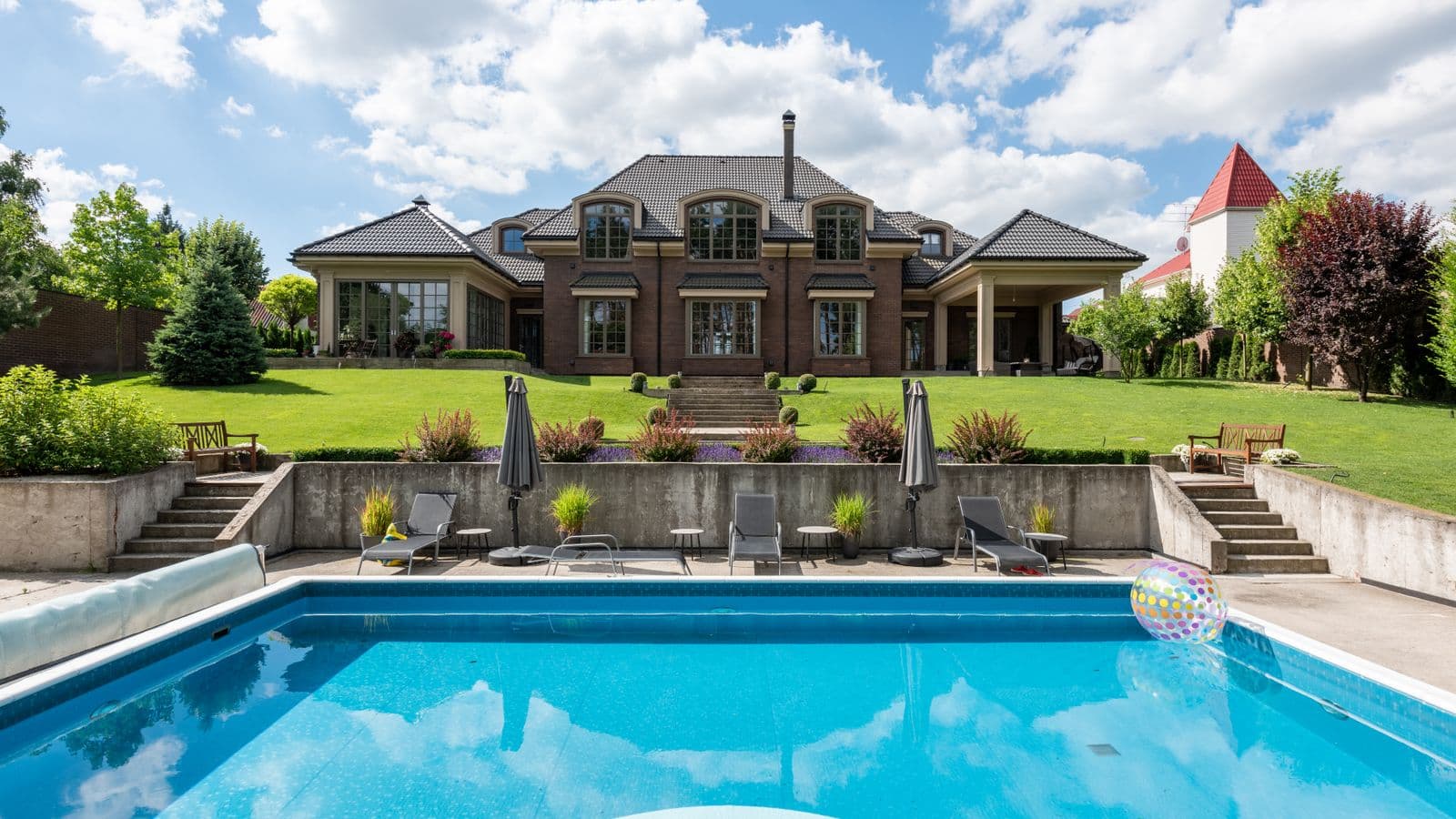
It’s the quintessential backyard dream, isn’t it? The shimmering blue water, the sound of laughter, the long summer days spent lounging by the edge. But between that dream and the reality of a finished pool lies one formidable question that everyone asks first: how much does it really cost to install a pool? Let's be honest, it’s the elephant in the yard. And the answer is almost always, “It depends.â€
That’s a frustratingly vague answer, we know. Our team has guided hundreds of homeowners through this process, and we’ve seen the confusion that comes from trying to nail down a single number. The truth is, a pool isn't a product you buy off a shelf; it's a major construction project with a dizzying number of variables. We're here to pull back the curtain and give you an unflinching look at the real factors that drive the final price, so you can move from dreaming to planning with genuine confidence.
So, What's the Ballpark Figure?
Alright, let’s get the big numbers out of the way. While a precise quote is impossible without a site visit and a detailed design, we can talk in ranges. For a standard-sized inground swimming pool, most homeowners can expect the initial installation cost to fall somewhere between $50,000 and $150,000. That’s a massive range. We get it. A smaller, no-frills vinyl liner pool might land on the lower end, while a large, custom-designed gunite pool with a spa, waterfall, and premium decking will soar toward the higher end, and sometimes well beyond.
But that number—the one you get from a builder—is just the beginning. It’s the sticker price. The real, all-in cost involves a constellation of other factors that can, and often do, add thousands, or even tens of thousands, to the final bill. Our experience shows that the most satisfied clients are the ones who understand this from the get-go. They budget not just for the pool itself, but for the complete environment that makes it a true oasis.
Beyond the Sticker Price: Unpacking the Real Cost Factors
Why such a sprawling price spectrum? Because every single choice you make has a price tag attached. A pool project is a symphony of moving parts, from heavy machinery to delicate tile work. Understanding these components is the first step to controlling your budget.
Here's what we've learned: the cost isn't just about the hole in the ground and the water you fill it with. It's about the materials you choose, the complexity of the design, the unique challenges of your property, and the features you add to bring it to life. Think of it less like buying a car and more like building a custom home. Every decision, from the type of interior finish to the style of the coping, creates a ripple effect on the total investment. This is where a holistic approach to Landscape Design becomes not just a luxury, but a critical, non-negotiable element of a successful project.
The Great Debate: Fiberglass vs. Vinyl vs. Concrete (Gunite)
The single biggest decision that will dictate your base cost is the type of pool you build. Each material has its own zealous advocates and comes with a distinct profile of upfront costs, installation timelines, and long-term maintenance demands. There's no single 'best' choice; there's only the best choice for _your_ yard, _your_ budget, and _your_ lifestyle.
Concrete (Gunite/Shotcrete): This is the king of customization. If you can dream it, you can build it with concrete. Freeform shapes, deep ends, tanning ledges, built-in barstools—it’s all possible. This flexibility comes at a price, making it the most expensive option upfront. Installation is also the longest and most labor-intensive process. However, a well-built gunite pool is incredibly durable and can last for decades, though it will require more chemical usage and periodic resurfacing (typically every 10-15 years).
Fiberglass: These are pre-molded shells manufactured in a factory and delivered to your home on a truck. This makes installation incredibly fast—often just a matter of days once the hole is dug. The smooth, non-porous surface (called a gelcoat) is algae-resistant, meaning you'll spend less time and money on chemicals. The downside? You're limited to the manufacturer's existing shapes and sizes. Customization is minimal, and the initial cost is typically in the mid-range, often more than vinyl but less than a custom concrete build.
Vinyl Liner: This is the most budget-friendly option for an inground pool. A vinyl liner is draped over a constructed frame made of steel, aluminum, or polymer walls. The liners are soft to the touch and non-porous, making maintenance relatively simple. The main drawback is durability. The liner can be punctured and will need to be replaced every 5-10 years, which is a significant recurring expense. While customization has improved over the years, it's still less flexible than concrete.
Here’s a quick breakdown our team often shares with clients:
| Feature | Concrete (Gunite) | Fiberglass | Vinyl Liner |
|---|---|---|---|
| Initial Cost | High ($70,000 - $200,000+) | Medium ($60,000 - $120,000) | Low ($50,000 - $90,000) |
| Installation Time | Long (2-4 months) | Fast (1-3 weeks) | Medium (2-5 weeks) |
| Customization | Virtually Unlimited | Limited to Molds | Good (shape), Limited (depth) |
| Durability | Very High | High | Low (liner is fragile) |
| Interior Surface | Plaster, Pebble, Tile | Smooth Gelcoat | Smooth Vinyl |
| Lifetime Cost | High (resurfacing, chemicals) | Low (fewer chemicals) | Medium (liner replacement) |
Size and Shape: How Your Pool's Footprint Impacts Your Wallet
This one seems obvious, but its impact is often underestimated. A larger pool requires more excavation, more materials (steel, concrete, liner), more water, and more labor. Simple, right? But it's more nuanced than just square footage. A complex, freeform shape with lots of curves will cost significantly more to form and finish than a simple rectangle of the same size. Deep ends also add substantially to the cost due to the extra digging and structural reinforcement required.
Our team often advises clients to think about how they'll actually _use_ the pool. Do you need a diving-depth deep end, or will a shallower 'sport' pool for games and lounging suffice? A pool designed for relaxation with a large tanning ledge might offer more functional value than a massive, deep pool that costs more to build, heat, and maintain. It's about designing for your life, not just for size.
Don't Forget the Site Prep: The Hidden Costs Below Ground
This is where budgets can get completely derailed. What’s happening in your backyard _before_ the first shovel hits the ground is a massive cost driver. We can't stress this enough: your property itself plays a huge role in the final price.
Accessibility: How will the excavator and concrete trucks get into your yard? If access is tight, requiring smaller machinery or the temporary removal of fences and walls, labor costs will climb. In extreme cases, a crane might be needed to lift a fiberglass shell over the house, which is a significant added expense.
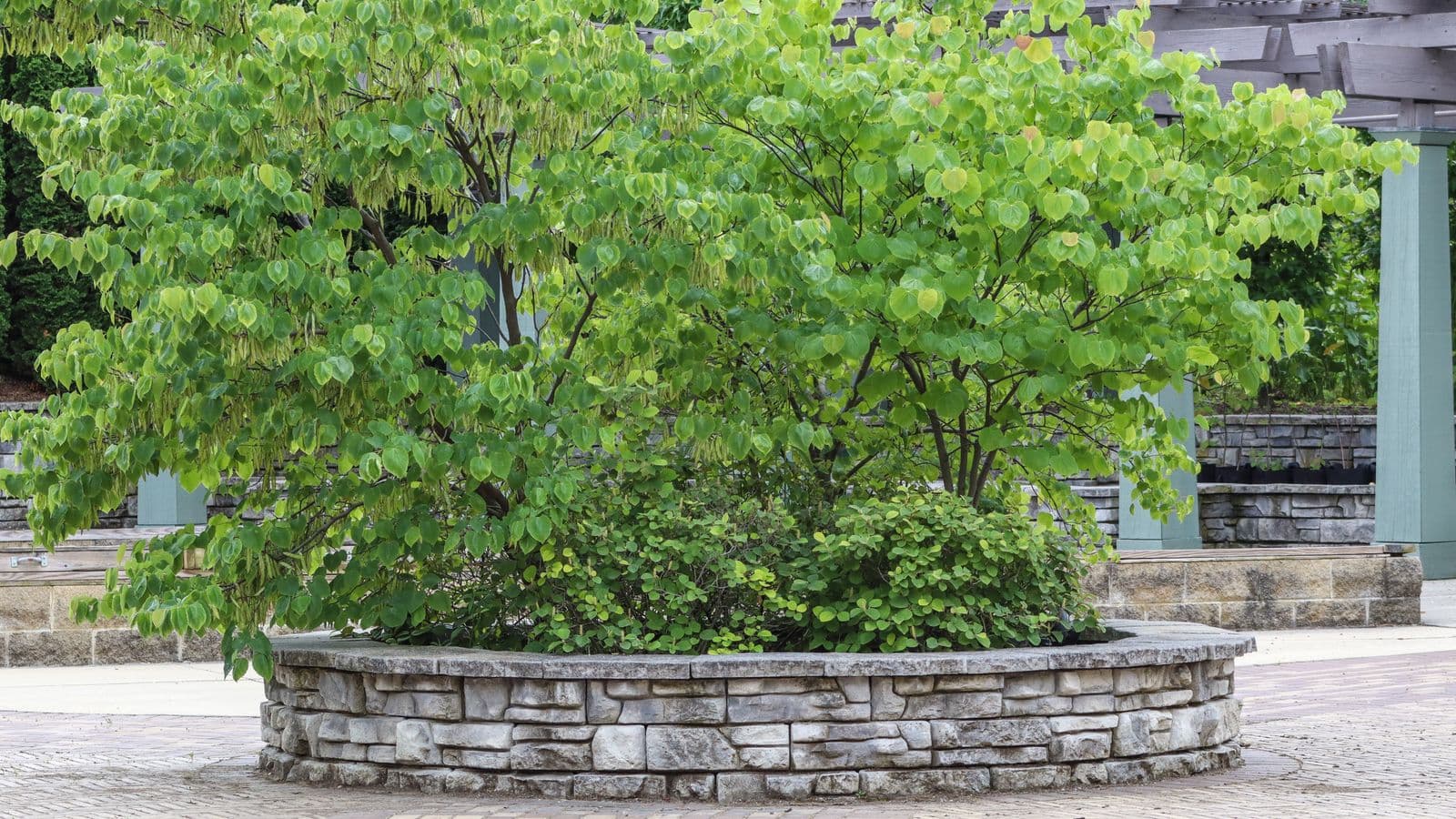
Topography: Is your yard perfectly flat or a steep slope? A sloped yard will require extensive grading and the construction of Seat Retaining Walls to create a level area for the pool and decking. This is a project within a project and can add tens of thousands of dollars.
Soil Conditions: Rocky soil is a nightmare to excavate. It can require specialized equipment like hydraulic breakers, dramatically increasing the time and cost of the dig. Expansive clay soils or a high water table present their own engineering challenges that must be addressed, adding to the structural costs.
Utilities: Are there underground gas, water, or electrical lines that need to be moved? Rerouting utilities is a job for licensed professionals and is never a trivial expense.
Water Features and Upgrades: Where Budgets Can Soar
Once the basic shell is in, the fun—and the spending—can really begin. This is where you transform a simple swimming hole into a luxurious resort-style experience. The sky is the limit, and it's easy to get carried away.
- Integrated Hot Tub/Spa: A spillover spa is one of the most popular upgrades. It adds a whole new dimension of year-round enjoyment but also adds significant cost for the additional structure, plumbing, and equipment.
- Water Features: Waterfalls, deck jets, bubblers, and scuppers create ambiance and visual appeal. A simple sheer descent waterfall might add a few thousand dollars, while a complex, custom rock grotto could add tens of thousands.
- Lighting: Basic in-pool lighting is standard, but upgrading to color-changing LED lights with automation controls can elevate the nighttime experience dramatically. This is where thoughtful Landscape Lighting SAN Diego integration can tie the whole yard together.
- Automation: Want to control your pool's pump, heater, and lights from your smartphone? You can. Advanced automation systems add convenience but also come with a hefty price tag.
- Heaters: A heater extends your swimming season, making it a worthwhile investment for many. Options range from gas heaters (fast but expensive to run) to heat pumps (slower, more energy-efficient) and solar heaters (high upfront cost, free to run).
- Automatic Covers: A safety cover is a critical feature, especially for families with children. An automatic cover offers the ultimate in convenience and safety, but it's a major investment, often costing $10,000-$20,000 or more.
Decking and Landscaping: Framing Your Masterpiece
A pool without a deck is like a painting without a frame. The area surrounding your pool—the patio or deck—is just as important as the pool itself. This is where you'll lounge, entertain, and live. The cost of this 'hardscaping' can easily equal 25-50% of the pool's cost, or even more.
Your material choices here are vast. Standard brushed Concrete SAN Diego is the most affordable option. Stamped or colored concrete adds more visual interest for a moderate price increase. The next step up is interlocking Pavers SAN Diego, which offer a huge variety of styles, colors, and patterns and are excellent for long-term durability. At the premium end, you have natural stone like travertine or flagstone, which provide an unmatched look of luxury but come with a premium price tag.
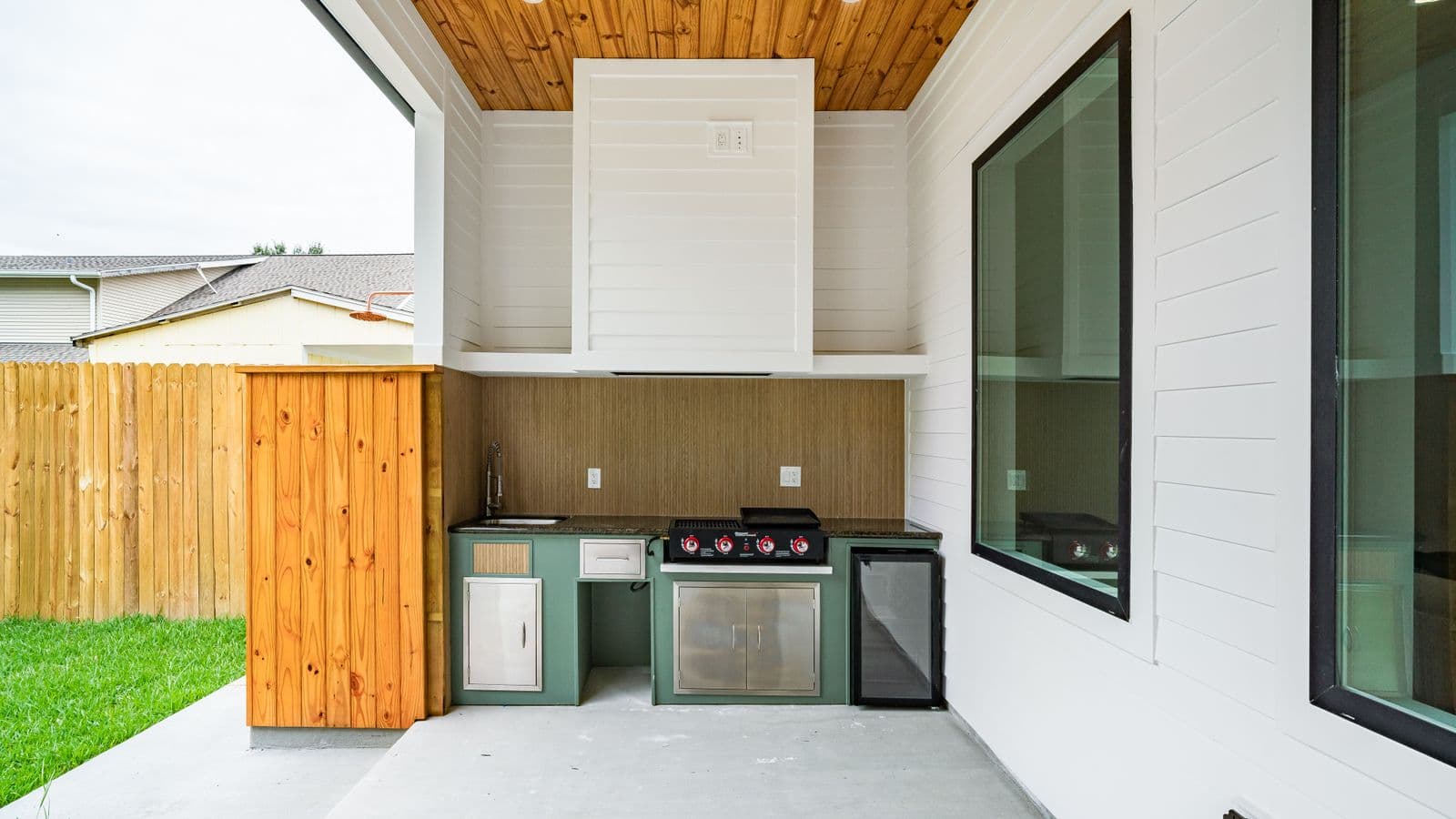
And it doesn't stop there. The pool is the centerpiece of a larger backyard ecosystem. You'll need to budget for landscaping to soften the edges, perhaps some low-maintenance Artificial Turf SAN Diego for a clean look, or even a full-blown Outdoor Kitchens SAN Diego and one of our custom Fire Features to create a complete outdoor living room. A well-designed project considers all of these elements from the beginning.
The Necessary Evils: Fencing, Permits, and Insurance
These are the unglamorous but absolutely essential costs that are easy to overlook. Local building codes almost universally require a safety fence of a certain height with a self-latching gate around any new pool. This is non-negotiable. The cost will depend on the length of the fence and the material you choose, from a basic chain-link to ornamental iron or glass.
Building permits are also a certainty. The cost and complexity vary by municipality, but you should budget for several hundred to a few thousand dollars for the plans, applications, and inspections — the City of San Diego sets out its pool plan-check requirements in Information Bulletin 712. Finally, call your homeowner's insurance agent. A pool increases your liability, and you'll almost certainly see an increase in your annual premium. It’s a cost of ownership that you need to be aware of.
Long-Term Ownership: The Costs That Keep Coming
The spending doesn't stop once the construction crew leaves. Owning a pool is like owning a car; it requires ongoing maintenance and will have recurring costs. You need to budget for:
- Chemicals: Chlorine, salt, pH balancers, algaecide... you'll be buying these regularly. Budget a few hundred to over a thousand dollars per year.
- Electricity: The pool pump is one of the biggest energy consumers in a home. A variable-speed pump can significantly reduce this cost, but it's a higher upfront investment.
- Water: You'll need to top off the pool due to evaporation, especially in warmer, drier climates.
- Repairs & Replacements: Pumps and heaters don't last forever. Liners need replacing. Concrete needs resurfacing. It's wise to set aside a maintenance fund for these eventualities.
- Professional Service: Many owners opt for a weekly pool service to handle cleaning and chemical balancing, which can run a couple of hundred dollars per month.
How a Cohesive Design Saves You Money in the Long Run
It might seem counterintuitive, but investing in a comprehensive design plan upfront is one of the best ways to control costs. When you look at the project holistically with a service like our Pools AND Spas design and build, you avoid costly mistakes and after-the-fact additions.
A professional design integrates the pool, patio, landscaping, and other features into a single, cohesive vision. This ensures that drainage is handled correctly, utilities are placed logically, and the flow of the entire space works for your family. Trying to bolt on an outdoor kitchen or a pergola after the pool is finished is always more expensive and complicated than planning for it from day one. It prevents the dreaded 'do-over' and ensures the final result feels intentional and complete, not piecemeal.
Building a pool is a significant financial and emotional investment. It’s a complex dance of design, engineering, and construction. By understanding all the variables at play—from the type of pool you choose to the slope of your yard—you can create a realistic budget and make informed decisions. The goal is to end up with a beautiful backyard that brings you joy for years to come, without any lingering financial surprises. Ready to start the conversation? We're here to help you figure it all out. You can even BOOK MY FREE CONSULTATION with our design team to explore the possibilities for your own space.
Start Your Free Design Consultation
Tell us about your project and we'll be in touch within 24 hours. No pressure, no obligation.
Common questions
- What's the ballpark cost to install an inground pool?
- Most homeowners can expect $50,000 to $150,000 for a standard-sized inground pool. A smaller, no-frills vinyl liner pool lands on the lower end, while a large custom gunite pool with a spa, waterfall, and premium decking soars toward the higher end, and sometimes well beyond. A precise quote still needs a site visit and design.
- Is fiberglass cheaper than concrete for a pool?
- Yes, fiberglass typically costs less than a custom concrete build. Fiberglass runs a medium $60,000 to $120,000, while concrete (gunite) is the most expensive upfront at $70,000 to $200,000-plus. Vinyl liner is the most budget-friendly at $50,000 to $90,000. Fiberglass also installs faster and needs fewer chemicals thanks to its non-porous gelcoat.
- How long does it take to install a pool?
- It depends on the pool type. Fiberglass is fastest at one to three weeks, since the pre-molded shell is simply set once the hole is dug. Vinyl liner takes a medium two to five weeks, and concrete (gunite) is longest at two to four months because it's the most labor-intensive to form and finish.
- How much does pool decking add to the cost?
- The surrounding deck and hardscaping can easily equal 25 to 50 percent of the pool's cost, or even more. Standard brushed concrete is the most affordable option, stamped or colored concrete costs moderately more, interlocking pavers are a step up, and premium natural stone like travertine or flagstone carries the highest price tag.
- Do I need a fence and permits for a new pool?
- Yes. Local building codes almost universally require a safety fence of a certain height with a self-latching gate around any new pool, and this is non-negotiable. Building permits are also a certainty, typically running from several hundred to a few thousand dollars. Expect your homeowner's insurance premium to rise too, since a pool increases liability.
Ready to design your dream yard?
Tell us about your project. We'll send back a real plan, not a templated quote.
Book My Free Consultation→