How Much Does It Cost to Install a Lap Pool? The Real Numbers
You’re picturing it already, aren't you? Stepping out into your own backyard for a clean, invigorating swim.
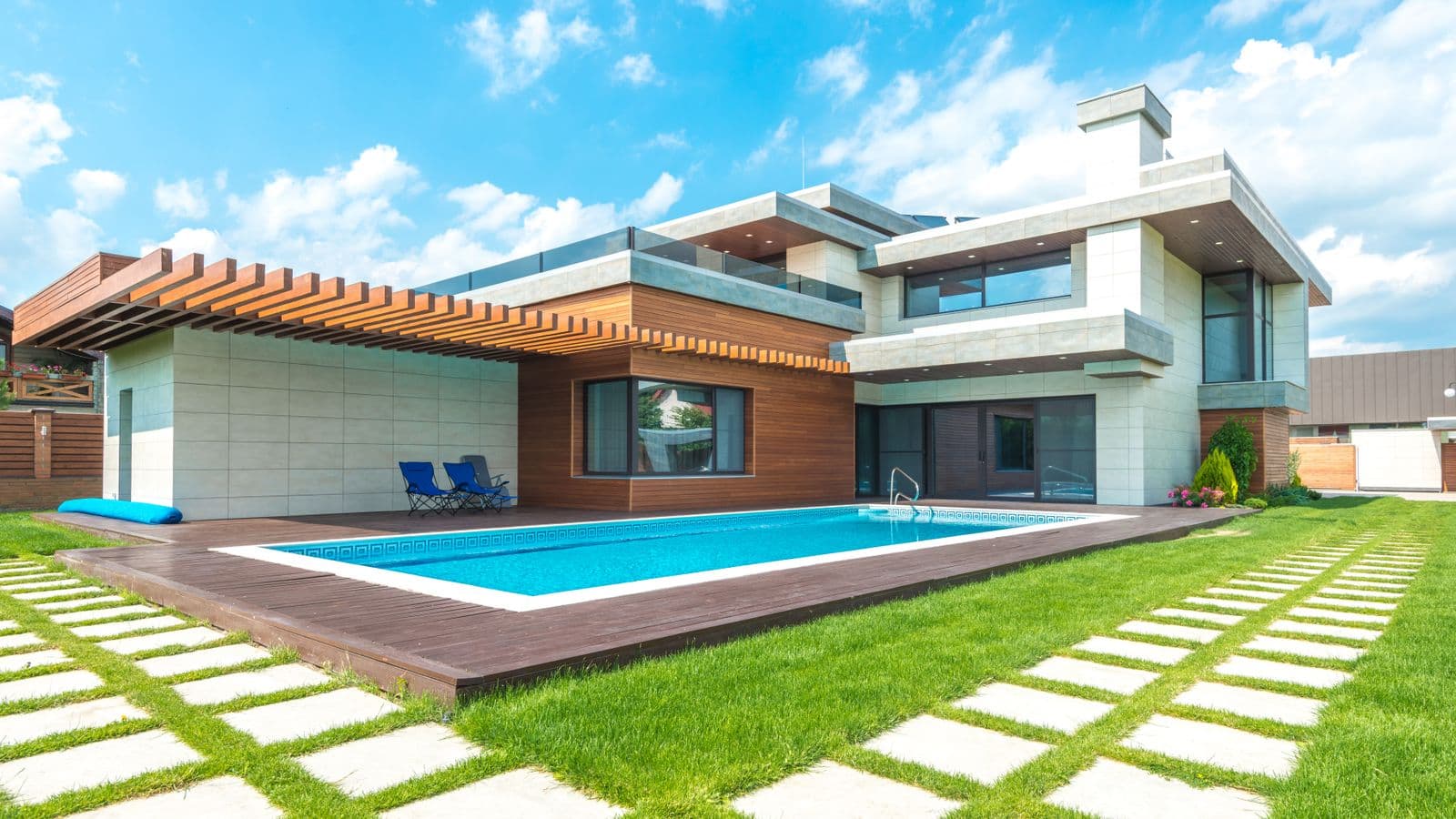
You’re picturing it already, aren't you? Stepping out into your own backyard for a clean, invigorating swim. No gym crowds, no chlorine-heavy public pools. Just you, the water, and the perfect start (or end) to your day. A lap pool isn't just a luxury; for many, it's a commitment to wellness, a private retreat, and a stunning architectural feature. But before you get lost in the dream, there's that one very practical, very important question: how much does it cost to install a lap pool?
It’s the question our team gets all the time, and the honest-to-goodness answer is... it depends. We know that's not what you want to hear, but it's the truth. A lap pool project is a complex dance of variables, from ground conditions to material choices and aesthetic desires. Think of it less like buying a product off a shelf and more like commissioning a custom piece of functional art for your home. Our goal here isn't to give you a single, magical number, but to arm you with the knowledge to understand where your money is going and what factors will swing your budget in one direction or another. We'll pull back the curtain on the entire process, from the first shovel in the ground to the final landscaping touches.
The Big Picture: What's a Realistic Budget Range?
Let’s get the sticker shock out of the way. For a professionally installed, in-ground lap pool, you're typically looking at a range of $50,000 to $100,000+. Yes, that’s a massive window. Why the sprawling difference? Because nearly every component has a 'standard' option and a 'premium' upgrade. The final figure is a direct result of dozens of small and large decisions you'll make along the way.
Here’s a quick breakdown of what contributes to that total cost:
- The Pool Shell Itself: The material you choose (concrete, fiberglass, or vinyl) is the single biggest cost driver.
- Size and Dimensions: A standard lap pool is at least 40 feet long. The longer and deeper you go, the more it costs in materials and labor.
- Excavation and Site Prep: What's hiding under your grass? Rocky soil or a high water table can dramatically increase preparation costs.
- Pool Equipment: The non-negotiable systems that keep your pool running—pumps, filters, heaters, and sanitizers.
- Surrounding Hardscape & Landscaping: The pool is just the beginning. The decking, patio, fencing, and lighting are what make it a true outdoor oasis.
- Permits and Fees: Every municipality has its own set of rules and associated costs — in San Diego, pool plans run through the plan-check process set out in the City's Information Bulletin 712.
We've seen projects land on every inch of this spectrum. A straightforward fiberglass installation on a flat, accessible lot will be on the lower end. A custom-poured concrete pool on a sloped yard with extensive retaining walls and a high-end travertine deck? That's going to push the upper limits. Understanding these components is the first step to building a realistic budget.
Pool Materials: The Foundation of Your Budget
This is where your first major decision lies. The material you choose for your lap pool's structure dictates not only the initial price but also its long-term maintenance needs and aesthetic possibilities. Our experience shows there's no single 'best' option—only the best option for _your_ specific goals and property.
Let's be honest, this is crucial.
Gunite (Concrete) Pools: The gold standard for customization. If you can dream it, you can build it with concrete. Want an L-shape? An extra-deep section? Integrated steps and benches? Concrete offers limitless design freedom. However, this flexibility comes at a price. It’s generally the most expensive option upfront and requires more intensive long-term care, including more chemical usage and eventual resurfacing every 10-15 years. The installation process is also the longest, often taking several months from start to finish. But for a truly bespoke design that fits a unique space, it's often the only way to go.
Fiberglass Pools: These are the champs of quick installation. The pool shell is manufactured off-site and delivered to your home as a single piece, which is then craned into the excavated hole. The installation can be remarkably fast—sometimes just a matter of weeks. The smooth, non-porous surface of fiberglass (called a gelcoat) is also fantastic. It's resistant to algae growth, which means you'll spend less time and money on chemicals. The downside? You’re limited to the manufacturer’s existing molds and sizes. While there are many great designs, you can't customize the shape or dimensions beyond what's offered. They are a significant part of our Pools AND Spas installations for their durability and speed.
Vinyl Liner Pools: This is often the most budget-friendly option for the initial installation. These pools use a metal or polymer wall structure with a custom-fitted vinyl liner that contains the water. They offer good customization in terms of size and shape, rivaling concrete in some respects. The trade-off is the liner itself. While modern liners are quite durable, they are susceptible to punctures from sharp objects and will need to be replaced every 7-10 years, which is a significant recurring expense. Still, for homeowners focused on getting in the water for the lowest initial investment, it's a compelling choice.
Here's how they stack up side-by-side:
| Feature | Gunite (Concrete) | Fiberglass | Vinyl Liner |
|---|---|---|---|
| Initial Cost | High | Medium-High | Low-Medium |
| Installation Time | 2-4 Months | 2-5 Weeks | 4-8 Weeks |
| Customization | Virtually Unlimited | Limited to Molds | High (Shape & Size) |
| Durability | Very High (Structure) | Very High (Shell) | Medium (Liner) |
| Surface Feel | Plaster (Can be rough) | Smooth Gelcoat | Smooth Vinyl |
| Maintenance | High (Chemicals, Brushing) | Low (Algae Resistant) | Medium (Liner Care) |
| Lifetime Cost | High (Resurfacing) | Low | Medium (Liner Replacement) |
Our team can help you weigh these pros and cons during a consultation. The right choice often becomes clear once we understand your property and your priorities. Do you value speed and low maintenance, or is absolute design freedom your non-negotiable?
Digging Deeper: The Unseen Costs of Site Prep
Before a beautiful pool can go in, a very large hole must be dug. And this phase, known as excavation and site preparation, is loaded with variables that can impact your budget. It's one of the areas where surprises most often pop up.
First, there’s access. How will heavy machinery get to your backyard? If you have a wide side yard, it’s a straightforward process. But if access is tight, it might require smaller (and less efficient) equipment, or even the temporary removal of a section of fence, which adds labor and cost. We’ve had projects where crane rental was necessary just to get the equipment or the pool shell into place. It happens.
Then, there’s the ground itself. What are we digging into? Soft, loamy soil is easy. Hard clay, dense rock, or a high water table are not. Hitting a massive boulder or a ledge of bedrock that needs to be broken up with a hydraulic hammer can add thousands of dollars and several days to the project timeline. This is something a geological survey, often part of a comprehensive Landscape Design SAN Diego plan, can help anticipate.
Finally, consider the slope of your yard. A perfectly flat yard is the ideal canvas. If your property has a significant grade, you'll need engineered Seat Retaining Walls to create a level area for the pool and surrounding deck. These walls are critical for structural integrity and safety, but they are a substantial additional cost that must be factored in from the very beginning. Ignoring grading and drainage issues is a recipe for catastrophic failure down the road.
The Engine Room: Essential Pool Equipment
Your pool's equipment pad is its life support system. These components circulate, clean, and heat the water, and they are not optional. While you can choose different levels of quality and efficiency, you will need each of these core pieces.
- The Pump: This is the heart of the system, responsible for circulating water through the filter and back into the pool. The industry standard now is a variable-speed pump (VSP). While they cost more upfront than older single-speed models, they are dramatically more energy-efficient, saving you hundreds of dollars a year on your electricity bill. In many places, they are now required by code. We can't stress this enough: don't skimp on the pump.
- The Filter: This is what keeps your water clean and clear. You have three main choices: sand, cartridge, or diatomaceous earth (D.E.). Sand filters are the old-school, reliable, and affordable option. Cartridge filters offer finer filtration and are more water-efficient since they don't require 'backwashing'. D.E. filters provide the absolute best filtration, capturing the tiniest particles, but they also require the most maintenance.
- The Heater: Do you want to extend your swimming season beyond the hottest summer months? Then a heater is a must. The most common options are natural gas or propane heaters, which heat the water quickly on demand. Electric heat pumps are another option; they are slower to heat the water but are incredibly energy-efficient, 'pulling' heat from the ambient air.
- The Sanitizer: This is how you'll keep the water safe and free of bacteria. A traditional chlorine feeder is the most basic option. However, saltwater chlorine generators are becoming increasingly popular. They use a small amount of salt in the water to generate their own chlorine, resulting in softer-feeling water and eliminating the need to handle harsh chlorine tablets. There are also UV and ozone systems that can be added to reduce overall chemical reliance.
Investing in high-quality, energy-efficient equipment pays for itself over the life of the pool through lower utility bills and fewer maintenance headaches. It's a classic 'pay now or pay more later' scenario.
More Than a Pool: Decking, Fencing, and Finishing Touches
A lap pool in the middle of a muddy yard isn't much of a paradise. The area surrounding your pool—the hardscape, the safety features, and the landscaping—is what transforms it from a concrete hole into a cohesive and beautiful outdoor living space. This is often where a significant portion of the budget is allocated, and it's where you can truly personalize the project.
Decking and Patios: You'll need a hard, non-slip surface around your pool. This can range from simple broom-finished Concrete SAN Diego to elegant, intricate layouts of natural stone or high-end Pavers SAN Diego. The material choice here has a massive impact on both the look and the cost. Poured concrete is the most affordable, while travertine, bluestone, or premium porcelain pavers represent the higher end. The size of the deck is also a huge factor. A simple 3-foot walkway around the pool is very different from a sprawling 1,000-square-foot patio with space for dining and lounging.
Fencing: In virtually every locality, a safety fence with a self-latching gate is a legal requirement. Don't treat this as an afterthought. The style can range from a basic chain-link or aluminum fence to a more aesthetically pleasing wood, vinyl, or even frameless glass fence. The cost will vary accordingly, but it is a non-negotiable part of the installation.
Landscaping and Lighting: This is what ties everything together. Strategic planting can provide privacy, soften the hard edges of the patio, and add color and texture. And a professionally designed Landscape Lighting SAN Diego system is absolutely transformative. It extends the usability of your pool area into the evening, enhances safety, and creates a breathtaking ambiance. Imagine uplighting on trees and soft path lighting guiding the way. It’s a game-changer.
Many clients also use the pool installation as a catalyst to create a complete outdoor living environment. This could include adding an Outdoor Kitchens SAN Diego for entertaining, a shaded area under one of our Patio Covers Pergolas SAN Diego, or a cozy conversation nook around one of our custom Fire Features. When you start to bundle these elements, the value of a holistic design-build approach becomes incredibly clear. It ensures every piece works in harmony.
If you’re feeling overwhelmed by the number of decisions, that’s completely normal. This is a major construction project. That’s why we encourage everyone to BOOK MY FREE CONSULTATION with our design team. We can walk you through the options, show you materials, and help you create a cohesive plan that aligns with your vision and your budget.
The Long Game: Costs of Ownership
The expenses don't stop once the construction crew leaves. Owning a pool comes with ongoing costs for maintenance and utilities. It's wise to budget for these from day one.
- Chemicals: You'll need a steady supply of chemicals to keep your water balanced and sanitized. This can cost anywhere from $300 to $800 per year, depending on your pool size and sanitizer type.
- Electricity: Your pump is the biggest consumer of energy. As we mentioned, a variable-speed pump will significantly lower this cost compared to an old single-speed model. If you have a heater, your gas or electric bill will also increase during the months you use it.
- Water: You'll lose some water to evaporation and splashing, so you'll need to top off the pool periodically. This is usually a minor cost but worth noting.
- Maintenance & Repairs: Things will eventually wear out. A pump motor might fail, or a filter cartridge might need replacing. It’s smart to set aside a small fund each year for unexpected repairs. And don't forget the big-ticket recurring items, like replacing a vinyl liner ($4,000-$7,000) or resurfacing a concrete pool ($10,000+).
- Professional Service: Many homeowners opt for a weekly or bi-weekly pool service to handle chemical balancing and cleaning. This can cost $100-$200 per month but saves you a significant amount of time and ensures your investment is properly cared for.
Building a lap pool is a significant financial commitment, but it's also an investment in your home's value and, more importantly, in your quality of life. By understanding all the components that make up the total price, you can approach the process with confidence, making informed decisions that lead to the backyard retreat you've always wanted. It’s about creating a space that serves you for years to come, a place for fitness, relaxation, and making memories.
Start Your Free Design Consultation
Tell us about your project and we'll be in touch within 24 hours. No pressure, no obligation.
Common questions
- Why do lap pool costs vary so widely?
- For a professionally installed, in-ground lap pool, expect $50,000 to $100,000+. The range is so wide because nearly every component has a standard option and a premium upgrade. The pool shell material is the single biggest cost driver, alongside size and dimensions, excavation and site prep, equipment, surrounding hardscape and landscaping, and permits and fees.
- Is a fiberglass or concrete lap pool better?
- Neither is universally best; it depends on your priorities. Gunite (concrete) offers virtually unlimited customization but costs the most upfront, takes 2-4 months to install, and needs resurfacing every 10-15 years. Fiberglass installs in just 2-5 weeks, resists algae, and stays low-maintenance, but you're limited to the manufacturer's existing molds and sizes.
- How long does it take to install a lap pool?
- Installation time depends on the material you choose. Fiberglass is fastest at 2-5 weeks, since the shell arrives pre-made and is craned into the hole. Vinyl liner pools take 4-8 weeks, while custom gunite (concrete) pools take the longest at 2-4 months because they're poured and built on-site.
- Do I need a fence around my lap pool?
- Yes. In virtually every locality, a safety fence with a self-latching gate is a legal requirement, so don't treat it as an afterthought. Styles range from basic chain-link or aluminum to more attractive wood, vinyl, or even frameless glass. Cost varies with your choice, but the fence itself is non-negotiable.
- How much does it cost to maintain a lap pool each year?
- Plan for roughly $300 to $800 a year in chemicals, depending on pool size and sanitizer type. Many owners also pay $100 to $200 monthly for professional weekly or bi-weekly service. Budget too for big recurring items like replacing a vinyl liner ($4,000-$7,000) or resurfacing concrete ($10,000+).
Ready to design your dream yard?
Tell us about your project. We'll send back a real plan, not a templated quote.
Book My Free Consultation→