There’s something undeniably special about wood in an outdoor living space. It’s warm, it’s natural, and it connects the built environment to the landscape in a way that cold steel or stone just can’t. We love incorporating it into our designs for everything from pergolas to accent walls. But when you introduce the core elements of our favorite Outdoor Kitchens SAN Diego—open flames, intense heat, sizzling grills—a critical question surfaces. How do you reconcile the timeless beauty of wood with the uncompromising reality of fire?
That's the conversation we have with clients all the time. It’s not about choosing between aesthetics and safety. It’s about achieving both through smart design and material science. We’ve spent years perfecting outdoor spaces, and our team has learned that understanding how to fireproof wood for an outdoor kitchen isn't just a building code requirement; it's a fundamental component of creating a space where you can relax and entertain with complete peace of mind. It’s about building something that lasts. And more importantly, something that’s safe for your family.
Why Bother Fireproofing Wood? It's Not Just About Code
Let’s be direct. The primary reason to fireproof wood is to slow down combustion. It’s about buying time. In the event of a flare-up or an errant ember, treated wood will resist ignition far longer than untreated wood. It chars instead of bursting into flames. This delay can be the difference between a minor incident you handle with an extinguisher and a catastrophic fire that consumes your entire structure. It's a significant, sometimes dramatic, difference.
But the benefits go beyond worst-case scenarios. Think about the relentless, radiant heat from a high-end grill or a pizza oven. Over time, this constant thermal stress can degrade untreated wood, making it brittle, weak, and ironically, even more susceptible to ignition. Fire-retardant treatments mitigate this slow-motion damage, preserving the structural integrity and appearance of the wood for years. We can't stress this enough: it's a proactive measure for the longevity of your investment. When we're in the Landscape Design SAN Diego phase, these material choices are foundational to the project's success and durability. It’s not an afterthought; it’s part of the plan from day one.
We’ve seen gorgeous, expensive cedar and redwood installations near cooking stations begin to show signs of heat fatigue within just a few seasons because this step was overlooked. It's a preventable problem. Simple, right?
Understanding Fire Retardants: The Science Behind the Safety
Before you can choose a method, it helps to know what’s actually happening at a chemical level. Fire needs three things: fuel (the wood), oxygen (the air), and heat. Fire retardants work by interfering with this triangle, typically by either eliminating the fuel source or creating a barrier against heat and oxygen.
There are two main families of treatments our team works with:
Intumescent Coatings: This is a fascinating technology. When exposed to high heat, these coatings—which can look like regular paint or a clear varnish—swell up to create a thick, insulating layer of char. This char foam, called a char-blanket, is a very poor conductor of heat and shields the wood underneath from reaching its ignition temperature. It effectively sacrifices itself to protect the substrate. It’s an active defense system, right on the surface.
Penetrating Retardants: These are different. Instead of forming a surface barrier, these chemicals are absorbed deep into the wood's cellular structure. When heated, they trigger a chemical reaction that releases non-flammable gases and water vapor. This process cools the wood and dilutes the flammable gases that the wood would normally release when burning (a process called pyrolysis). The result is wood that doesn’t provide the fuel needed for a fire to sustain itself. It’s a change to the wood’s fundamental properties.
Both approaches are effective, but they have profoundly different applications, costs, and aesthetic impacts. Choosing the right one is a critical decision point in any project involving wood near a heat source.
Method 1: Fire-Retardant Coatings (The Surface-Level Shield)
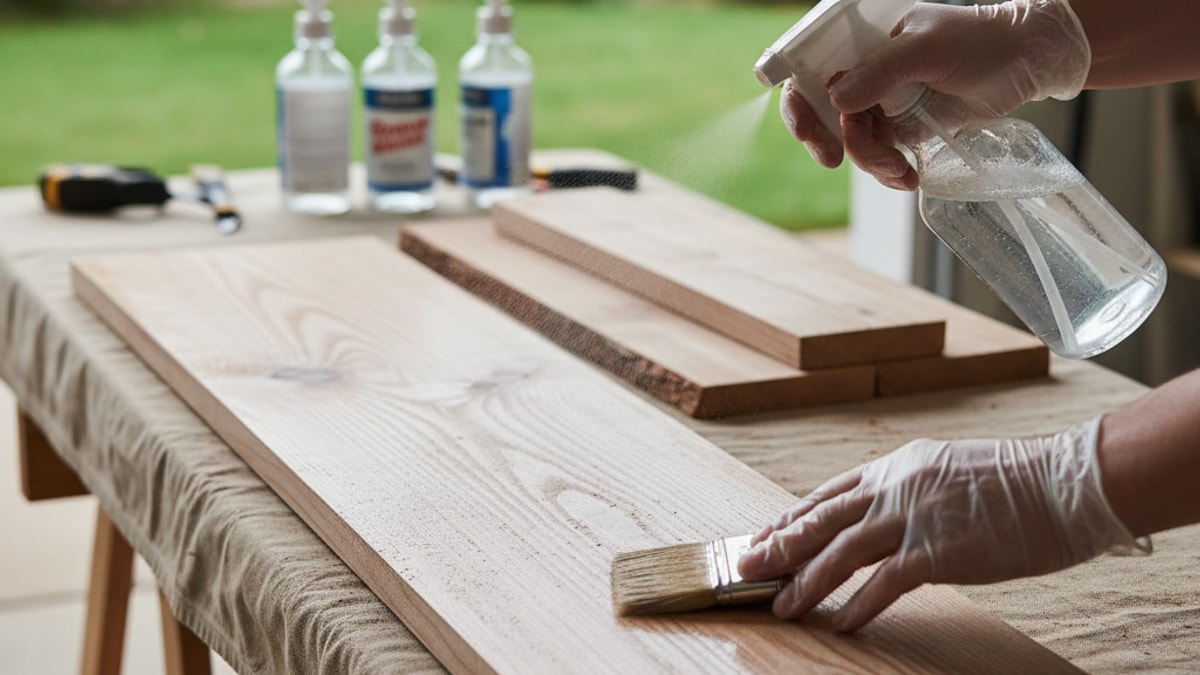
This is often the most accessible method, especially for existing structures or specific aesthetic goals. Intumescent products come in the form of paints, varnishes, and clear coats that are applied just like their non-protective counterparts.
We've found that the key to success with coatings is almost entirely in the preparation. You can't just slap a fire-retardant varnish on top of an old, peeling stain and expect it to work. The wood must be clean, dry, and properly sanded to ensure the coating adheres perfectly. Any failure in adhesion is a failure in the fire protection system. We mean this sincerely: a shoddy prep job renders the product useless.
Pros of Coatings:
- Versatility: They can be applied to almost any type of wood and on-site, making them ideal for retrofitting or custom builds.
- Aesthetics: You can find them in various colors (paints) or clear finishes (varnishes) that preserve the natural grain of the wood. This is a huge plus when you want the beauty of a specific wood species to be the star.
- Ease of Application: While prep is key, the application itself is straightforward for professionals and skilled DIYers.
Cons of Coatings:
- Durability: Being a surface treatment, they are susceptible to wear and tear, UV degradation, and moisture. They require regular inspection and reapplication, especially in uncovered outdoor kitchens.
- Maintenance: An outdoor coating might need to be reapplied every 3-5 years, depending on the exposure and the product. This is a long-term commitment.
Our professional observation is that coatings are perfect for visible elements like the wood framing on Patio Covers Pergolas SAN Diego that sit above the kitchen, or for decorative wood accent panels that aren't in direct contact with surfaces but are still within the heat-affected zone.
Method 2: Pressure Treatment (The Deep-Down Defense)
This is the heavy-duty, industrial-grade solution. Fire-Retardant-Treated Wood (FRTW) isn’t something you make in your backyard. It's manufactured by placing lumber in a large, pressurized vessel and forcing water-based fire-retardant chemicals deep into the wood fibers. The process is similar to how standard pressure-treated wood is made to resist rot and insects.
This method fundamentally alters the wood. The protection isn’t on the surface; it’s integral to the material itself. It won't chip, peel, or wear away.
Pros of FRTW:
- Permanence: The protection is locked in for the life of the wood. There’s no reapplication needed. Ever.
- High Efficacy: FRTW typically carries a Class A fire rating, the highest classification available, meaning it has excellent resistance to flame spread.
- Peace of Mind: For the core structural components of an outdoor kitchen, it offers an unmatched level of set-it-and-forget-it safety.
Cons of FRTW:
- Cost: It's significantly more expensive than untreated lumber of the same species.
- Limited Availability: You can't get every beautiful exotic hardwood as FRTW. It's typically limited to common structural species like Douglas Fir and Southern Yellow Pine.
- Finishing Challenges: Some FRTW can be difficult to stain evenly, and the chemicals can sometimes cause a slight discoloration or a blotchy appearance if not handled correctly. You also have to use specific, corrosion-resistant fasteners (like stainless steel) as the salts in the treatment can corrode standard galvanized hardware. We've seen this mistake cause structural failures down the line.
Our experience shows that FRTW is the gold standard for hidden structural elements—the posts, beams, and joists that form the skeleton of your kitchen island or pergola. For these non-negotiable safety components, it’s the best choice.
Method 3: Chemical Dips and Sprays (The DIY Approach)
For smaller projects or supplementary treatments, there's a world of consumer-grade fire-retardant sprays and soaking solutions. These products are typically based on ammonium phosphates or other salts that you mix with water and apply to the wood's surface.
The application can be as simple as using a garden sprayer or as involved as soaking the wood in a trough for a period of time. They work by creating a light charring effect when exposed to flame, much like the other methods.
Honestly, though. While these products have their place, we rarely recommend them for the primary structure of a high-end outdoor kitchen. Their effectiveness can be inconsistent, heavily dependent on user application, and they often provide less durable protection than professional coatings or FRTW. They can also leave a crystalline film on the wood surface, impacting the final aesthetic.
Where do they fit in? We might consider them for treating decorative elements that are further away from the heat source, like a wooden privacy screen or a planter box near the kitchen area. They offer a baseline level of protection where a full-fledged coating system might be overkill. But for the main event? We believe in using more robust, reliable systems.
Comparing the Methods: Which is Right for Your Project?
Making the right choice depends entirely on your specific application, budget, and aesthetic goals. There's no single 'best' answer. Here’s a breakdown our team uses to help guide the decision-making process:
| Feature |
Fire-Retardant Coatings |
Pressure-Treated Wood (FRTW) |
DIY Sprays & Dips |
| Protection Level |
High (when applied correctly) |
Very High (Class A Rating) |
Moderate to Low |
| Durability |
Moderate (requires reapplication) |
Excellent (permanent) |
Low (washes out, needs frequent reapplication) |
| Application |
On-site (paint, spray, brush) |
Industrial process (buy pre-treated) |
On-site (garden sprayer, brush, soaking) |
| Aesthetics |
Excellent (clear coats preserve grain, paints offer color) |
Fair (can discolor wood, may stain unevenly) |
Poor to Fair (can leave a surface film) |
| Cost |
Moderate initial cost, plus ongoing maintenance |
High initial cost, no maintenance cost |
Low initial cost, high maintenance frequency |
| Best Use Case |
Visible elements, aesthetic woods, retrofitting |
Structural framing, hidden supports, core components |
Small decorative items, non-critical applications |
It’s Not Just the Wood: A Holistic Approach to Fire Safety
Here’s a critical point that often gets lost: fireproofing the wood is only one piece of the puzzle. A truly safe outdoor kitchen design incorporates fire safety principles at every level. You can have the best-treated wood in the world, but if your grill is improperly ventilated and situated just inches from a wooden wall, you still have a formidable fire hazard.
Our design philosophy is about creating layers of safety. This is where professional planning becomes non-negotiable.
- Non-Combustible Zones: We always design a 'hot zone' immediately around the grill, pizza oven, or side burners. This area should be constructed from completely non-combustible materials. This is a perfect place for beautiful and durable materials from our Concrete SAN Diego services for countertops, or stone and brick for backsplashes and surrounds.
- Clearances and Ventilation: We adhere strictly to the manufacturer's specifications for clearances for all cooking appliances. This means ensuring adequate space between the unit and any combustible materials (including treated wood) on all sides. Proper ventilation is also key to dissipate heat and prevent the dangerous buildup of flammable gases.
- Material Synergy: A great design combines materials strategically. For instance, a strong frame of FRTW can be clad in beautiful (but less protected) cedar, as long as the cedar is kept outside the immediate hot zone. The core structure is safe, and you still get the look you want. We might build the base of an island with masonry and then top it with a thick, robust wood countertop that’s treated with a high-quality intumescent varnish. It's about using the right material in the right place.
- Integrated Safety Features: We also consider the placement of other backyard elements. Your beautiful new kitchen should be a safe distance from other combustible structures, and the placement of nearby Fire Features needs to be carefully calculated to prevent stray embers from becoming a problem on windy days.
That's the reality. It all comes down to a comprehensive, thoughtful design.
Maintaining Your Fireproofed Wood for the Long Haul
Let's assume you've used a high-quality coating system. Your job isn't done. Maintenance is what ensures the protection remains effective year after year.
We recommend an annual inspection of all coated wood surfaces. Look for any signs of peeling, cracking, or excessive wear. Pay close attention to horizontal surfaces where water can pool and areas that get the most direct sun exposure, as UV rays are the primary enemy of any exterior coating. Keep the surfaces clean from grease and debris, as a buildup of grease can itself become a fuel source, negating some of the benefits of the treatment underneath.
Depending on the product and the climate, you should plan for a maintenance coat every few years. For FRTW, the maintenance is much simpler: just keep it clean. But remember to check the fasteners periodically to ensure there’s no unexpected corrosion.
Common Mistakes We See Homeowners Make
Over the years, our team has been called in to fix or redesign outdoor kitchens that weren't planned with fire safety in mind. Here are some of the most frequent, and dangerous, missteps we encounter:
- Ignoring Manufacturer Clearances: This is the big one. Every grill and outdoor appliance comes with a manual specifying minimum distances to combustible materials. These are not suggestions. Ignoring them is the single fastest way to create a fire hazard.
- Using Interior Wood Products: Using interior-grade plywood or untreated pine for the structure of a grill island is a catastrophic mistake waiting to happen. These materials are not meant for exterior exposure, let alone the high-heat environment of a kitchen.
- Improper Ventilation: Enclosing a grill in a tight space without providing adequate ventilation for heat to escape and for fresh air to circulate is incredibly dangerous. Heat builds up, and it can lead to both appliance malfunction and the ignition of surrounding materials.
- Skipping the Prep Work: As we mentioned, applying a fire-retardant coating over a dirty, unprepared surface is like building a house on a foundation of sand. It will fail.
- Focusing Only on the Grill: Homeowners often focus all their attention on the grill itself and forget about other heat sources. Side burners, pizza ovens, and even radiant heat from nearby fire pits all need to be factored into the safety equation.
Avoiding these pitfalls isn't complicated. It just requires careful planning and a refusal to cut corners on safety. It's about building it right the first time.
Building an outdoor kitchen is a significant and rewarding investment. It creates a hub for family life, a venue for entertaining, and a beautiful extension of your home. Incorporating the natural warmth of wood can elevate that space from merely functional to truly spectacular. By understanding and applying the right fireproofing methods—and by embracing a holistic approach to safety in your design—you can enjoy that beauty without compromise.
It’s about making smart choices from the very beginning. If you're ready to explore what's possible for your own backyard and want to ensure it's done with an unflinching commitment to safety and craftsmanship, our design team is here to help. You can always BOOK MY FREE CONSULTATION to start the conversation.



.webp)
.webp)