Ready to Design your dream yard?Ā get started!

What Does Driveway Sealing Do: Your Driveway's Longevity...
Every homeowner dreams of a stunning exterior, a space that welcomes, impresses, and endures. Often, the driveway, that sprawling, unflinching ribbon leading to your home, gets overlooked. It's just there, right? But that's a mistake, a costly one, frankly. By 2026, the sheer volume of traffic and environmental stressors our driveways face demands more than just casual attention. So, what does driveway sealing do, precisely? It's a question we hear a lot, and for good reason.
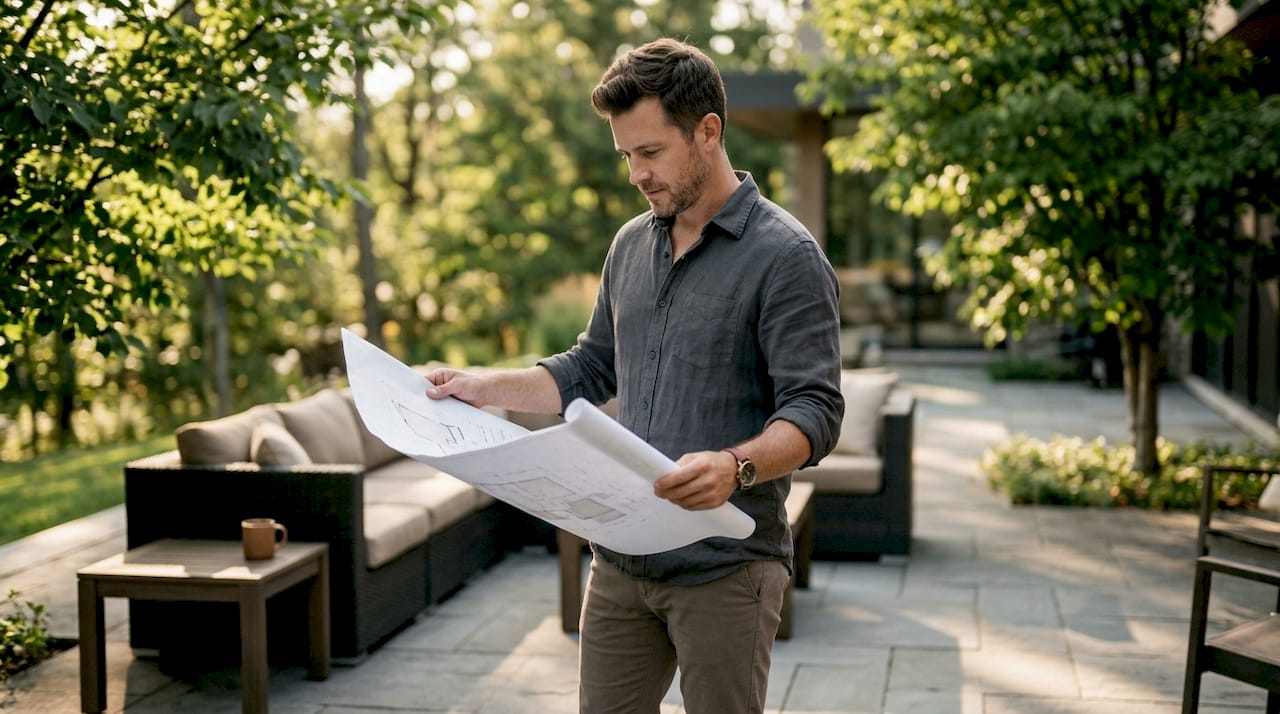
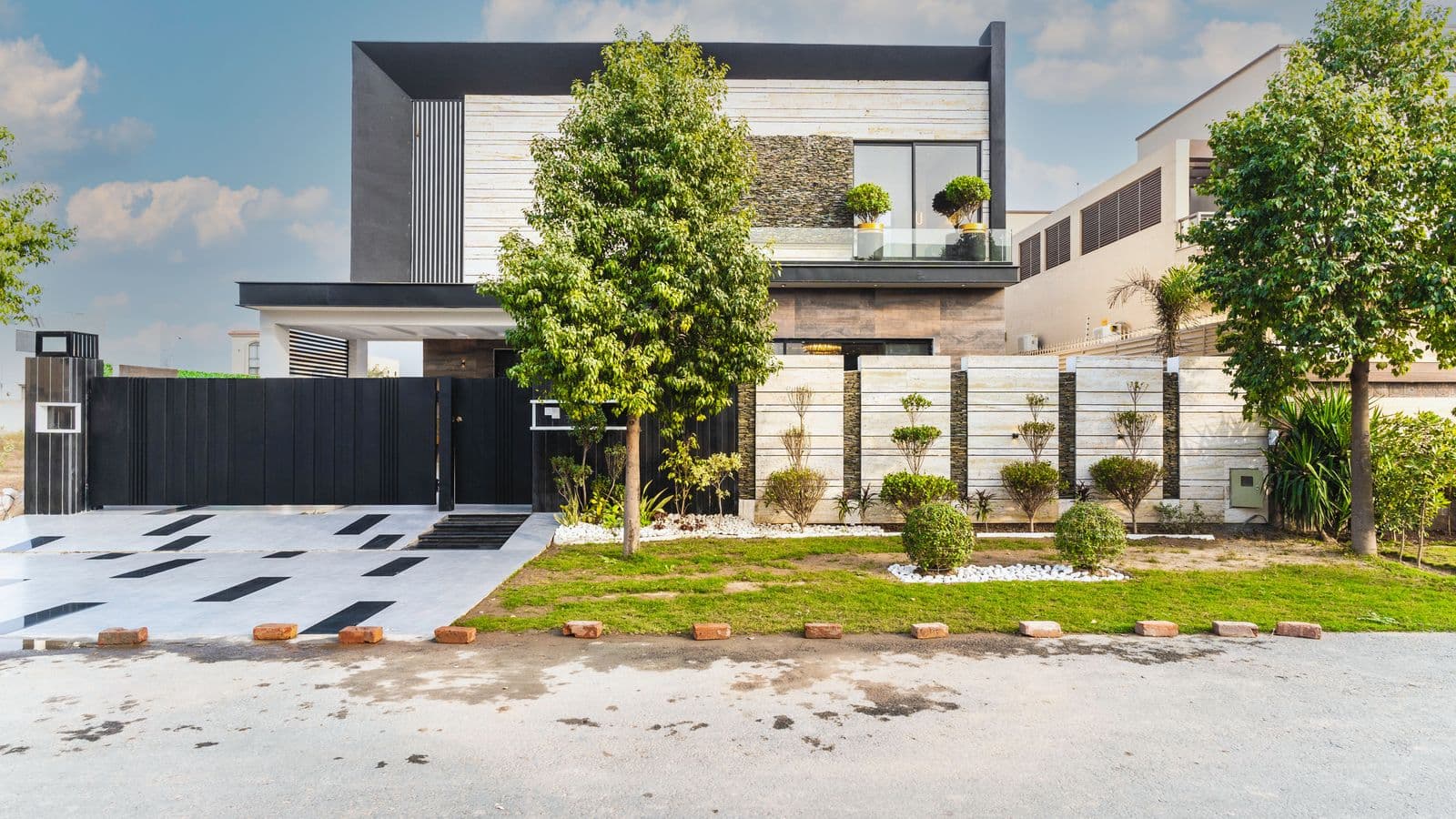
At Modern Yardz, we've spent decades crafting breathtaking outdoor environments, from intricate Landscape Design SAN Diego to robust Concrete SAN Diego installations. Our team understands deeply that the foundation of a beautiful property begins with well-maintained surfaces. Your driveway isn't just a place to park; it's a significant, sometimes dramatic, element of your home's curb appeal and structural integrity. Ignoring it can lead to premature deterioration, an aesthetic blight, and unwelcome expenses down the road. We're here to demystify the process and explain exactly what does driveway sealing do for your property.

The Unseen Battle: Why Driveways Deteriorate

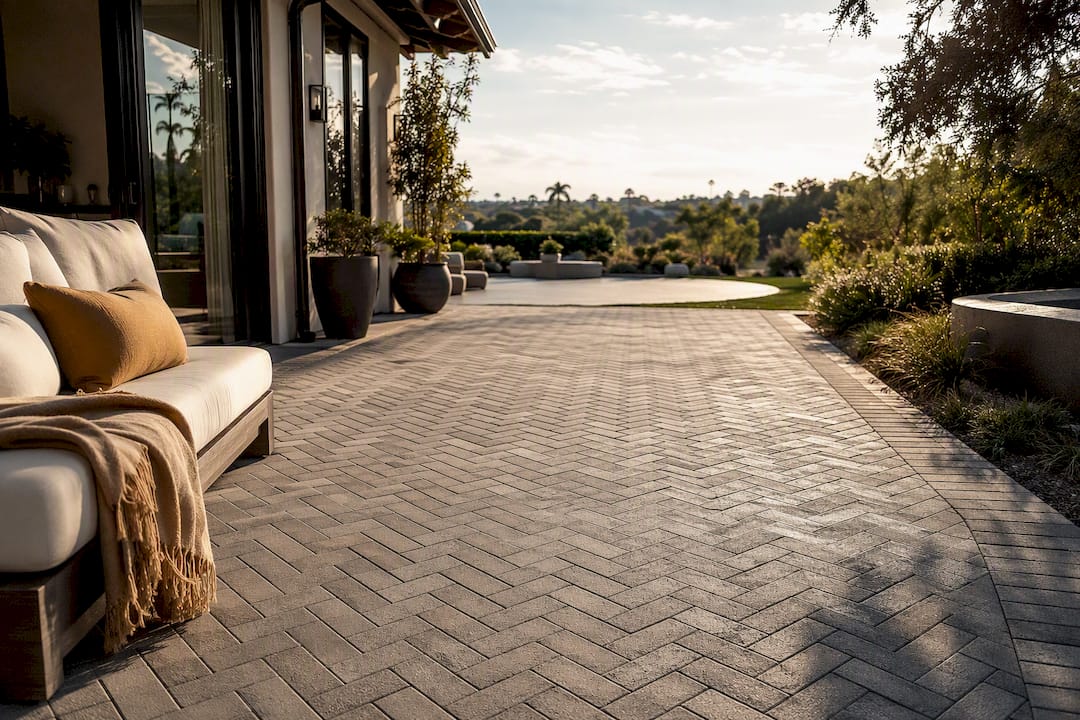
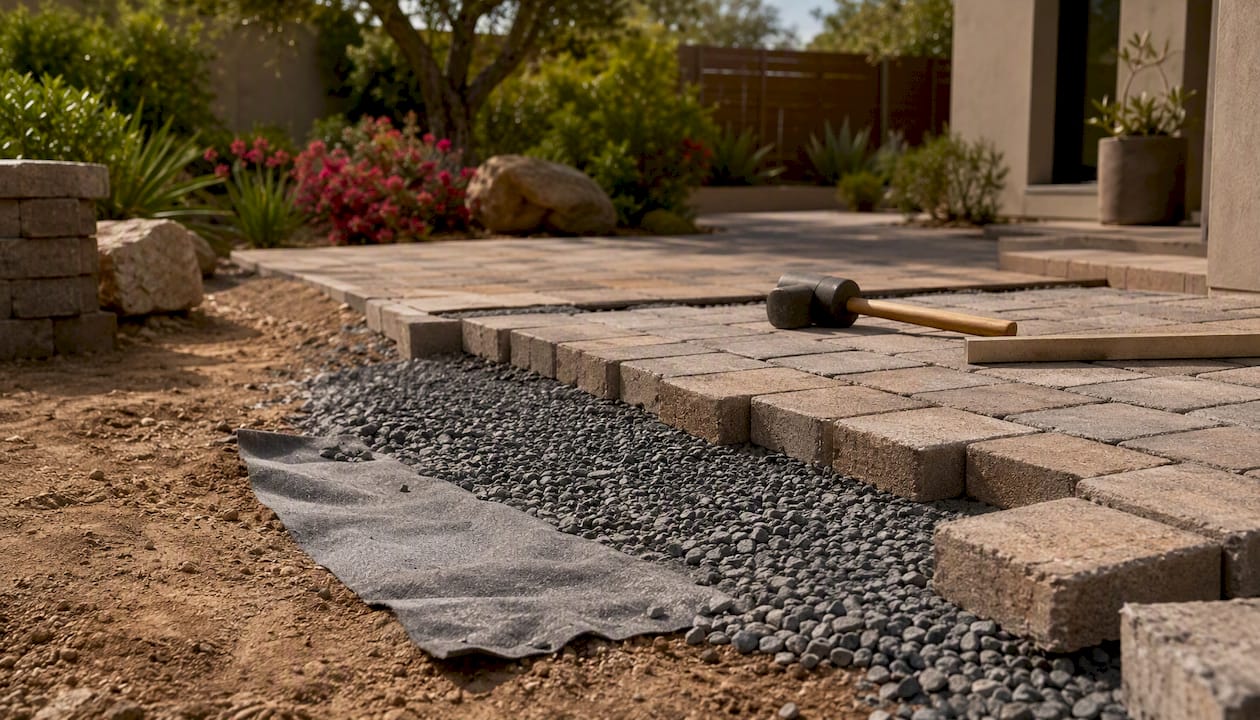
Think about it: your driveway is under constant assault. We're talking about relentless sun exposure, torrential downpours (especially during those intense storm seasons we've seen increasingly often by 2026), freezing temperatures, thawing cycles, oil spills, gasoline drips, tire marks, and even pedestrian traffic. These elements don't just sit there; they actively erode, crack, and disfigure your driveway surfaces over time. For concrete, those tiny hairline fractures expand, allowing water to seep in, freeze, and then expand further, causing significant damage. With Pavers SAN Diego, the sand in the joints can wash away, leading to shifting and an uneven appearance. It's a grueling road warrior hustle, really.

Our experience shows that without proper protection, even the most impeccably installed driveway will show its age far sooner than it should. We've seen driveways that were only a few years old look decades older simply because they lacked adequate sealing. That's the reality. It all comes down to prevention. And that's precisely where understanding what does driveway sealing do becomes a critical, non-negotiable element of home maintenance. It's not just about applying a coat of something; it's about forming a formidable barrier against the elements.

What Does Driveway Sealing Do, Fundamentally?

At its core, driveway sealing involves applying a protective coating to your driveway surface. This isn't a mere cosmetic upgrade, though it certainly improves appearance. No, it's a profound act of preservation. Here's what we've learned: success depends on understanding the multifaceted benefits. Our team has found that this process essentially creates a sacrificial layer over your existing material, whether it's asphalt, concrete, or pavers. This layer takes the brunt of the abuse that daily life and environmental factors throw at it, keeping the underlying structure safe and sound. It's comprehensive.

When we talk about what does driveway sealing do, we're talking about a significant upgrade in durability. It helps to fill tiny surface voids, which prevents water penetration. This is particularly crucial for concrete, where moisture ingress can lead to spalling, scaling, and eventual structural compromise. For asphalt, sealing replenishes lost binders and prevents oxidation, which can make the surface brittle and prone to cracking. For pavers, it locks in the jointing sand, inhibiting weed growth and insect infestations, while also stabilizing the entire surface. Honestly, though, it's about safeguarding your substantial investment.

The Tangible Benefits: Why You Can't Afford to Skip It

Let's be honest, this is crucial. Beyond the fundamental protection, what does driveway sealing do for your property in practical terms? The benefits are extensive and undeniably impactful. We've seen homeowners save thousands of dollars in repair costs over the years by simply adhering to a regular sealing schedule. That's a significant return on a relatively modest investment. Consider these key advantages:

  • Extended Lifespan: This is perhaps the most compelling reason. By shielding the surface from wear and tear, sealing can double, or even triple, the effective life of your driveway. We're talking about avoiding major resurfacing or replacement projects for decades.
  • Enhanced Curb Appeal: A freshly sealed driveway boasts a rich, uniform color and a clean appearance. It makes a dramatic difference, elevating the entire aesthetic of your property. It’s like giving your home a fresh, sophisticated welcome mat, especially when combined with our stunning Landscape Lighting SAN Diego installations.
  • Resistance to Stains and Spills: Sealers create a non-porous barrier, making it much harder for oil, grease, chemicals, and other spills to penetrate and leave unsightly stains. A quick wash is often all it takes to clean up messes that would otherwise be permanently etched into an unsealed surface.
  • Prevention of Cracks and Potholes: By preventing water penetration and protecting against UV degradation, sealing significantly reduces the likelihood of cracks forming and expanding. This is especially true for asphalt, where sealing helps to maintain its flexibility.
  • Improved Structural Integrity: For paved surfaces like those created with our Pavers SAN Diego, sealing helps stabilize the jointing sand, which is critical for the long-term stability and integrity of the interlocked system. It prevents individual pavers from shifting or sinking.
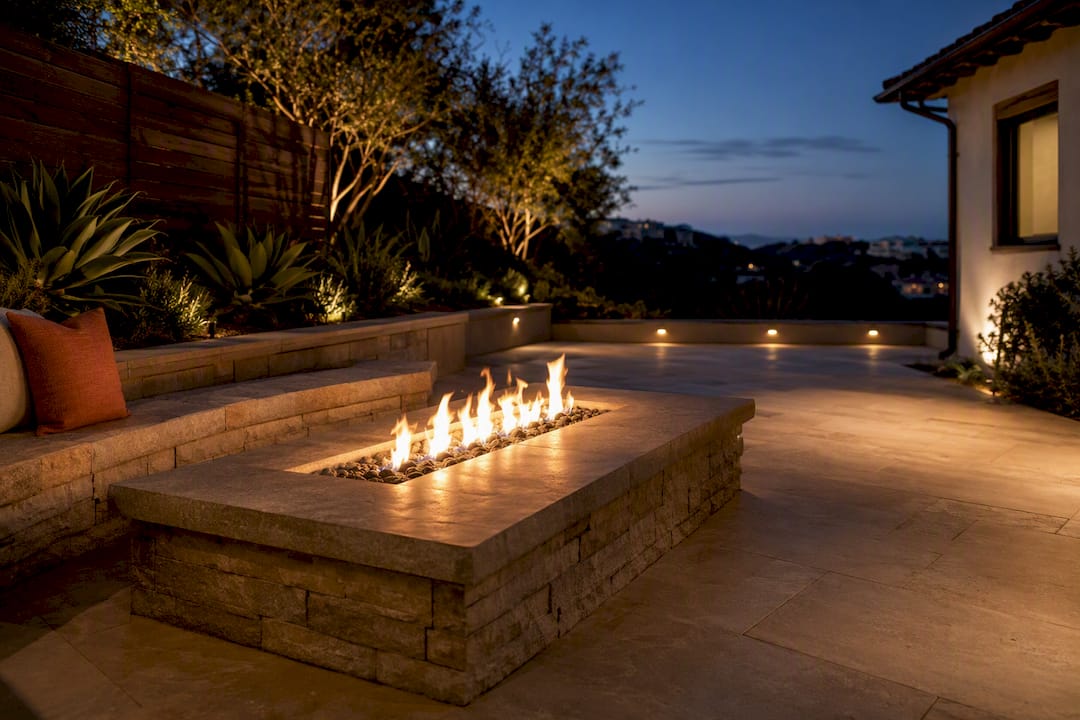
  • Reduced Maintenance: A sealed driveway is simply easier to clean. Dirt, debris, and grime don't adhere as readily, meaning less time spent scrubbing and more time enjoying your meticulously designed outdoor space, perhaps around a beautiful Fire Features installation.
  • Increased Property Value: A well-maintained driveway is a clear indicator of a homeowner who cares about their property. This translates directly into higher perceived value, which is a powerful asset if you're ever considering selling. Our team regularly advises clients on improvements that yield the best ROI.

The Nuance of Sealers: Types and Their Applications

Understanding what does driveway sealing do also means grasping the different types of sealers available, as each serves a specific purpose for different materials. We work predominantly with concrete and pavers, so our focus tends to be on those specific solutions. While asphalt driveways commonly use coal tar or asphalt emulsion sealers, concrete and paver applications demand a more nuanced approach. Here's a brief overview of what we typically recommend and utilize:

Acrylic Sealers: These are incredibly versatile, offering excellent UV resistance and a range of finishes from matte to high-gloss. They create a durable, protective film on the surface, enhancing color and preventing staining. We often recommend acrylics for their aesthetic appeal and robust protection for Concrete SAN Diego projects.

Penetrating Sealers (Silane/Siloxane): Unlike film-forming sealers, these penetrate deep into the concrete or paver pores, reacting chemically to create a hydrophobic barrier. They don't change the surface's appearance or texture, which is ideal if you want a natural look while still getting exceptional water repellency and freeze-thaw protection. These are critical for preventing sub-surface damage, a common issue we tackle.

Urethane Sealers: Known for their superior durability and abrasion resistance, urethane sealers are often used in high-traffic commercial applications but are gaining traction for residential use due to their long lifespan. They offer exceptional protection against chemicals and wear, though they can be more challenging to apply.

Choosing the right sealer is paramount. Our team evaluates your driveway's material, its current condition, and your desired outcome (e.g., color enhancement, natural look, maximum durability) to recommend the most suitable product. It’s never a one-size-fits-all situation.

Comparison: Common Driveway Sealer Types

Sealer Type Best For Key Benefits Finish Options Typical Lifespan (Years)
Acrylic Concrete, Pavers Color enhancement, UV resistance, stain protection Matte, semi-gloss, high-gloss 1-3
Penetrating Concrete, Pavers (natural look desired) Water repellency, freeze-thaw protection, no change in appearance Invisible, natural 5-10
Urethane Concrete, Pavers (high traffic/durability) Superior abrasion & chemical resistance, longevity Clear, matte, gloss 5-15
Asphalt Emulsion Asphalt Replenishes binders, UV protection, black finish Matte 1-3

The Sealing Process: More Than Just Rolling It On

Understanding what does driveway sealing do also means appreciating the meticulous process involved. It's far more intricate than simply grabbing a bucket and a roller. A professional sealing job ensures maximum efficacy and longevity. Our team follows a rigorous protocol to guarantee impeccable results, reflecting the same attention to detail we apply to crafting exquisite Outdoor Kitchens SAN Diego or installing pristine Artificial Turf SAN Diego.

  1. Thorough Cleaning: This is the most critical step, truly. Any dirt, debris, oil, or existing loose sealer must be removed completely. We use commercial-grade pressure washing equipment and specialized degreasers to ensure a pristine surface. If the surface isn't clean, the sealer won't adhere properly, rendering the entire effort moot. We can't stress this enough: preparation dictates outcome.
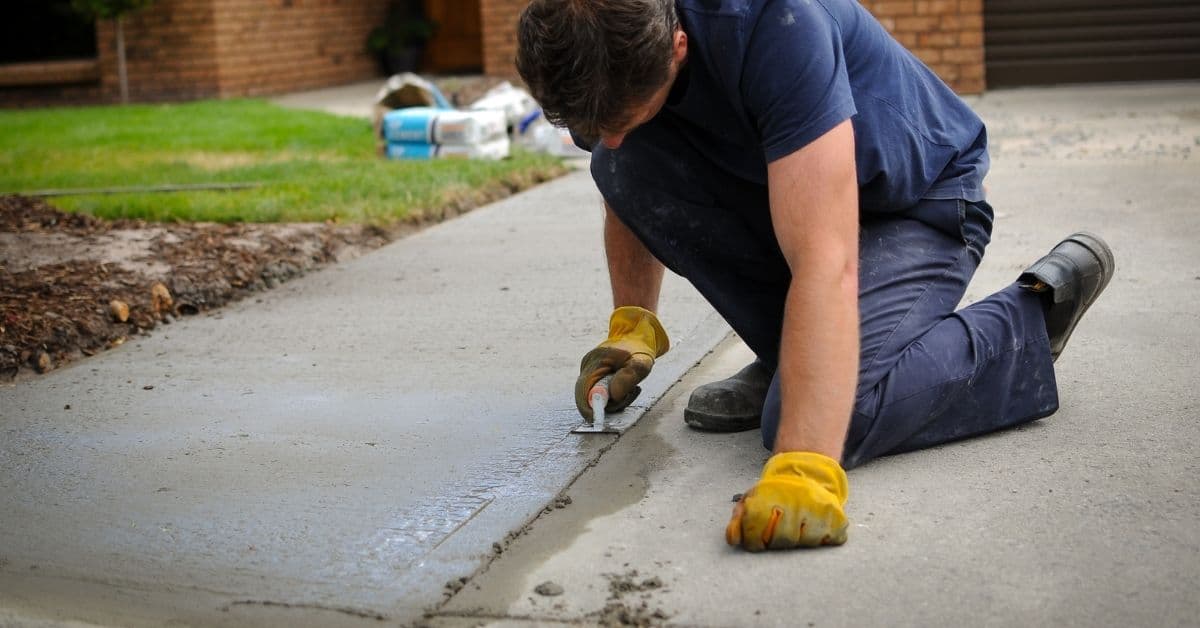
  2. Crack Repair: Before sealing, any existing cracks or potholes must be repaired. For concrete, this might involve patching or using specialized crack fillers. For asphalt, hot-pour crack sealants are often employed. Ignoring cracks means water will still find its way in, undermining the sealer's protective qualities.
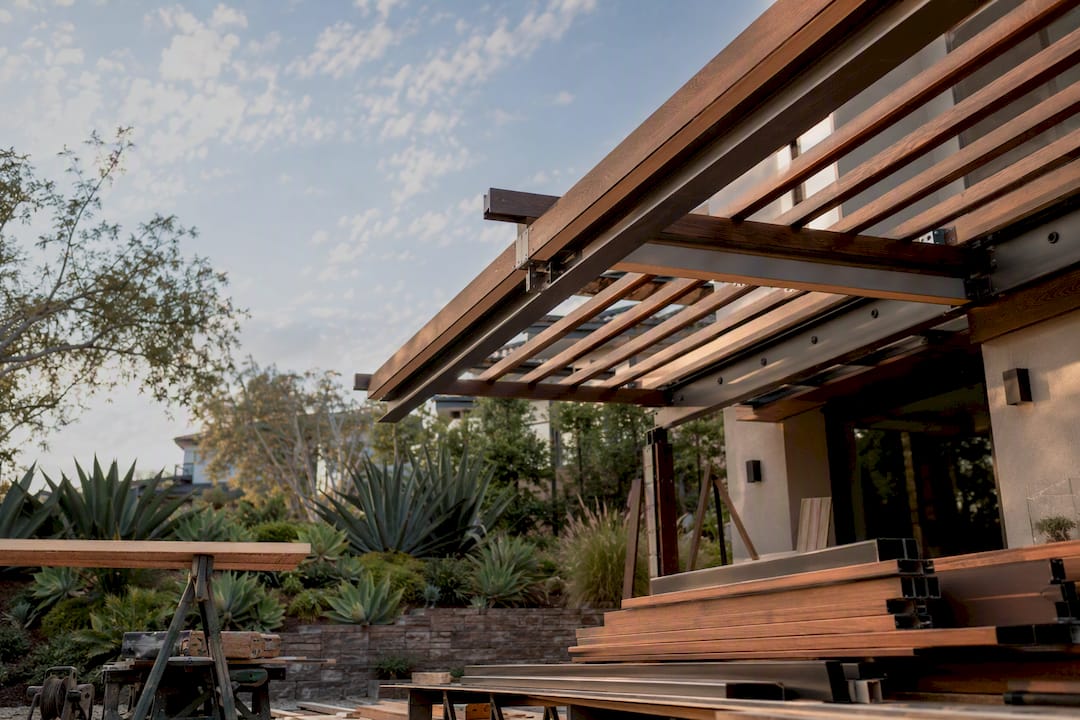
  3. Edging and Protection: We take great care to protect adjacent landscaping, walls, and other surfaces from overspray. Taping off edges and covering nearby plants is standard procedure. We're meticulous about preserving the entire outdoor environment we help you create, whether it's around a custom Pools AND Spas setup or a cozy Patio Covers Pergolas SAN Diego.
  4. Application: The sealer is applied evenly, typically in two thin coats, using sprayers, brushes, or rollers. The technique depends on the sealer type and surface. Uniform coverage is key to avoid streaks, puddles, and uneven protection. Drying times vary, and we always ensure adequate curing before allowing traffic.
  5. Curing Time: This is often underestimated. While a driveway might feel dry to the touch relatively quickly, it needs several days, sometimes even a week, for the sealer to fully cure and achieve its maximum protective properties. We provide clear instructions on when it's safe to resume vehicle traffic.

When to Seal: Timing is Everything

Knowing what does driveway sealing do is only half the battle; knowing when to do it is equally important. For new concrete or paver driveways, we generally recommend waiting a minimum of 30 days, or even up to 90 days, to allow for proper curing. Sealing too soon can trap moisture, leading to issues. For existing driveways, the consensus by 2026 is that a sealing application every 2-3 years is ideal for most residential properties. However, factors like traffic volume, climate severity, and the type of sealer used can influence this frequency.

Our team always conducts a thorough assessment of your driveway's condition to provide a tailored recommendation. We look for signs of wear: fading, minor cracking, surface erosion, or a general dullness. These are all indicators that your driveway is crying out for protection. Don't wait until significant damage occurs; proactive maintenance is always the more cost-effective strategy.

The Modern Yardz Difference: Professional Expertise You Can Trust

While some homeowners consider driveway sealing a DIY project, our experience shows that professional application yields vastly superior results and avoids common pitfalls. Uneven application, improper cleaning, using the wrong sealer, or failing to address repairs beforehand can actually do more harm than good. That's why we champion professional expertise.

When you partner with Modern Yardz, you're not just getting a service; you're leveraging decades of collective knowledge in outdoor space creation and maintenance. We understand the specific challenges and nuances of various materials and climates. Our crew is trained in the latest application techniques and uses only high-quality, durable sealers designed for long-term performance. We take the guesswork out of it.

We're deeply committed to transforming and maintaining outdoor spaces, ensuring every element, right down to your driveway, reflects quality and care. From initial Landscape Design SAN Diego consultations to the final touches of a perfectly sealed surface, our goal is to bring your vision to life and ensure it endures. What does driveway sealing do for us? It allows us to deliver on that promise of lasting beauty and functionality.

We encourage you to explore our full range of services on our website and see how we can help you create an outdoor oasis that stands the test of time. A well-maintained driveway is a silent testament to a well-cared-for home.

FAQs About Driveway Sealing

  • How often should I seal my driveway?
    We generally recommend sealing your driveway every 2-3 years. However, this can vary based on the type of material, traffic volume, and local weather conditions. Our team can assess your specific situation and provide a precise recommendation.

  • What does driveway sealing do for concrete versus asphalt?
    For concrete, sealing primarily prevents water penetration, staining, and freeze-thaw damage. For asphalt, it rejuvenates the surface by replenishing lost binders, preventing oxidation, and reducing cracking. Both materials benefit from enhanced aesthetics and extended lifespan.

  • Can I seal my driveway myself, or should I hire a professional?
    While DIY kits are available, professional sealing ensures proper surface preparation, even application, and the use of commercial-grade sealers. Our experience shows that professional application leads to superior, longer-lasting results and prevents costly mistakes.

  • How long after sealing can I drive on my driveway?
    The curing time varies significantly depending on the type of sealer and weather conditions. Typically, we advise waiting at least 24-48 hours for light foot traffic and 3-7 days before allowing vehicle traffic. We'll give you specific guidance for your project.

  • Does driveway sealing prevent weeds from growing in cracks?
    Yes, for paved driveways, sealing helps to lock in the jointing sand, which inhibits weed growth between pavers. For concrete and asphalt, repairing cracks before sealing prevents weeds from taking root in those vulnerable areas.

  • What's the best time of year to have my driveway sealed?
    Warm, dry weather is ideal for driveway sealing. Temperatures should generally be above 50°F (10°C) and no rain should be expected for at least 24-48 hours after application. This ensures proper curing and adhesion.

  • Will sealing change the color of my concrete or pavers?
    Some sealers, particularly acrylics, can enhance the existing color of concrete or pavers, often giving them a richer, 'wet look.' Penetrating sealers, however, are designed to be invisible and won't alter the surface's appearance. We'll discuss these options with you.

  • What if my driveway has existing stains or oil spots?
    Before sealing, all stains and oil spots must be thoroughly cleaned using specialized degreasers and pressure washing. If these aren't completely removed, the sealer won't adhere properly in those areas, potentially trapping the stains underneath.

  • Is driveway sealing an environmentally friendly process?
    Many modern driveway sealers are formulated with environmental considerations in mind, using low VOC (Volatile Organic Compound) materials. We prioritize using high-quality products that are effective while also being responsible. We can discuss specific product compositions.

  • How long does the sealing process typically take?
    The duration depends on the size and condition of your driveway. Preparation, including cleaning and crack repair, often takes the most time. The actual application of sealer is quicker, but then there's the crucial curing period. A typical residential driveway might take a day of active work, plus drying time.

  • Does sealing improve the traction of my driveway?
    Some sealers can slightly improve surface traction, particularly those with a matte finish or added anti-slip aggregates. However, it's not their primary function. We can discuss options if enhanced traction is a significant concern for you.

  • Will sealing hide existing damage on my driveway?
    Sealing helps to protect against future damage and can make minor imperfections less noticeable by evening out the surface color. However, it won't repair significant cracks, potholes, or structural issues. Those must be addressed before sealing for best results.

  • What are the signs that my driveway needs sealing?
    Look for fading color, visible cracks, a dull or chalky appearance, oil stains that are hard to remove, or aggregate exposure. If water soaks into the surface instead of beading up, it's definitely time to consider sealing.

  • How does driveway sealing affect my property's value?
    A well-maintained, freshly sealed driveway significantly enhances your home's curb appeal and suggests a diligent homeowner. This positive impression can translate into higher perceived property value and a quicker sale if you decide to list your home.

Keeping your driveway in prime condition is a strategic move for any homeowner. It's an investment that pays dividends in longevity, appearance, and overall property value. Understanding what does driveway sealing do is the first step towards ensuring your outdoor spaces, meticulously designed or simply functional, maintain their integrity and beauty for many years to come, long past 2026. We're here to help you protect that critical part of your home's welcoming embrace. Ready to discuss your driveway's future? We invite you to BOOK MY FREE CONSULTATION and let our experts guide you.

Recent Posts

Got Questions?

Frequently Asked Questions. Here are some common questions. Find the answers you're looking for below.

How does What Does Driveway Sealing Do work?

What Does Driveway Sealing Do works by combining proven methods tailored to your needs. Contact us to learn how we can help you achieve the best results.

What are the benefits of What Does Driveway Sealing Do?

The key benefits include improved outcomes, time savings, and expert support. We can walk you through how What Does Driveway Sealing Do applies to your situation.

Who should consider What Does Driveway Sealing Do?

What Does Driveway Sealing Do is ideal for anyone looking to improve their results in this area. Our team can help determine if it's the right fit for you.

Pricing for What Does Driveway Sealing Do varies based on your specific requirements. Get in touch for a personalized quote.

What results can I expect from What Does Driveway Sealing Do?

Results from What Does Driveway Sealing Do depend on your goals and circumstances, but most clients see measurable improvements. We're happy to share case examples.