How to Build a Patio Cover | DIY Patio Roof Construction for Long-Term Value
Here are some of the most popular options you can consider for your home: - Pergola: This classic structure features an open, slatted roof that provides pa
Here are some of the most popular options you can consider for your home:
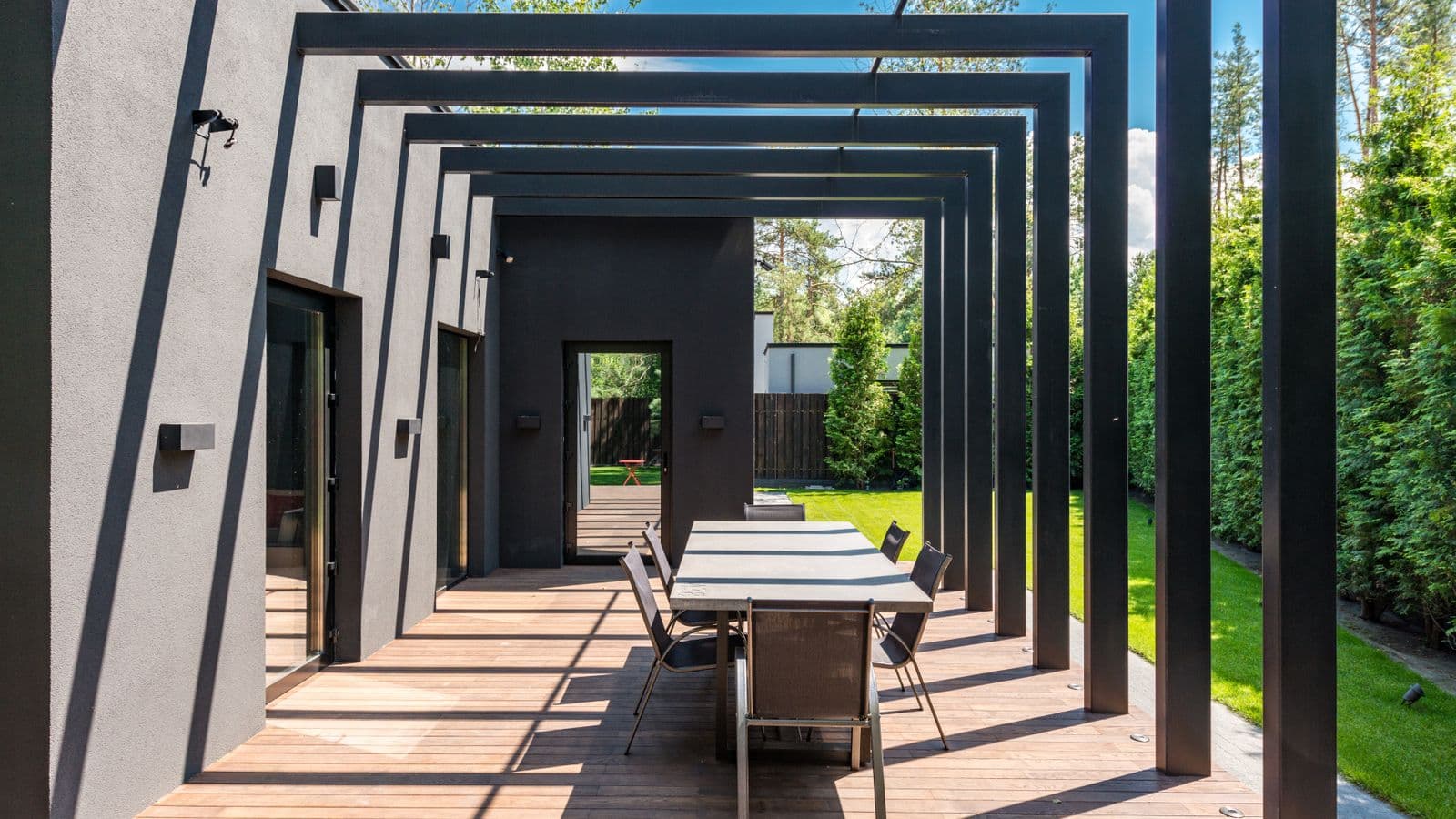
- Pergola: This classic structure features an open, slatted roof that provides partial shade while still allowing sunlight to filter through. Pergolas are great for supporting climbing plants and creating a distinct visual element in your yard.
- Solid Roof: This type of patio cover offers full protection from both sun and rain. It essentially extends your home's roofline, creating a true outdoor room. If you are constructing a patio roof to provide a completely weatherproof space, this solid style is a fantastic choice.
- Retractable: For those who want flexibility, a retractable patio cover is a modern and practical option. These covers can be opened and closed as needed, giving you the power to choose between sun and shade.
- Louvered: These covers have adjustable slats that can be tilted to control the amount of sun and air that passes through. This is a great choice for a stylish and functional design.
The type you choose should reflect your lifestyle and how you plan to use the space. Our team at Modern Yardz has a lot of experience designing and constructing these types of patio covers. We can help you pick the perfect one for your home and create a beautiful and functional outdoor area.
The right patio cover can truly transform your backyard, and we are here to help you get started on your project. Whether you want to take on the challenge yourself or hire a professional, understanding your options is key. Building a patio cover is a project that can add significant value to your home. If you want to see some examples of our completed work, take a look at our patio covers and pergolas portfolio. We also offer professional landscape design services to ensure your entire outdoor area is cohesive and beautiful. Our team at Modern Yardz is dedicated to quality craftsmanship in every project. We can handle everything from the initial design to the full build process, making it a stress-free experience for you. For more information about our services or to discuss your specific needs, feel free to contact us today.
What Materials Are Best for Constructing a Patio Roof?
Choosing the best materials for constructing a patio roof is essential for both the durability and the appearance of your new outdoor space. The material you select for the frame and the roof will determine how long it lasts and how much maintenance it requires. Here are the best materials for building a patio cover:
Frame Materials:
- Wood: A very popular choice for its natural beauty and classic look. Cedar and redwood are great options because they are naturally resistant to rot and pests. While wood requires some maintenance, like staining or painting, it offers a timeless aesthetic that many homeowners love.
- Aluminum: Lightweight, durable, and resistant to rust, aluminum is a great choice for a sturdy yet modern structure. It comes in a variety of finishes, so you can easily match it to your home's exterior and requires very little maintenance.
- Vinyl: Another fantastic low-maintenance option that is resistant to fading and rotting. It's a great choice for someone who wants a pristine-looking cover without the work of regular painting.
Roofing Materials:
- Polycarbonate panels: These are durable and allow light to pass through, creating a bright and airy feel. They also block harmful UV rays.
- Corrugated metal: A great choice for a more industrial or rustic look. It is very durable and provides complete protection from the elements.
- Shingles: If you want your patio cover to seamlessly match your home, shingles are a perfect choice. They provide a cohesive look and offer excellent weather protection.
At Modern Yardz, we know that selecting the right materials is crucial for a successful project. Our team is expert at building a patio cover that stands the test of time. You can see some of our completed work in our build portfolio. We also work with other materials to create stunning outdoor spaces, like our beautiful pavers for patios and walkways. We are committed to using the best materials and techniques for every single job. When you are constructing a patio roof, you want it to last. That’s why we take so much pride in our work. To learn more about our material options or to discuss your project, please contact us today.
Do I Need a Permit to Build a Patio Cover at Home?
This is one of the most important questions you can ask before starting a new home improvement project, and the answer for how to build a patio cover is almost always yes. A permit is a legal document from your local government that gives you permission to proceed with a construction project. It's not just a formality; it’s a crucial step that ensures your new structure is safe and up to code. Most cities and counties require permits for structures like patio covers to ensure they are built to a certain standard and do not pose a danger to you or your neighbors. The rules can vary depending on where you live, and it’s important to check your local building codes before starting any work. In the City of San Diego, that means San Diego Municipal Code §129.0203, which sets out exactly which structures are exempt from a building permit.
Here are some reasons why a permit is so important:
- It ensures the foundation, structural integrity, and materials are all safe.
- It helps you avoid fines from the city or county.
- It prevents issues when you try to sell your home, as unpermitted structures can cause problems with appraisals and inspections.
- It ensures your project adheres to local zoning and setback regulations.
The process of getting a permit often involves submitting detailed plans and designs for your project. This can be time-consuming and complicated if you are not familiar with the requirements. A permit is a key part of building a patio cover correctly and legally. Failing to get a permit can lead to serious problems down the line, including having to tear down the structure. It’s always better to take the time to do things right from the start. This is a point that our team at Modern Yardz emphasizes with all our clients.
When you hire a professional company like Modern Yardz to build your patio cover, we handle all the paperwork for you. Our team is familiar with local codes and regulations, so we take care of getting all the necessary permits. This takes the stress and guesswork out of the process, allowing you to focus on enjoying your beautiful new outdoor space. We want to make sure your project is not only beautiful but also safe and compliant. We can help you with the entire build process, including getting the permits. We even have flexible financing options to help you afford the perfect patio cover. If you have any questions about permits or our services, please don't hesitate to contact us today. Our team at Modern Yardz is ready to help you with your project and ensure everything is done correctly and safely.
How Do I Attach a Patio Cover to an Existing House Structure?
Attaching a new patio cover to your existing house is a critical step in building a patio cover, as it ensures the structure is secure and safe. The most common and professional method for this is to use a ledger board. This is a sturdy piece of lumber, often a 2x10 or 2x12, that is securely fastened to the house's exterior wall. Before you even think about attaching the ledger board, you must remove the siding from the area where it will be mounted. This allows the ledger board to be fastened directly to the house's framing, which provides the necessary strength and stability for constructing a patio roof.
Once the siding is removed, you must find the house's studs or rim joist, which is the structural wood behind the wall sheathing. Using a ledger board attached directly to the framing is essential for safely supporting the weight of the patio cover. You will attach the ledger board with lag screws or structural screws, spacing them evenly to ensure a strong connection. It's a good idea to apply flashing above the ledger board to prevent water from seeping behind the new structure and into your home. Flashing is a thin material, typically metal, that diverts water away from the connection point. This step is crucial for preventing water damage and mold growth. After the ledger board is securely in place and flashed correctly, you can begin attaching the patio cover's rafters to it using joist hangers, which provide a strong, stable connection for the new patio roof. If you are unsure about any of these steps, it is best to consult with a professional. Our team at Modern Yardz has extensive experience in building a patio cover, and we can handle every aspect of the installation for you.
When you're building a patio cover, ensuring it's properly attached to the house is a complex part of the process, but it's a step that cannot be overlooked. For a secure and reliable patio roof, we recommend a professional approach. Modern Yardz offers complete build services, where we take care of all the structural details, including the proper attachment to your home. We guarantee a safe and long-lasting patio cover. You can browse our build portfolio to see examples of our quality work. To learn more about our services, please contact us today.
How Much Does It Cost to Build a Patio Cover Yourself?
The cost of a DIY patio cover can vary quite a bit, depending on a few key factors. When you're trying to figure out how to build a patio cover on a budget, the biggest expense will almost always be the materials. You can expect to spend anywhere from $1,500 to $8,000 or more on lumber, roofing materials, hardware, and fasteners. The final price depends on the size of the cover and the quality of the materials you choose. For instance, using a premium wood like cedar will cost more than a standard pine. The cost of constructing a patio roof also depends on the roofing material you select, with corrugated metal generally being less expensive than shingles or insulated panels.
Another factor to consider in the cost of building a patio cover is the tools you'll need. If you don't already own tools like a miter saw, circular saw, drill, and a ladder, you'll need to either purchase or rent them. These costs can add up quickly. You may also have to pay for a permit, which is often required for any permanent structure like a patio cover. Permit fees can range from a few hundred dollars to over a thousand, depending on your location and the project's size. By managing the project yourself, you save on labor costs, which can be the most significant portion of a professional installation. However, you'll need to weigh the potential savings against the time and effort required to do the job correctly and safely. When you choose to do a DIY project, you are responsible for every detail, which can be a lot to handle.
While a DIY approach can be more affordable upfront, it's essential to consider the potential for costly mistakes. We at Modern Yardz understand that building a patio cover is a major financial decision. Our professional services ensure the project is done right the first time, saving you from the hassle and potential expense of fixing mistakes. We also offer flexible financing options to help make your dream a reality without breaking the bank. Our team is committed to providing a high-quality product that adds long-term value to your home. We can also help with other projects like installing new pools and spas to make your backyard a complete oasis. To see how we can bring your vision to life, check out our design portfolio and get in touch with our team.
What Are Common Mistakes to Avoid When Building a Patio Cover?
Even a confident DIYer can run into problems when taking on a project like building a patio cover. Avoiding common mistakes is a key part of how to build a patio cover successfully. A common mistake is failing to secure the necessary permits. As we mentioned, a permit is usually required for any permanent structure. Building without one can lead to costly fines or even the forced removal of your new cover. Another common pitfall is not correctly attaching the ledger board to the house's framing. Attaching it to just the siding or sheathing is a recipe for disaster, as the structure will not be able to support the weight of the patio roof. This can lead to a dangerous collapse, so it’s essential to be very precise with this step.
Another frequent error is underestimating the importance of proper drainage. Water management is critical for constructing a patio roof that will last. If the roof is not sloped correctly, water can pool, leading to leaks and structural damage over time. You should ensure a minimum slope of a quarter inch per foot for proper water runoff. Failing to use pressure-treated lumber for any part of the structure that touches the ground or concrete is another mistake. Untreated wood will quickly rot when exposed to moisture. A final common mistake is using low-quality materials. While it may save you money in the short term, using cheap materials will often result in a cover that needs to be replaced much sooner. For a patio roof that lasts, it is worth investing in quality materials.
Modern Yardz has seen and corrected many of these mistakes. Our expertise in building a patio cover means we can help you avoid them from the very start. We handle all the permits and ensure the structural integrity of your new cover. Our team uses only high-quality materials to guarantee a durable and beautiful result. If you are constructing a patio roof and want to avoid these common mistakes, our professional services are the solution. We offer a full range of services to meet your needs, including the installation of pavers, which can create a stunning base for your new cover. We can also help you design a beautiful space with professional landscape design. To learn more about how Modern Yardz can help you with your project, contact us today.
Start Your Free Design Consultation
Tell us about your project and we'll be in touch within 24 hours. No pressure, no obligation.
Common questions
- How much does it cost to build a patio cover yourself?
- Expect $1,500 to $8,000 or more for materials like lumber, roofing, hardware, and fasteners, depending on size and quality. Permit fees add a few hundred to over a thousand dollars, based on location and project size. Budget for tools too: a miter saw, circular saw, drill, and ladder, which cost more if bought or rented.
- Do I need a permit to build a patio cover at home?
- Almost always yes. Most cities and counties require permits for patio covers to confirm the foundation, structural integrity, and materials are safe and up to code. A permit also helps you avoid fines and prevents problems when selling your home, since unpermitted structures cause issues with appraisals and inspections. Check your local building codes first.
- How do I attach a patio cover to my existing house?
- Use a ledger board, a sturdy 2x10 or 2x12, fastened directly to the house framing after removing the siding. Attach it to the studs or rim joist with lag or structural screws, then apply flashing above it to prevent water damage. Finally, connect the rafters using joist hangers for a strong, stable connection.
- What materials are best for building a patio cover?
- For the frame, wood (rot-resistant cedar or redwood), aluminum, and vinyl are top choices. Aluminum and vinyl are low-maintenance, while wood needs staining or painting. For roofing, polycarbonate panels let light through and block UV rays, corrugated metal suits an industrial or rustic look, and shingles match your home's existing roof.
- What common mistakes should I avoid when building a patio cover?
- Don't skip permits, since building without one risks fines or forced removal. Never attach the ledger board to just the siding or sheathing; fasten it to the framing, or the structure can collapse. Ensure proper drainage with a minimum slope of a quarter inch per foot, use pressure-treated lumber near ground or concrete, and avoid low-quality materials.
Ready to design your dream yard?
Tell us about your project. We'll send back a real plan, not a templated quote.
Book My Free Consultation→