
Native Plants and the Luxury Landscape: A Design Guide
Discover the role of native plants in luxury landscapes. Save water, reduce maintenance, and create beautiful, eco-friendly outdoor spaces.
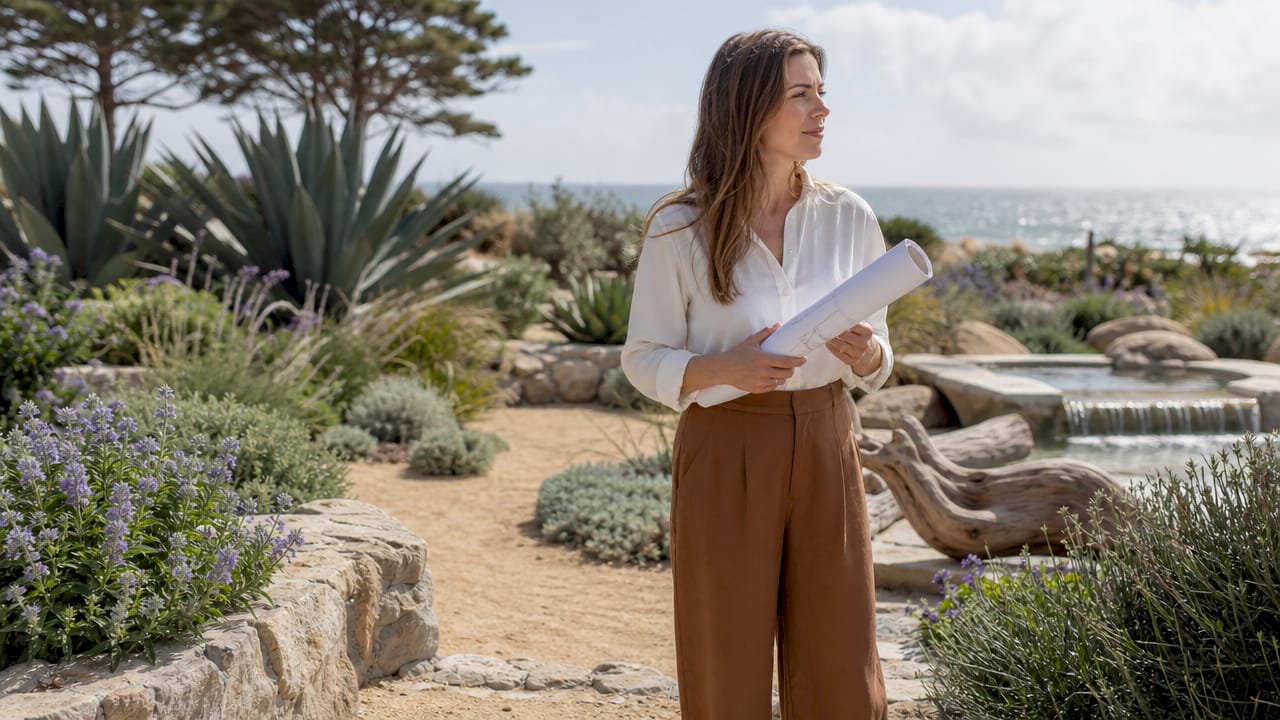
Native plants are defined as species that evolved naturally in a specific region and have adapted to its soils, rainfall patterns, and climate without human intervention. The role of native plants in a luxury landscape goes far beyond environmental responsibility. These plants deliver measurable water savings, reduce long-term maintenance demands, and create ecologically rich outdoor environments that reflect the character of the land itself. For San Diego homeowners with properties in La Jolla, Rancho Santa Fe, or Del Mar, integrating native flora into a refined design is one of the most architecturally and financially sound decisions you can make.
How do native plants enhance environmental sustainability in luxury landscapes?
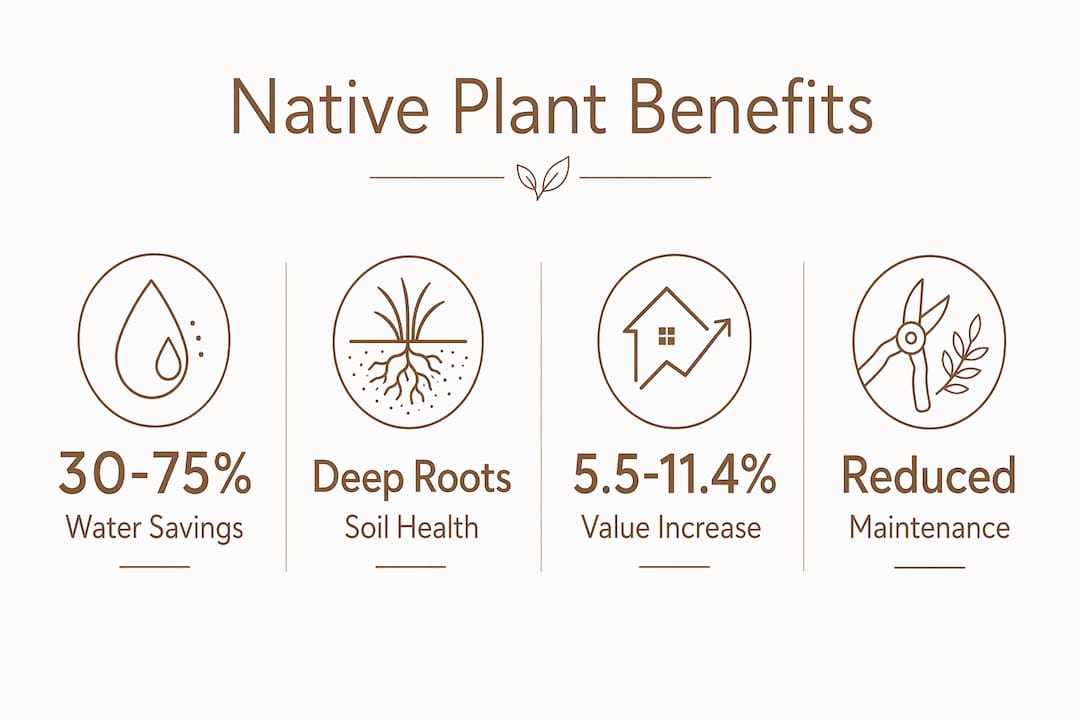
Native plants reduce water consumption by 30%–75% compared to traditional turf-heavy designs. That reduction is not a rounding error. It represents thousands of gallons per year on a large San Diego estate, and it comes without sacrificing visual impact.
The environmental benefits extend well below the soil surface. Native plant root systems grow significantly deeper than those of conventional turf or ornamental species. Those deep roots stabilize soil, prevent erosion, and improve water infiltration during heavy rain events. On sloped properties common in Rancho Santa Fe and Carmel Valley, this structural function protects the land itself.
Biodiversity is another concrete benefit. Native plant gardens support pollinators at six times the rate of non-native plantings. That figure reflects the co-evolutionary relationship between native flora and local insects, birds, and other wildlife. A property planted with California sagebrush, toyon, and native bunch grasses becomes a functioning habitat, not just a decorative surface.
Key environmental functions native plants deliver:
- Water cycle support: Deep roots improve soil porosity and reduce stormwater runoff, which protects drainage infrastructure and neighboring properties.
- Nutrient cycling: Native plants feed soil microbes that break down organic matter naturally, reducing the need for synthetic fertilizers.
- Microclimate regulation: Dense native plantings moderate surface temperatures, which reduces heat load on adjacent hardscape and structures.
- Habitat connectivity: A well-planted native garden links to surrounding open space, supporting wildlife corridors in coastal and inland San Diego communities.
Pro Tip: Pair native groundcovers like Ceanothus or Salvia with a [well-designed drainage system](https://modernyardz.com/blogs/backyard-landscape-drainage-solutions-that-actually-work) to maximize water infiltration and protect your hardscape investment long-term.
Luxury landscape design is evolving toward regenerative models where biophilic vegetation regulates microclimates without heavy mechanical systems. Native plants are the foundation of that model.
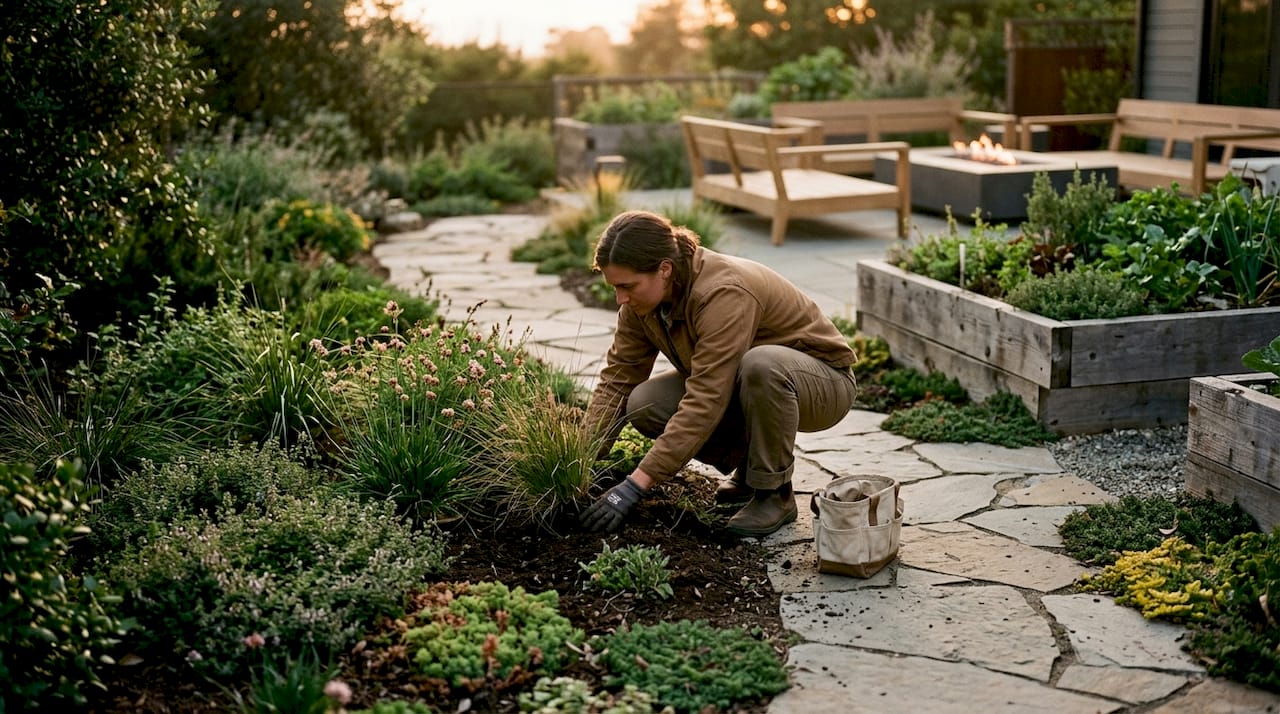
What design strategies achieve a luxury aesthetic with native plants?
The most common misconception about native plant landscaping design is that it looks wild or unfinished. The truth is the opposite. A luxury appearance depends on deliberate structural design elements: clean lines, symmetrical layouts, and high-quality hardscape integration. Native plants placed within that framework read as intentional and refined.
Architectural plants carry the most visual weight in upscale native gardens. Agaves, with their geometric rosette forms, function as living sculpture. Tall native grasses like Muhlenbergia rigens create movement and texture without requiring irrigation after establishment. Succulents native to the Baja California region pair naturally with travertine pavers and natural stone walls, creating a material palette that feels cohesive and site-specific.
Pairing native plants with high-end materials such as stone pathways, elegant lighting, and water features elevates their natural beauty without sacrificing environmental responsibility. This is the design principle that separates a luxury native garden from a casual one. The plants are the same. The execution is entirely different.
Effective design strategies for native plants in upscale gardens:
- Defined edges: Use steel edging, stone borders, or precision-cut paver bands to give planting beds a structured boundary. Clean edges signal control and craftsmanship.
- Layered planting: Arrange plants in three height tiers: groundcover, mid-story shrubs, and canopy or specimen plants. This creates depth and visual complexity.
- Focal point specimens: Place a single dramatic plant, such as a mature agave or a sculptural toyon, at sightlines from the home's main windows or entry points.
- Sensory elements: Native plants like Cleveland sage and black sage release fragrance when brushed. Positioning them along pathways creates an experience that purely visual design cannot replicate.
- Lighting integration: Low-voltage uplighting on architectural specimens and path lighting along native groundcover plantings extend the garden's visual impact into evening hours.
Pro Tip: When reviewing your [luxury landscape design process](https://modernyardz.com/blogs/landscape-design-process-steps-a-luxury-homeowners-guide), ask your designer to show native plant selections in a 3D rendering before construction begins. Seeing the mature scale of agaves or ornamental grasses in context prevents costly revisions later.
The goal is not to make native plants look like something they are not. The goal is to design a setting where their natural form reads as the intended aesthetic choice.
What maintenance advantages do native plants offer after establishment?
Native plants require a 1–2 year establishment period where supplemental irrigation and some monitoring are needed. After that period, maintenance demands drop substantially. This timeline is the single most important expectation to set before installation begins.
The long-term savings are concrete. Native landscapes cost roughly $200 per 1,000 square feet annually compared to $400 for traditional ornamental beds, cutting maintenance costs by approximately 50%. On a large San Diego property with extensive planting areas, that difference compounds significantly over five to ten years.
Transitioning from conventional to native plant maintenance requires a shift in approach:
- Reduce irrigation gradually during the first fall and winter after planting, allowing roots to seek moisture independently as the rainy season begins.
- Eliminate synthetic fertilizers after the first growing season. Native plants adapted to San Diego's lean, well-drained soils do not benefit from high-nitrogen inputs and can be harmed by them.
- Switch to organic mulch applied at 2–3 inches depth. Mulch retains soil moisture, suppresses weeds, and feeds the soil biology that native plants depend on.
- Reduce pesticide use to zero for established plantings. Native plants co-evolved with local insects. The pest pressure that plagues non-native ornamentals rarely affects well-chosen native species.
- Practice regenerative soil management. Regenerative landscaping focuses on building soil biology through compost topdressing and biological inoculants rather than synthetic inputs. Healthy soil biology is the foundation of a low-maintenance native garden.
Pro Tip: Schedule a soil biology assessment before planting. Compacted or chemically depleted soils common in established San Diego properties may need organic amendment to give native plants the best start.
Sustainable landscapes aim to reduce harm. Regenerative landscapes actively improve soil biology and ecological function, creating a compounding asset that enhances water retention and plant resilience over time. That distinction matters for homeowners who view their property as a long-term investment.
How do native plants affect property value and market appeal?
High-quality native landscape projects increase property market value by 5.5%–11.4% and reduce time on market by up to six weeks. For a $3M San Diego property, a 5.5% value increase represents $165,000. That return exceeds the cost of most full native landscape installations.
Buyer preferences have shifted. Younger high-net-worth buyers, particularly those in the 38–55 age range, actively seek properties with sustainable, low-maintenance outdoor settings. A well-executed native garden signals that the homeowner is engaged, ecologically aware, and has invested in the property's long-term performance. That perception translates directly into offers. Research on landscaping and home value consistently shows that outdoor environments with clear design intention command premium pricing.
| Landscape type | Annual maintenance cost per 1,000 sq ft | Pollinator support | Market value impact |
|---|---|---|---|
| Traditional turf and ornamentals | ~$400 | Baseline | Neutral |
| Native plant design | ~$200 | 6x greater | +5.5%–11.4% |
Presenting a native landscape as polished and intentional requires the same attention to detail as any other luxury finish:
- Photography matters. Shoot the garden in peak bloom, typically spring in San Diego, when native wildflowers and flowering shrubs are at their most dramatic.
- Provide a plant guide. A laminated or digital guide listing each species, its ecological role, and its care requirements signals sophistication to prospective buyers.
- Highlight the hardscape integration. Buyers respond to the combination of premium full-yard hardscape and native planting. The contrast between structured stone and organic plant forms is visually compelling and architecturally credible.
Key Takeaways
Native plants in a luxury landscape deliver measurable returns in water savings, maintenance reduction, biodiversity, and property value when paired with intentional design and premium hardscape materials.
| Point | Details |
|---|---|
| Water savings are substantial | Native plants reduce irrigation demand by 30%–75% compared to conventional turf designs. |
| Establishment takes 1–2 years | Supplemental care is needed initially, but long-term maintenance costs drop by roughly 50% after establishment. |
| Design execution determines luxury | Clean edges, layered planting, and architectural specimens make native gardens read as refined, not wild. |
| Property value increases measurably | Well-executed native landscapes add 5.5%–11.4% to market value and reduce selling time by up to six weeks. |
| Regenerative soil management is the foundation | Building soil biology through organic inputs sustains native plants and reduces chemical dependency permanently. |
Native plants are not a trend. They are the future of serious luxury design.
I have watched the luxury landscape industry in San Diego shift over the past decade. The clients who once wanted wall-to-wall turf and imported Italian cypress are now asking about California natives, pollinator corridors, and soil health. That shift is not driven by environmental guilt. It is driven by experience. Homeowners who installed native landscapes five or six years ago are now watching their neighbors spend thousands on irrigation repairs and fertilizer programs while their own gardens require almost nothing.
The misconception I still hear is that native plants are a compromise. That you sacrifice beauty for sustainability. That is simply wrong. The most visually striking properties I have seen in La Jolla and Rancho Santa Fe use native agaves, ornamental grasses, and flowering sages as their primary design elements. The plants are extraordinary. The design is what makes them luxury.
The pitfall I see most often is impatience during the establishment phase. Homeowners plant in october, see slow growth through winter, and question the decision. Native plants are building root systems during that period. The above-ground growth comes later, and when it does, it is vigorous and self-sustaining. Understanding that timeline prevents the most common mistake: abandoning a native planting before it has had the chance to perform.
The future of luxury landscaping is regenerative. Properties that function as living ecosystems, not just decorated surfaces, will hold their value and their beauty far longer than any conventional design. Native plants are the mechanism that makes that possible.
— Thomas Jackson
Modern Yardz brings native plant expertise to San Diego luxury properties
Modern Yardz has completed 2,900+ luxury landscape projects across San Diego County, including properties in Del Mar, La Jolla, Rancho Santa Fe, and Coronado. Every project begins with photo-realistic 3D renderings so you see exactly how native plantings integrate with stone, water features, and architectural structures before construction starts. One team manages the entire process from design through final installation, with zero subcontractor handoffs and a single point of contact throughout. If you are ready to build a luxury landscape in San Diego that performs ecologically and looks exceptional, schedule a free consultation with Modern Yardz today.
FAQ
What is the role of native plants in a luxury landscape?
Native plants provide water conservation, soil stability, biodiversity support, and long-term maintenance reduction. In a luxury context, they serve as architectural design elements when paired with premium hardscape and structured layouts.
How long does it take for native plants to become low-maintenance?
Native plants typically require 1–2 years of supplemental irrigation and monitoring during establishment. After that period, most species thrive on natural rainfall and require minimal intervention.
Do native plants increase home value?
Well-designed native landscapes increase property value by 5.5%–11.4% and can reduce time on market by up to six weeks, according to current market research on sustainable landscaping.
Can native plants look as refined as traditional luxury gardens?
Native plants achieve a luxury aesthetic through deliberate design: clean edges, layered planting heights, architectural specimen placement, and integration with premium materials like travertine and natural stone.
What native plants work best in San Diego luxury gardens?
Agaves, Muhlenbergia rigens, Cleveland sage, toyon, Ceanothus, and Salvia species are well-suited to San Diego's climate. They offer strong visual structure, drought tolerance, and ecological function without requiring intensive care after establishment.
Recommended
Start Your Free Design Consultation
Tell us about your project and we'll be in touch within 24 hours. No pressure, no obligation.
Ready to design your dream yard?
Tell us about your project. We'll send back a real plan, not a templated quote.
Book My Free Consultation→

