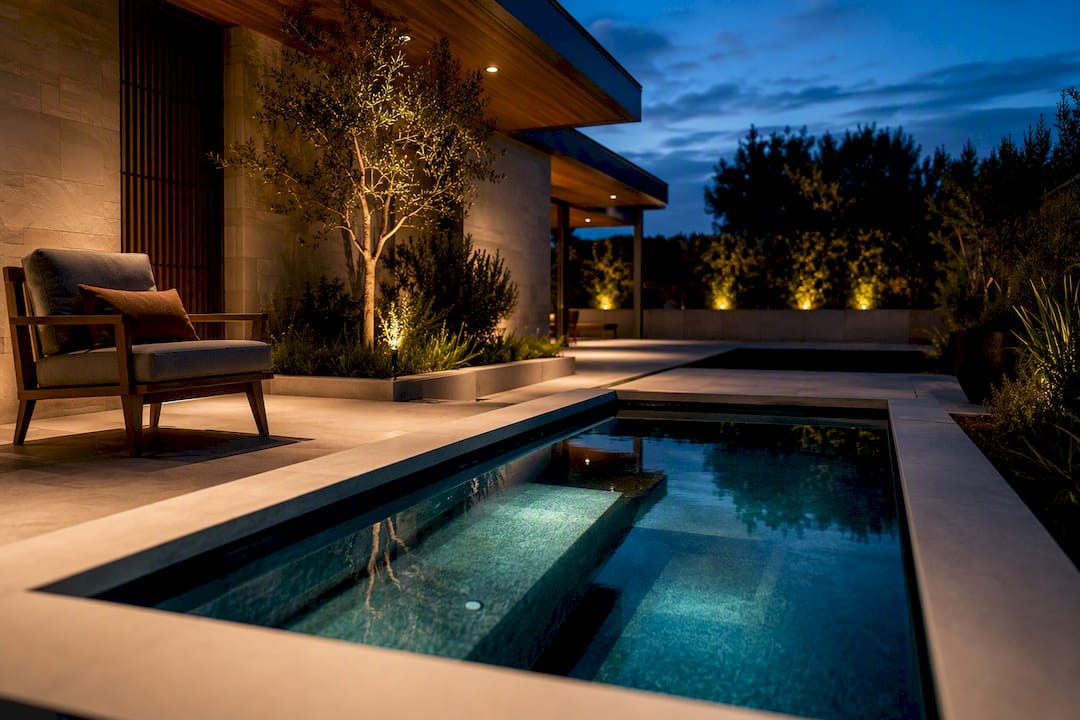
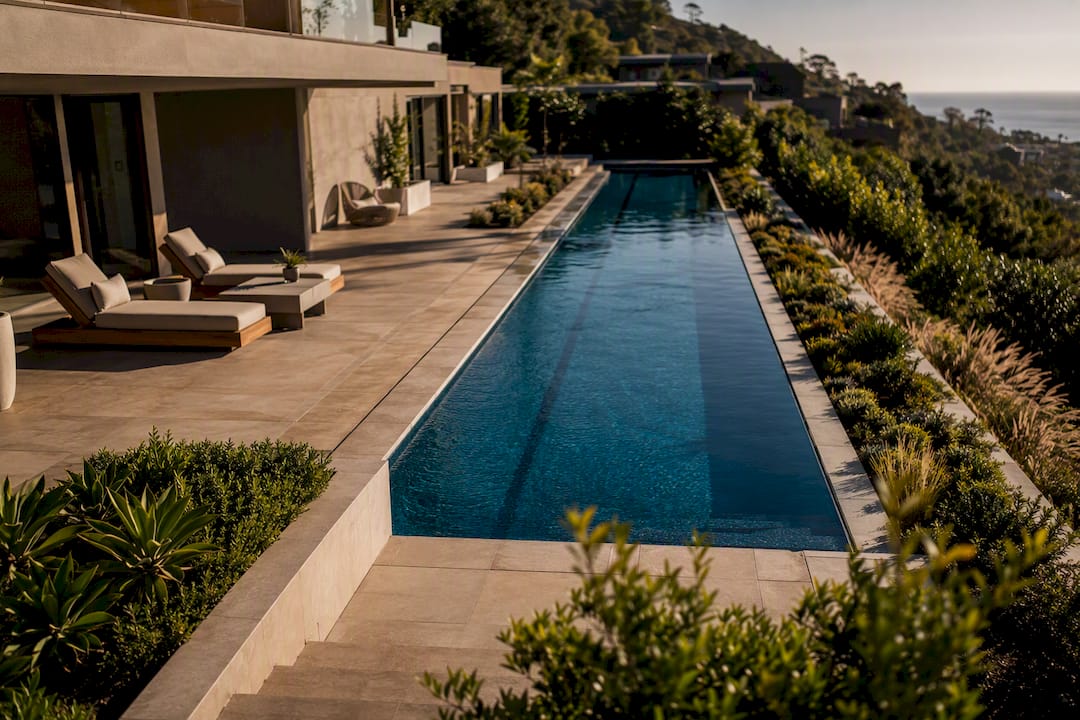
Full Yard Hardscape Examples for Luxury Outdoor Living
Discover stunning full yard hardscape examples that enhance luxury outdoor living. Transform your space into a cohesive and valuable retreat!
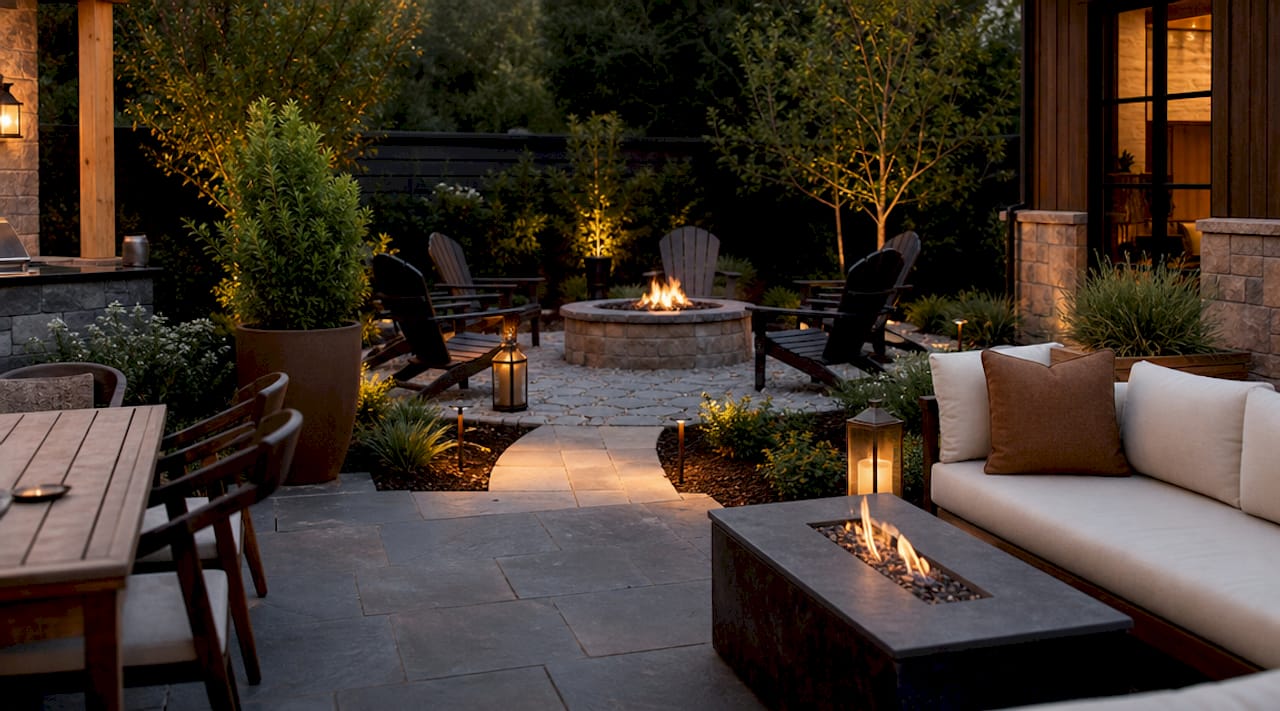
Full yard hardscape is defined as the cohesive integration of patios, pathways, retaining walls, fire features, outdoor kitchens, and pool decks across an entire property to create a unified, resort-caliber outdoor living environment. The best full yard hardscape examples do not treat each feature as a separate project. They treat the entire yard as a single architectural canvas. When done correctly, the result is a property that functions as well as it looks, performs year-round, and adds measurable value to high-end real estate. Projects at this scale, often spanning 4,500 to over 11,000 square feet of combined surface modifications, require master planning, premium materials like travertine and natural stone, and precise coordination across multiple trades.
1. Full yard hardscape examples: zoning your outdoor space
The most effective full yard hardscape designs organize the property into distinct functional zones connected by intentional circulation paths. Luxury hardscape zones typically include a primary patio or dining area, a pool deck, an outdoor kitchen or bar, a fire feature gathering space, and a series of pathways that link each area without dead ends or awkward transitions.
Zoning does more than organize space. It creates a sequence of experiences as you move through the yard. A guest arriving at a front yard hardscape design with a paved motor court and stone entry pathway immediately reads the property's quality before stepping inside. That same logic carries through the backyard, where each zone should feel purposeful rather than accidental.
- Primary patio or dining zone: Sized for a full outdoor dining table plus circulation, typically 400 to 600 square feet minimum for luxury properties.
- Pool deck zone: Extends at least 8 feet from the water's edge on all sides, with non-slip travertine or porcelain pavers as the standard material.
- Outdoor kitchen and bar zone: Positioned adjacent to the dining area with a clear sightline to the pool or fire feature.
- Fire feature zone: Set back from the kitchen, often anchored by a custom fire pit or linear fireplace surrounded by a seating wall.
- Pathway network: Connects all zones with consistent paver material or a complementary accent material to maintain visual cohesion.
Pro Tip: Salvaging existing stone or pavers from demolition during the project can reduce material costs by up to 25% while giving the finished yard a more established, layered aesthetic that new materials alone cannot replicate.
2. Best hardscape materials for large-scale luxury projects
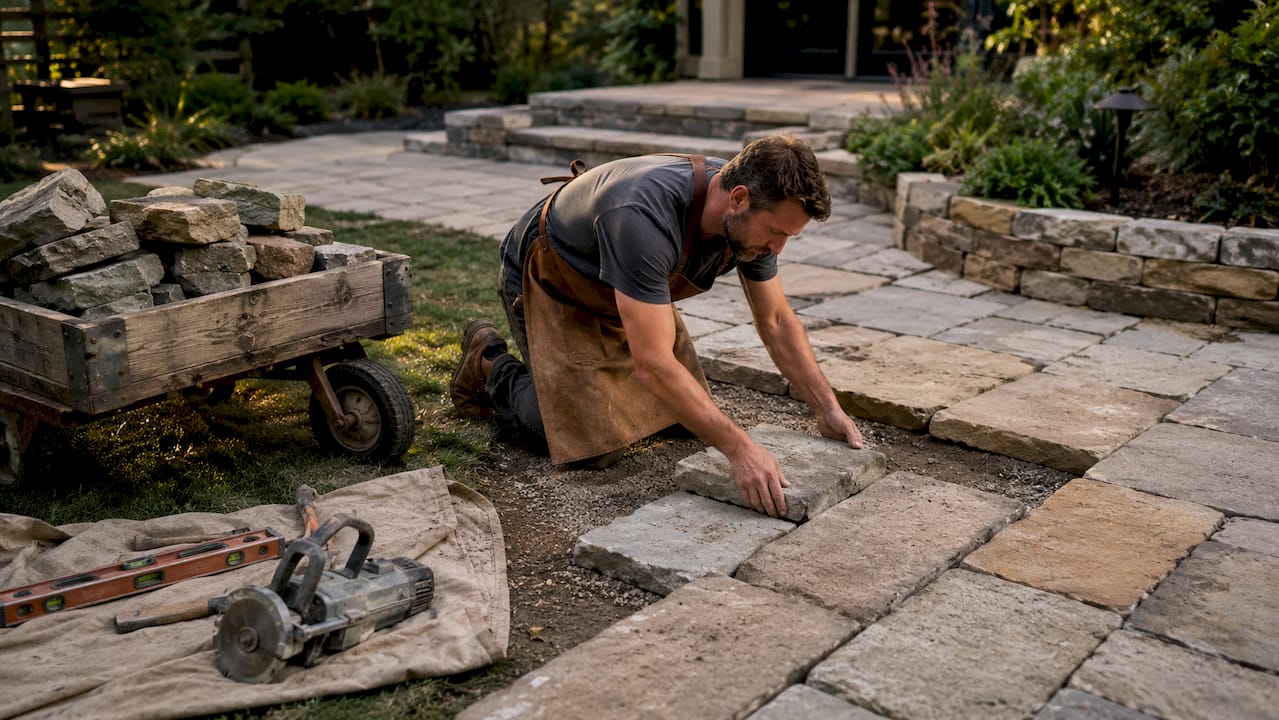
Material selection determines both the visual character and the long-term durability of a full yard hardscape. The wrong material in the wrong climate or application fails within a few years. The right material, installed over a properly engineered sub-base, lasts decades.
| Material | Best Application | Key Advantage | Consideration |
|---|---|---|---|
| Travertine pavers | Pool decks, patios | Stays cool underfoot, natural texture | Requires sealing in wet climates |
| Natural stone (flagstone, bluestone) | Pathways, feature walls | Unique character, high-end appearance | Higher cost, irregular sizing |
| Porcelain slabs | Modern patios, outdoor kitchens | Stain-resistant, consistent color | Slippery when wet if unfinished |
| Concrete pavers | Driveways, large-format patios | Cost-effective, wide color range | Less distinctive than natural stone |
| Permeable pavers | Driveways, secondary pathways | Manages stormwater on-site | Requires clean aggregate base |
Balancing home architecture with hardscape material style is non-negotiable at the luxury level. A contemporary home with clean lines and steel windows calls for large-format porcelain or honed concrete pavers. A Mediterranean or Spanish Colonial property reads best with tumbled travertine, terracotta-toned concrete, or hand-chiseled limestone. Mixing textures within a single project is acceptable and often desirable, but the transitions between materials must be deliberate and architecturally resolved.
Durability at this scale depends more on sub-base engineering and drainage than on the surface material itself. Permeable materials and compacted aggregate bases prevent cracking, water pooling, and frost heave. Specifying the surface without engineering what lies beneath it is the most common and most expensive mistake in large-scale hardscape installations.
3. How vertical elements transform flat and sloped yards
Vertical features, including retaining walls, seat walls, tiered steps, raised planters, and privacy screens, are what separate a flat, one-dimensional yard from a layered, architecturally interesting outdoor environment. They add structure, define space, and solve real engineering problems at the same time.
Seat walls built at 18 to 24 inches high serve double duty: they provide casual seating around a fire feature or pool while also acting as a visual boundary between zones. Tiered retaining walls on sloped lots convert what would otherwise be an unusable hillside into a series of flat, functional terraces. Each terrace can hold a planting bed, a seating area, or a secondary pathway.
- Retaining walls: Engineered to hold back soil on slopes greater than 2:1. Natural stone and concrete block are the two most common materials. Heights above 4 feet typically require a permit and engineered plans in San Diego County.
- Seat walls: Built at 18 to 24 inches, capped with natural stone or travertine for comfort and aesthetics. Often integrated with fire pit surrounds or pool deck edges.
- Tiered steps and staircases: Connect elevation changes between zones. Wide, shallow steps (at least 48 inches wide, 6-inch rise) read as grand and intentional rather than utilitarian.
- Raised planters: Frame patios and pool decks with greenery at eye level, adding softness without sacrificing hardscape area.
Pro Tip: Integrate low-voltage LED strip lighting into the base of retaining walls and the risers of outdoor staircases. The effect is dramatic at night and adds safety without any visible hardware during the day.
The most successful sloped projects work with the terrain rather than against it. A steep backyard that gets terraced into a Mediterranean-style tiered garden with integrated steps and retaining walls becomes more visually interesting than a flat yard ever could be. For more on how retaining walls function structurally, the Modernyardz retaining wall guide covers San Diego-specific requirements in detail.
4. Luxury hardscape features that define high-end outdoor living
The features that separate a good backyard hardscape from a truly exceptional one are the ones that create atmosphere, extend usability into the evening and cooler months, and reflect the homeowner's lifestyle rather than a catalog template.
- Custom fire features. A gas-burning linear fire bowl set into a stone surround wall, or a wood-burning outdoor fireplace built as a permanent architectural extension of the home, creates a gathering anchor that draws people outdoors year-round. Custom fire features work best when positioned at the terminus of a primary sightline from the house.
- Outdoor kitchens with full culinary capability. Built-in grills, refrigeration, stone countertops, pizza ovens, and bar seating transform a patio into an entertainment destination. The kitchen should be positioned with the cook facing the gathering area, not a wall or fence.
- Integrated landscape lighting. Architectural lighting design, using path lights, uplights on specimen trees, wall-wash fixtures on stone surfaces, and underwater LED systems in pools, extends the visual impact of the hardscape into the evening hours. Lighting is not an afterthought in luxury projects. It is designed on a plan alongside the hardscape.
- Pergolas and louvered patio covers. Louvered pergola systems with automated slats allow homeowners to control shade and rain exposure without leaving the space. In San Diego's climate, a well-designed pergola effectively adds a permanent outdoor room to the home.
- Permeable paver driveways. Front yard hardscape designs that incorporate permeable pavers manage stormwater on-site, satisfy local drainage requirements, and deliver a premium aesthetic at the property's first impression point.
- Landscape audio systems. Flush-mounted outdoor speakers integrated into the hardscape design provide ambient sound without visible equipment cluttering the space.
5. How to plan and execute a full yard hardscape project
A full yard hardscape project that combines pools, kitchens, fire features, paving, and vertical elements cannot be planned feature by feature. Successful large-scale projects require a comprehensive master plan that resolves drainage, grading, structural engineering, and material flow before a single element goes into the ground.
The planning sequence that produces the best results follows a clear order:
- Site analysis first. Assess existing grades, drainage patterns, soil conditions, utility locations, and sun and wind exposure before designing anything. A site that drains poorly will fail regardless of material quality.
- Master plan before material selection. Establish zone locations, circulation paths, and elevation changes on paper before choosing pavers or stone. Changing the layout after materials are specified is expensive.
- Drainage engineering. Projects at this scale should include a stormwater management plan. Permeable pavers, French drains, and channel drains must be sized and positioned to handle peak rainfall events, not just average conditions.
- Coordinate trades early. Masons, electricians, plumbers for outdoor kitchens, landscape lighting designers, and pool contractors must all be coordinated from the start. Sequencing errors, such as pouring a concrete slab before conduit is run, create costly rework.
- Approve a 3D rendering before construction begins. Photo-realistic renderings allow you to see material combinations, lighting effects, and spatial proportions before committing to construction. Changes on a rendering cost nothing. Changes in the field cost significantly more.
The design-build model, where a single firm handles planning, permitting, material procurement, and construction under one contract, eliminates the coordination failures that derail complex projects. For properties in San Diego County, working with a licensed design-build contractor who manages all trades internally is the most reliable path to a finished project that matches the original vision.
Key takeaways
The most durable and visually compelling full yard hardscapes combine engineered sub-base systems, intentional zone planning, and premium materials selected to match the home's architectural style.
| Point | Details |
|---|---|
| Zone planning drives usability | Organize the yard into connected zones: patio, pool deck, kitchen, fire feature, and pathways. |
| Sub-base engineering determines longevity | Proper drainage and compacted aggregate bases prevent cracking and water damage regardless of surface material. |
| Vertical elements add dimension | Seat walls, tiered retaining walls, and raised planters transform flat or sloped yards into layered environments. |
| Material must match architecture | Travertine suits Mediterranean homes; large-format porcelain suits contemporary designs. Mismatched materials undermine the entire project. |
| Master planning prevents costly errors | Resolve drainage, grading, and trade sequencing on paper before construction begins to avoid expensive field changes. |
What I've learned after decades of full yard hardscape projects
After working on hundreds of luxury outdoor environments across San Diego, the single most consistent observation I can share is this: homeowners who fight their terrain almost always regret it. Flattening a sloped lot to create a simple lawn and patio is expensive, often requires significant retaining work anyway, and produces a result that is far less interesting than what the original topography could have delivered.
The yards I find most successful are the ones where the geometry holds up without any plants in the ground. If the hardscape looks incomplete or awkward in winter when nothing is growing, the design has a structural problem that plants are being used to mask. That is a problem worth solving before construction, not after.
The other pattern I see repeatedly is homeowners underinvesting in drainage and sub-base preparation while overinvesting in surface materials. A $50-per-square-foot travertine paver installed over a poorly compacted base will crack and shift within five years. The same paver installed over a properly engineered aggregate base with integrated drainage will look identical in twenty years. The work you cannot see is what determines whether the work you can see holds up.
My practical advice: spend the first third of your planning budget on site analysis, drainage engineering, and a detailed master plan. The remaining investment in materials and features will perform far better as a result.
— David
Transform your yard with Modernyardz
Modernyardz has delivered over 2,900 luxury outdoor environments across San Diego County since 1975, with every project managed under a single design-build contract from first consultation through final walkthrough. We handle 2D architectural plans, photo-realistic 3D renderings, permitting, and full construction with no subcontractors and no handoffs. Whether your project centers on a custom pool and spa, a fully equipped outdoor kitchen, or a complete property transformation combining every hardscape feature, our team manages every trade internally. To see what a full yard hardscape transformation looks like for a San Diego property at your price point, contact our design team to schedule a consultation.
FAQ
What does a full yard hardscape project typically cost?
Luxury full yard hardscape projects in San Diego range from $25,000 for a focused premium patio and paver upgrade to $300,000 or more for a complete outdoor transformation combining pools, kitchens, fire features, and extensive paving across thousands of square feet.
What is the best paver material for a luxury pool deck?
Travertine is the most widely specified material for luxury pool decks because it stays cooler underfoot than concrete or porcelain in direct sun and provides a naturally non-slip texture. It also pairs well with natural stone coping and water features.
How long does a full yard hardscape installation take?
A complete full yard hardscape project involving multiple zones, a pool, outdoor kitchen, and extensive paving typically takes 3 to 6 months from permit approval to final walkthrough, depending on project complexity and material lead times.
Do I need permits for a full yard hardscape in San Diego?
Most full yard hardscape projects in San Diego County require permits for pools, outdoor kitchens with gas lines, retaining walls over 4 feet in height, and any structural shade structures. A licensed design-build contractor handles permitting as part of the project scope.
How do I choose between natural stone and concrete pavers?
Natural stone, including travertine, bluestone, and flagstone, delivers a higher-end aesthetic and unique character but costs more and requires more precise installation. Concrete pavers offer a wider color range and lower cost but lack the visual depth of natural stone for luxury applications.
Recommended
Start Your Free Design Consultation
Tell us about your project and we'll be in touch within 24 hours. No pressure, no obligation.
Ready to design your dream yard?
Tell us about your project. We'll send back a real plan, not a templated quote.
Book My Free Consultation→