Retaining Wall Costs 2026: What You'll Actually Pay
Every homeowner eventually faces decisions about their outdoor space, and for many, addressing sloped terrain or creating defined garden areas brings up a
Every homeowner eventually faces decisions about their outdoor space, and for many, addressing sloped terrain or creating defined garden areas brings up a pivotal question: how much does it cost to install a retaining wall? It's a query we hear all the time at Modern Yardz, and frankly, the answer isn't a simple, single number. In 2026, like any other year, the investment in a retaining wall is a nuanced calculation, one that depends on a multitude of factors, from material choices to site complexity.
We understand you're looking for clarity, a solid understanding of the financial commitment involved. Our team, with decades of collective expertise in landscape design and construction, is here to demystify the process. We're not just building structures; we're crafting custom outdoor spaces that are as functional as they are beautiful, and a well-designed retaining wall is often a critical, non-negotiable element in achieving that balance. So, let's dive into what truly influences the price tag when you're wondering how much does it cost to install a retaining wall.
Why a Retaining Wall Is More Than Just a Wall
Before we dissect the costs, it's important to appreciate the multifaceted role a retaining wall plays. It's far more than just a decorative feature. Primarily, these walls are engineering marvels designed to hold back soil and prevent erosion, especially on sloped properties. This structural integrity is paramount; a poorly constructed wall can lead to catastrophic failures, property damage, and even safety hazards. Beyond its utilitarian function, a retaining wall can dramatically transform a landscape, creating usable, level terraces, defining garden beds, or adding architectural interest.
We've seen countless properties revitalized by strategic retaining wall installations. They can turn an otherwise unusable slope into a vibrant tiered garden or provide the stable foundation for an outdoor kitchen or a new patio. This functional beauty is precisely why understanding how much does it cost to install a retaining wall is such a significant part of the planning process for any substantial outdoor renovation.
The Core Question: How Much Does It Cost to Install a Retaining Wall?
Alright, let's get to the numbers – or at least, the ranges. In 2026, homeowners can generally expect to pay anywhere from $40 to $250 per linear foot for a professionally installed retaining wall. That's a sprawling range, we know, and it's precisely because of the variables we're about to explore. For smaller, simpler projects, you might find costs closer to the lower end, perhaps $4,000 to $10,000 for a modest wall. However, for larger, more complex installations, particularly those requiring significant excavation, premium materials, or intricate landscape design integration, the total investment can easily stretch into the $20,000 to $50,000+ bracket. Our experience shows that the average homeowner often invests between $8,000 and $25,000 for a robust, visually appealing retaining wall that truly enhances their property.
But wait, there's more to understand. This isn't just about the materials; it's about the entire process, the skill, the engineering, and the long-term peace of mind. When we're asked how much does it cost to install a retaining wall, we always emphasize that you're investing in stability, aesthetics, and often, a significant increase in property value.
Key Factors That Significantly Influence Retaining Wall Costs
To truly grasp how much does it cost to install a retaining wall, we need to unpack the primary drivers behind the pricing. These aren't just minor fluctuations; they represent significant, sometimes dramatic, shifts in the overall project budget.
Material Choice: The Foundation of Your Wall's Aesthetic and Durability
This is often the first thing people consider, and rightly so. The material you select has a monumental impact on both the look and the cost. Here's a brief rundown of common options and their general cost implications (per linear foot, installed):
- Segmental Concrete Blocks (CMU): Often the most cost-effective, ranging from $40-$80. They're versatile, come in various colors and textures, and are excellent for DIY if you're handy, though we always recommend professional installation for structural integrity, especially for taller walls. Our team has extensive experience with these for Seat Retaining Walls.
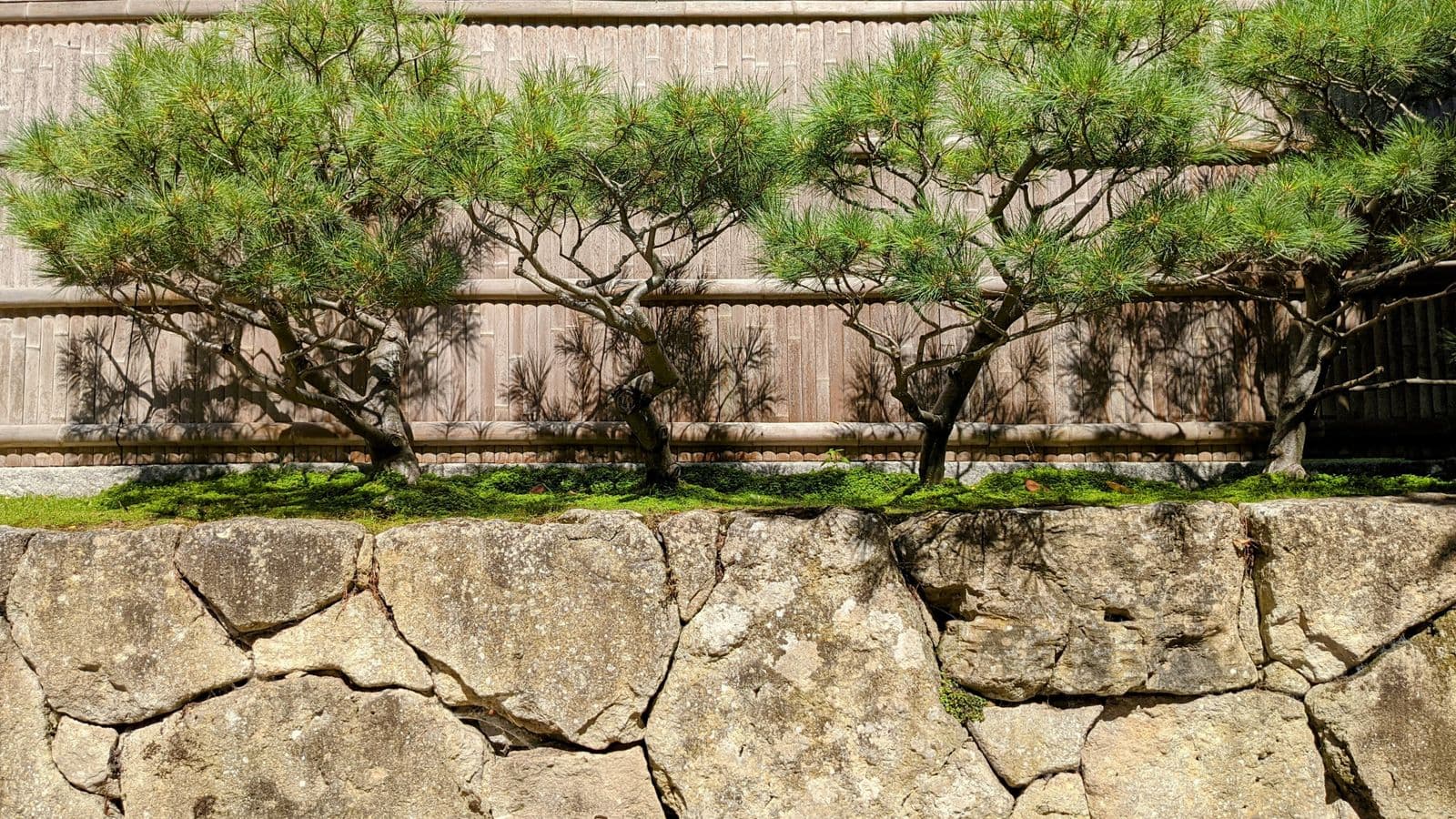
- Natural Stone: A premium choice, offering unparalleled beauty and longevity. Think granite, limestone, or fieldstone. These can push costs to $80-$250+, largely due to material cost and the specialized, often intricate, labor required for installation.
- Poured Concrete: Highly durable and customizable, poured concrete walls can be reinforced for maximum strength. They offer a sleek, modern aesthetic and can range from $60-$120+, depending on finishes and complexity. They're a fantastic option for a contemporary outdoor space.
- Timber/Wood: While sometimes the least expensive initially ($30-$60), timber walls have a shorter lifespan, typically 10-20 years before needing replacement, especially in a perpetually moist environment. We generally recommend treated lumber for any significant structural use.
- Gabion Walls: These are wire cages filled with rocks, offering a unique, industrial-chic look. They're strong and permeable, usually falling in the $50-$100 range per linear foot. They're an interesting choice for specific design aesthetics.
Height and Length: Simple Math, Complex Execution
This one's straightforward: a taller and longer wall requires more material, more labor, and often, more intensive engineering and foundation work. A 6-foot-tall wall isn't just double the cost of a 3-foot wall; it can be exponentially more expensive due to the need for deeper foundations, specialized excavation, and enhanced drainage systems. This is where understanding how much does it cost to install a retaining wall really starts to factor in the sheer volume of work.
Site Preparation and Accessibility: The Hidden Hurdles
Let's be honest, this is crucial. If your property has difficult access – perhaps a narrow gate, steep grades, or obstacles that require manual labor instead of machinery – expect costs to climb. Significant excavation, clearing of existing vegetation, or removal of old structures will add to the overall price. Our team assesses these challenges during the initial landscape design consultation, providing an unflinching, transparent look at potential hurdles.
Drainage: The Unsung Hero of Wall Longevity
We can't stress this enough: proper drainage is absolutely critical for a retaining wall's long-term stability. Without it, water pressure will build up behind the wall, leading to cracking, bulging, or even collapse. A comprehensive drainage system typically includes gravel backfill, perforated pipes (weeping tiles), and sometimes weep holes. This isn't an optional add-on; it's a critical, non-negotiable element of a successful installation, and it will contribute to how much does it cost to install a retaining wall.
Permits and Engineering: Legalities and Structural Integrity
For walls exceeding a certain height (often 3-4 feet, depending on local regulations), you'll almost certainly need permits and potentially a professional engineer's stamp on the design. In the City of San Diego, Municipal Code §129.0203 sets that line at 3 feet, measured from the bottom of the footing to the top of the wall. These requirements ensure safety and compliance, but they add to the project timeline and cost, typically ranging from a few hundred to a couple of thousand dollars for engineering fees alone. This is an investment in safety and legality, something we always prioritize at Modern Yardz.
Labor Costs: Expertise You Can't Skimp On
Labor is a significant portion of any retaining wall project. Skilled masons, excavators, and landscape professionals are essential for a durable, aesthetically pleasing result. The complexity of the design, the chosen materials, and the site conditions all dictate the labor hours required. Our team's collective expertise ensures that every wall we build meets the highest standards of craftsmanship and structural integrity.
Design Complexity: Bringing Your Vision to Life
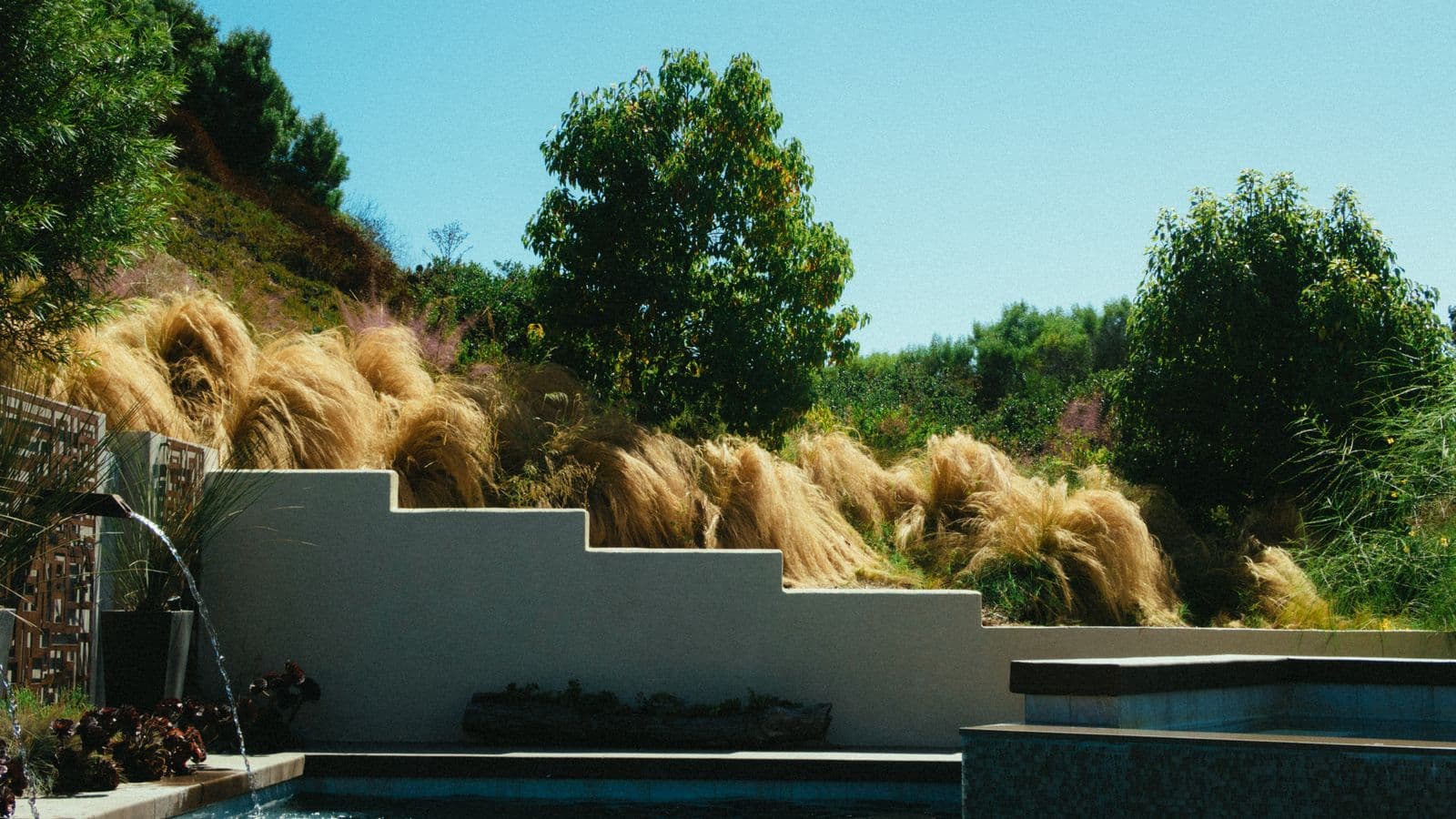
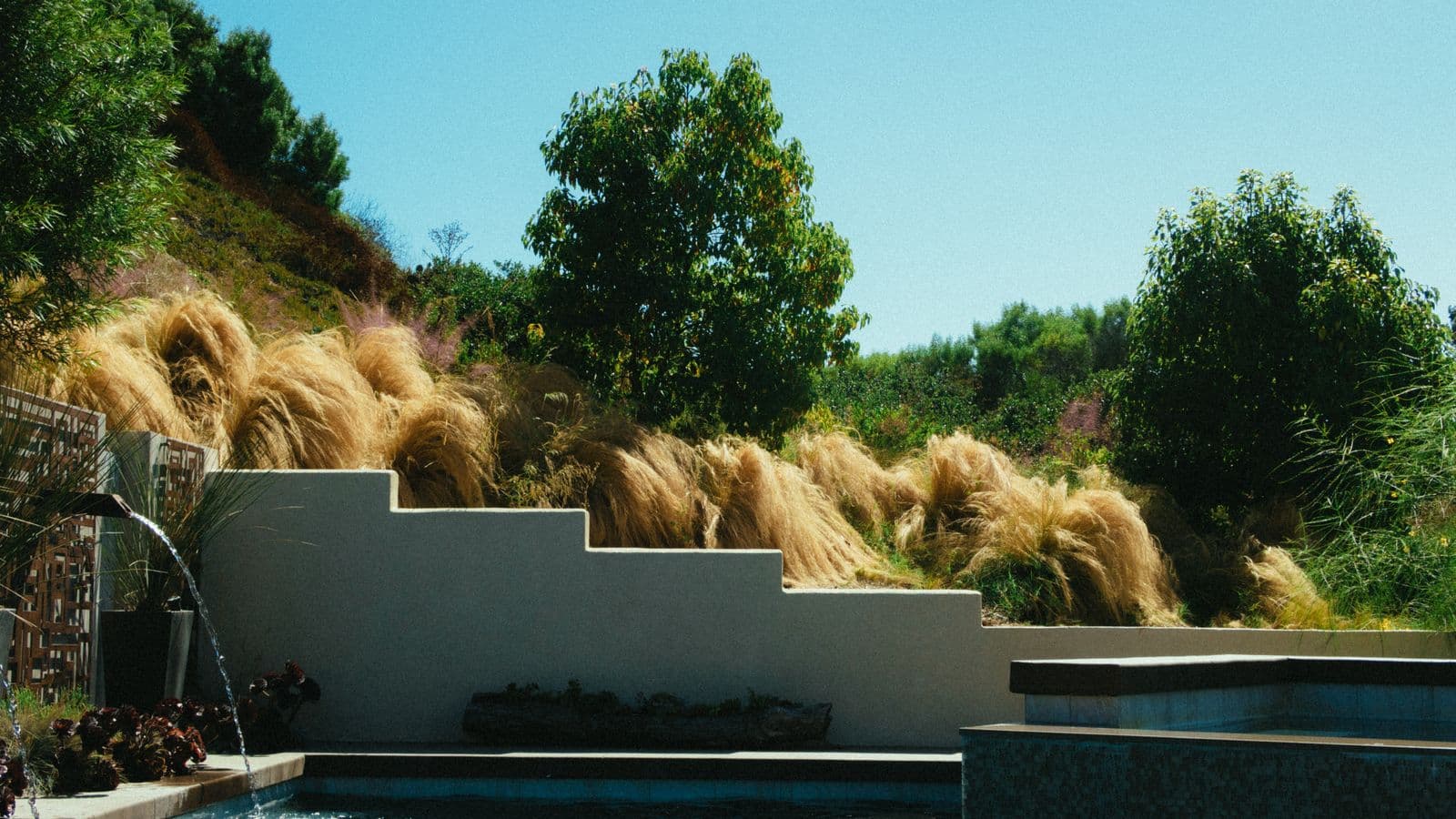
Simple, straight walls are generally less expensive than curved, tiered, or multi-level designs. Features like integrated lighting, steps, or built-in seating (like our Seat Retaining Walls) will add to the design and construction complexity, and thus, the cost. This is where our landscape design expertise truly shines, transforming a practical necessity into a focal point of your outdoor living area.
A Comparison of Common Retaining Wall Types and Their Investment
To help contextualize how much does it cost to install a retaining wall, here's a general comparison table for different wall types, reflecting typical ranges in 2026. Keep in mind, these are broad estimates and actual costs will vary based on all the factors we've discussed.
| Wall Type | Est. Cost Per Linear Foot (Installed, 2026) | Durability / Lifespan | Aesthetic Appeal | Installation Complexity |
|---|---|---|---|---|
| Segmental Concrete Block | $40 - $80 | Good (50-100+ years) | Versatile, various styles | Moderate |
| Treated Timber | $30 - $60 | Fair (10-20 years) | Natural, rustic | Low-Moderate |
| Poured Concrete | $60 - $120+ | Excellent (100+ years) | Modern, customizable | High |
| Natural Stone | $80 - $250+ | Excellent (100+ years) | Premium, timeless | High |
| Gabion | $50 - $100 | Excellent (50-100+ years) | Industrial, unique | Moderate-High |
The Modern Yardz Difference: Our Approach to Value
When you're trying to figure out how much does it cost to install a retaining wall, it's easy to get caught up in just the initial price tag. But our team at Modern Yardz believes in delivering enduring value. We're a full-service landscaping design and build company, which means we handle every step of the process, from initial conceptualization to the final construction. This integrated approach ensures seamless communication, efficient project management, and a cohesive end result that truly reflects your vision.
We don't just quote a price; we provide a comprehensive understanding of the investment. Our transparent pricing includes all the elements: design, materials, labor, site preparation, and crucial drainage systems. We believe in building spaces where memories are made, and that starts with a solid foundation – literally and figuratively. We've found that a well-executed project, even if it seems like a higher initial investment, always pays dividends in longevity, functionality, and enjoyment. Honestly, though, cutting corners on a retaining wall is a decision that almost inevitably leads to more expensive repairs down the line. We aim to get it right the first time.
Beyond the Wall: Long-Term Value and Maintenance
Understanding how much does it cost to install a retaining wall isn't just about the upfront expenditure. It's also about the long-term benefits and minimal maintenance. A professionally installed retaining wall, especially one built with durable materials like concrete blocks or natural stone, requires very little upkeep. You're looking at occasional cleaning, checking for any signs of erosion or shifting behind the wall, and ensuring drainage systems remain clear. This low-maintenance aspect adds significant value over the decades.
Moreover, a well-designed and properly constructed retaining wall can dramatically increase your property's curb appeal and market value. It creates usable land, prevents costly erosion, and adds a sophisticated architectural element to your outdoor space. It's an investment that pays you back, often multiple times over, especially as property values continue their steady climb into 2026 and beyond. This approach (which we've refined over years) delivers real results.
Ready to Upgrade Your Backyard?
So, how much does it cost to install a retaining wall? As we've explored, it's a complex question with many variables, but one thing is clear: it's a significant investment that deserves careful planning and professional execution. Our team at Modern Yardz is dedicated to creating custom outdoor spaces that not only meet your needs but exceed your expectations. We're here to guide you through every decision, ensuring your retaining wall is structurally sound, aesthetically pleasing, and a valuable addition to your home.
Let’s Design the Outdoor Space You’ve Been Dreaming Of. We invite you to explore our full range of services or visit our website to learn more about how we can transform your property. If you're ready for a conversation about your specific project, don't hesitate to reach out. We're always eager to share our expertise and help you make informed decisions about your outdoor living space. Transform Your Outdoor Space Into Something Extraordinary.
Start Your Free Design Consultation
Tell us about your project and we'll be in touch within 24 hours. No pressure, no obligation.
Common questions
- How much does a retaining wall cost per linear foot?
- Expect to pay $40 to $250 per linear foot for a professionally installed retaining wall in 2026. A modest wall might run $4,000 to $10,000, while larger, complex projects can reach $20,000 to $50,000+. Most homeowners invest between $8,000 and $25,000 for a robust, attractive wall.
- Do I need a permit to build a retaining wall?
- Usually yes. For walls exceeding a certain height, often 3 to 4 feet depending on local regulations, you'll almost certainly need permits and potentially a professional engineer's stamp on the design. Engineering fees alone typically range from a few hundred to a couple thousand dollars, adding to both the timeline and total cost.
- What is the cheapest retaining wall material?
- Timber or wood is often the least expensive initially at $30 to $60 per linear foot, but it lasts only 10 to 20 years before needing replacement. Segmental concrete blocks are another cost-effective option at $40 to $80 per linear foot, offering good durability of 50 to 100+ years.
- Is natural stone better than concrete for a retaining wall?
- It depends on your budget and style. Natural stone offers premium, timeless beauty and lasts 100+ years, but costs $80 to $250+ per linear foot. Poured concrete is highly durable and customizable with a modern look, ranging $60 to $120+. Both deliver excellent longevity of 100+ years.
- Why does a retaining wall need drainage?
- Proper drainage is critical because without it, water pressure builds up behind the wall, leading to cracking, bulging, or even collapse. A comprehensive drainage system typically includes gravel backfill, perforated pipes (weeping tiles), and sometimes weep holes. It's a non-negotiable element of a successful installation, not an optional add-on.
Ready to design your dream yard?
Tell us about your project. We'll send back a real plan, not a templated quote.
Book My Free Consultation→