Backyard Entertainment Zone Design: A Homeowner's Guide
Discover what backyard entertainment zone design is and how it can transform your outdoor space into functional, inviting areas for every occasion.
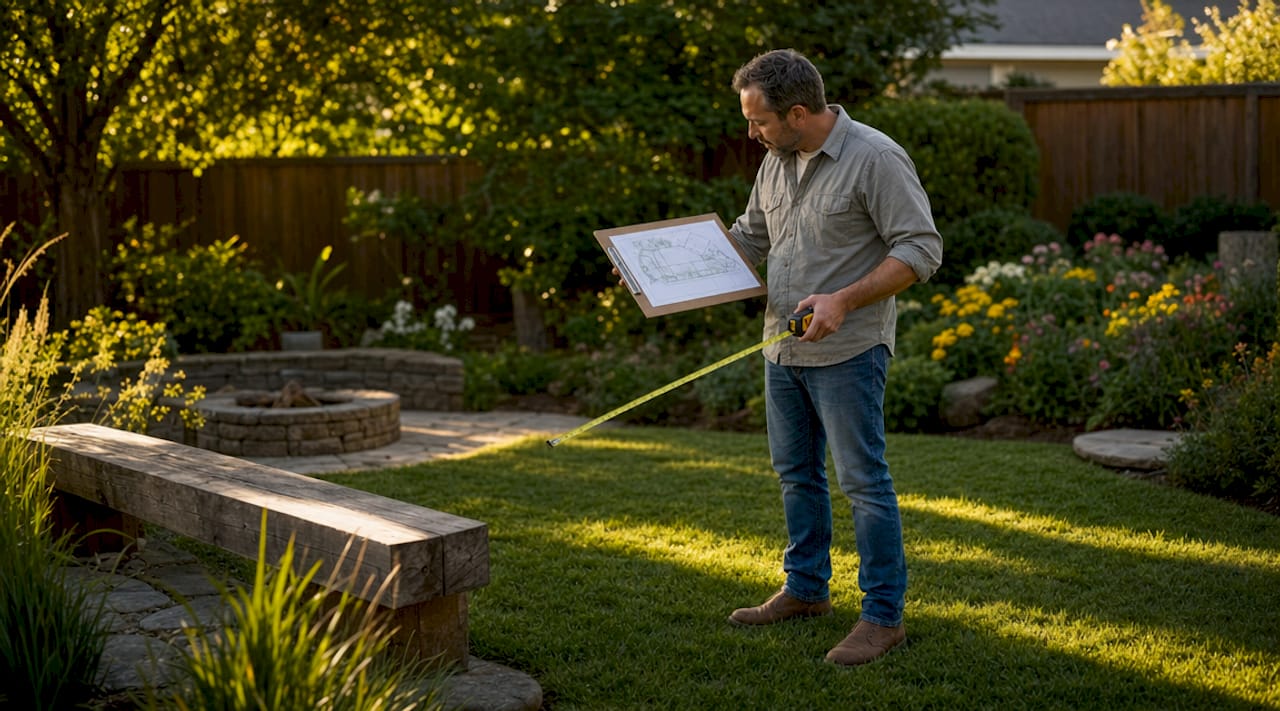
Backyard entertainment zone design is the deliberate division of your outdoor space into purposeful, functional areas such as cooking, dining, lounging, and play to maximize usability and social flow. In the industry, this practice is also called outdoor room zoning or multi-zone outdoor living design. The concept mirrors how interior designers organize rooms inside a home, applying the same logic of circulation, purpose, and proportion to open-air environments. Done correctly, it transforms an underused yard into a space you and your guests actually want to spend time in, every season of the year.
What is backyard entertainment zone design and why does it matter?
Backyard entertainment zone design divides outdoor space into purposeful zones modeled after indoor room principles to improve flow and functionality. The result is a yard that functions like a well-organized floor plan rather than an open field where furniture is placed randomly and guests cluster awkwardly near the door.
The practical payoff is significant. When each zone has a defined purpose, guests move naturally between areas without crossing service paths or blocking traffic. A host can cook without turning their back on the dining table. Children can play without wandering through the lounge area. The space works for everyone at the same time, which is the defining measure of a successful outdoor entertainment layout.
Successful layouts often follow a 2:3 rectangle or square proportion to avoid dysfunctional elongated strips that force linear movement and limit social interaction. This proportional principle is borrowed directly from interior architecture and applies equally well to a 500-square-foot patio or a 5,000-square-foot estate yard. Proportion determines whether a space feels balanced or awkward before a single piece of furniture is placed.
What core zones belong in every backyard entertainment area?
Core zones include a cooking station positioned near the indoor kitchen, a dining area with sufficient clearance for guest movement, and a lounge zone anchored by a fire feature. Each zone serves a distinct social function, and their placement relative to each other determines how well the overall space performs during a gathering.
Here is what each primary zone typically includes:
- Cooking zone: Built-in grill, stone countertops, refrigeration, bar seating, and task lighting. Position this zone adjacent to the indoor kitchen to minimize trips through the house.
- Dining zone: A table sized for your typical guest count, weather-resistant seating, overhead lighting, and a surface that handles spills. Allow at least 3 feet of clearance on all sides for chair movement.
- Lounge zone: Sectional or club seating, a custom fire pit or outdoor fireplace as the focal point, soft lighting, and side tables. This zone drives the longest guest stays.
- Play or activity zone: Lawn games, a pool, or a dedicated turf area. Position this zone away from the cooking station to separate active movement from heat and open flames.
- Recovery or transition zone: A quiet seating nook, hammock area, or spa. Not every backyard needs this, but it adds depth to larger properties.
Safety clearance is non-negotiable around fire features. The standard recommendation is 3 to 5 feet of clearance between any fire feature and surrounding seating or combustible materials. Clear circulation paths between zones prevent guests from crossing service areas, which improves both flow and safety during active entertaining.
Pro Tip: Place your cooking zone upwind from your lounge and dining areas. Smoke direction is predictable in most yards, and positioning the grill correctly prevents guests from relocating their chairs every 20 minutes.
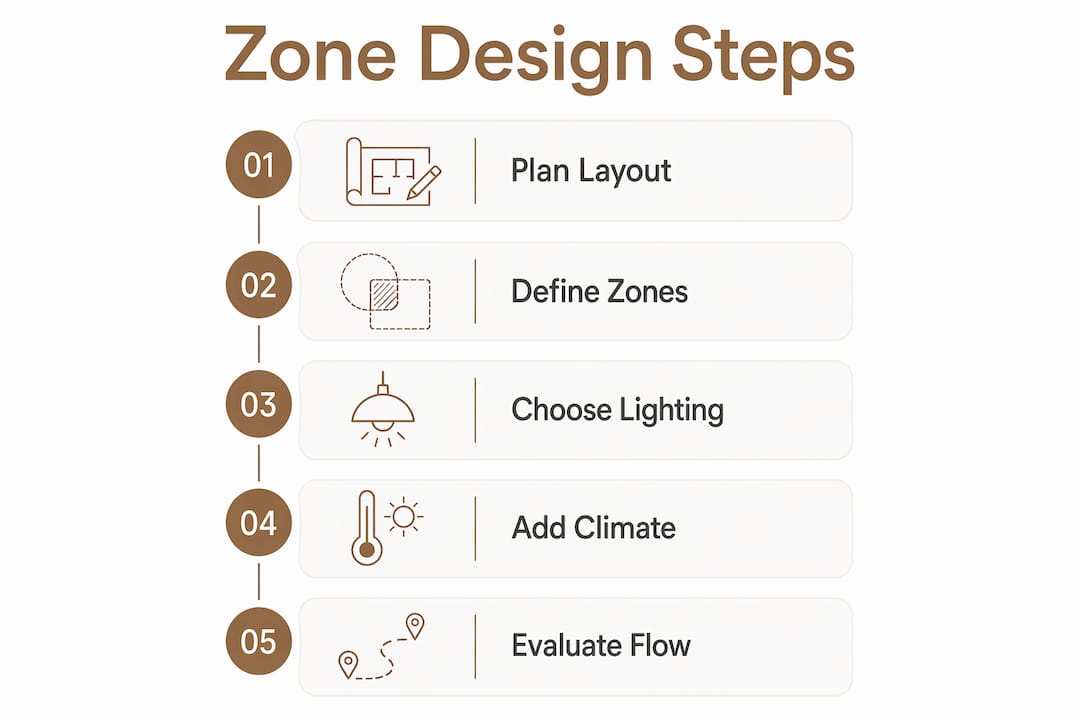
How do you define zones without building walls?
Effective zoning does not require physical walls. Changes in surface materials, level changes, and plantings define spaces and create a sense of enclosure that increases comfort and encourages longer stays. Undefined open spaces, by contrast, often discourage use because they offer no psychological sense of place or shelter.
The table below compares the most common boundary techniques and their practical effects:
| Boundary technique | Visual effect | Best application |
|---|---|---|
| Surface material change | Clear, immediate zone separation | Transitioning from patio pavers to lawn or gravel |
| Level change (step up or down) | Strong spatial definition | Separating a raised dining deck from a lower lounge area |
| Planting beds or hedges | Soft, natural enclosure | Framing a lounge zone or screening a utility area |
| Seat walls or low retaining walls | Structural definition with seating function | Edging a fire pit area or pool deck perimeter |
| Pergola or overhead structure | Vertical enclosure without walls | Defining a dining or lounge zone beneath a shade structure |
Visual consistency across zones holds the overall design together. Using the same travertine paver color in both the dining and lounge zones, for example, signals that they belong to the same environment even though they serve different functions. This is the difference between a yard that looks designed and one that looks assembled over time from unrelated purchases.
Pro Tip: Resist the urge to fill every square foot. Negative space between zones acts as a visual breath and makes each zone feel more intentional. A 2-foot gravel border between a lounge area and a lawn does more design work than most homeowners expect.
How do lighting and climate features extend your outdoor zone's usability?
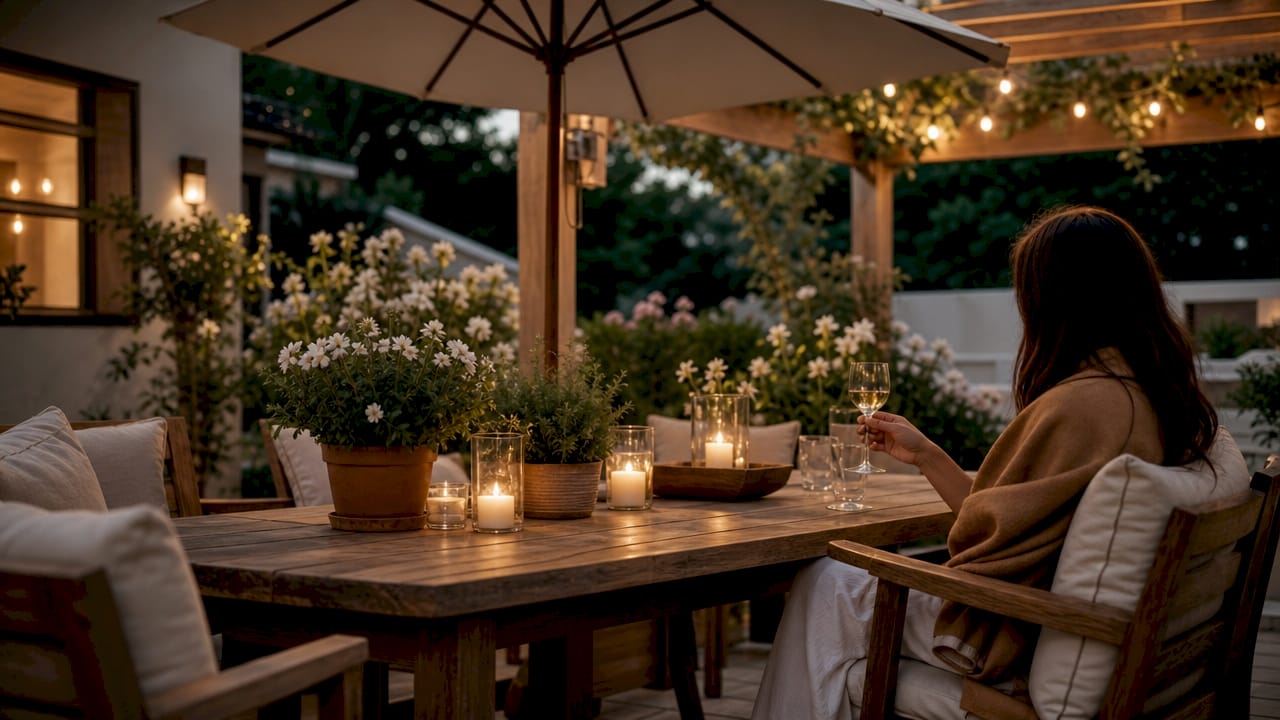
Outdoor lighting should include three layers: ambient lighting for broad illumination, task lighting for functional areas, and accent lighting to highlight features. This layered approach transforms a yard from a daytime-only space into a resort-quality environment usable from morning through late evening.
The three tiers work as follows:
- Ambient lighting: String lights, overhead fixtures, or landscape lighting that provides general illumination across the full zone. This is the base layer.
- Task lighting: Focused light over the grill, countertops, and dining table. Undercabinet LED strips in an outdoor kitchen are a practical example.
- Accent lighting: Uplighting on trees, in-ground lights along pathways, and LED color systems inside a pool. These create depth and visual interest after dark.
Dimmable warm-toned fixtures in the 2700K to 3000K color temperature range produce the most comfortable ambiance for evening entertaining. Harsh cool-white lighting in the 5000K range is appropriate for task areas but kills the atmosphere in lounge and dining zones.
Climate adaptation is equally critical for year-round use. Shade structures such as louvered pergolas with automated slats can reduce UV exposure by up to 75%, making midday outdoor use practical during San Diego summers. Supplementing shade with outdoor-rated ceiling fans from suppliers like Wynwood Fans adds airflow that makes a covered patio comfortable even on warm evenings. Integrated propane or electric heaters extend usability into cooler months without requiring a permanent fire feature in every zone.
Year-round usability requires infrastructure for shade, wind, rain protection, and heating. Without these elements, outdoor zones get abandoned seasonally, which defeats the investment entirely.
What are the most common mistakes in backyard entertainment zone design?
The most critical mistake is selecting features before defining an overall layout, which leads to functionally inadequate and cluttered spaces. Homeowners purchase a large outdoor sectional, then realize it blocks the path to the grill. They install a fire pit, then discover it sits too close to the dining table to use safely. Sequence matters: layout first, features second.
Other frequent errors include:
- Overcrowding zones: Fitting too many features into one area eliminates the clearance needed for comfortable movement and safe use.
- Ignoring circulation paths: Guests should never need to walk through a cooking zone to reach the lounge area. Map traffic flow before finalizing any layout.
- Neglecting lighting entirely: A beautifully designed zone that goes dark at sunset loses half its value. Lighting is infrastructure, not decoration.
- Using too many materials and colors: More than three primary materials or colors creates visual noise that makes a space feel chaotic rather than curated.
Interior designer Susan Bednar Long advises using a limited palette of two to three colors for longevity and visual cohesion in outdoor spaces. This principle applies directly to material selection: choose one primary paver, one secondary accent material, and one plant palette, then hold that discipline across every zone.
"The outdoor space should feel like a natural extension of the home's architecture, not an afterthought." — David Kopfmann
Mapping intended uses and traffic flow before purchasing a single item is the single most effective way to avoid every mistake on this list.
How do you connect outdoor zones seamlessly to your home?
Indoor-outdoor connection through material continuity, level alignment, and sightlines creates transitions that make outdoor areas feel like extensions of the home rather than separate structures. Visible connections from the kitchen to the backyard improve social interaction and increase how frequently the space gets used.
Follow these steps to build a strong indoor-outdoor connection:
- Align floor levels. Match the interior floor height to the patio surface as closely as possible. A flush or near-flush transition removes the psychological barrier of stepping down into a separate space.
- Continue interior materials outward. If your kitchen uses large-format porcelain tile, extend a similar format onto the patio. Material continuity signals that the outdoor zone belongs to the same home.
- Establish clear sightlines. Position the dining or lounge zone so it is visible from the kitchen or main living area. This keeps hosts connected to guests even when cooking.
- Use landscaping to soften the transition. Planting beds along the perimeter of the patio create a visual frame that connects hardscape to the natural yard without a hard edge.
- Add sensory continuity. Consistent lighting color temperature between interior and exterior spaces, and the same or complementary plant species used indoors and out, reinforce the connection at a subconscious level.
Pro Tip: Stand at your kitchen sink or main living room window and look out at your yard. Whatever you see from that vantage point is your primary sightline. Design your most visually compelling zone, whether a pool, fire feature, or dining area, to land directly in that view.
A professional design consultation starts with an on-site assessment that maps utility lines, drainage, sightlines, and existing architecture before a single layout decision is made. This process prevents the costly errors that come from designing in isolation from the home's existing structure.
Key takeaways
Backyard entertainment zone design works because purposeful zoning, defined boundaries, layered lighting, and climate-adaptive features together create outdoor spaces that function as true extensions of the home.
| Point | Details |
|---|---|
| Zone before you buy | Define your layout and circulation paths before selecting any furniture or features. |
| Boundaries without walls | Use material changes, level shifts, and plantings to define zones and increase comfort. |
| Three-layer lighting | Combine ambient, task, and accent lighting to make every zone usable after dark. |
| Climate infrastructure | Pergolas, heaters, and fans prevent seasonal abandonment of your outdoor investment. |
| Material discipline | Limit your palette to two or three materials and colors for lasting visual cohesion. |
Why zoning changes everything outdoors
Most homeowners I work with arrive at the design conversation thinking about features: they want a grill, a fire pit, maybe a pool. What they rarely think about first is how those features relate to each other spatially. That sequencing error is the root cause of nearly every outdoor space that looks good in a catalog photo but fails in real use.
The yards that genuinely transform how a family lives are the ones where zoning was treated as the primary design decision, not an afterthought. When the cooking zone is positioned correctly relative to the dining area, and the lounge zone has a defined edge that signals "this is where you settle in," guests stop clustering awkwardly near the back door. They spread out. They stay longer. The space works the way a well-designed interior works, because the same principles were applied.
What I find most underestimated is the role of defined edges. Homeowners often resist adding seat walls or planting beds because they worry about making the yard feel smaller. The opposite is true. A lounge zone with a low seat wall and a fire pit at its center feels more generous and inviting than the same furniture placed in an open expanse of patio. Enclosure creates comfort. Comfort drives use.
The other insight worth carrying: outdoor spaces that get used year-round are not accidents. They are the result of deliberate infrastructure decisions made at the design stage, specifically shade, heating, and lighting. A yard that goes dark and cold at 6 p.m. in October is a yard that gets abandoned until April. Build for all-day, all-season use from the start, and the return on that investment compounds every year.
— David
Build your backyard entertainment zone with Modernyardz
Modernyardz has designed and built outdoor entertainment environments across San Diego County for nearly five decades, with over 2,900 completed projects and a perfect 5.0-star Google rating. Their luxury landscape design-build process covers every element of a multi-zone outdoor space, from custom outdoor kitchens and louvered pergolas to fire features and landscape lighting, all managed by a single team from first rendering to final walkthrough. No handoffs. No subcontractors interpreting your vision. If you are ready to see your backyard entertainment zone in photo-realistic 3D before breaking ground, book a consultation with the Modernyardz team today.
FAQ
What is the first step in designing a backyard entertainment zone?
Define your intended uses and map circulation paths before selecting any features or furniture. Layout decisions made before purchasing prevent the overcrowding and flow problems that affect most DIY outdoor designs.
How many zones does a backyard entertainment area need?
Most functional backyard entertainment areas include three to four zones: cooking, dining, lounge, and an optional play or activity area. The right number depends on your yard's size and how you entertain.
Do outdoor entertainment zones require walls or fencing to separate areas?
No. Surface material changes, level differences, seat walls, and planting beds effectively define zones and create comfort without physical walls. Defined edges encourage longer stays and better social interaction.
What lighting is best for outdoor entertainment zones?
A three-layer system combining ambient, task, and accent lighting produces the most functional and atmospheric result. Dimmable warm-toned fixtures in the 2700K to 3000K range work best for dining and lounge zones.
How do you make a backyard entertainment zone usable year-round?
Install shade structures such as louvered pergolas, integrate outdoor heaters, and add weatherproof lighting from the start. These infrastructure elements prevent seasonal abandonment and protect the long-term value of your outdoor investment.
Recommended
Start Your Free Design Consultation
Tell us about your project and we'll be in touch within 24 hours. No pressure, no obligation.
Ready to design your dream yard?
Tell us about your project. We'll send back a real plan, not a templated quote.
Book My Free Consultation→