Backyard Design Style Types: Your 2026 Planning Guide
Discover the best backyard design style types for 2026. Transform your outdoor space into a cohesive, beautiful living area with expert tips!
Backyard design style types are defined as spatial and material frameworks that organize how your outdoor space looks, functions, and connects to your home's architecture. Choosing the right framework before purchasing a single paver or plant determines whether your yard becomes a cohesive outdoor living environment or a collection of disconnected features. Resources like the Landscape Library, Domino's 2026 outdoor trend reports, and Foxterra Design have documented how style-driven planning produces more durable, satisfying results than trend-chasing alone. The style you select shapes every decision that follows, from drainage layout to furniture selection.
1. What are the primary backyard design style types?
The four primary categories of backyard design are Modern Minimalist, Naturalistic or Rustic, Classical, and Coastal. Each one is defined by a distinct combination of structure, planting philosophy, and material palette. Understanding these categories gives you a decision-making framework rather than a mood board full of unrelated ideas.
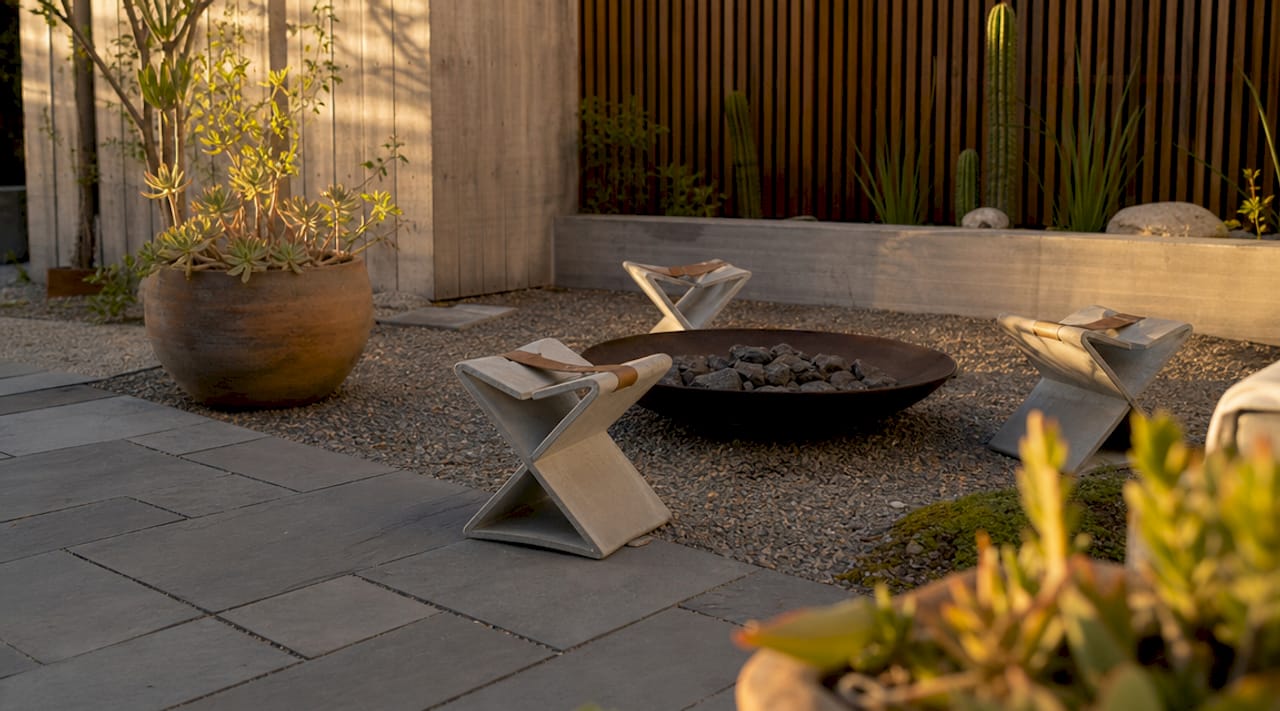
A successful backyard design style organizes space, planting, and materials in response to your home's architecture and site conditions, forming a durable framework rather than a trend-based aesthetic. This distinction matters because styles that align with your home's existing geometry and your local climate require less maintenance and look more intentional over time.
Here is a quick reference for each primary category:
- Modern Minimalist: Clean geometry, restrained planting, concrete or porcelain pavers, and strong indoor-outdoor connection
- Naturalistic or Rustic: Informal plant groupings, weathered natural materials, and a deliberately relaxed, organic feel
- Classical: Symmetry, proportion, structured hedges, topiary, and formal axes aligned with the home's facade
- Coastal: Open layouts, salt-tolerant plants, light-toned materials, and designs that work with wind and sun rather than against them
Pro Tip: Before committing to a style, photograph your home's exterior and identify its dominant architectural language. A Spanish Colonial home pairs naturally with Classical or Rustic elements. A flat-roofed contemporary home calls for Modern Minimalist geometry.
2. How multi-zone designs are reshaping backyards in 2026
The dominant shift in backyard planning for 2026 is the move away from single-feature yards toward multi-zone outdoor environments. Treating outdoor space as a series of rooms improves both functionality and long-term satisfaction, because each zone serves a specific daily ritual rather than a generic purpose.
The data behind this shift is concrete. According to Domino's 2026 outdoor trend report, 83% of homeowners plan for dedicated lounge and seating areas in their backyard projects. More than half also include quiet retreats or reading nooks. This tells you that homeowners are no longer designing for occasional use. They are designing for daily life outdoors.
The most common functional zones appearing in 2026 projects include:
- Lounge and seating zone: The social anchor of the yard, typically positioned near the home's main entry point
- Outdoor dining zone: Separate from the lounge, often adjacent to an outdoor kitchen or grill station
- Cooking and culinary zone: A built-in kitchen or prep area with countertop space, refrigeration, and a grill
- Fire feature zone: A fire pit or fireplace that serves as an evening gathering focal point
- Gardening zone: Raised beds, herb gardens, or dedicated planting areas for edibles
- Quiet retreat zone: A reading nook, hammock area, or shaded seat tucked away from the main entertaining spaces
Nearly half of 2026 backyard projects include both gardening spaces (49%) and outdoor cooking zones (48%). This reflects a clear preference for yards that support multiple daily activities rather than a single showpiece feature.
Pro Tip: When planning zones, connect them with intentional paths. Informal worn paths signal a lack of planning and reduce the perception of a designed space. Lay paver paths before planting to lock in your zone layout.
3. What defines modern outdoor design versus rustic garden styles?
Modern outdoor design and rustic garden styles represent opposite ends of the material and philosophical spectrum, yet both are among the most popular garden themes requested by homeowners today. Understanding the contrast helps you make a clear choice rather than blending the two into an incoherent hybrid.
Modern outdoor design is defined by intentional editing. It removes non-essential elements to create a cohesive experience that connects the home to the landscape. Modern does not mean cold or sterile. It means spatially efficient, with every material and plant earning its place. Concrete pavers, porcelain tile, ornamental grasses, and architectural shrubs like agave or phormium are characteristic materials and plants. Lighting plays a structural role, with layered techniques combining uplights, path lights, and string lights to add depth after dark.
Rustic garden styles take the opposite approach. Rustic design celebrates imperfection and the natural aging of materials like weathered wood, reclaimed stone, and hand-laid brick. High-quality natural materials settle into the landscape over time, creating warm, comfortable spaces that feel lived-in rather than staged. Cottage perennials, climbing roses, salvaged timber pergolas, and gravel paths are defining elements.
| Feature | Modern outdoor design | Rustic garden style |
|---|---|---|
| Primary materials | Concrete, porcelain, steel | Weathered wood, reclaimed stone, brick |
| Planting approach | Architectural, restrained, structured | Informal, layered, naturalistic |
| Maintenance level | Low to moderate | Moderate to high |
| Ambiance | Clean, calm, contemporary | Warm, relaxed, organic |
| Best match for | Contemporary or flat-roof homes | Craftsman, farmhouse, or cottage homes |
Pro Tip: Reducing lawn area in favor of gravel courtyards, defined hardscapes, and diverse planting reduces maintenance and increases year-round visual interest. This principle applies equally to modern and rustic styles.
4. Key considerations for classical and coastal backyard styles
Classical and coastal styles each respond to specific site and architectural conditions. Applying either without understanding those conditions produces a yard that looks forced rather than intentional.
Classical backyard style is built on symmetry, proportion, and structured planting. Classical landscape design uses hedges, topiary, and aligned trees to reinforce geometric order and align the outdoor space with the home's facade. This style works best with traditional architecture, including Mediterranean, Colonial, and formal European-influenced homes. Key elements include:
- Clipped boxwood or privet hedges defining garden rooms
- Formal water features such as rectangular reflecting pools or tiered fountains
- Symmetrical planting beds flanking a central axis or pathway
- Natural stone or brick paving in herringbone or running bond patterns
- Urns, statuary, or architectural planters as focal points
Coastal backyard style is defined by its response to environmental forces rather than resistance to them. Coastal landscapes work with wind, salt, and intense light conditions using open, airy designs and durable materials. In San Diego, this style is particularly relevant given the marine layer, salt air near the coast, and strong afternoon sun. Characteristic elements include:
- Salt-tolerant plants such as agave, sea lavender, ornamental grasses, and succulents
- Light-toned travertine, limestone, or bleached wood decking that reflects rather than absorbs heat
- Open pergola structures that allow airflow rather than blocking it
- Minimal fencing or low walls that preserve ocean views and breezes
- Natural fiber or powder-coated aluminum furniture that resists corrosion
Both styles reward careful material selection. Starting with permanent, immovable elements like drainage, surface materials, and structural layout before addressing furniture or accessories is the correct sequence. These early-stage decisions are costly to redo, and they determine whether the finished yard holds its style integrity over time.
5. Small yard design options that maximize every square foot
Small yard design options require a different planning mindset than large-lot projects. The goal shifts from accommodating every zone to selecting the two or three zones that matter most to your daily life and executing them with precision.
Vertical space becomes a primary design tool in compact yards. Climbing plants on wire trellises, wall-mounted planters, and tall narrow shrubs like Italian cypress create height without consuming ground area. A single well-placed pergola can define a dining zone and provide shade without reducing the perceived size of the space.
Material scale also matters significantly. Large-format pavers (24x24 inches or bigger) make small yards feel more expansive by reducing the number of grout lines the eye registers. Conversely, small mosaic or cobblestone patterns fragment the visual field and make tight spaces feel even smaller. Consistent material use across the entire ground plane, rather than mixing three or four different surfaces, creates visual continuity that reads as intentional design.
Mirroring the multi-zone concept in a compact format, a small yard can accommodate a lounge zone and a cooking zone separated by a low planting bed or a change in paver pattern rather than physical walls. The separation is implied rather than built, which preserves openness while still creating distinct functional areas.
Key takeaways
The most effective backyard design style is one that aligns with your home's architecture, your site's environmental conditions, and the daily rituals you want your outdoor space to support.
| Point | Details |
|---|---|
| Style is a framework, not a trend | Choose a style category based on your home's architecture and site conditions, not current aesthetics. |
| Zone-based planning drives satisfaction | Design for daily rituals across multiple zones rather than a single showpiece feature. |
| Material choice defines ambiance | Modern styles use concrete and porcelain; rustic styles use weathered wood and reclaimed stone. |
| Start with permanent elements | Lay out drainage, surface materials, and structural paths before selecting furniture or plants. |
| Small yards need edited zone plans | Select two or three priority zones and execute them precisely rather than trying to fit everything in. |
What I've learned from 49 years of San Diego backyards
After working on more than 2,900 projects across San Diego County, the pattern I see most often is homeowners who arrive with a style in mind but no zone plan. They know they want a modern yard or a coastal yard, but they have not thought through how they actually use outdoor space on a Tuesday evening versus a Sunday afternoon. Those are different activities, and they require different zones.
The 2026 trend toward experiential yards reflects something we have observed for years. The homeowners who are most satisfied with their finished projects are the ones who designed around habits, not features. A fire pit placed where the evening sun hits the yard at the right angle gets used every week. The same fire pit placed in the wrong corner gets used twice a year.
I also see a persistent mistake with style mixing. Modern and rustic elements can coexist, but only when one style is clearly dominant and the other is used as a deliberate accent. A rustic reclaimed wood pergola over a modern concrete patio works. Mixing rustic stone, modern porcelain, coastal bleached wood, and classical topiary in the same 800-square-foot yard does not work. Pick a primary style. Let it govern every material decision. Add one contrasting accent if you want warmth or texture. Stop there.
The other thing worth saying directly: the sequence of decisions matters as much as the decisions themselves. Drainage, grading, and surface materials come first. Furniture and plants come last. Homeowners who reverse this sequence spend money twice.
— David
Bring your backyard vision to life with Modernyardz
If you are ready to move from style inspiration to a built outdoor environment, Modernyardz delivers the full process under one roof. As San Diego's premier luxury landscape contractor, Modernyardz handles consultation, 2D architectural plans, photo-realistic 3D renderings, permitting, and construction with a single team and a single point of contact. Whether your project calls for a modern minimalist paver system, a coastal-inspired pool and spa, a custom outdoor kitchen, or a classical garden with structured planting and fire features, every build starts with a rendering you approve before construction begins. With 2,900+ completed projects and a 5.0-star Google rating, Modernyardz brings the experience and precision your property deserves.
FAQ
What are the main backyard design style types?
The four primary backyard design style types are Modern Minimalist, Naturalistic or Rustic, Classical, and Coastal. Each is defined by a distinct combination of structure, planting approach, and material palette that aligns with specific home architectures and site conditions.
How do I choose the right backyard design style?
Match your style choice to your home's architectural language, your local climate, and the daily activities you want your yard to support. A flat-roof contemporary home suits Modern Minimalist design; a Craftsman or farmhouse home pairs naturally with Rustic or Classical elements.
What is the most popular backyard trend in 2026?
The dominant 2026 trend is the experiential yard, which organizes outdoor space into multiple functional zones for daily use. 83% of homeowners plan dedicated lounge areas, and nearly half include both gardening and outdoor cooking zones in their projects.
Can I mix modern and rustic backyard styles?
Modern and rustic elements can coexist when one style is clearly dominant and the other serves as a deliberate accent. Mixing multiple styles without a clear hierarchy produces a visually fragmented result that reads as unplanned rather than eclectic.
What should I design first in a backyard makeover?
Start with permanent, immovable elements: drainage, grading, surface materials, and structural paths. These decisions are costly to redo and determine whether your finished yard holds its style integrity over time. Furniture and plants come last.
Recommended
Start Your Free Design Consultation
Tell us about your project and we'll be in touch within 24 hours. No pressure, no obligation.
Ready to design your dream yard?
Tell us about your project. We'll send back a real plan, not a templated quote.
Book My Free Consultation→