Do I Need a Permit for an Outdoor Kitchen? The 2026 Rules
You’ve got the vision. A sprawling stone countertop, a built-in grill sizzling away, a sink for easy cleanup, maybe even a pizza oven and a beverage fridge.
You’ve got the vision. A sprawling stone countertop, a built-in grill sizzling away, a sink for easy cleanup, maybe even a pizza oven and a beverage fridge. It’s the heart of your backyard dream, the place where memories will be made. But then, a nagging, bureaucratic question creeps in: do i need a permit to build an outdoor kitchen?
It’s a question our team at Modern Yardz answers every single week, and let's be honest, the answer isn't a simple 'yes' or 'no'. It's a frustrating 'it depends,' and in 2026, the variables that influence that answer are more complex than ever. We've seen homeowners get tangled in red tape for months, while others (often mistakenly) sail through without a second thought. The difference often comes down to understanding the triggers—the specific elements of your project that catch the eye of your local building department. And that's exactly what we're going to unpack here, from our years of hands-on experience.
The Short Answer is Almost Always 'Yes'
Let’s get this out of the way first. If you're asking, “do i need a permit to build an outdoor kitchen?†the safest, most responsible assumption is yes, you probably do. Why? Because a true outdoor kitchen isn't just a grill on a cart. It’s a permanent structure with complex systems. Once you start running new utility lines—gas for the grill, electrical for the fridge and lights, plumbing for the sink and ice maker—you’ve entered permit territory. Full stop. San Diego Municipal Code §129.0203 is explicit that a building-permit exemption is not an exemption from electrical, plumbing or mechanical permits.
Our team has found that local authorities are primarily concerned with safety. They want to ensure that gas lines are installed correctly to prevent leaks, electrical wiring is properly grounded and protected from the elements to prevent fires, and plumbing is connected to your home’s waste system without creating health hazards. These aren’t just bureaucratic hurdles; they are critical safety checks. The permit process, as cumbersome as it can feel, is designed to protect you, your family, and your property. So while it’s tempting to find a loophole, the real question isn’t just “do i need a permit to build an outdoor kitchen?†but “what elements of my dream kitchen design will require professional sign-off for safety and compliance?†This shift in perspective is crucial.
What Officially Triggers a Permit?
This is where the details matter. A simple masonry island for your standalone grill probably won't require a permit — the City of San Diego's Information Bulletin 201 confirms that some gas-burning barbecues, fire pits and fireplaces need no Building/Combination permit at all, though a Plumbing or Electrical permit may still apply. But the moment you start integrating utilities or building a substantial structure, the game changes. Here's the breakdown of the most common triggers we see in our projects.
1\. Utility Connections (Gas, Electric, Plumbing) This is the biggest one. We can't stress this enough: if your project involves running new utility lines, the answer to “do i need a permit to build an outdoor kitchen?†is a resounding yes.
- Gas Lines: Whether you’re connecting to a natural gas line from your house or installing a large, permanent propane tank, this work must be permitted and inspected. A faulty gas connection is a catastrophic risk. Inspectors will verify the pipe material, the depth it’s buried, the shut-off valve locations, and the connection integrity. There is absolutely no wiggle room here.
- Electrical Wiring: An outdoor kitchen often requires new circuits for refrigerators, outlets for blenders, dedicated power for a rotisserie, and, of course, proper illumination. Our Landscape Lighting SAN Diego installations always follow strict code. Any new wiring, especially in an outdoor, wet environment, requires a permit. Inspectors will check for GFCI (Ground Fault Circuit Interrupter) outlets, proper conduit for buried wires, and a correctly sized breaker in your main panel. Again, this is a non-negotiable safety requirement.
- Plumbing and Drains: Adding a sink with hot and cold running water? An ice maker? A dishwasher? You're tapping into your home’s potable water supply and its sanitary drainage system. This work absolutely requires a permit. Health departments have stringent rules about preventing backflow and ensuring wastewater is handled correctly. You don’t want your outdoor sink contaminating your indoor drinking water. It’s a serious issue, and it's a huge factor when you ask, do i need a permit to build an outdoor kitchen?
2\. Structural Elements Beyond utilities, the physical structure of your kitchen can also trigger permit requirements. This is where a lot of homeowners get tripped up. The project might start as a simple island but evolve into something much more substantial.
- Permanent Foundations or Footings: If your kitchen is built on a new concrete slab or has deep footings to support a heavy structure, a permit is typically required. The building department wants to ensure the foundation is stable and won't heave or crack with seasonal changes. This is especially true for our Concrete SAN Diego projects, which are engineered for longevity.
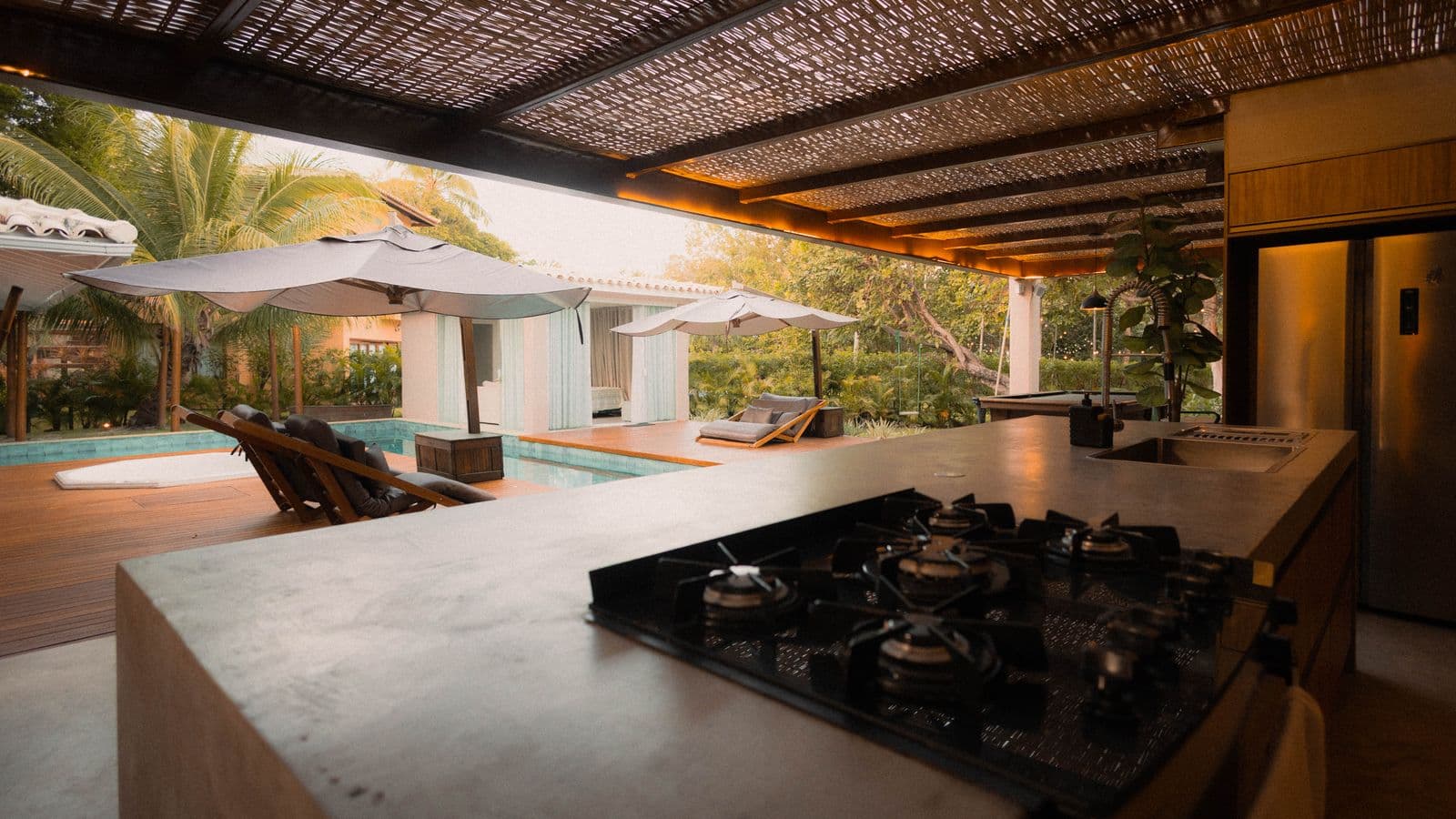
- Roof Structures: Are you planning to cover your outdoor kitchen with a pergola, pavilion, or a solid roof extension? This is a huge permit trigger. Any overhead structure, especially one attached to your house, has to meet codes for wind resistance, snow load (depending on your climate), and structural integrity. Our expertise in Patio Covers Pergolas SAN Diego ensures these structures are not only beautiful but fully compliant from day one.
- Walls and Height: If your outdoor kitchen includes a high backsplash, a half-wall for seating, or is part of a larger Seat Retaining Walls project, its height and construction could require a permit. There are often local rules about how tall a structure can be before it needs an official review — San Diego Municipal Code §129.0203, for instance, does not exempt retaining walls over 3 feet. When planning, you must ask, do i need a permit to build an outdoor kitchen if it includes these vertical elements?
3\. Location and Setbacks Even the placement of your kitchen in your yard matters. Every municipality has zoning rules called 'setbacks,' which dictate how far a structure must be from your property lines, other buildings, and sometimes even natural features like slopes or wetlands. Your proposed kitchen can't be too close to your neighbor's fence. It can't impede utility easements. Placing a permanent structure in the wrong spot can lead to a tear-down order, even if it’s beautifully built. This is a critical part of the initial Landscape Design SAN Diego phase, where we map out all these invisible boundaries before a single shovel hits the ground.
Navigating the Permit Process: A 2026 Overview
So, you've determined the answer to “do i need a permit to build an outdoor kitchen?†is yes. Don't panic. The process is manageable, especially with a professional partner. While the specifics vary by municipality, the general steps are consistent.
- Design & Drawings: You’ll need a detailed plan. This isn't a sketch on a napkin. It’s a set of architectural drawings that show the kitchen’s dimensions, location on your property (a site plan), materials, and, most importantly, detailed schematics for the electrical, gas, and plumbing systems. This is where a professional design package, like our Luxe Design Package, becomes invaluable. It ensures every detail is documented to code.
- Application Submission: You or your contractor will submit the drawings and a permit application to your local building department. The plans are then reviewed by various departments—structural, electrical, plumbing, and zoning—to ensure they comply with all local codes and regulations.
- Review & Revisions: It’s common for the department to come back with questions or require minor revisions. This is a normal part of the process. An experienced contractor knows how to anticipate these requests and respond quickly to keep the project moving. Answering “do i need a permit to build an outdoor kitchen?†is just the first step; navigating the review is the next.
- Permit Issuance: Once the plans are approved, the permit is issued. Hooray! You can now begin construction. The permit must be posted visibly on the job site.
- Inspections: This is the most critical phase. As work is completed, a city inspector must visit the site to approve it before you can proceed. There will be separate inspections for the footings, the rough-in plumbing, the gas lines (including a pressure test), the rough-in electrical, and then a final inspection once everything is complete. These inspections are non-negotiable. They are your proof that the work was done to code.
- Final Approval: After the final inspection passes, the permit is 'closed out,' and your project is officially complete and documented in the city's records. This is crucial for your home's value and for any future sales.
Comparing Project Scopes and Permit Needs
To make this clearer, let's look at a few common scenarios. Understanding these distinctions is key when you ask yourself, do i need a permit to build an outdoor kitchen?
Project Type
Key Features
Likely Permit Triggers
Modern Yardz Recommendation
The Simple Grill Island
A masonry or stone island to house a standalone propane grill. No connected utilities.
Generally none. May need a zoning check for placement/setbacks.
Low permit risk. Focus on durable materials like high-quality Pavers SAN Diego for the base.
The Functional Kitchenette
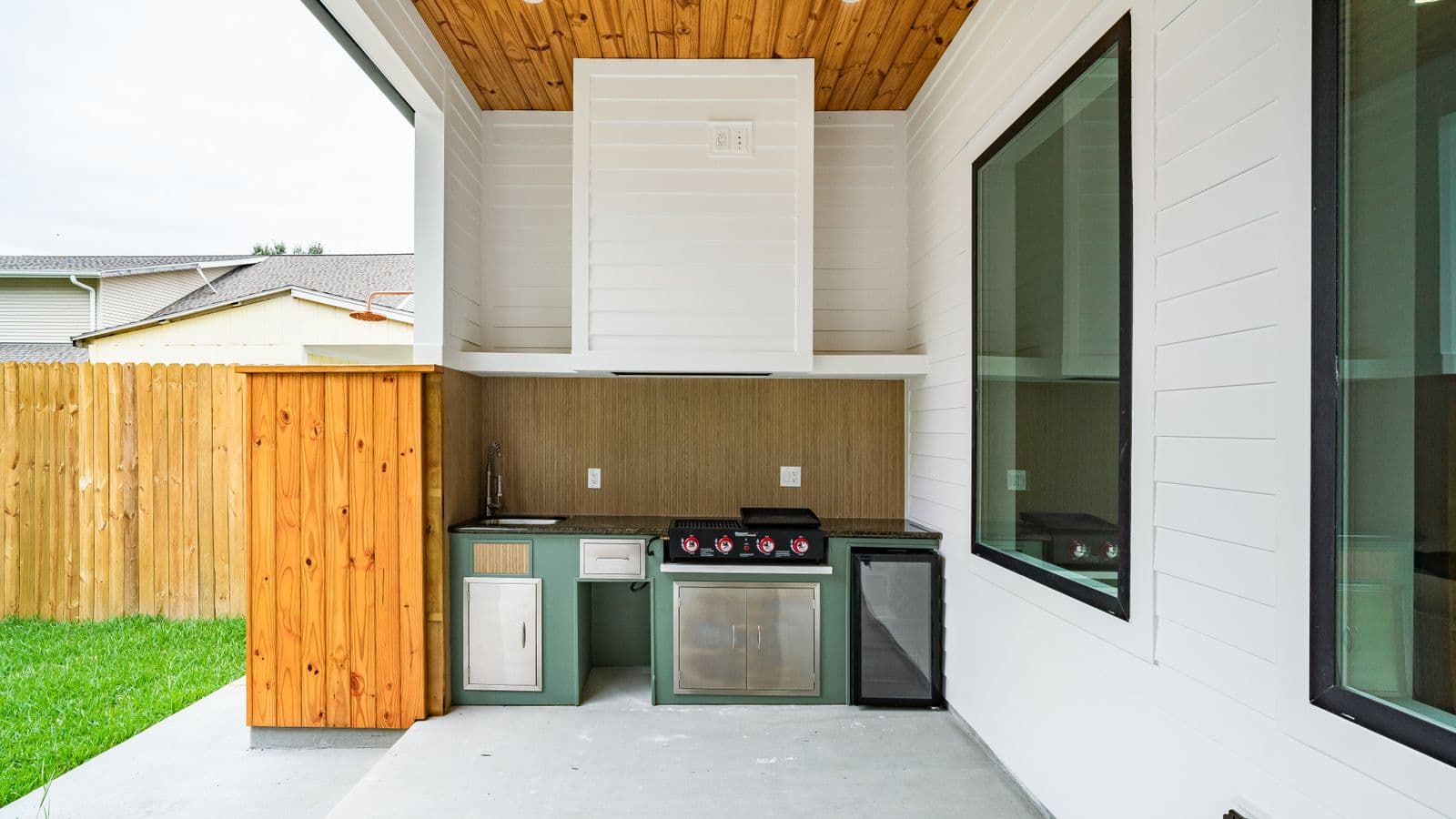
Built-in grill (natural gas), small sink (cold water drain only), and a couple of GFCI outlets.
Definite. Gas line, electrical wiring, and plumbing all require separate permits and inspections.
This is the most common project type. The answer to 'do i need a permit to build an outdoor kitchen?' is an absolute 'yes'. Budget for permit fees and inspection time.
The Covered Entertainment Hub
A full kitchen with grill, sink, fridge, side burners, and a permanent roof structure or large pergola.
Multiple permits required. Structural permit for the cover, plus permits for gas, electric, and plumbing. Possible grading permit if the site is sloped.
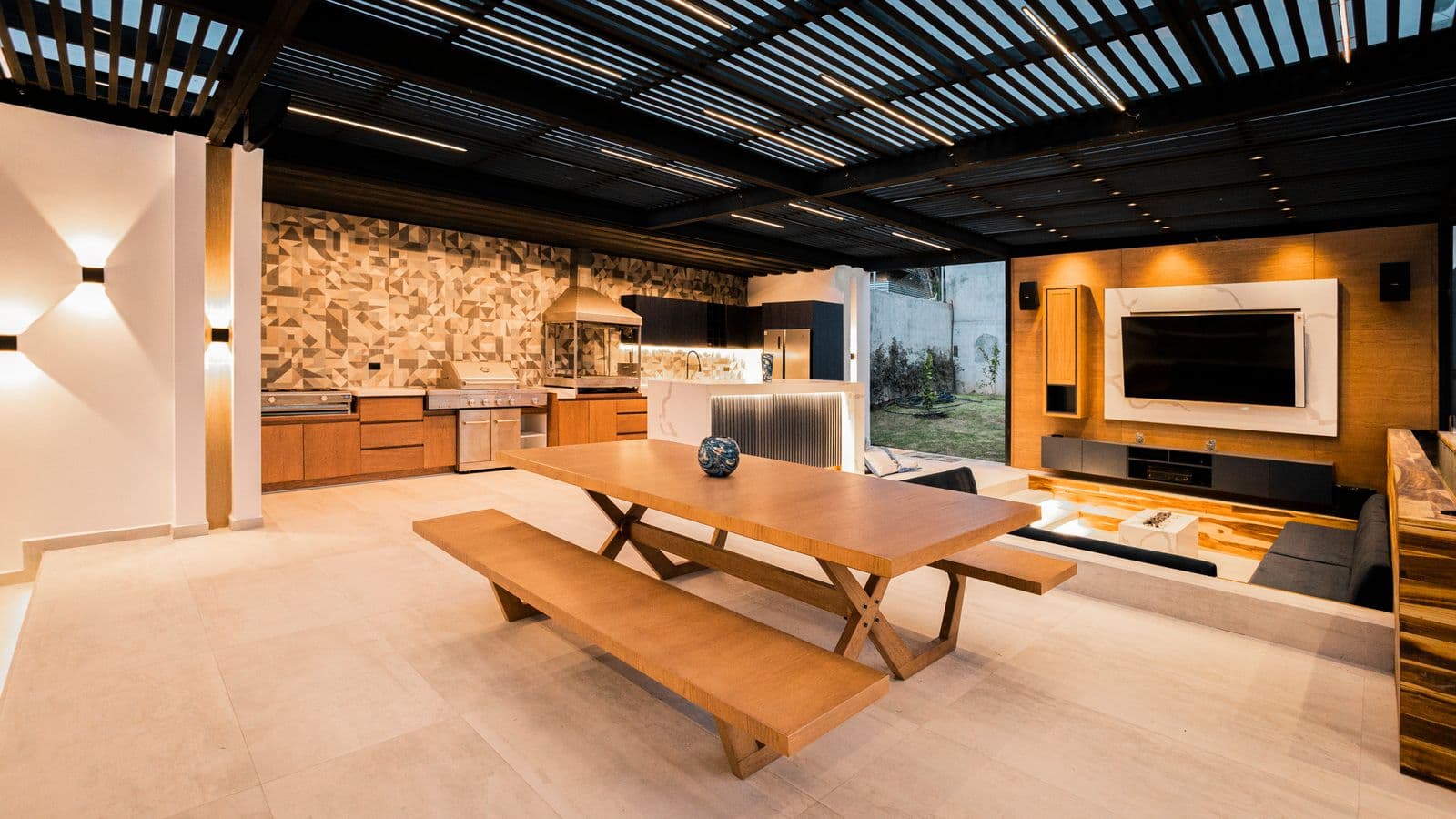
This is a major construction project. Our Outdoor Kitchens SAN Diego service manages this entire complex process from initial design to final sign-off.
The Luxury Pavilion
A comprehensive outdoor room with a kitchen, fireplace, extensive lighting, media connections, and maybe even ceiling fans.
Comprehensive permit package. This involves structural, electrical, plumbing, gas, and potentially mechanical permits. Zoning review is extensive.
A project of this scale demands a full-service design-build firm. The question isn't just 'do i need a permit to build an outdoor kitchen?', but how to coordinate a half-dozen permits seamlessly.
The High Cost of Skipping the Permit
We get it. The temptation to bypass the process is real. It seems like a way to save time and money. But our experience shows it’s a shortsighted gamble with potentially disastrous consequences. The risks are just too high.
- Stop-Work Orders: If a neighbor reports you or a code enforcement officer drives by, you can be hit with a stop-work order. This shuts down your project immediately. You'll then have to retroactively apply for permits, which often involves opening up walls or trenching to show the work that's already been done. It's a nightmare.
- Fines and Penalties: Municipalities don't take kindly to unpermitted work. The fines can be substantial, often double or triple the original permit fee. The question of do i need a permit to build an outdoor kitchen becomes painfully clear when you're writing a check for penalties.
- Forced Demolition: In a worst-case scenario, if the work is unsafe or violates zoning in a way that can't be corrected, you could be ordered to tear the entire thing down. All of your investment, gone.
- Insurance Complications: If an unpermitted gas line causes a fire, or faulty wiring injures someone, your homeowner's insurance will almost certainly deny the claim. They are not obligated to cover damages resulting from illegal, non-compliant construction. This is a catastrophic financial risk.
- Problems Selling Your Home: When you sell your house, unpermitted work is a major red flag for buyers and lenders. It can derail a sale or force you to either legalize the work at great expense or tear it out before closing. Having a closed permit on file protects your home's value.
Honestly, the peace of mind that comes from doing it right the first time is priceless. Knowing your beautiful new kitchen is safe, compliant, and a legitimate asset to your home is worth every bit of the effort the permit process requires.
How a Professional Partner Streamlines Everything
This is where a design-build firm like Modern Yardz makes all the difference. The question “do i need a permit to build an outdoor kitchen?†is the start of a journey, and you don’t have to walk it alone. When you partner with an experienced team, we handle the entire labyrinthine process for you.
Our process begins with a comprehensive understanding of your local codes. We don’t just design beautiful spaces; we design _buildable_ and _permittable_ spaces. Our architectural plans are created specifically to meet and exceed local requirements, which smooths the submission process. We handle the paperwork, the submissions, and all communication with the building department. We know the reviewers, we speak their language, and we know how to answer their questions efficiently. This is a critical part of our Landscape Design SAN Diego service.
We also schedule and manage all the on-site inspections. Our project managers meet the inspectors, walk them through the work, and ensure everything is ready for their approval. This coordination prevents costly delays and ensures your project keeps moving forward. Whether it's a complex installation involving our Pools AND Spas team or a focused Outdoor Kitchens SAN Diego project, this integrated management is key.
Ultimately, working with a professional transforms the daunting question of “do i need a permit to build an outdoor kitchen?†from a major homeowner headache into a simple checklist item that your expert team handles on your behalf. It allows you to focus on the exciting parts—choosing your finishes, planning your first cookout, and dreaming of the years of enjoyment to come.
So, as you plan your ultimate backyard escape for 2026, remember that the foundation of a truly great outdoor kitchen isn't just the stone and steel. It's the confidence that comes from building it safely, correctly, and in full compliance with the rules designed to protect you. It’s a project that demands expertise, and ensuring it’s done right from the very beginning is the smartest investment you can make.
Start Your Free Design Consultation
Tell us about your project and we'll be in touch within 24 hours. No pressure, no obligation.
Common questions
- Does a standalone grill island need a permit?
- Generally no. A simple masonry or stone island housing a standalone propane grill, with no connected utilities, usually requires no permit. You may still need a zoning check for placement and setbacks, but it carries low permit risk. Adding gas, electrical, or plumbing lines changes the answer to a definite yes.
- What triggers a permit for an outdoor kitchen?
- Three things trigger permits. First, utility connections: new gas, electrical, or plumbing lines are the biggest trigger. Second, structural elements: permanent foundations or footings, roof structures like pergolas or pavilions, and certain walls or heights. Third, location: zoning setbacks that dictate how far a structure must sit from property lines, buildings, and utility easements.
- What happens if I build without a permit?
- You risk serious consequences. Building without a permit can bring a stop-work order that halts your project immediately, fines often double or triple the original permit fee, and in the worst case forced demolition of the entire structure. Unpermitted work can also void homeowner's insurance claims after a fire or injury, and it becomes a major red flag that can derail selling your home.
- What inspections does an outdoor kitchen require?
- Expect several separate inspections during construction: the footings, the rough-in plumbing, the gas lines including a pressure test, the rough-in electrical, and a final inspection once everything is complete. A city inspector must approve each stage before you proceed, and final approval closes out the permit in the city's records.
- How does the outdoor kitchen permit process work?
- It follows six general steps. You start with detailed design drawings and system schematics, submit the application to your local building department, respond to any review revisions, receive the issued permit and post it visibly on-site, pass staged inspections as work completes, then earn final approval that closes out the permit. Specifics vary by municipality.
Ready to design your dream yard?
Tell us about your project. We'll send back a real plan, not a templated quote.
Book My Free Consultation→