We've all been there, haven't we? That pristine, newly laid gravel driveway, a real testament to thoughtful outdoor design, starts to show unwelcome green shoots. It's a frustrating sight, a significant detractor from curb appeal, and frankly, a relentless battle for many homeowners. Our team at Modern Yardz understands this challenge intimately. We're not just about crafting beautiful Landscape Design SAN Diego projects; we're also about helping you maintain the integrity and aesthetic of your entire outdoor space, and knowing how to remove grass from a gravel driveway is a critical piece of that puzzle. We mean this sincerely: a well-maintained driveway dramatically enhances your property's overall presentation.
In 2026, with demanding schedules and high expectations for our homes, tackling this issue needs an efficient, effective approach. You want solutions that work, not just temporary fixes. Our experience shows that with the right strategies and a bit of persistence, you absolutely can keep your gravel driveway free from encroaching grass. Let's be honest, this is crucial for the long-term beauty and functionality of your property. We're going to share our refined methods, the very same ones we recommend to our clients, ensuring you know precisely how to remove grass from a gravel driveway and keep it gone.
Understanding the Enemy: Why Grass Thrives in Gravel
Before we dive into the 'how-to,' let's talk 'why.' Why does grass seem to love gravel driveways so much? It's not a coincidence; it's a combination of factors, a formidable challenge that requires an unflinching approach. Gravel, by its very nature, provides an almost ideal environment for weed seeds to germinate and thrive. Those tiny crevices between stones collect soil, dust, and organic debris over time, creating a nutrient-rich seedbed. Rainwater filters through easily, offering consistent moisture. Sunlight reaches the ground, fueling growth. It's a perfect storm, really, for unwanted vegetation. Our team often observes that inadequate initial preparation is a key culprit. If the sub-base isn't properly installed with a weed barrier, or if the gravel depth is insufficient, you're practically inviting this relentless green assault. Understanding these root causes is the first step in formulating a truly effective plan for how to remove grass from a gravel driveway.
Proactive Measures: The Best Defense is a Good Offense
Prevention, as we've consistently found, is always easier than a cure. If you're installing a new gravel driveway or renovating an existing one, this is your prime opportunity to implement robust preventative measures. We can't stress this enough. A significant, sometimes dramatic shift in long-term maintenance can be achieved through thoughtful planning right from the start. Here's what we've learned makes the biggest difference:
Proper Base Preparation and Weed Barriers
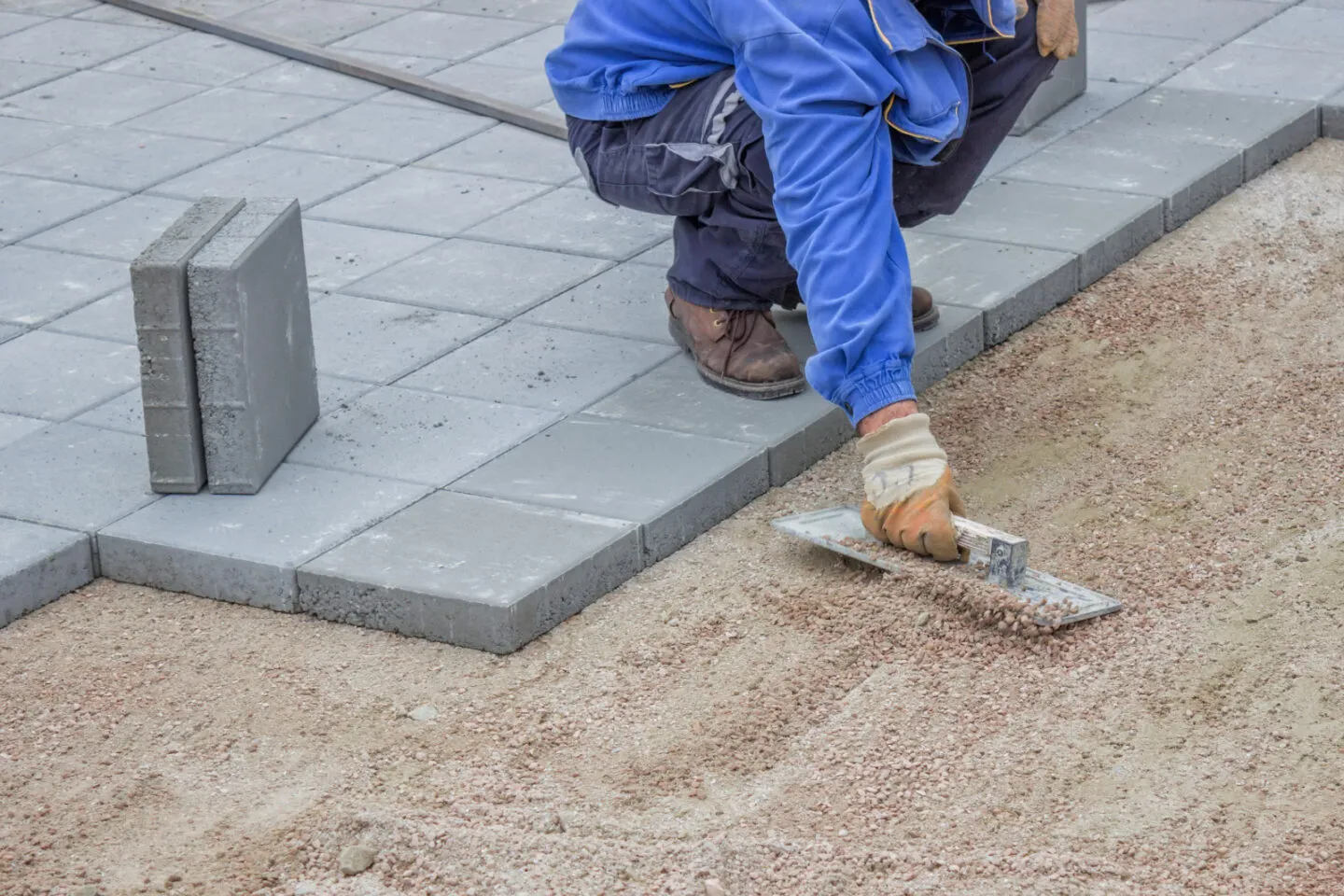
This is the critical, non-negotiable element. When Modern Yardz designs and builds outdoor spaces, whether it's for Pavers SAN Diego or a gravel area, we emphasize a solid foundation. For gravel, this means excavating the area to an adequate depth, laying down a robust geo-textile fabric (a high-quality commercial-grade weed barrier), and then adding a layer of crushed stone or road base before the final decorative gravel layer. This fabric acts as a formidable physical barrier, preventing weeds from growing up through the gravel. It also stabilizes the base, ensuring your gravel doesn't sink into the soil over time. Honestly, though, skipping this step is a common mistake we see homeowners make, and it almost always leads to a perpetual struggle with grass. It's an investment, yes, but one that pays dividends in reduced maintenance and prolonged aesthetic appeal. We've seen it work, time and time again.
Adequate Gravel Depth and Type
Another consideration, and it's a vital one, revolves around the gravel itself. Our experience shows that a minimum of 4-6 inches of gravel is necessary. This depth helps suppress weed growth by depriving seeds near the surface of sufficient light and anchoring them too far from the nutrient-rich soil below. The type of gravel matters, too. Angular, interlocking gravel compacts better and is less prone to shifting, which can expose the underlying soil. Rounded river stones, while beautiful, tend to shift more, creating pockets where soil and seeds can accumulate. When we're planning elements like Fire Features or outdoor living areas that incorporate gravel, we always advise on the optimal material and depth to ensure longevity and minimal maintenance.
Edging and Border Control
Defining the edges of your driveway can also significantly help. Installing a robust border, such as concrete, Seat Retaining Walls, or a deeply set metal or plastic edging, creates a physical barrier that prevents grass from creeping in from adjacent lawns or garden beds. It's a simple concept, but incredibly effective in limiting the spread. We've found that a well-defined edge not only enhances the visual appeal of your driveway but also drastically reduces the area where grass can gain a foothold. This approach (which we've refined over years) delivers real results in maintaining a crisp, clean line for your gravel pathway.
Active Removal Methods: How To Remove Grass From A Gravel Driveway
Even with the best preventative measures, some grass will inevitably find its way in. It's the relentless nature of gardening, right? The key is to address it promptly and effectively. Here's a breakdown of the most common and successful methods our team employs and recommends for how to remove grass from a gravel driveway.
Manual Removal: The Old-Fashioned Way
There's something undeniably satisfying about pulling weeds by hand, especially if you've got a small area. This method is incredibly effective for young, shallow-rooted grasses and scattered weeds. We recommend doing this after a rain or after watering the area, as the softened soil (and debris within the gravel) makes pulling much easier, ensuring you get the entire root system. Tools like a hori-hori knife, a crack weeder, or even a sturdy screwdriver can be invaluable for prying out stubborn invaders from between the stones. It's labor-intensive, no doubt, but it's chemical-free and offers immediate gratification. Our team often uses this for precision work around intricate Landscape Lighting SAN Diego installations, where chemicals might be undesirable.
Thermal Methods: Burning Away the Problem
For those looking for a chemical-free yet less labor-intensive approach, thermal methods are a solid option. Weed burners, which attach to a propane tank, use intense heat to instantly destroy plant cells. The grass wilts and dies within minutes. This method is excellent for how to remove grass from a gravel driveway in larger patches, but it's crucial to exercise extreme caution. You're dealing with an open flame, so always have a water source nearby and avoid using it on windy days or near flammable materials. Remember, this primarily kills the top growth; deeper roots might regrow, so repeat applications are often necessary. It's a quick fix, though, and quite satisfying to watch.
Organic Herbicides: Nature's Little Helpers
If you prefer not to use synthetic chemicals but manual labor isn't feasible for your entire driveway, consider organic herbicides. Products with active ingredients like acetic acid (vinegar, often horticultural strength) or d-limonene (citrus oil) can effectively kill grass and weeds. They work by rapidly dehydrating the plant tissue. Apply them on a hot, sunny day for the best results, as the heat helps accelerate their action. Just like synthetic herbicides, apply carefully to avoid harming desirable plants in adjacent beds. We always advise clients to read labels thoroughly and understand the specific instructions for each product when considering how to remove grass from a gravel driveway with these solutions.
Chemical Herbicides: When You Need the Big Guns
For widespread, stubborn grass infestations, especially if you're dealing with extensive areas, chemical herbicides can be the most efficient solution. There are two main types: non-selective (which kill any plant they contact) and selective (which target specific types of plants). For a gravel driveway, a non-selective herbicide containing glyphosate or glufosinate is typically used. These are systemic, meaning they're absorbed by the plant and translocated to the roots, providing a more complete kill. Always apply on a calm day to prevent drift onto desirable plants, and wear appropriate personal protective equipment. We recommend following all manufacturer instructions rigorously. While effective, our team views chemical solutions as a last resort, always prioritizing environmental safety and long-term landscape health. It's a powerful tool for how to remove grass from a gravel driveway, but one that demands respect and careful handling.
Comparison of Grass Removal Methods
Here's a quick look at the advantages and disadvantages of different grass removal strategies we've discussed, helping you choose the best approach for your situation in 2026.
| Method |
Pros |
Cons |
Best Use Case |
| Manual Pulling |
Cost-effective, chemical-free, precise |
Labor-intensive, time-consuming |
Small areas, delicate landscaping, young weeds |
| Weed Burner |
Chemical-free, fast initial kill |
Temporary, fire hazard, consumes propane |
Spot treatment, quick kills, established weeds |
| Organic Sprays |
Chemical-free (natural ingredients), fast |
Can be less potent, may require repeat apps |
Small to medium areas, environmentally conscious |
| Chemical Sprays |
Highly effective, systemic kill |
Chemical exposure, potential environmental impact |
Large areas, persistent infestations, tough weeds |
| Edging/Barriers |
Prevents future ingress, long-term |
Upfront cost, installation effort |
New installations, perimeter protection, defining spaces |
Long-Term Maintenance: Keeping Your Driveway Pristine
Knowing how to remove grass from a gravel driveway is one thing; keeping it clear is another entirely. Ongoing maintenance is what truly preserves that impeccable look. It's about consistency, not just crisis management. Our philosophy at Modern Yardz is that beautiful outdoor spaces require consistent, thoughtful care.
Regular Inspections and Spot Treatment
Make it a habit to walk your driveway regularly, perhaps once a week or every other week. Catching young grass shoots early makes removal significantly easier, often requiring just a quick pull or a targeted spray. Don't let them get established! This proactive vigilance is paramount. It prevents those small, manageable issues from snowballing into a full-blown infestation that demands a much more intense intervention. This is precisely the kind of diligence we apply when maintaining the intricate details of a newly installed Outdoor Kitchens SAN Diego or a stunning Pools AND Spas area, where cleanliness is key.
Raking and Redistributing Gravel
Over time, gravel can settle, creating low spots where organic matter accumulates. Regularly raking and redistributing your gravel helps prevent these pockets from forming, disrupting any nascent weed growth. It also helps expose buried seeds to the sun, drying them out before they can germinate. A good gravel rake with sturdy tines is an indispensable tool here. This simple task can really go a long way in your ongoing efforts for how to remove grass from a gravel driveway.
Topping Up Gravel as Needed
As gravel inevitably disperses or settles, its depth can diminish, especially in high-traffic areas. This reduction in depth makes your driveway more susceptible to weed growth. We recommend topping up your gravel every few years (or as needed) to maintain the optimal 4-6 inch depth. This isn't just about weed prevention; it also helps maintain the structural integrity and aesthetic appeal of your driveway. It’s part of the comprehensive care we discuss with clients for their entire outdoor environment, from Patio Covers Pergolas SAN Diego to their entryways.
Consider Alternatives for Problematic Areas
If a particular section of your gravel driveway is a perennial headache, despite all your best efforts to remove grass from a gravel driveway, it might be time to rethink that specific area. Could a small section be paved with Concrete SAN Diego or Pavers SAN Diego? Perhaps incorporating a strip of Artificial Turf SAN Diego as a border could provide a low-maintenance, aesthetically pleasing solution. Our team specializes in creative solutions like these, transforming problem areas into beautiful, functional features. Sometimes, a slight design modification can alleviate years of frustration.
When to Call in the Experts: Modern Yardz Can Help
We get it. Life is busy. Between work, family, and everything else, dedicating significant time to battle driveway grass might not be high on your priority list, even with the best intentions for how to remove grass from a gravel driveway. Or perhaps you're facing an overwhelming infestation that feels beyond your capacity. This is precisely where our expertise comes in. Modern Yardz offers comprehensive landscape solutions, and that includes ensuring every element of your outdoor space, right down to your driveway, is impeccably maintained.
If you're tired of the relentless fight, or if you're planning a new gravel driveway and want to ensure it's installed correctly from day one with maximum weed prevention, we're here to assist. Our team can assess your specific situation, provide tailored recommendations, and even handle the entire process for you. From initial Standard Design Package consultations to full-scale installations and maintenance plans, we ensure your outdoor space remains beautiful and functional. Don't let invasive grass detract from the beauty of your home. Let us help you achieve and maintain the pristine landscape you deserve. We're committed to building spaces where memories are made, and that starts with the details, like a perfectly clear driveway. Ready to transform your outdoor living? [BOOK MY FREE CONSULTATION].
FAQs



.webp)
.webp)