How Long Does a Retaining Wall Last? Our Expert Insights
You've invested in your outdoor space, cultivating a personal oasis, and perhaps that includes a robust retaining wall.
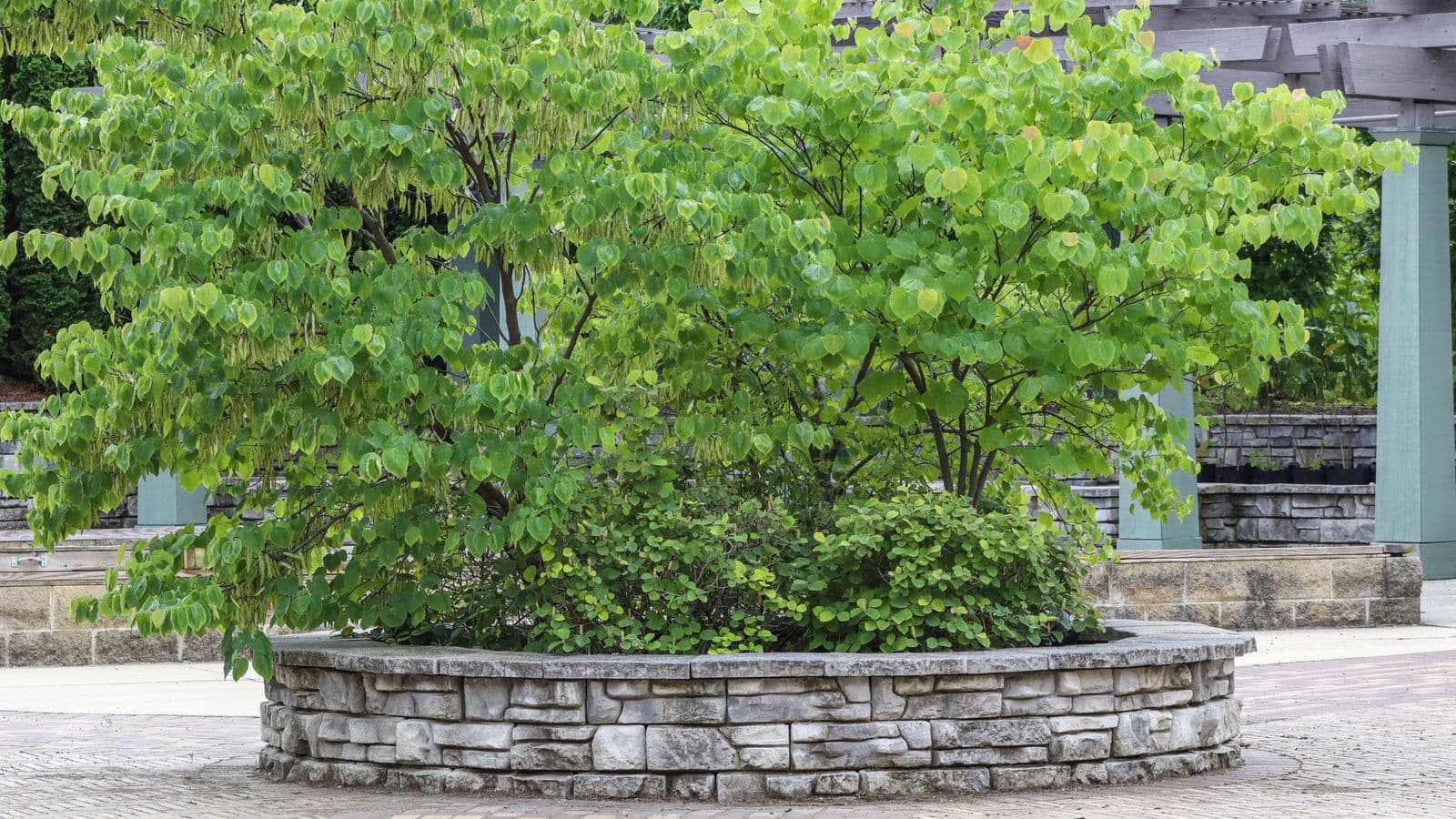
You've invested in your outdoor space, cultivating a personal oasis, and perhaps that includes a robust retaining wall. But here’s the million-dollar question we hear all the time: how long does a retaining wall last? It’s not a simple 'X number of years' answer, honestly. The reality is, a retaining wall's longevity is a complex interplay of design, material, installation quality, and ongoing maintenance. Our team at Modern Yardz has seen it all over the decades, from walls that stand strong for generations to those that unfortunately fail prematurely.
This isn't just about aesthetics; it’s about structural integrity, protecting your property, and ensuring safety. As we navigate 2026, understanding these nuances is more crucial than ever, especially with evolving material science and construction techniques. We're going to break down everything you need to know about what impacts how long does a retaining wall last, offering our collective expertise to help you build or maintain a wall that truly endures.
The Crucial Factors Influencing Retaining Wall Lifespan
When homeowners ask us, 'how long does a retaining wall last?' we immediately point to several pivotal elements. Think of these as the pillars of durability. Neglect even one, and you could be shaving years off your wall's expected service life. It's a significant, sometimes dramatic shift in potential longevity.
Material Selection: The Foundation of Durability
Let's be honest, this is crucial. The material you choose fundamentally dictates the initial potential lifespan of your retaining wall. Different materials inherently possess varying levels of resilience against weather, erosion, and structural stress. We've found that this choice often defines the entire project's future.
- Timber/Wood: Generally, treated timber retaining walls might last anywhere from 20 to 40 years, sometimes less, depending on the wood type and climate. Untreated wood? Much shorter, often just 5-10 years before rot and insect damage become severe. It’s an economical choice upfront, but requires vigilant inspection. When considering Seat Retaining Walls for a more informal, natural look, timber can be appealing, but its lifespan needs careful management.
- Segmental Concrete Blocks (SRW): These are incredibly popular for a reason. Well-built SRW walls can easily last 50 to 100 years. Their interlocking design and concrete composition make them highly resistant to rot and pests. They're a fantastic, durable option that our Landscape Design SAN Diego team often recommends for both functional and aesthetic purposes. So, for these, how long does a retaining wall last? A very long time indeed.
- Poured Concrete: This is the heavyweight champion of retaining wall materials. A properly engineered and constructed poured concrete wall can last 75 to 100 years, or even more, with minimal maintenance. It's incredibly strong, providing a monolithic barrier. We often use this for larger, more structurally demanding applications where sheer strength is paramount. When we talk about how long does a retaining wall last, poured concrete often sets the high bar.
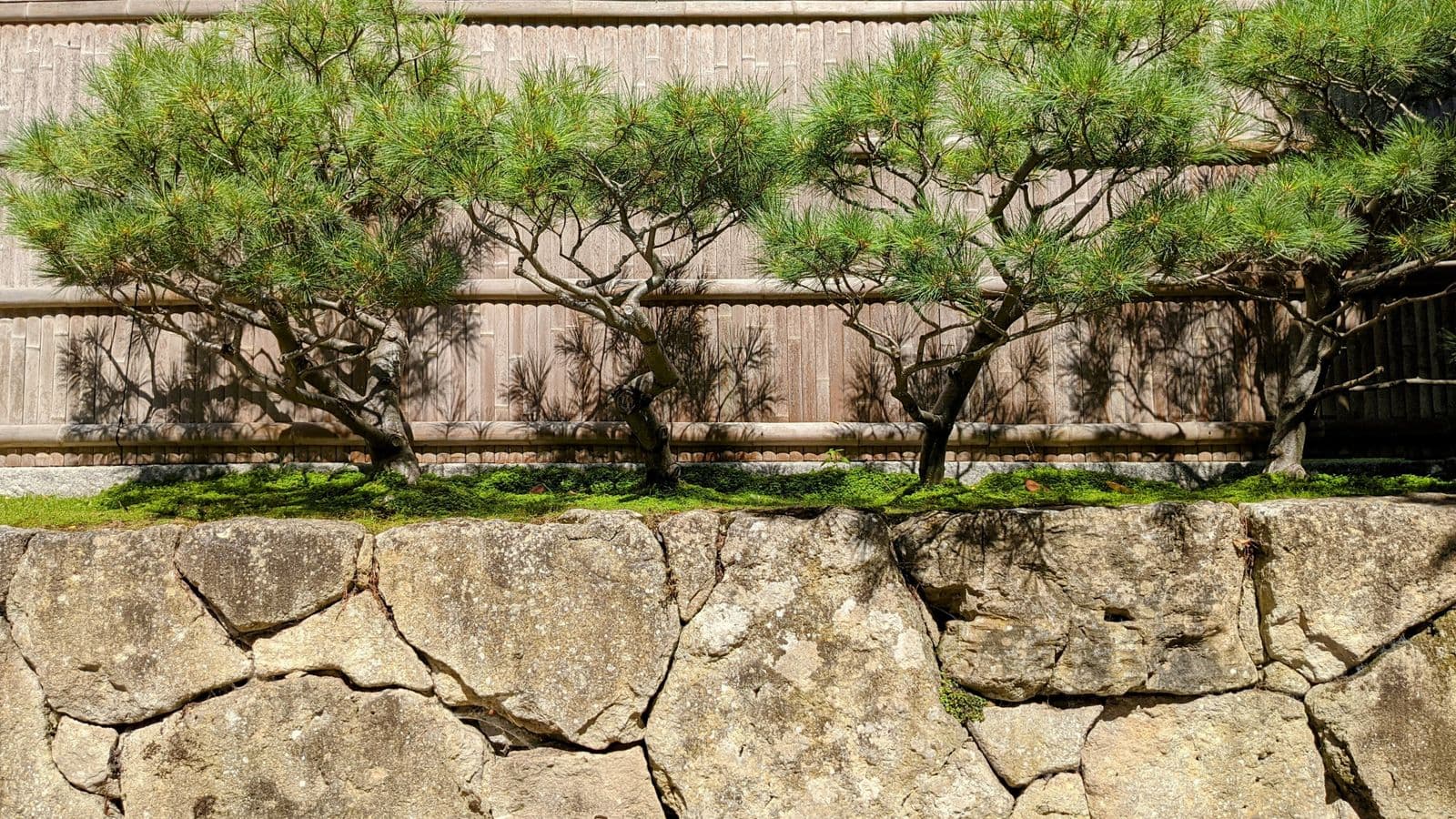
- Natural Stone/Boulder: These walls offer unparalleled beauty and, when correctly installed, incredible longevity. Think centuries. Yes, centuries. The key here is the installation – a dry-stacked stone wall needs expert craftsmanship to ensure stability without mortar, while mortared stone walls are exceptionally durable. The initial investment is higher, but the return in terms of lifespan and aesthetic appeal is often unmatched.
The Art and Science of Design & Engineering
Even the toughest materials won't save a poorly designed wall. This is where professional expertise becomes a critical, non-negotiable element. A truly enduring retaining wall starts with meticulous planning. Here's what we've learned: success depends on understanding the forces at play.
- Soil Conditions: Our team always conducts thorough soil analysis. Is the soil expansive? Is it sandy? Clay-heavy? These factors drastically affect lateral pressure and drainage, directly impacting how long does a retaining wall last. Ignoring soil mechanics is a recipe for disaster.
- Drainage Systems: This is perhaps the single most overlooked, yet vital, component. Water is a retaining wall's worst enemy. Hydrostatic pressure behind the wall can cause it to bulge, crack, or even collapse. Effective drainage – think gravel backfill, weep holes, and perforated drain pipes – is absolutely essential for relieving this pressure. We can't stress this enough: impeccable drainage will significantly extend how long does a retaining wall last.
- Wall Height and Slope: Taller walls and steeper slopes exert immense pressure. Proper engineering accounts for these forces, often requiring reinforced designs, deeper footings, or tie-backs. You can't just scale up a short wall design for a much taller application and expect it to hold.
- Footings and Foundations: The base of the wall must be stable and adequately sized to support the entire structure and the soil it holds back. A shallow or improperly prepared footing will lead to settling, cracking, and eventual failure. This foundational integrity is critical for determining how long does a retaining wall last.
The Indispensable Role of Installation Quality
Let’s be honest, this is crucial. You can have the best materials and a flawless design on paper, but if the installation is shoddy, your wall is doomed. Our experience shows that proper installation techniques are paramount to how long does a retaining wall last. This isn't a DIY project for the faint of heart or the inexperienced.
- Expert Craftsmanship: Precision matters. Laying blocks level, compacting backfill correctly, ensuring proper batter (the slight lean back into the slope) – these details are the difference between a wall that lasts and one that doesn't. Our crews are trained to execute every step with exacting standards, which is why our Seat Retaining Walls consistently exceed expectations for durability.
- Compaction: Proper compaction of the base material and the backfill behind the wall is non-negotiable. It prevents settling and ensures the wall has a solid, stable foundation and support. Inadequate compaction leads to voids, which then lead to shifting and instability. This is a common failure point that significantly shortens how long does a retaining wall last.
- Geogrid Reinforcement: For taller or heavily loaded walls, geogrid is a synthetic mesh material placed in layers within the backfill. It ties the wall into the soil mass, distributing pressure and dramatically increasing stability. Omitting geogrid where it's specified is a critical error that compromises the wall's longevity.
Ongoing Maintenance and Environmental Impact
Even the most robustly built wall needs a little love. Maintenance, or the lack thereof, plays a substantial role in how long does a retaining wall last. Furthermore, external forces beyond our control, like the environment, are relentless.
- Regular Inspections: We recommend annual visual inspections. Look for cracks, bulges, leaning, crumbling mortar, or any signs of water pooling. Early detection of minor issues can prevent them from becoming catastrophic failures. It's comprehensive, but simple.
- Drainage System Checks: Ensure weep holes are clear and drain pipes aren't clogged with debris. If water can't escape, pressure builds, and your wall will suffer. This is often the most critical maintenance task for how long does a retaining wall last.
- Vegetation Management: While plants can soften a wall's appearance, aggressive roots can penetrate and damage the structure over time. Keep large trees and shrubs a safe distance from the wall, especially if they’re known for invasive root systems.
- Environmental Factors: Freeze-thaw cycles can wreak havoc on concrete and masonry, causing spalling and cracking. Heavy rainfall events can saturate soil, increasing hydrostatic pressure. Seismic activity, while less frequent, can also compromise structural integrity. These are all considerations when planning for how long does a retaining wall last.
Anyway, here's what makes the difference. While other solutions might focus solely on initial cost, we prioritize long-term value. We've built our solutions to withstand the test of time, ensuring that when you ask us 'how long does a retaining wall last?', our answer is always 'for decades to come.'
Comparison Table: Retaining Wall Materials & Expected Lifespans
To give you a clearer picture, our team has put together a quick comparison of common retaining wall materials and their general expected lifespans under ideal conditions. Remember, these are estimates, and proper design, installation, and maintenance can significantly shift these numbers, influencing how long does a retaining wall last.
| Material Type | Expected Lifespan (Years) | Pros | Cons | Maintenance Needs |
|---|---|---|---|---|
| Treated Timber | 20 - 40 | Economical, natural aesthetic | Prone to rot/insects, shorter lifespan | Regular sealing/inspection |
| Segmental Block (SRW) | 50 - 100 | Durable, versatile, modular | Can be labor-intensive, drainage critical | Low |
| Poured Concrete | 75 - 100+ | Extremely strong, monolithic, durable | Higher cost, requires rebar, professional installation | Very low |
| Natural Stone/Boulder | 100 - 500+ | Exceptional aesthetics, very durable | High cost, highly skilled labor required | Low |
When to Consider Replacing or Repairing Your Retaining Wall
Knowing how long does a retaining wall last is one thing, but recognizing when it's nearing the end of its useful life is another. We've all seen this happen, right? Ignoring warning signs can lead to more costly problems down the road. Here's what to look for:
- Significant Leaning or Bulging: If your wall is no longer plumb or has a noticeable bulge, it's a serious structural concern. This indicates immense pressure from behind and potential imminent failure.
- Large Cracks: Hairline cracks might be cosmetic, but large, widening cracks, especially horizontal ones, signify structural distress. This is a clear indicator that the wall's integrity is compromised.
- Crumbling Material: If mortar is deteriorating or concrete/blocks are spalling and crumbling, the material itself is failing. This drastically impacts how long does a retaining wall last.
- Poor Drainage: Consistently saturated soil behind the wall, or water actively seeping through the wall face in multiple spots (beyond weep holes), suggests a failing drainage system, which will inevitably lead to structural issues.
- Ground Movement: Any noticeable settling or shifting of the ground around the wall's base can indicate foundation problems.
If you observe any of these issues, it’s time to call in the professionals. Our team can assess the damage and recommend whether a repair is feasible or if a full replacement is necessary. Sometimes, a targeted repair can extend how long does a retaining wall last significantly, but other times, a fresh start is the only safe option.
Maximizing Your Retaining Wall's Lifespan: Our Recommendations
We're not just about building; we’re about building smart, building to last. Here at Modern Yardz, we apply decades of expertise to every project, including the installation of robust Seat Retaining Walls. Here are our top recommendations for ensuring your retaining wall serves you well for many, many years, addressing the core question of how long does a retaining wall last through proactive measures:
- Invest in Professional Design and Engineering: This is non-negotiable for walls over a certain height or in challenging terrain. A qualified engineer will calculate forces, specify materials, and design proper drainage. This initial investment pays dividends in longevity and safety.
- Choose the Right Material for the Job: Don't skimp on materials if your site conditions demand something more robust. Consider the long-term costs versus initial savings. For example, while timber might be cheaper, concrete often provides a better answer to how long does a retaining wall last.
- Hire Experienced Installers: This goes back to craftsmanship. A skilled crew understands the nuances of site preparation, proper compaction, drainage system installation, and material handling. Our team takes immense pride in our meticulous approach to every detail, ensuring the structural integrity that makes a wall last.
- Prioritize Excellent Drainage: We mean this sincerely: it runs on genuine connections. A well-designed and properly installed drainage system is your wall's best friend. It’s the unsung hero that combats hydrostatic pressure, arguably the biggest threat to retaining wall longevity.
- Implement a Regular Maintenance Schedule: As we mentioned, annual checks and addressing minor issues promptly can prevent major headaches. Keep the area around the wall clear of debris, and ensure water flows away from the structure, not towards it.
- Avoid Heavy Loads Near the Wall: Don't place excessive weight (like large piles of soil, heavy equipment, or even pools) too close to the top of the wall unless the design explicitly accounts for it. This surcharge can add immense, unexpected pressure.
We understand that creating an outdoor space involves many considerations, and that's why our comprehensive Landscape Design SAN Diego services cover every aspect from concept to completion. Whether it's selecting the right Pavers SAN Diego for your patio or integrating elegant Fire Features, we ensure every element contributes to a cohesive, durable, and beautiful environment. Our commitment to quality means we're focused on building structures like retaining walls that truly stand the test of time. When you ask us, 'how long does a retaining wall last?', we want you to feel confident in our answer.
Ready to Upgrade Your Backyard? We’re passionate about transforming outdoor spaces into something extraordinary. Our team is dedicated to designing and building landscapes that not only look incredible but also provide lasting value and enjoyment for years to come. From initial consultation to the final touches, we handle every step with care and precision. We invite you to explore our full range of services and see how we can bring your vision to life. For more insights and to see examples of our work, please visit our website. Let’s design the outdoor space you’ve been dreaming of, a space where every element, including your retaining wall, is built to last.
Frequently Asked Questions About Retaining Wall Lifespan
Our clients often have specific questions about their retaining walls. We've gathered some of the most common ones to provide clearer answers, helping you understand how long does a retaining wall last under various conditions.
What's the average lifespan of a timber retaining wall? Generally, a properly installed treated timber retaining wall can last 20-40 years. However, this depends heavily on the type of wood, climate, and the quality of the timber treatment.
Do concrete block retaining walls last longer than timber? Yes, absolutely. Segmental concrete block (SRW) walls typically have a much longer lifespan, often 50-100 years or more, due to their inherent resistance to rot, pests, and weathering.
How does poor drainage affect a retaining wall's lifespan? Poor drainage is one of the quickest ways to shorten a retaining wall's life. It leads to hydrostatic pressure buildup, which can cause bulging, cracking, and eventual collapse, significantly impacting how long does a retaining wall last.
Is it worth repairing an old retaining wall, or should I replace it? It depends on the extent of the damage. Minor issues might be repairable, but significant leaning, large cracks, or widespread crumbling usually indicate structural failure, making replacement the safer and more cost-effective long-term solution.
Can plants damage a retaining wall? Yes, certain plants, especially large trees or shrubs with aggressive root systems, can cause damage over time. Their roots can penetrate and compromise the wall's structure, affecting how long does a retaining wall last.
What are the signs that my retaining wall is failing? Key signs include noticeable leaning or bulging, large or spreading cracks, crumbling material, standing water behind the wall, or significant ground movement around its base.
How often should I inspect my retaining wall? We recommend a thorough visual inspection at least once a year, preferably in the spring. This helps catch minor issues before they escalate into major problems.
Does the climate impact how long does a retaining wall last? Yes, climate plays a significant role. Regions with severe freeze-thaw cycles, heavy rainfall, or seismic activity can put additional stress on walls, potentially shortening their lifespan if not properly designed.
What's the longest-lasting retaining wall material? Natural stone and expertly installed poured concrete typically offer the longest lifespans, often lasting well over a century, if not several centuries for well-built stone walls.
How important is professional installation for retaining wall longevity? It's absolutely critical. Even with the best materials and design, poor installation can lead to premature failure. Skilled professionals ensure proper compaction, drainage, and structural integrity.
Can I add a deck or patio right next to my retaining wall? It depends on the wall's original design. Adding significant weight or altering drainage patterns near an existing wall without professional assessment can compromise its stability and shorten how long does a retaining wall last. Always consult an expert first.
Does using geogrid reinforcement really make a difference? Yes, geogrid reinforcement is incredibly effective for taller or heavily loaded walls. It ties the wall into the soil mass, distributing pressure and dramatically increasing the wall's stability and overall lifespan.
Is a concrete retaining wall maintenance-free? While concrete walls require very little maintenance compared to timber, they aren't entirely maintenance-free. Regular checks for cracks, ensuring drainage is clear, and keeping the area free of large invasive roots will help maximize how long does a retaining wall last.
What should I do if I notice a small crack in my retaining wall? For small, hairline cracks, monitor them closely. If they grow in size or width, or if multiple cracks appear, it's best to consult a professional. Early intervention can prevent minor issues from becoming major structural problems. It's comprehensive, but simple.
How does Modern Yardz ensure retaining wall durability? Our approach combines expert Landscape Design SAN Diego with meticulous engineering and skilled installation. We carefully assess soil conditions, implement robust drainage systems, use high-quality materials, and ensure every detail adheres to the highest construction standards, guaranteeing a retaining wall built to last.
Understanding how long does a retaining wall last means appreciating the intricate balance of thoughtful design, superior materials, precise installation, and consistent care. It's not just about erecting a barrier; it's about constructing a lasting element of your outdoor environment. We believe in crafting spaces that endure, providing peace of mind and beauty for generations. Your retaining wall, when done right, becomes an integral, steadfast part of your property’s foundation, a testament to quality and foresight. Let’s create that lasting legacy together.
Start Your Free Design Consultation
Tell us about your project and we'll be in touch within 24 hours. No pressure, no obligation.
Common questions
- How long does a timber retaining wall last?
- A treated timber retaining wall generally lasts 20 to 40 years, sometimes less depending on the wood type and climate. Untreated wood is much shorter, often just 5 to 10 years before rot and insect damage become severe. It is economical upfront but requires regular sealing and vigilant inspection.
- Do I need a drainage system behind my retaining wall?
- Yes, drainage is arguably the single most vital component of a lasting wall. Water is a retaining wall's worst enemy; trapped water builds hydrostatic pressure that causes bulging, cracking, or collapse. Gravel backfill, weep holes, and perforated drain pipes relieve that pressure, and keeping them clear is a critical maintenance task.
- What is the longest-lasting retaining wall material?
- Natural stone and expertly installed poured concrete offer the longest lifespans. Well-built natural stone or boulder walls can last 100 to 500 years or more, while properly engineered poured concrete lasts 75 to 100 years or beyond. Both require highly skilled labor and a higher initial investment, but reward you with lasting durability.
- Is poured concrete better than segmental block for a retaining wall?
- For sheer strength, yes. Poured concrete lasts 75 to 100 years or more and forms a monolithic barrier ideal for larger, structurally demanding walls, though it costs more and needs rebar. Segmental concrete blocks last 50 to 100 years, are modular and versatile, and need low maintenance, making them a popular, durable choice.
- How often should I inspect my retaining wall?
- Inspect your retaining wall at least once a year, preferably in spring. Look for cracks, bulges, leaning, crumbling mortar, or pooling water, and make sure weep holes and drain pipes stay clear. Catching minor issues early prevents them from escalating into costly, catastrophic structural failures down the road.
Ready to design your dream yard?
Tell us about your project. We'll send back a real plan, not a templated quote.
Book My Free Consultation→