It’s a moment of pure, slow-motion horror. The paint can wobbles, tips, and then it happens—a vibrant, sprawling mess erupts across your once-pristine driveway. Your heart sinks. We’ve seen it happen countless times. Whether it’s from a weekend DIY project gone wrong or a contractor’s careless moment, a paint spill feels like a permanent scar on your home's curb appeal. But here's the good news: it doesn't have to be. Getting that stain out isn't just a matter of scrubbing; it's a science.
Here at Modern Yardz, we spend our days designing and building beautiful, functional outdoor spaces. From intricate Pavers SAN Diego installations to sleek, modern Concrete SAN Diego driveways, we understand that the foundation of any great landscape is a clean, well-maintained hardscape. That experience has given us a deep, practical understanding of surfaces and stains. So, we're not just giving you generic advice. We're sharing the professional-grade knowledge you need for how to get paint off a driveway effectively and safely, protecting your investment for years to come. This is the definitive 2026 guide you’ve been looking for.
First, Don't Panic: Assess the Situation
Before you grab the nearest brush and start scrubbing wildly, stop. Take a breath. The absolute first step in how to get paint off a driveway is to correctly identify what you're dealing with. Acting too quickly with the wrong method can make the problem significantly worse, potentially driving the stain deeper into the pores of the concrete or pavers. It’s a classic case of measure twice, cut once.
Our team has found that nearly all removal failures stem from a misdiagnosis at this stage. You need to answer two critical questions:
What type of paint is it? This is the big one. Paints generally fall into two categories: water-based (like latex and acrylic) or oil-based (like enamels and some stains). Water-based paints are far easier to clean up, especially when they're fresh. Oil-based paints are formulated to be durable and water-resistant, which makes them a formidable foe once they've cured. Check the can if you have it; it will tell you everything you need to know. If you don't know, a simple test can help: dab a cotton ball with rubbing alcohol. If some color comes off, it's likely latex. If not, you're probably dealing with oil.
What is your driveway surface? Is it poured concrete? Are they porous pavers? Is it asphalt? Is the surface sealed or unsealed? An unsealed, porous surface will absorb the paint like a sponge, making the problem of how to get paint off a driveway much more challenging. A sealed surface, on the other hand, provides a protective barrier that keeps the paint on top, giving you a much better chance at a clean removal. Understanding your surface dictates the aggressiveness of the tools and chemicals you can safely use. Using a high-PSI pressure washer on older, crumbling concrete, for instance, could be catastrophic.
Safety Is Non-Negotiable
Let’s be honest, this is the part everyone wants to skip. But we can't stress this enough: when you're working with chemical paint strippers and power tools, safety isn't optional. It's a critical, non-negotiable element of the process. The chemicals strong enough to dissolve cured paint are certainly strong enough to cause serious harm to you. Before you even think about how to get paint off a driveway, gear up.
Here's our team's standard safety checklist:
- Eye Protection: Chemical splashes are a real danger. Get a pair of wrap-around safety goggles, not just glasses.
- Respirator/Mask: Paint stripper fumes are noxious and can cause respiratory damage. A simple dust mask won't cut it. Use a respirator with organic vapor cartridges, especially if you're working in an enclosed space like a garage.
- Chemical-Resistant Gloves: Don't use your gardening gloves. You need thick, chemical-resistant gloves (like nitrile or neoprene) that won't degrade upon contact with solvents.
- Full Coverage Clothing: Wear long sleeves and pants to protect your skin from accidental contact.
- Ventilation: If possible, work on a breezy day. If you're in a garage, open all the doors and consider using a fan to direct fumes away from your workspace.
Proper preparation is the hallmark of a professional. Taking ten minutes to put on the right gear can save you from a world of hurt. It's a foundational step in learning how to get paint off a driveway correctly.
For Fresh Spills: The Emergency Response
A fresh spill is a call to immediate action. The goal here is containment and removal before the paint has a chance to penetrate or cure. If you've just spilled water-based latex paint, you're in luck. This is the easiest scenario for how to get paint off a driveway.
First, contain the spill. Use cat litter, sawdust, or even paper towels to create a dam around the puddle to stop it from spreading. Don't smear it. Your goal is to absorb as much of the liquid paint as possible. Scrape up the absorbed material with a dustpan or a piece of cardboard and dispose of it properly.
Once you've removed the bulk of the spill, it's time to clean the residue. For latex paint, a simple solution of soap and water is your best friend. Use a stiff-bristled nylon brush (a wire brush can be too abrasive on some surfaces) and scrub the area in a circular motion. You'll likely need to rinse and repeat several times. This simple, immediate action is often the most effective answer for how to get paint off a driveway when the spill is fresh. Don't wait. The longer it sits, the more it cures, and the harder it gets.
If it’s a fresh oil-based spill, the principle is the same—absorb first. But soap and water won't work for the cleanup. You'll need to use a solvent like mineral spirits or turpentine on a rag to gently blot the remaining stain. Always test the solvent on an inconspicuous area of your driveway first to ensure it doesn't cause discoloration.
Tackling Dried Latex and Water-Based Paint
Okay, so the spill wasn't fresh. It sat for a few days, or maybe you just discovered an old stain from a previous owner. Now the real work begins. Dried latex paint has cured into a plastic-like film on the surface. The key to how to get paint off a driveway in this state is breaking that film down.
Our team usually starts with the least aggressive method that could work and escalates from there. We recommend you do the same.
Step 1: The Power of Pressure. A pressure washer is one of the most effective tools in your arsenal. Start with a low-pressure tip (a 25 or 40-degree nozzle) and hold it several inches from the surface. Work from the outside edge of the stain inward to avoid chipping the paint into smaller, harder-to-remove flakes. Sometimes, the force of the water is enough to get under the paint film and peel it right off. If that's not working, you can carefully try a more focused, higher-pressure tip (15-degree), but be warned: too much pressure can etch concrete and blast the sand out from between pavers. This is a delicate balance. This method is often a key component of how to get paint off a driveway.
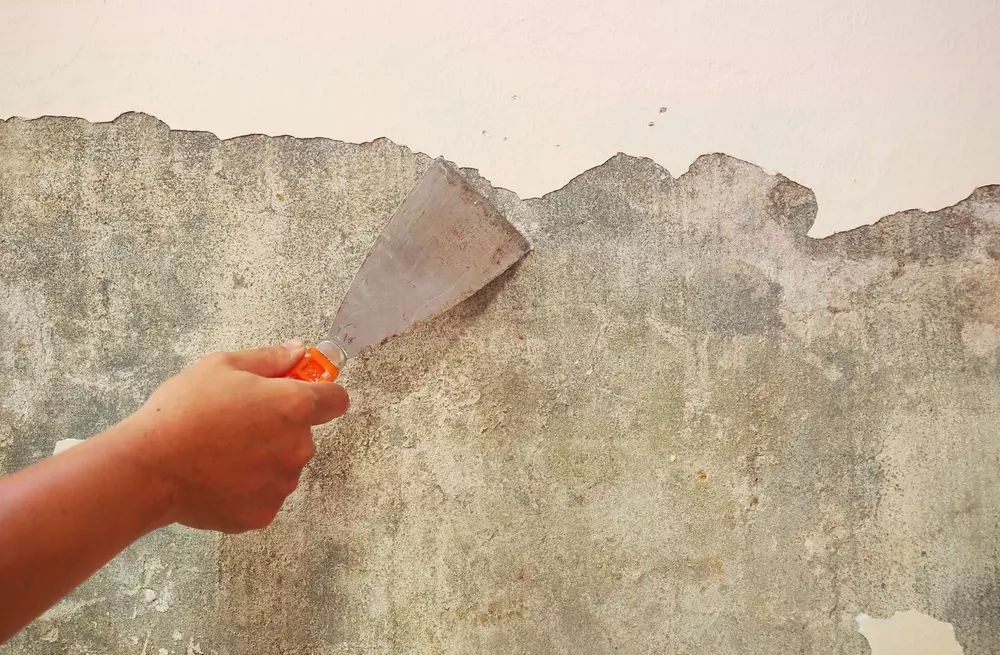
Step 2: Introduce a Paint Stripper. If pressure washing alone doesn't cut it, it's time for chemicals. There are many citrus-based and biodegradable paint strippers available in 2026 that are much safer than the old-school methylene chloride versions. These products are typically thick gels that you apply directly to the stain. Let the product dwell for the time recommended by the manufacturer—this can be anywhere from 30 minutes to several hours. The stripper works by softening and blistering the paint. Once it's done its job, you can scrape the softened paint away and then scrub the residue with a brush and water. We've found this combination of a quality stripper followed by pressure washing is a highly effective solution for how to get paint off a driveway.
The Ultimate Challenge: Dried Oil-Based & Epoxy Paints
This is where DIY meets its match. Oil-based and epoxy paints are designed for maximum durability. They chemically bond with surfaces, making them incredibly difficult to remove. If you're facing this, the standard approach for how to get paint off a driveway needs more muscle.
Aggressive chemical strippers are usually required here. These are often solvent-based products that are more potent (and more hazardous) than the ones used for latex paint. The application process is similar: apply, dwell, scrape. However, the dwell times may be longer, and you might need multiple applications. It’s a painstaking process. Patience is key.
In some cases, especially with very thick or old paint, a poultice might be the answer. A poultice is a mixture of an absorbent material (like clay or diatomaceous earth) and a powerful solvent. You spread this paste over the stain and cover it with plastic to keep the solvent from evaporating. Over 24-48 hours, the solvent dissolves the paint, and the absorbent material pulls the pigment up out of the pores of the surface. It's a slow but often remarkably effective method for deep-set stains.
For the most stubborn, seemingly impossible stains, mechanical removal might be the only option. This involves using tools like grinders with wire-wheel attachments or concrete grinders to physically abrade the paint off the surface. We must offer a serious word of caution here: this is an expert-level task. It's incredibly easy to permanently scar your driveway by grinding too deeply or unevenly. This is often the point where calling a professional is the wisest, most cost-effective decision. A ruined driveway is far more expensive to fix than a single paint stain. It's the most extreme answer to how to get paint off a driveway and should be a last resort.
Paint Removal Methods: A Comparison
Choosing the right strategy is crucial. Our experience shows that what works for one situation might be disastrous in another. Here’s a quick breakdown of the primary methods for how to get paint off a driveway to help you decide.
| Method |
Best For |
Effort Level |
Risk Level |
Our Professional Insight |
| Soap & Water Scrub |
Fresh latex paint spills. |
Low |
Very Low |
The gold standard for immediate response. Fast action here saves immense effort later. |
| Pressure Washing |
Dried latex paint on durable surfaces. |
Medium |
Low to Medium |
Very effective, but using the wrong nozzle or too much pressure can etch concrete or damage paver joints. Start low and slow. |
| Citrus/Eco-Strippers |
Dried latex and some oil-based paints. |
Medium |
Low |
A great, safer alternative to harsh solvents. Requires patience as dwell times can be long, but the results are often excellent. |
| Solvent-Based Strippers |
Stubborn, dried oil-based and epoxy paints. |
High |
High |
Highly effective but requires strict adherence to safety protocols (respirator, gloves). Fumes are a serious concern. |
| Mechanical Grinding |
The absolute toughest, most penetrated stains. |
Very High |
Very High |
A last resort. Incredibly effective but has a high potential for permanently damaging the driveway surface. We recommend professional help for this. |
Can You Use DIY or 'Natural' Solutions?
The internet is filled with articles suggesting you can use household items like baking soda, vinegar, or even oven cleaner for how to get paint off a driveway. So, do they work? The honest answer from our team is: rarely, and only in very specific circumstances.
Baking soda paste might create enough mild abrasion to remove a very light, thin layer of freshly dried latex paint, but it will do virtually nothing to a set-in oil-based stain. Vinegar is an acid that might slightly etch the surface, but it lacks the chemical power to dissolve paint binders. We’ve seen oven cleaner cause more discoloration and damage to concrete than it's worth. While the appeal of a cheap, chemical-free solution is strong, our experience shows these methods usually lead to frustration and wasted time. For a problem like this, you need the right tool for the job, and that usually means a product specifically formulated for paint removal.
A Special Note for Paver Driveways
Paver driveways require a more nuanced approach. The pavers themselves are porous, and the sand-filled joints between them are vulnerable. The challenge of how to get paint off a driveway made of pavers is twofold: removing the stain from the paver surface and preventing the paint from permanently staining the joint sand.
When using a pressure washer, use a wider, fan-like spray and avoid directing the high-pressure stream directly at the joints, as this will blast the sand out, potentially destabilizing the pavers. When using chemical strippers, be aware that the liquid can run into the joints. After removing the paint, you may need to top up the joint sand to ensure the integrity of your installation. This is why professional hardscape maintenance, a core part of our services like Pavers SAN Diego, is so important for long-term durability.
The Best Solution: Prevention
Of course, the easiest way to deal with a paint spill is to prevent it from ever happening. Whenever you're painting near your driveway, take five extra minutes to prepare the area. Lay down a canvas drop cloth (plastic can become slippery) and make sure your paint cans are on a stable, level surface away from foot traffic. It’s a simple step that can save you hours of grueling work.
Another powerful preventative measure is sealing your driveway. A high-quality sealer for concrete or pavers creates a protective, non-porous layer on the surface. This not only protects against stains from paint, oil, and grime but also enhances the color and longevity of your hardscape. It makes cleaning up any spill a simple matter of wiping it off. A sealed driveway is a core component of a comprehensive Landscape Design SAN Diego plan, ensuring your entire outdoor space looks impeccable, from the lawn to the driveway. A clean entrance dramatically complements features like beautiful Outdoor Kitchens SAN Diego and cozy Fire Features.
If you have a stain that seems impossible or are concerned about damaging your beautiful hardscape, don't hesitate to reach out. Sometimes the most efficient solution for how to get paint off a driveway is to call in the experts. If the damage is truly catastrophic, it might even be an opportunity to upgrade. We can discuss all your options, from deep cleaning to a full replacement with stunning new materials. Feel free to BOOK MY FREE CONSULTATION to explore what's possible for your space.
Ultimately, your driveway is the handshake of your home—it's the first thing guests see. Keeping it clean and well-maintained is a small detail that makes a massive difference in your property's overall aesthetic and value. With the right knowledge and a bit of elbow grease, you can conquer that ugly paint stain and restore your home's curb appeal to its former glory.



.webp)
.webp)