Shared driveways can be a source of constant, low-level friction, can't they? What starts as a convenient arrangement often evolves into a complex tangle of parking disputes, unclear boundaries, and general neighborly exasperation. Especially in 2026, with properties often feeling closer than ever, understanding how to divide a shared driveway isn't just about property lines; it's about preserving peace, enhancing property value, and reclaiming your own space. Our team at Modern Yardz has spent years crafting harmonious outdoor environments, and we've seen firsthand the dramatic, sometimes baffling, challenges shared access points can present. It's an issue that requires a thoughtful, strategic approach, blending legal understanding with practical design solutions. We're here to help you navigate this intricate process.
Why even bother with the complexities of dividing a shared driveway? Honestly, though, the reasons are often compelling, even urgent. We've certainly observed a significant uptick in inquiries regarding property boundary clarity, particularly concerning shared access points. Think about it: an undelineated shared driveway can create an ongoing saga of frustrations. Who gets the prime parking spot? What happens when a visitor blocks your access? And let's not even get started on maintenance responsibilities—snow removal, pothole repairs, general upkeep. These aren't minor annoyances; they're daily stressors that erode goodwill between neighbors and diminish your enjoyment of your own property.
Understanding the Core Problem: Why Shared Driveways Become Contentious
At its heart, the contention around shared driveways stems from a lack of clear definition and, frankly, often a lack of communication. We've seen situations where years of unspoken resentments boil over because one party feels the other isn't pulling their weight, or perhaps they're encroaching on perceived territory. The truth is, without a formal agreement or a physical delineation, the lines (both literal and metaphorical) blur very easily. This ambiguity is precisely why learning how to divide a shared driveway becomes a critical, non-negotiable element for many homeowners in 2026.
Consider the practicalities. Maybe you're looking to install a new outdoor kitchen or expand your patio, but the shared driveway limits your usable space or complicates access during construction. Or perhaps you're simply tired of coordinating schedules for major repairs. Our team has found that these issues, left unaddressed, can lead to serious legal disputes—expensive, time-consuming, and utterly draining. Proactively seeking solutions for how to divide a shared driveway can save immense stress and expense down the road. It ensures both parties have a clear understanding of their rights and responsibilities, fostering a more peaceful coexistence. We can't stress this enough: clarity is king.
The Unflinching First Step: Legal & Land Survey Foundations
Before you even think about laying down pavers or pouring concrete to mark a division, you absolutely must understand the legal landscape. This isn't just a suggestion; it's a critical, foundational requirement. Our experience shows that skipping this initial step is a recipe for catastrophic future conflicts. The very first action you should take when considering how to divide a shared driveway is to obtain a current property survey.
This survey, performed by a licensed professional, will precisely map your property lines and, crucially, identify any existing easements. An easement is a legal right to use another's land for a specific purpose, and shared driveways almost always involve one. You might have a recorded easement that grants both you and your neighbor the right to access your respective properties via the shared path. Understanding the exact wording and boundaries of this easement is paramount. It dictates what you can and cannot do when you plan to divide a shared driveway. We've seen homeowners jump ahead, only to discover their proposed division violates an existing easement, necessitating costly rework or even legal challenges. Don't make that mistake.
Beyond the survey, we strongly recommend consulting with a real estate attorney. They can review your property deeds, the easement agreement, and any local zoning ordinances that might impact your plans. This legal counsel is invaluable for understanding your rights, your neighbor's rights, and the most prudent path forward. It's a small investment that can prevent huge, intractable problems later. This approach (which we've refined over years) delivers real results by solidifying the legal framework before any physical work begins. We're talking about due diligence, the kind that truly protects your interests when considering how to divide a shared driveway.
Cultivating Collaboration: Communication & Formal Agreements
Let's be honest, this is crucial. Once you have a clear understanding of the legal parameters, the next formidable, sometimes dramatic step in how to divide a shared driveway involves open, honest communication with your neighbor. This can be the trickiest part, but it's also where the most significant breakthroughs—or breakdowns—occur. Approaching this conversation with a spirit of collaboration, rather than confrontation, is key. Remember, your neighbor likely shares many of the same frustrations about the ambiguous nature of a shared access point, even if they haven't voiced them.
We recommend scheduling a dedicated, calm discussion. Present your findings from the land survey and your initial ideas for how to divide a shared driveway. Be prepared to listen to their concerns, their needs, and their ideas. Often, neighbors are relieved someone is finally taking the initiative to address the issue. Our team has found that focusing on mutual benefits—increased property value, reduced disputes, clearer responsibilities—can help foster a cooperative environment. If you can agree on a plan, even a preliminary one, it's a huge step forward.
Once a general consensus is reached, it's absolutely vital to formalize the agreement. This often means drafting a written document, preferably with the help of your respective attorneys. This agreement should clearly outline the new property lines for the driveway, maintenance responsibilities for any remaining shared sections (or the new individual sections), and any other pertinent details. This document should then be recorded with the local authorities, just like your property deed. Why? Because verbal agreements, even with the best intentions, can be forgotten, misinterpreted, or simply not honored by future property owners. A legally binding, recorded agreement provides an unflinching, long-term solution for how to divide a shared driveway, protecting both parties for years to come. It's about building a framework for lasting harmony, not just a temporary fix.
Mastering the Aesthetics and Flow: Design Considerations for Division
With the legal and communication hurdles addressed, we finally get to the exciting part: the design! This is where Modern Yardz truly shines. When we're asked how to divide a shared driveway, our focus isn't just on drawing a line; it's about creating a functional, beautiful, and distinct separation that enhances both properties. There's an art to this, blending practical needs with aesthetic aspirations. Our landscape design experts consider several crucial elements.
First, think about the visual impact. The division shouldn't look like an afterthought. It needs to integrate seamlessly with the existing architecture and landscaping. We consider materials that complement your home's style. For example, if your home has a modern aesthetic, clean lines and contemporary materials like large format pavers or smooth concrete might be ideal. For a more traditional look, perhaps smaller, textured pavers or natural stone elements would be more fitting. We've found that thoughtful material selection makes all the difference in achieving a polished, intentional look.
Drainage is another critical factor. A new physical barrier can alter water flow, potentially leading to pooling or runoff issues. Our design process meticulously plans for proper grading and drainage solutions to ensure your new driveway division doesn't create new problems. This often involves integrating subtle swales or permeable materials. Light is also important. Incorporating landscape lighting along the new boundary can enhance safety and highlight the architectural elements, especially if you're installing seat and retaining walls as part of the division.
Finally, consider the long-term maintenance. We design divisions that are not only beautiful but also manageable. Low-maintenance plantings, durable hardscaping, and smart material choices mean less work for you down the line. It's all part of our holistic approach to how to divide a shared driveway, ensuring the solution looks fantastic today and for years into the future. It's about creating an outdoor space that truly works for you and your family, eliminating the previous shared driveway stressors for good.
Practical Methods to Divide A Shared Driveway: Hardscaping & Landscaping
Now, for the tangible options when you're ready to physically divide a shared driveway. There are numerous effective methods, each with its own advantages, costs, and aesthetic implications. Our team often utilizes a combination of these approaches to achieve the best outcome, tailoring solutions to the specific site and homeowner preferences. Remember, the goal is clear delineation without necessarily creating an imposing, fortress-like barrier. We're aiming for definition, not deterrence.
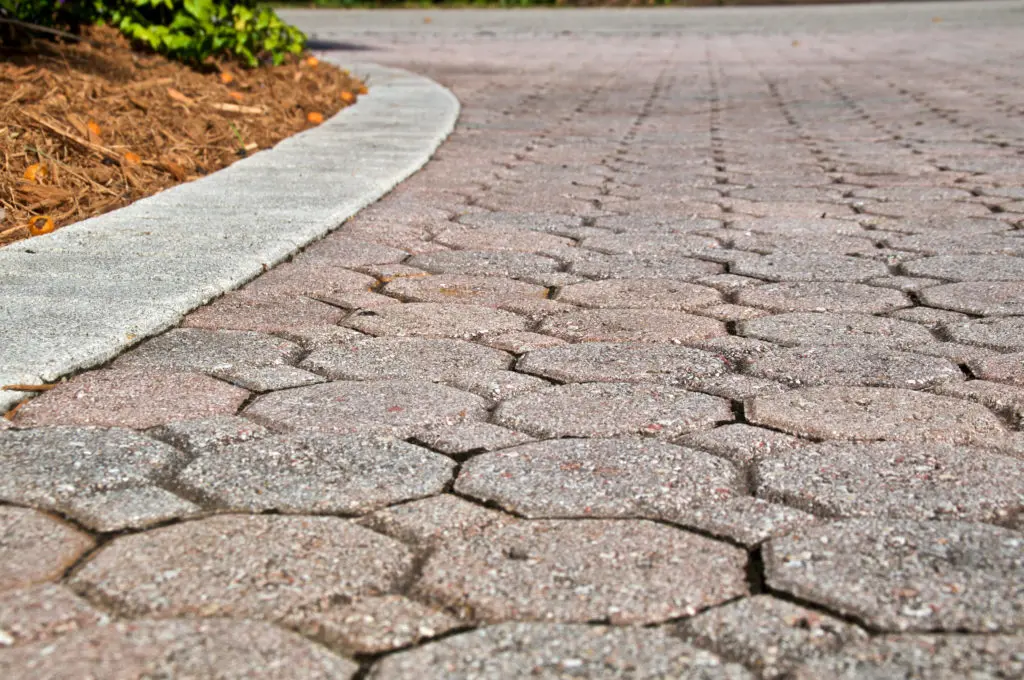
1. Pavers: Installing a distinct line of pavers is a popular and highly effective method. This can range from a single row of contrasting pavers to a wider strip, creating a clear visual break. Pavers offer incredible design flexibility in terms of color, texture, and pattern. They're also durable and, if properly installed, allow for excellent drainage. We've used this method extensively to create elegant, yet unambiguous, divisions.
2. Concrete Strips: Similar to pavers, a poured concrete strip can provide a robust and permanent division. This can be a simple, clean line or a more decorative element with stamped or colored concrete. It's a very low-maintenance option and offers significant structural integrity. For those seeking a long-lasting, straightforward solution for how to divide a shared driveway, concrete is an excellent choice.
3. Low Walls or Curbs: A more substantial physical barrier can be achieved with low seat and retaining walls or decorative curbs. These can be constructed from stone, brick, concrete blocks, or even wood. They provide a clear visual and physical separation, preventing accidental encroachment. We often integrate these with plantings to soften their appearance, creating an inviting look while maintaining clear boundaries. This is especially useful if one property sits slightly higher than the other, offering a dual benefit of division and minor grade change management.
4. Landscaping Elements: Sometimes, the most beautiful solutions for how to divide a shared driveway involve nature itself. A well-designed landscape bed with low-growing shrubs, ornamental grasses, or a border of artificial turf can create a soft, yet effective, boundary. While not a rigid physical barrier, a dense planting can discourage vehicles from crossing the line and significantly enhance curb appeal. The key here is consistent maintenance to ensure the plants don't overgrow and obscure the division.
5. Fencing or Gates: For maximum privacy and security, a fence or gate can completely separate the driveways. This is often reserved for situations where a very strong delineation is desired, or where the properties have distinct access points from the main road. Of course, this option requires careful consideration of local regulations and neighborly agreements, as it creates a very obvious, often dramatic, physical separation. We've installed patio covers and pergolas in adjacent yards, and the clear separation a fence can provide around such outdoor living areas is undeniable.
Here's a comparison of some common methods for how to divide a shared driveway:
| Method |
Pros |
Cons |
Typical Cost Range (2026) |
| Paver Strip |
Highly aesthetic, customizable, good drainage |
Moderate installation time, requires skilled labor |
Moderate to High |
| Concrete Strip |
Durable, low maintenance, permanent, strong visual |
Less design flexibility, can crack over time, requires curing |
Moderate |
| Low Wall/Curb |
Clear physical barrier, adds structural element, decorative |
Higher material cost, more complex installation, can feel imposing |
Moderate to High |
| Landscape Bed |
Aesthetically pleasing, eco-friendly, softens appearance |
Requires ongoing maintenance, less physical barrier, potential for overgrowth |
Low to Moderate |
| Full Fencing |
Maximum privacy/security, clear boundary, strong deterrent |
High cost, potential for neighbor disputes, requires significant space |
High |
Navigating the Bureaucracy: Permitting & Local Regulations
Before any physical work begins on how to divide a shared driveway, you absolutely must investigate local permitting requirements and zoning regulations. This is another area where skipping steps can lead to severe penalties, including fines or the forced removal of your new division. Every municipality has its own set of rules regarding property modifications, especially those affecting shared access or public right-of-ways. What's allowed in one area might be strictly prohibited in another. It's a demanding, often moving-target objective, but critical.
Our team always emphasizes the importance of understanding these local nuances. You might need a permit for any significant hardscaping, changes to drainage, or the installation of walls or fences. Some areas have specific setbacks from property lines or public streets that must be adhered to. There could also be regulations concerning the type of materials you can use or the height of any structures. It's comprehensive. We've found that working closely with local planning departments from the outset streamlines the process immensely. They can provide invaluable guidance and help you avoid common pitfalls. This isn't just about compliance; it's about ensuring your project is built to code and won't cause future issues for you or your neighbors. When considering how to divide a shared driveway, always, always, prioritize local ordinance adherence.
When to Call in the Professionals: Our Expertise in Action
Deciding how to divide a shared driveway is a complex undertaking, blending legalities, neighborly relations, and intricate design and construction. While some homeowners might attempt portions of this themselves, our collective expertise at Modern Yardz tells us that involving seasoned professionals from the very beginning can save you immense time, stress, and money in the long run. This isn't just a sales pitch; it's a professional observation borne out of countless projects.
We specialize in transforming outdoor spaces, from initial landscape design to the final construction. Our team understands the nuances of hardscaping with pavers and concrete, designing effective seat and retaining walls, and integrating aesthetic elements like fire features or pools and spas into a cohesive landscape. We handle every step of the process, from meticulous planning and design to navigating permits and executing the build with precision. We take the guesswork out of how to divide a shared driveway, ensuring the outcome is not only functional and beautiful but also fully compliant with all regulations.
Think about the value of having a single point of contact for your entire project. We manage subcontractors, source materials, and ensure the work adheres to the highest standards. Our design process ensures that your new driveway division seamlessly integrates with your existing home and landscape, enhancing curb appeal and property value. Don't underestimate the expertise required for proper grading, drainage, and long-term durability. We're not just building divisions; we're crafting enduring solutions that bring your vision to life and eliminate the daily grind of shared driveway disputes. For a truly professional outcome when you need to divide a shared driveway, we recommend partnering with a team that has a proven track record.
Long-Term Harmony: Maintenance & Future-Proofing Your Division
So, you've successfully navigated the legal maze, communicated effectively with your neighbor, and implemented a stunning physical division for your shared driveway. Congratulations! But the journey isn't quite over. Ensuring the long-term success and harmony of your newly divided space requires ongoing attention to maintenance and a forward-thinking approach to future-proofing. It's about protecting your investment and maintaining the peace you've worked so hard to establish. This is a critical, often overlooked, aspect of how to divide a shared driveway.
Regular maintenance of your new driveway and its dividing elements is paramount. If you've installed pavers, routine cleaning and occasional resealing will keep them looking pristine and prevent weed growth. Concrete surfaces benefit from sealing to protect against stains and cracks. If you've opted for a landscape bed as your division, consistent pruning, weeding, and irrigation are essential to prevent overgrowth that could blur the lines once again. Similarly, any seat and retaining walls should be inspected periodically for structural integrity and cleaned to maintain their appearance. Our team can even help you develop a tailored maintenance plan.
Future-proofing your driveway division means considering potential changes. What if one of the properties is sold? A clearly recorded agreement and a well-maintained physical division will be invaluable for future homeowners. It removes ambiguity and potential headaches for new buyers, making both properties more attractive. We've found that homeowners who invest in durable materials and thoughtful design for how to divide a shared driveway rarely face renewed disputes. It's about creating a solution that lasts, adapting to the inevitable shifts in property ownership over time. Ultimately, your goal is a division that stands the test of time, both physically and legally, ensuring lasting peace and enhanced property value. It's an investment in your property's future.



.webp)
.webp)