Retaining Wall Replacement Costs in 2026: What to Expect
A failing retaining wall isn't just an eyesore; it's a structural liability, a potential hazard, and a ticking clock on your property's integrity.
A failing retaining wall isn't just an eyesore; it's a structural liability, a potential hazard, and a ticking clock on your property's integrity. For homeowners facing this reality in 2026, one of the most pressing questions is always, _how much does it cost to replace a retaining wall?_ It’s a complex query, honestly, with a spectrum of variables that can shift the final price tag significantly. Our team at Modern Yardz understands this uncertainty completely. We've spent years transforming outdoor spaces, and we know that a clear, comprehensive understanding of potential expenses is the first step toward a successful project.
Replacing a retaining wall isn't a simple fix; it's a substantial investment in your home's safety, aesthetics, and long-term value. We're not just talking about stacking some blocks here. We’re discussing a critical piece of your landscape infrastructure, designed to manage soil erosion, create usable level ground, and often, beautifully define distinct areas of your yard. So, let’s unpack the true cost, the hidden factors, and what you should really expect when you're asking, "how much does it cost to replace a retaining wall?"
The Unflinching Reality: Why Retaining Walls Fail
Before we dive into dollars and cents, it's crucial to grasp _why_ a retaining wall needs replacing in the first place. Understanding the root cause can often inform the best, most durable solution for its replacement, directly impacting how much it costs to replace a retaining wall. Our experience shows that failures often stem from a combination of factors, not just one.
First, poor drainage is a catastrophic culprit. Water is incredibly powerful. If a wall isn't designed with adequate weep holes, gravel backfill, or a proper drainage system behind it, hydrostatic pressure builds up. This relentless force pushes against the wall, causing bowing, cracking, or even complete collapse over time. We've seen this happen far too often, unfortunately.
Then there's the issue of improper installation. Sometimes, a wall wasn't built on a proper footing, or the backfill wasn't compacted correctly. Perhaps the wrong materials were used for the soil type, or it wasn't built to local engineering specifications. These foundational errors, while invisible initially, inevitably lead to structural compromise. It's a bitter pill to swallow when you realize an earlier corner-cut now means a full replacement.
Age and environmental factors also play a significant role. Materials degrade. Wood rots, concrete spalls, and mortar joints weaken over decades of exposure to weather cycles, ground movement, and general wear and tear. Freezing and thawing can exacerbate these issues. Heavy rainfall, especially during intense storm seasons we've seen in recent years, can accelerate erosion and put immense strain on even well-built structures. Settling earth, seismic activity, or even large tree roots can also exert pressure, leading to movement and failure. When these issues manifest, homeowners are left wondering, quite urgently, how much does it cost to replace a retaining wall that's actively failing.
Demystifying the Dollars: Core Factors Influencing Cost
When calculating how much it costs to replace a retaining wall, a myriad of elements come into play. It's not a simple per-foot calculation; that’s just a starting point. We’ve found that homeowners often underestimate the scope of work involved, which is why a detailed, transparent quote is so vital.
Size and Scale: Height, Length, and Depth
This is perhaps the most obvious factor, but its impact is often underestimated. A small, two-foot garden wall is vastly different from a ten-foot structural behemoth. The sheer volume of material, the amount of excavation, and the labor hours scale dramatically with height and length. Deeper foundations are required for taller walls, adding to excavation and concrete costs. We're talking about cubic yards of earth and material, and that adds up. The larger the wall, the more complex the engineering, and the higher the price tag when considering how much it costs to replace a retaining wall.
Material Selection: Aesthetics Meet Durability
The choice of material is a primary driver of cost, dictating both the look and the longevity of your new wall. Here’s a breakdown of common options our clients consider:
- Segmental Concrete Blocks (CMUs): These are often the most budget-friendly option, offering good durability and a wide range of styles and colors. They're relatively easy to install for experienced crews and can be dry-stacked. However, for taller walls, they require geogrid reinforcement.
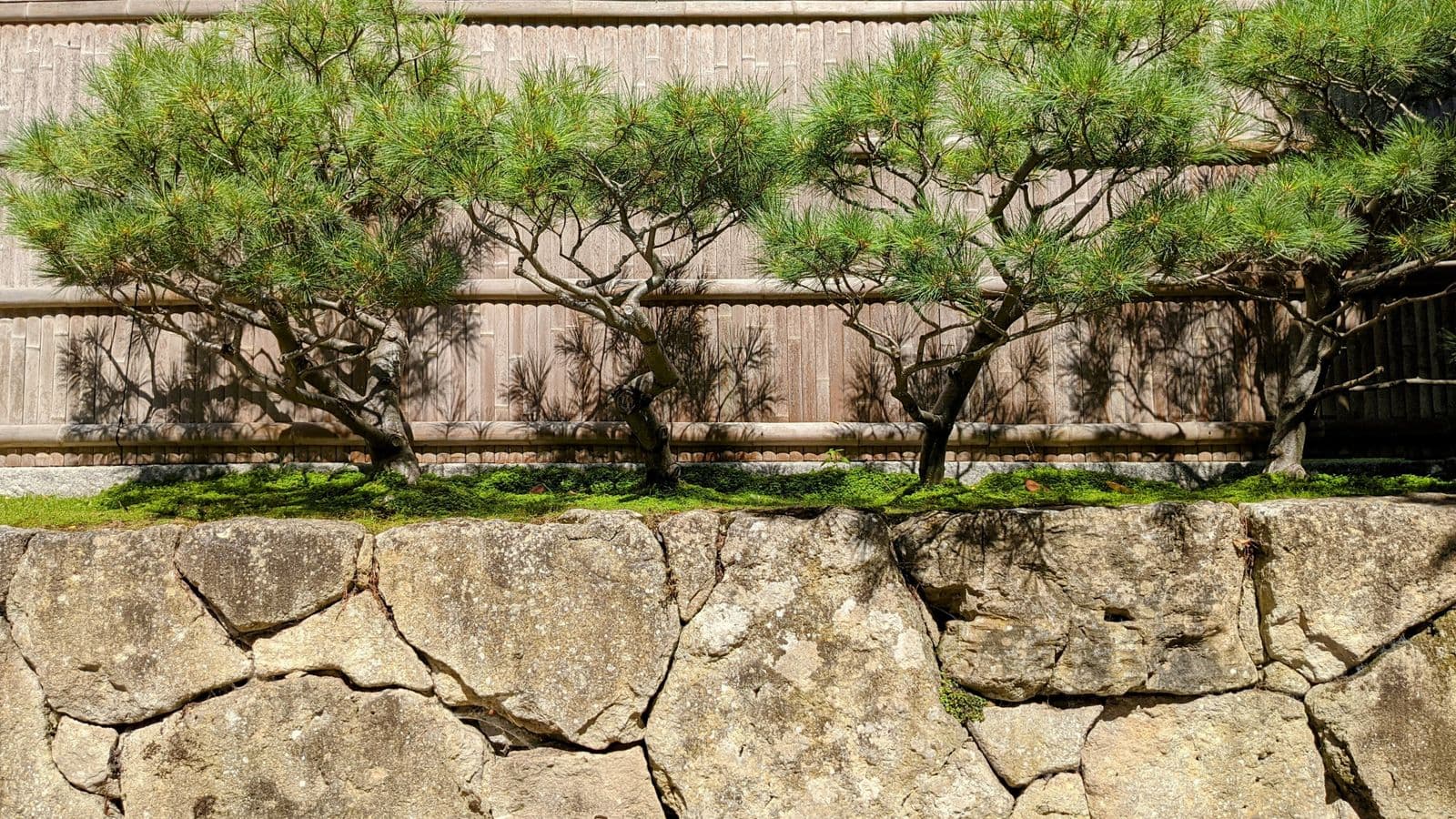
- Natural Stone (Dry Stack or Mortared): Think granite, limestone, or sandstone. This option offers unparalleled natural beauty and longevity, but it comes at a premium. Sourcing the stone, the skilled masonry labor required for precise fitting, and often, the need for heavy equipment to move large pieces all contribute to a significantly higher cost. It's a statement piece, no doubt.
- Poured Concrete: This offers immense strength and versatility in design. It can be textured, colored, or faced with other materials. The cost involves formwork, rebar, concrete delivery, and skilled finishing. It’s a robust solution but can be more expensive upfront than blocks.
- Timber/Wood: Treated lumber can be a more economical choice, especially for shorter walls. However, wood has a finite lifespan compared to stone or concrete, and it requires more frequent maintenance. While the initial cost might seem lower when evaluating how much it costs to replace a retaining wall, its long-term durability is a consideration.
- Gabion Walls: These are wire cages filled with rocks, offering a unique, industrial aesthetic and excellent drainage. They can be very cost-effective if suitable rock is readily available, but the labor for filling and specific engineering considerations can still add up.
Our team often works with Pavers or Concrete for adjacent hardscaping, which can sometimes be integrated seamlessly with certain retaining wall materials, offering a cohesive outdoor aesthetic. For those looking for smaller, decorative elements, our specialized Seat Retaining Walls are a fantastic option, offering both structure and integrated seating.
Site Accessibility: The Hidden Cost
This factor is a huge, sometimes dramatic shift in pricing. If the wall is in an easily accessible area, machinery can get in, materials can be dropped close by, and debris removal is straightforward. But what if it's in a tight backyard, on a steep slope, or behind existing structures? Our crews might need to hand-dig, use smaller equipment, or manually transport every block and bag of gravel. This significantly increases labor hours and overall project duration, directly impacting how much it costs to replace a retaining wall. We’ve seen projects double in price simply due to limited access.
Soil Conditions and Engineering Requirements
The ground beneath your wall isn’t just dirt; it’s a critical component of its stability. Poor soil conditions – think expansive clay, sandy loam, or unstable fill – will necessitate more extensive excavation, specialized footings, or additional reinforcement. In some cases, a geotechnical report might be required, adding to the upfront costs. Taller or more complex walls almost always require engineering stamps to ensure structural integrity and compliance with local codes. This isn't an optional extra; it's a non-negotiable element for safety and longevity.
Drainage Systems: Essential, Not Optional
As we mentioned, water is the enemy of retaining walls. A new wall absolutely _must_ incorporate a robust drainage system. This typically includes a perforated pipe (French drain) behind the wall, surrounded by gravel backfill, and often a filter fabric to prevent clogging. This system diverts water away from the wall, relieving hydrostatic pressure. While it adds to the initial cost, neglecting proper drainage is a surefire way to revisit the question of how much it costs to replace a retaining wall much sooner than you'd like.
Permits and Regulations
Building codes and permit requirements vary. Most structural retaining walls, especially those above a certain height (often 3-4 feet), will require permits from local authorities. In the City of San Diego, Municipal Code §129.0203 puts that line at 3 feet, measured from the bottom of the footing to the top of the wall. This involves submitting plans, potential engineering drawings, and paying permit fees. Ignoring these can lead to fines, stop-work orders, or even the forced demolition of a newly built wall. Our team handles all necessary permits as part of our comprehensive Landscape Design and construction process, ensuring everything is up to code from the start.
Demolition and Debris Removal
Don't forget the old wall! Breaking down and hauling away the existing structure, especially if it’s concrete or heavy stone, is a significant part of the job. This involves labor, specialized equipment (like jackhammers), and disposal fees for the debris. It’s a messy, labor-intensive process that adds to the overall cost when you’re figuring out how much it costs to replace a retaining wall.
Grading and Site Preparation
After demolition, the site needs meticulous preparation. This often involves regrading the area, compacting the subgrade, and ensuring a level, stable foundation for the new wall. Proper compaction is paramount to prevent future settling and ensure the wall's longevity. This foundational work isn't glamorous, but it's critical.
A Comparison of Retaining Wall Materials (2026 Estimates)
To give you a clearer picture of material choices, here’s a quick comparison. Remember, these are general estimates for 2026 and can fluctuate based on supply chain, labor rates, and project specifics. The actual cost to replace a retaining wall will incorporate all the factors we've discussed.
| Material Type | Estimated Cost Per Linear Foot (Installed) | Durability | Aesthetics | Best Use Cases |
|---|---|---|---|---|
| Segmental Concrete Block | $100 - $250 | Excellent | Versatile, various styles | Residential landscaping, terracing, medium-height walls (with reinforcement) |
| Poured Concrete | $150 - $400+ | Superior | Modern, customizable | High structural needs, tall walls, contemporary designs, custom finishes |
| Natural Stone | $200 - $600+ | Exceptional | Rustic, elegant, timeless | High-end landscapes, feature walls, properties seeking natural integration, requires skilled masonry |
| Timber/Treated Wood | $75 - $150 | Good | Natural, traditional | Shorter, less critical walls, garden beds, temporary solutions, requires more maintenance over time |
| Gabion Walls | $120 - $350 | Excellent | Industrial, unique | Erosion control, modern/rustic blend, larger scale projects, good drainage |
_Note: These ranges are broad because the actual price for how much it costs to replace a retaining wall depends heavily on wall height, site conditions, and specific design details._
The Modern Yardz Difference: Value Beyond the Price Tag
Our team firmly believes that understanding how much it costs to replace a retaining wall isn't just about the lowest bid; it's about the _value_ you receive. We're a full-service landscaping design and build company, which means we handle every step with care and precision, from initial concept to final construction. This integrated approach ensures seamless execution and avoids the headaches of coordinating multiple contractors.
When you work with us, you're investing in decades of expertise. We've seen it all, and we've built a reputation for creating custom outdoor spaces that are not only beautiful but also incredibly functional and enduring. We pride ourselves on transparent pricing and clear communication throughout the project. Our goal is to bring your vision to life, crafting spaces where memories are made.
We don't just replace walls; we integrate them into a holistic Landscape Design. Maybe a new retaining wall opens up space for an inviting Outdoor Kitchens or allows for an elevated patio featuring elegant Patio Covers & Pergolas. We look at the bigger picture, ensuring your new wall enhances your entire outdoor living experience.
Beyond the Initial Quote: What Else to Consider
When you're trying to figure out how much it costs to replace a retaining wall, remember that the initial quote from a reputable contractor should be comprehensive. However, there are always nuances.
Warranties and Guarantees
A professional company like ours will offer a warranty on both materials and workmanship. This provides crucial peace of mind. A cheap bid with no warranty is a huge red flag; you could end up paying for repairs or another replacement much sooner than expected. We stand by our work, always.
Reputation and Experience
This isn't a job for just anyone. A retaining wall is a significant structural element. Look for contractors with a proven track record, positive client testimonials, and a strong portfolio of similar projects. Our collective experience ensures that your project is in capable hands, and we approach every job with the same dedication to quality and structural integrity. We’ve found that trusting experienced professionals minimizes future headaches and ensures the question of how much it costs to replace a retaining wall doesn't come up again for a very long time.
Future Landscaping Plans
Think ahead! Will this new wall impact future plans for Artificial Turf, a new Pools AND Spas, or perhaps some elegant Landscape Lighting? Integrating these considerations into the design phase of your retaining wall project can save you significant time and money down the line. Our team helps you envision the entire outdoor space, making sure all elements work together cohesively.
Can You Save Money When Replacing a Retaining Wall?
Absolutely, but it requires smart choices, not just cutting corners. Here’s what we recommend:
- Prioritize Needs vs. Wants: A structural wall is a need. A highly decorative, expensive stone veneer might be a want. Understand where you can compromise on aesthetics without sacrificing structural integrity. This is often the biggest lever when trying to manage how much it costs to replace a retaining wall.
- Phased Projects: For very large projects, sometimes it's possible to break the work into phases, spreading the cost over a longer period. This needs careful planning, but it's an option we can explore.
- Smart Material Choices: As our table shows, material costs vary wildly. Choosing a durable, attractive segmental concrete block instead of high-end natural stone can significantly reduce the price without compromising function or beauty. We can guide you through the options to find the best balance for your budget.
- Clear Communication: A detailed design plan upfront minimizes changes during construction, which are notorious for driving up costs. We work closely with clients to finalize designs before breaking ground, ensuring everyone is on the same page.
The Long-Term Investment: Why It’s Worth It
Despite the upfront expense, replacing a failing retaining wall is a vital investment. Firstly, it protects your property. A compromised wall can lead to serious soil erosion, damage to foundations, or even cause landslides in extreme cases. Ensuring structural stability is paramount.
Secondly, it enhances property value and curb appeal. A well-built, aesthetically pleasing retaining wall can transform a sloped yard into a multi-level haven. It creates usable outdoor living space, improves drainage, and adds a professional, finished look to your landscape. This directly contributes to your home's market value, often recouping a significant portion of the replacement cost. Imagine adding a new Fire Features element nearby to create a truly inviting gathering space!
Finally, it's about safety. A failing wall is a danger to children, pets, and anyone on your property. Investing in a new, structurally sound wall provides peace of mind. Our collective experience shows that addressing these issues proactively is always better than waiting for a catastrophic failure. When you ask, how much does it cost to replace a retaining wall, we want you to also consider the cost of _not_ replacing it.
We invite you to explore our full range of services on our website to see how we can help transform your outdoor space. From initial Landscape Design to the final touches, we're here to build the outdoor space you've been dreaming of. Ready to Upgrade Your Backyard? Let’s Design the Outdoor Space You’ve Been Dreaming Of.
Frequently Asked Questions About Retaining Wall Replacement
Start Your Free Design Consultation
Tell us about your project and we'll be in touch within 24 hours. No pressure, no obligation.
Common questions
- How much does it cost to replace a retaining wall per linear foot?
- Installed costs run roughly $75 to $600+ per linear foot depending on the material. Timber is the most economical at $75-$150, segmental concrete block runs $100-$250, gabion walls $120-$350, poured concrete $150-$400+, and natural stone tops the range at $200-$600+. Height, site conditions, and specific design details all push the final figure higher.
- Do I need a permit to replace a retaining wall?
- Most structural retaining walls require permits, especially those above a certain height, often 3-4 feet. The process involves submitting plans, potential engineering drawings, and paying permit fees. Ignoring this can lead to fines, stop-work orders, or even forced demolition of a newly built wall. A reputable contractor handles all necessary permits as part of the process.
- What is the cheapest material for a new retaining wall?
- Timber or treated wood is the most economical option, estimated at $75-$150 per linear foot installed, best suited for shorter, less critical walls. Segmental concrete blocks are the next budget-friendly choice at $100-$250 and offer excellent durability. Keep in mind wood has a finite lifespan and needs more frequent maintenance, so weigh long-term durability against the lower upfront cost.
- Why do retaining walls fail and need replacing?
- Retaining walls usually fail from a combination of poor drainage, improper installation, and age or environmental factors. Without weep holes or gravel backfill, hydrostatic pressure builds and causes bowing, cracking, or collapse. Missing footings or poorly compacted backfill compromise the structure. Over decades, wood rots, concrete spalls, and mortar weakens, made worse by heavy rainfall and ground movement.
- Is natural stone better than concrete block for a retaining wall?
- Natural stone offers unparalleled beauty and exceptional durability, but costs significantly more, roughly $200-$600+ per linear foot versus $100-$250 for segmental concrete block. Stone requires skilled masonry and often heavy equipment to move large pieces. Concrete blocks are the most budget-friendly, durable choice with many styles, though taller walls need geogrid reinforcement. Choose based on your budget and desired aesthetics.
Ready to design your dream yard?
Tell us about your project. We'll send back a real plan, not a templated quote.
Book My Free Consultation→