Designing an outdoor kitchen isn't just about the grill or the layout; it's profoundly about the foundational elements that ensure its longevity and performance. One of the most critical, sometimes dramatically overlooked, decisions homeowners face involves the cabinetry. We’re talking about components that aren't merely decorative; they're the hardworking backbone of your entire setup. Here at Modern Yardz, we've seen countless outdoor spaces transformed, and our experience shows that understanding what outdoor kitchen cabinets are made from is the absolute starting point for any successful project.
It's 2026, and the demand for robust, beautiful, and weather-resilient outdoor living areas continues its relentless ascent. Homeowners aren't just looking for an extra place to cook; they're envisioning full-fledged extensions of their indoor lifestyle, complete with sophisticated amenities. This means every component, especially something as central as your cabinetry, needs to stand up to the elements year after year, offering both unflinching functionality and impeccable aesthetics. So, let's dive deep into the formidable world of outdoor kitchen materials and definitively answer: what are outdoor kitchen cabinets made from?
Why Material Choice is a Critical, Non-Negotiable Element
Choosing the right materials for your outdoor kitchen cabinets isn't a minor detail; it's a monumental decision that impacts everything from the lifespan of your investment to the amount of maintenance you'll endure. Unlike their indoor counterparts, outdoor cabinets face a grueling road warrior hustle: they're exposed to relentless sun, torrential rain, fluctuating temperatures, humidity, and even the occasional pest. If you pick the wrong material, you're looking at warping, fading, cracking, and structural failure far sooner than you'd ever anticipate. That's the reality. It all comes down to robust material selection. Our team, which specializes in crafting incredible outdoor spaces, including bespoke Outdoor Kitchens SAN Diego, can't stress this enough: durability and weather resistance are paramount when considering what outdoor kitchen cabinets are made from.
We've found that homeowners often prioritize aesthetics first, which is understandable. Everyone wants a beautiful space! But beauty without resilience in an outdoor setting is a recipe for catastrophic disappointment. Our approach (which we've refined over years) delivers real results by balancing stunning design with materials engineered for the outdoors. So, when you're contemplating what outdoor kitchen cabinets are made from, think long-term performance, not just initial curb appeal. It's a critical, non-negotiable element of the design process.
Stainless Steel: The Enduring Champion
When you ask experts what outdoor kitchen cabinets are made from, stainless steel almost always tops the list. And for genuinely good reason. It's the undisputed champion in many respects. High-grade stainless steel, typically 304 or marine-grade 316, offers superior corrosion resistance, making it an excellent choice for outdoor environments, even near saltwater. We mean this sincerely: it runs on genuine durability.
Pros:
- Exceptional Durability: It won't rust, warp, or crack under extreme weather conditions. This material is incredibly resilient.
- Hygiene: Stainless steel is non-porous, making it easy to clean and resistant to mold and mildew growth. This is crucial for food preparation areas.
- Modern Aesthetic: It offers a sleek, contemporary look that complements many modern landscape designs, something we're always focused on achieving with our clients' Landscape Design SAN Diego projects.
- Heat Resistant: It handles high temperatures from grills and cooktops without issue.
Cons:
- Cost: It's generally more expensive than other options, which is a consideration for many budgets.
- Maintenance: While durable, it can show fingerprints, smudges, and water spots, requiring regular wiping to maintain its pristine appearance.
- Heat Retention: In direct sunlight, stainless steel can become quite hot to the touch.
Our team often recommends stainless steel for clients who prioritize maximum longevity and a contemporary aesthetic, especially when they ask what outdoor kitchen cabinets are made from for a truly high-end installation. It's an investment that truly pays off over time.
Marine-Grade Polymer (HDPE): The All-Weather Performer
Moving away from metals, another fantastic answer to what outdoor kitchen cabinets are made from is marine-grade polymer, specifically High-Density Polyethylene (HDPE). This material is a game-changer for outdoor applications, originally developed for harsh marine environments (think boat components and dock structures). So, if it can withstand constant exposure to saltwater and intense sun, it's certainly up to the task for your backyard kitchen.
Pros:
- Unrivaled Weather Resistance: Impervious to water, UV rays, saltwater, and extreme temperatures. It won't fade, crack, delaminate, or rot. This is a critical advantage.
- Low Maintenance: Extremely easy to clean and doesn't show fingerprints like stainless steel. A simple wipe-down usually does the trick.
- Color Stability: The color is solid throughout the material, meaning scratches won't reveal a different color underneath. It also resists fading remarkably well.
- Versatility: Available in a wide array of colors and finishes, offering excellent design flexibility. This allows for stunning customization that we often integrate into our Patio Covers Pergolas SAN Diego and kitchen designs.
Cons:
- Aesthetic Preference: While versatile, some homeowners prefer the look and feel of natural materials or metal.
- Cost: Similar to stainless steel, it's a premium product, so it comes with a higher price tag.
- Heat Sensitivity: While durable, direct, intense heat from certain appliances might cause minor surface deformation if not properly shielded, though this is rare with standard outdoor kitchen setups.
We've seen a significant, sometimes dramatic, shift towards marine-grade polymer in recent years for its formidable performance and low-fuss nature. It's becoming an increasingly challenging contender in the debate over what outdoor kitchen cabinets are made from.
Stucco and Masonry: The Classic, Integrated Look
For those seeking a more integrated, traditional, or rustic aesthetic, stucco and masonry are enduring choices when considering what outdoor kitchen cabinets are made from. These materials are often built around a sturdy frame (like steel studs or concrete block) and then finished with stone veneer, brick, or stucco. This approach allows for incredible customization and can seamlessly blend with other hardscaping elements like Pavers SAN Diego or Concrete SAN Diego pathways.
Pros:
- Aesthetic Integration: Creates a cohesive look with the rest of your outdoor living space. It's truly beautiful.
- Exceptional Durability: When properly constructed, masonry and stucco are incredibly robust and long-lasting.
- Fire Resistance: These materials are inherently fire-resistant, which is a significant safety benefit around cooking areas, especially if you're incorporating Fire Features.
- Customization: Offers limitless design possibilities in terms of texture, color, and form.
Cons:
- Labor Intensive: Installation is more complex and time-consuming, driving up labor costs.
- Weight: Masonry is heavy, requiring a robust foundation.
- Maintenance: Stucco can crack over time and may need repainting or repairs. Mortar joints in brick or stone can also deteriorate.
- Limited Internal Configuration: Unlike pre-fabricated cabinets, internal storage might require custom shelving or inserts, as the structure is fixed. This is a nuanced consideration when discussing what outdoor kitchen cabinets are made from.
We frequently incorporate these materials into our Seat Retaining Walls and other structural elements, proving their enduring appeal and strength.
Powder-Coated Aluminum: Lightweight & Resilient
Powder-coated aluminum presents another compelling answer to what outdoor kitchen cabinets are made from. Aluminum is naturally resistant to rust, and the powder coating adds an extra layer of protection, color, and finish, making it incredibly versatile and visually appealing. It's a fantastic alternative that balances performance and practicality.
Pros:
- Lightweight: Easier to transport and install compared to stainless steel or masonry.
- Rust-Proof: Aluminum doesn't rust, making it ideal for outdoor use. The powder coating enhances this protection.
- Color Variety: Available in a vast spectrum of colors and finishes, allowing for significant design flexibility. This is where we can really customize the look of your [Outdoor Kitchens SAN Diego].
- Durability: Resists chipping, scratching, and fading better than painted surfaces.
Cons:
- Dent Resistance: While strong, aluminum can dent if subjected to heavy impact, more so than stainless steel.
- Cost: It's generally a mid to high-range option, often comparable to stainless steel.
- Heat Conductivity: Like stainless steel, it can get hot in direct sunlight, though often less intensely so.
For clients seeking a balance of durability, diverse aesthetics, and a lighter footprint, powder-coated aluminum is a formidable contender when asking what outdoor kitchen cabinets are made from.
Teak & Other Tropical Hardwoods: Natural Beauty, High Maintenance
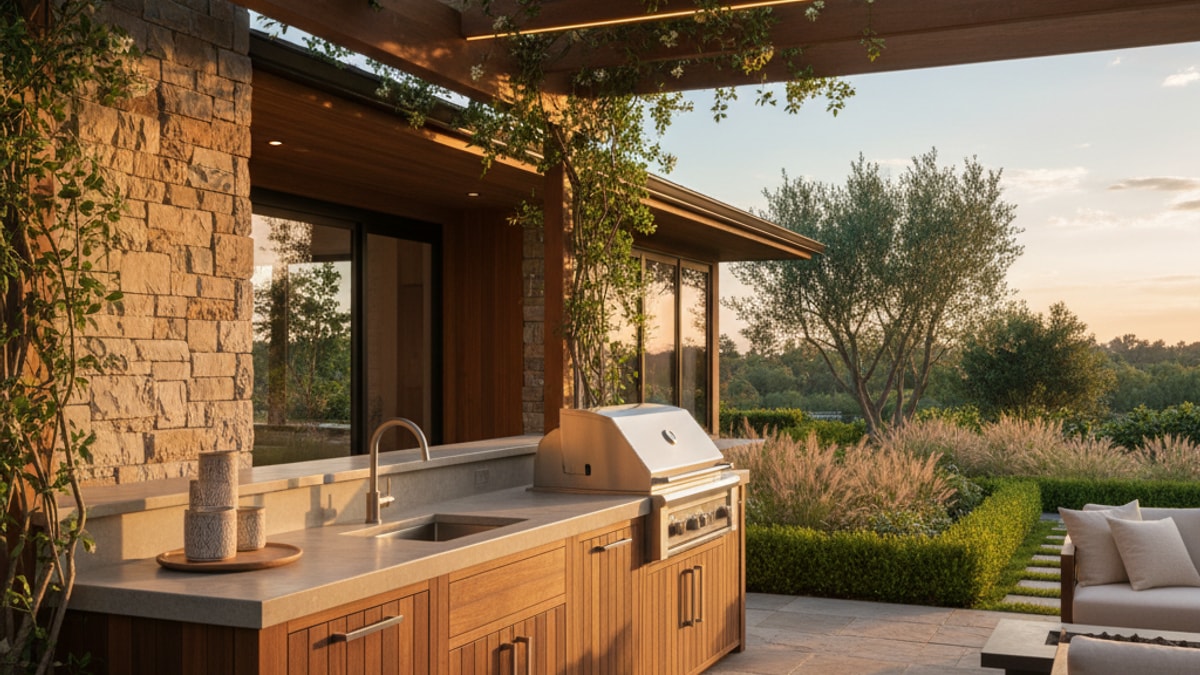
Some homeowners are drawn to the unparalleled natural beauty of wood. When considering what outdoor kitchen cabinets are made from in a wooden context, tropical hardwoods like teak, ipe, or mahogany are the only viable options. Regular wood simply won't survive the elements. Even these specialized woods require diligent care.
Pros:
- Natural Aesthetic: Offers a warm, organic look that's unmatched by other materials. It’s undeniably gorgeous.
- Natural Oil Content: Teak, in particular, has high natural oil content, which provides some resistance to rot, pests, and moisture.
- Durability (with maintenance): With proper care, these woods can last for decades.
Cons:
- High Maintenance: Requires regular oiling, sealing, or staining to prevent graying, cracking, and weathering. This is a significant, sometimes dramatic, commitment.
- Cost: Premium hardwoods are among the most expensive material choices.
- Vulnerability: Still susceptible to UV damage, mold, mildew, and potential pest infestation if not meticulously maintained. This is a crucial distinction when discussing what outdoor kitchen cabinets are made from.
- Environmental Concerns: Sourcing responsibly harvested tropical hardwoods can be a concern.
Our team generally advises caution with wood for cabinetry due to the demanding schedules and high expectations of modern homeowners. While beautiful, the upkeep is considerable, especially compared to the low-maintenance solutions we offer for other elements like Artificial Turf SAN Diego.
Decoding Material Performance: A Comparison Table
To help you visualize the differences and make an informed decision about what outdoor kitchen cabinets are made from, we've put together a concise comparison of the primary materials we've discussed.
| Feature |
Stainless Steel (304/316) |
Marine-Grade Polymer (HDPE) |
Stucco/Masonry |
Powder-Coated Aluminum |
Tropical Hardwood (Teak) |
| Durability |
Excellent |
Outstanding |
Excellent |
Very Good |
Good (with maintenance) |
| Weather Resist. |
Excellent |
Superior |
Excellent |
Very Good |
Moderate (needs sealing) |
| UV Resistance |
Good |
Excellent |
Excellent |
Very Good |
Poor (fades/grays) |
| Maintenance |
Moderate |
Low |
Moderate |
Low |
High |
| Cost |
High |
High |
Moderate to High |
High |
Very High |
| Aesthetic |
Modern/Industrial |
Modern/Versatile |
Traditional/Natural |
Modern/Versatile |
Natural/Warm |
| Customization |
Moderate |
Excellent |
Excellent |
Excellent |
Moderate |
Integrating Your Outdoor Kitchen with Your Landscape
Beyond just what outdoor kitchen cabinets are made from, the entire design needs to flow seamlessly with your existing or planned outdoor space. We're talking about more than just functionality; it's about creating an inviting atmosphere where you'll love spending time. This holistic approach is what we excel at here at Modern Yardz. We consider how your outdoor kitchen will integrate with your [Pools AND Spas], how it will be illuminated by [Landscape Lighting SAN Diego], and how it will complement any surrounding [Patio Covers Pergolas SAN Diego].
It's not enough to simply have durable cabinets; they need to look right, feel right, and function flawlessly within the broader context of your outdoor living area. Our team designs with this comprehensive vision in mind, ensuring every element, from the materials for your cabinets to the placement of your [Fire Features], works in perfect harmony. It's truly comprehensive. We've seen it work for countless homeowners.
The Modern Yardz Difference: Expertise in Every Detail
When you partner with us at Modern Yardz, you're not just getting a contractor; you're gaining a dedicated team of experts passionate about crafting extraordinary outdoor spaces. We're well-versed in the nuances of every material option available, and we're always staying ahead of the curve on the latest innovations and trends in 2026. This means we don't just tell you what outdoor kitchen cabinets are made from; we guide you through the process, helping you select the perfect materials that align with your lifestyle, aesthetic preferences, and budget.
Our commitment is to deliver a space that's not only visually stunning but also incredibly durable and functional for years to come. We handle every step, from initial [Landscape Design SAN Diego] concepts to the final construction. We pride ourselves on transparent communication and meticulous attention to detail, ensuring your vision for a beautiful, enduring outdoor kitchen becomes a tangible reality. We understand demanding schedules and high expectations. Honestly, though, it’s what we do.
Ready to upgrade your backyard? Let’s design the outdoor space you’ve been dreaming of. We're here to help you transform your outdoor space into something extraordinary. Visit our website to explore our full range of services and see how we can bring your outdoor living aspirations to life. We're excited to collaborate with you.
FAQs About Outdoor Kitchen Cabinets
What's the most durable material for outdoor kitchen cabinets?
For sheer durability and resistance to the elements, marine-grade polymer (HDPE) often takes the top spot. Stainless steel (304 or 316 grade) is also exceptionally durable, particularly against rust and corrosion, making both excellent long-term investments. Our experience shows these materials withstand the test of time and weather.
How important is UV resistance when considering what outdoor kitchen cabinets are made from?
UV resistance is critically important. Prolonged exposure to sunlight can cause colors to fade, materials to degrade, and surfaces to crack over time. Marine-grade polymer and powder-coated aluminum offer excellent UV protection, preserving the look and integrity of your cabinets for many years.
Can I use regular indoor kitchen cabinets for an outdoor kitchen?
Absolutely not. Regular indoor kitchen cabinets are made from materials like particleboard or MDF, which will quickly warp, rot, and delaminate when exposed to moisture and temperature fluctuations outdoors. It's a common mistake we've seen, leading to costly replacements very quickly.
What's the best material for an outdoor kitchen in a humid climate?
In humid climates, you'll want materials that are non-porous and highly resistant to mold and mildew. Marine-grade polymer and stainless steel are superior choices because they don't absorb moisture. Stucco and masonry, when properly sealed, also perform well in such conditions.
Are outdoor kitchen cabinets expensive?
Yes, outdoor kitchen cabinets generally represent a significant investment, often more so than indoor cabinets due to the specialized, weather-resistant materials required. The cost varies widely based on the chosen material, size, and features, but it's an investment in lasting outdoor enjoyment.
How do I maintain stainless steel outdoor kitchen cabinets?
Stainless steel cabinets require regular cleaning to prevent water spots and smudges. Use a soft cloth with warm water and mild soap, then wipe dry to avoid streaks. For tougher stains, a specialized stainless steel cleaner can be used, always wiping with the grain.
Can I paint or refinish marine-grade polymer cabinets?
While marine-grade polymer is incredibly color-stable and doesn't typically require painting, it can be painted with specialized paints designed for plastics if you wish to change its appearance. However, the factory finish is usually more durable and consistent. Our team can advise on best practices.
What are the benefits of powder-coated aluminum over stainless steel?
Powder-coated aluminum offers a wider range of color options and is typically lighter than stainless steel, making installation potentially easier. It's also rust-proof, whereas stainless steel is rust-resistant. However, stainless steel often boasts greater dent resistance.
Is wood a good option for outdoor kitchen cabinets?
Only specific tropical hardwoods like teak or ipe, heavily treated and meticulously maintained, are viable for outdoor use. They require significant upkeep (oiling, sealing) to prevent weathering, fading, and decay. For most homeowners, the maintenance burden is too high compared to synthetic or metal options.
What kind of foundation do outdoor kitchen cabinets need?
Most outdoor kitchen cabinets, especially heavier masonry or stone options, require a solid, level foundation, such as a concrete slab. Even lighter materials benefit from a well-prepared base to ensure stability and proper drainage, protecting your investment. We always ensure a robust foundation for our [Outdoor Kitchens SAN Diego] projects.
How does the climate affect what outdoor kitchen cabinets are made from?
The local climate plays a pivotal role in material selection. Areas with intense sun demand high UV resistance, while coastal regions necessitate superior corrosion resistance. Freezing temperatures require materials that won't crack, and high humidity calls for non-porous options. It's a critical consideration for longevity.
Do outdoor kitchen cabinets come with warranties?
Most reputable manufacturers of outdoor kitchen cabinets offer warranties on their products, which can vary by material and brand. It's always essential to review warranty details before making a purchase. We only work with suppliers who stand behind their craftsmanship.
What are some design considerations for outdoor kitchen cabinets?
Beyond material, consider cabinet layout for workflow, storage needs, integration with appliances, and aesthetic harmony with your overall outdoor design. Think about accessibility, waste management, and how the cabinets will complement your [Landscape Design SAN Diego] vision. Our team excels at creating cohesive, functional designs.
Can I get custom outdoor kitchen cabinets?
Absolutely. Custom outdoor kitchen cabinets are a popular choice, allowing you to tailor the size, configuration, and finish to your exact specifications and space. This is often the best route for truly unique and high-performance outdoor kitchens. We specialize in custom builds to bring your vision to life.
What's the typical lifespan of outdoor kitchen cabinets?
The lifespan of outdoor kitchen cabinets varies significantly based on the material chosen, quality of installation, and level of maintenance. High-quality stainless steel, marine-grade polymer, and well-built masonry can last 20-30 years or even longer with proper care. Lesser materials will fail much sooner.
We know choosing the right materials for your outdoor kitchen cabinets is a substantial decision, one that impacts the enjoyment and value of your home for years to come. That's why understanding what outdoor kitchen cabinets are made from is so fundamental. Our team at Modern Yardz is here to guide you through every choice, ensuring you create an outdoor space that’s not just beautiful, but built to last. Let's design the outdoor space you've been dreaming of; one that will be the envy of the neighborhood and a source of countless cherished memories.



.webp)
.webp)