There’s something truly transformative about an outdoor kitchen, isn't there? It elevates backyard living from simple grilling to a full-fledged culinary and entertainment experience. As we roll deeper into 2026, homeowners are increasingly seeking to expand their living spaces beyond interior walls, and a thoughtfully designed outdoor kitchen is often at the very heart of this aspiration. But before you get to the gleaming appliances and stunning countertops, you’ve got to tackle the foundational element: learning how to build outdoor kitchen frame that’s both sturdy and perfectly aligned with your vision.
At Modern Yardz, we’ve spent years perfecting the art of outdoor living spaces, from tranquil Landscape Design to elaborate Outdoor Kitchens. Our experience shows that the success of any outdoor culinary setup hinges dramatically on the integrity of its frame. It’s the skeleton, the backbone, the critical, non-negotiable element that dictates everything from durability to safety. We can't stress this enough: cutting corners here will inevitably lead to headaches, costly repairs, and ultimately, a less enjoyable outdoor space down the line. We’re going to walk you through the definitive process of how to build outdoor kitchen frame that will stand up to the elements and serve your family for years to come.
Unpacking the Vision: Planning and Design Fundamentals
Before a single piece of material is cut, a comprehensive plan is absolutely essential. This isn't just about sketching a box; it's about envisioning the entire ecosystem of your outdoor kitchen. What appliances will you integrate? A grill, a sink, a refrigerator, perhaps even a pizza oven or side burner? Each of these components has specific requirements for spacing, ventilation, and utility hookups. Our team always starts with a detailed consultation, often leveraging our Luxe Design Package or Premium Design Package to ensure every nuance of your dream kitchen is captured and meticulously planned. Honestly, though, even if you’re tackling this as a DIY project, thorough planning is paramount.
Consider the overall layout: will it be a straight run, an L-shape, or a U-shape? How will it flow with your existing patio or deck? Think about traffic patterns – you don't want guests constantly bumping into the chef. We've found that integrating the kitchen seamlessly into the broader outdoor living area creates a much more cohesive and enjoyable space. This means thinking about how it relates to your Patio Covers & Pergolas, Fire Features, and even your Pools and Spas.
Permits are another crucial, often overlooked, aspect. Depending on your local regulations, you might need permits for plumbing, electrical work, and even the structure itself. We always recommend checking with your local building department early in the process. It's becoming increasingly challenging to navigate these requirements without professional guidance, and our collective expertise helps homeowners avoid significant, sometimes dramatic, setbacks. A properly permitted project ensures compliance and peace of mind when you build outdoor kitchen frame.
Selecting the Right Materials: Durability Meets Design
The choice of materials for your outdoor kitchen frame is a formidable decision. This isn't indoor cabinetry we're talking about; it's a structure exposed to relentless sun, driving rain, fluctuating temperatures, and potentially even salty air. Durability is non-negotiable. We've seen myriad approaches over the years, and we've refined our recommendations based on real-world performance.
Here's what we've learned: success depends on materials that resist rust, rot, and pest infestation. While pressure-treated lumber might seem like an economical choice, its long-term performance in an outdoor kitchen frame, especially when supporting heavy countertops and appliances, can be questionable. It's prone to warping and requires extensive sealing. Steel, particularly galvanized or stainless steel, offers superior strength and weather resistance, but it can be heavier and often requires welding or specialized fasteners. Aluminum frames are lightweight and corrosion-resistant, making them a popular choice, but they might not offer the same structural rigidity as steel for very large spans.
Honestly, though, for many of our clients, we often recommend steel or aluminum for the core structure, then clad it with something like cement board. This combination provides an unflinching, weather-resistant base that's ready for any finish material, whether that's stone veneer, stucco, or tile. When you build outdoor kitchen frame, you're building for the future, so invest in materials that reflect that commitment. Our team is adept at material selection, ensuring your investment is sound.
Comparison: Common Outdoor Kitchen Frame Materials
| Material Type |
Pros |
Cons |
Our Recommendation for DIY |
Our Recommendation for Pro Builds |
| Pressure-Treated Wood |
Affordable, easy to work with standard tools |
Prone to warping/rot, requires sealing, less fire-resistant |
Basic, short-term projects |
Generally avoid for longevity |
| Galvanized Steel |
High strength, good rust resistance, durable |
Heavier, can be harder to cut/fasten, requires specialized tools |
Moderate, with proper tools |
Excellent, long-term durability |
| Stainless Steel |
Superior corrosion resistance, very strong |
Most expensive, requires welding/special fasteners |
Advanced DIY |
Premium, top-tier performance |
| Aluminum |
Lightweight, excellent rust resistance, easy to cut |
Less rigid than steel, can be more expensive than wood |
Good for smaller, modular builds |
Very good, especially for coastal areas |
| CMU (Concrete Blocks) |
Extremely durable, fireproof, stable |
Labor-intensive, heavy, requires masonry skills |
Advanced, very permanent |
Excellent, but often for full masonry kitchens |
Essential Tools and Equipment for the Job
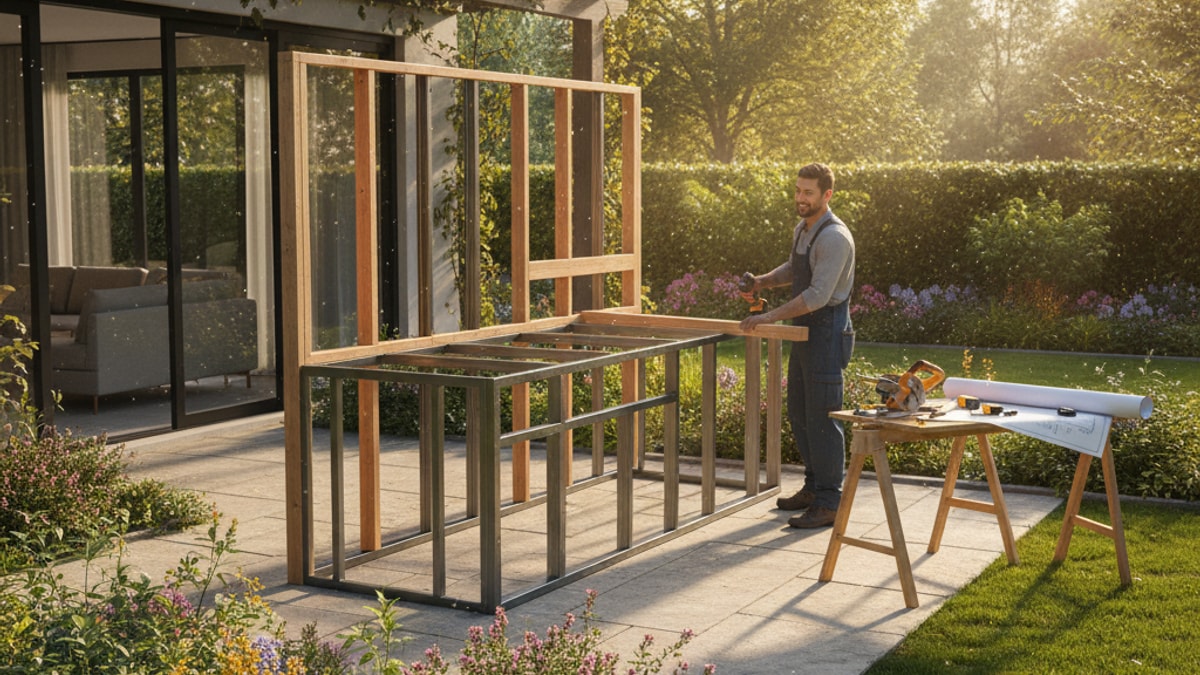
You wouldn’t start a gourmet meal without the right utensils, would you? The same principle applies when you’re learning how to build outdoor kitchen frame. Having the correct tools makes the process smoother, safer, and ultimately, yields a much more professional result. You'll need a solid measuring tape, a speed square, a level (a long one is incredibly helpful), and a sturdy workbench. For cutting, a circular saw with the appropriate blade for your material (wood, metal, or composite) is indispensable. A miter saw can offer more precise, repeatable cuts, which is crucial for a square frame.
Fasteners are another critical consideration. For wood, weather-resistant screws (stainless steel or ceramic coated) are a must. For metal frames, self-tapping screws or a rivet gun might be necessary. Don't forget personal protective equipment: safety glasses, gloves, and hearing protection are non-negotiable. Building an outdoor kitchen frame demands attention to detail, and protecting yourself while you work is part of that meticulous approach. When our crews are on a job site, whether it's for Pavers or a full Outdoor Kitchens installation, safety is always our top priority.
The Step-by-Step Blueprint: Constructing Your Frame
Now, let's get into the nitty-gritty of how to build outdoor kitchen frame. This is where your meticulous planning truly pays off.
Site Preparation: The Foundation of Success
First, clear the area completely. Remove any debris, level the ground, and ensure proper drainage. You don't want water pooling around your frame, inviting moisture issues down the line. A compacted gravel base or a concrete slab provides the best, most stable foundation. If you’re laying a new Concrete pad, ensure it’s perfectly level and has a slight slope away from any structures to facilitate drainage. This initial step, though often overlooked, is absolutely fundamental to the longevity of your outdoor kitchen frame.
Laying Out Dimensions and Marking Cuts
Using your detailed plan, mark out the exact footprint of your outdoor kitchen frame on your prepared base. Double-check all measurements. Use a large carpenter's square or the 3-4-5 method to ensure all corners are perfectly square. This step is crucial; any inaccuracies here will compound as you build, leading to a crooked frame and ill-fitting appliances. When we build outdoor kitchen frame for clients, our team uses laser levels and digital measuring tools to achieve impeccable precision, a testament to our commitment to quality.
Now, transfer these precise measurements to your chosen framing material. Measure twice, cut once – it's an old adage but still rings true. Label each piece as you go; it'll save you a significant amount of time and confusion during assembly. Remember to account for the thickness of your cladding material when determining the overall dimensions of the frame, especially around appliance openings.
Cutting and Assembling the Frame Components
With your materials marked, it’s time to cut. Use your circular or miter saw, ensuring clean, straight cuts. For a robust outdoor kitchen frame, we’re aiming for structural integrity. Start by assembling the base frame, then erect the vertical supports. Pay close attention to appliance cutouts – these need to be exact. Frame out each opening precisely, leaving appropriate clearances for installation and ventilation. For example, gas grills require specific clearances from combustible materials, often necessitating heat shields or non-combustible surfaces around them. This is a critical safety aspect we prioritize when we build outdoor kitchen frame.
Fasten everything securely. Don't skimp on screws or bolts. For metal frames, ensure all connections are tight and stable. If you’re using steel, consider welding for maximum strength, though mechanical fasteners can suffice for many applications. Our experience has shown that robust connections prevent sagging and shifting over time, especially with the weight of countertops and daily use. This approach, which we've refined over years, delivers real results.
Integrating Utilities: Gas, Water, and Electrical
This is where things get a bit more complex, and often, where professional help becomes invaluable. Running gas lines, water lines, and electrical wiring through an outdoor kitchen frame requires adherence to strict safety codes and often, licensed professionals. Never attempt to DIY gas or high-voltage electrical work unless you are certified and fully understand the risks involved. Catastrophic failures can occur.
Plan for utility runs within the frame. Create dedicated channels or conduits to protect lines from damage and weather exposure. Ensure adequate ventilation for gas appliances, often requiring vents in the frame itself. For sinks, plan for both hot and cold water supply lines and a drainage system. Electrical outlets should be GFCI-protected and rated for outdoor use. These are not merely suggestions; they are mandates for safety and compliance. When you build outdoor kitchen frame, integrating these elements correctly from the outset saves immense trouble later on.
Sheathing and Finishing the Frame
Once the core outdoor kitchen frame is assembled and all utilities are roughed in and inspected (if required), it's time to sheath it. Cement board is an excellent choice for this, providing a rigid, moisture-resistant surface ready for your chosen finish. Cut the cement board to fit precisely, attaching it with cement board screws. Pay extra attention around appliance openings, ensuring clean, flush edges.
After sheathing, you're ready for the finish material – stucco, stone veneer, tile, or even a specialized outdoor cabinetry system. This is where your outdoor kitchen truly starts to take on its aesthetic appeal. We've worked with everything from natural stone to contemporary porcelain Pavers as cladding materials, and the possibilities are sprawling. The key is that the underlying outdoor kitchen frame provides an impeccable, sturdy canvas for whatever artistic vision you have.
Common Pitfalls and How to Avoid Them
We’ve seen our share of DIY missteps over the years, and a few common errors consistently arise when homeowners attempt to build outdoor kitchen frame without proper guidance. One is inadequate planning, leading to incorrect appliance clearances or utility routing. Another is using inappropriate materials that quickly succumb to the elements. Skimping on fasteners or neglecting to square the frame properly results in instability and a visibly flawed finish.
Poor drainage and insufficient ventilation are also significant issues, potentially leading to mold, mildew, or even hazardous gas buildup. Our team always conducts a thorough site assessment and uses industry best practices to mitigate these risks. We mean this sincerely: it runs on genuine connections and meticulous execution. That's the reality. It all comes down to experience and an unflinching commitment to quality. Avoiding these pitfalls is crucial not just for aesthetics, but for the safety and longevity of your investment. This is why many homeowners choose to partner with us, benefiting from our decades of expertise.
Maintenance and Longevity of Your Outdoor Kitchen
Building a robust outdoor kitchen frame is a long-term investment. To ensure its longevity, routine maintenance is necessary. Regularly inspect the frame for any signs of wear, rust, or damage. Check that all fasteners are tight and that cladding materials aren’t cracking or separating. Keep the area around and within the frame free of debris, which can trap moisture and attract pests. Proper ventilation for appliances should always be unobstructed.
For metal frames, touch up any scratches or exposed areas to prevent rust. For wood frames (though we generally recommend against them for the core structure), reapply sealants as needed. A little proactive care goes a long way in preserving your outdoor kitchen. After all, you’ve put in the effort to build outdoor kitchen frame that’s exceptional; protecting that effort is simply good stewardship.
Why Professional Expertise Makes All the Difference
While this guide provides a comprehensive overview of how to build outdoor kitchen frame, the reality is that constructing a truly impeccable, safe, and beautiful outdoor kitchen is a complex undertaking. It requires nuanced understanding of materials, building codes, utility integration, and overall landscape design principles. This is where Modern Yardz truly shines. We specialize in creating custom outdoor spaces, from the initial Landscape Design concept to the final touches of Landscape Lighting.
Unlike many providers in the space, we don't just build; we design with a holistic vision, ensuring your outdoor kitchen integrates seamlessly with your entire yard. We handle every step of the process, from design to construction, with care and precision, alleviating the demanding schedules and high expectations from homeowners. Our local roots and decades of expertise mean we're uniquely positioned to help you create an outdoor space that’s as functional as it is beautiful. We've seen it work for countless clients, transforming their backyards into genuine extensions of their homes.
If you're ready to upgrade your backyard and want to ensure your outdoor kitchen frame is built to the highest standards, let’s design the outdoor space you’ve been dreaming of. Our team is here to transform your outdoor space into something extraordinary, making your vision a tangible, enduring reality. Visit our website to explore our full range of services and see how we can bring your dream outdoor kitchen to life. We’re passionate about creating spaces where memories are made, and it all starts with an expertly constructed outdoor kitchen frame.



.webp)
.webp)