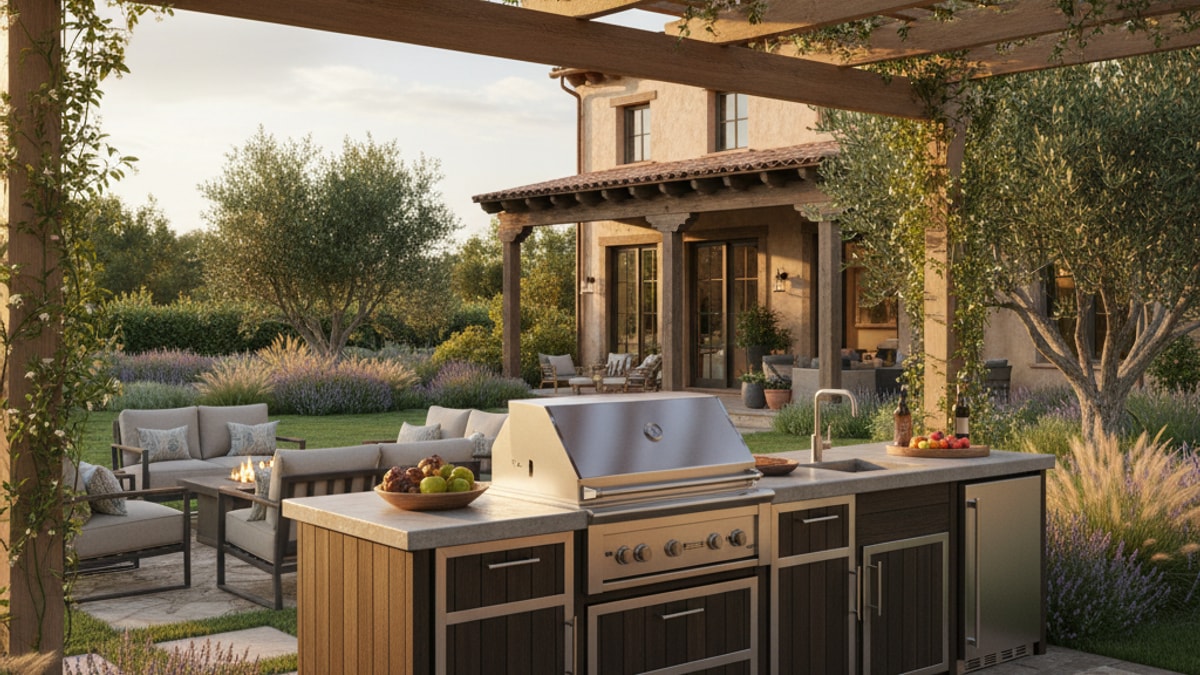
In 2026, the allure of an outdoor kitchen isn't just a fleeting trend; it's a foundational element of modern outdoor living. Homeowners are increasingly seeking to extend their living spaces, blurring the lines between indoor comfort and the refreshing embrace of nature. But a successful outdoor kitchen, one that truly elevates your property and provides years of enjoyment, hinges critically on its foundation: the cabinets. That’s why understanding how to build outdoor kitchen cabinets correctly is paramount, a task our team at Modern Yardz approaches with meticulous care and decades of accumulated expertise.
We've observed a significant, sometimes dramatic, shift in what clients expect from their outdoor environments. It’s no longer enough for these spaces to be merely functional; they must be resilient, beautiful, and seamlessly integrated. Our collective experience shows that when you're considering how to build outdoor kitchen cabinets, you're not just assembling boxes; you're crafting the backbone of an entire lifestyle. We're here to share our professional observations and help you navigate this intricate, yet incredibly rewarding, endeavor.
Why an Outdoor Culinary Haven is Essential in 2026
The outdoor kitchen has transcended simple barbecue setups. Today, it’s a full-fledged culinary extension of your home, designed for entertaining, relaxing, and making unforgettable memories. Honestly, though, it's about so much more than just cooking outside. It's about creating a central hub for family gatherings, a sophisticated space for hosting friends, and a tranquil escape for everyday meals. We've seen firsthand how a well-designed outdoor kitchen can completely transform a backyard, turning an underutilized area into the most coveted spot on the property.
Think about it: who doesn't appreciate the ease of grilling a steak, prepping a salad, and mixing cocktails all within arm's reach, under the open sky? Our clients frequently tell us how their Outdoor Kitchens SAN Diego become the focal point of their home’s social life. It’s a truly valuable investment, one that typically sees impressive returns, both in terms of property value and, more importantly, enhanced quality of life. This isn't just a project; it's an enhancement to your daily living.
Planning Your Outdoor Culinary Oasis: The Blueprint
Before you even think about the first cut, comprehensive planning is your non-negotiable first step. Skipping this phase is a recipe for frustration and costly reworks, something we've witnessed far too often. Our team recommends beginning with a detailed Landscape Design SAN Diego plan that incorporates the outdoor kitchen as a central feature. This ensures that your cabinets, appliances, and overall layout harmonize with the rest of your outdoor space, whether you're integrating Pavers SAN Diego for a patio or a stunning Pools AND Spas area.
Here’s what’s important: you’ll need to consider the size and shape of your available space, the placement of utilities (gas, water, electricity), and how the kitchen will flow with other outdoor elements like dining areas or lounging zones. We can't stress this enough: functionality and accessibility are key. Sketch out your design, marking where your grill, sink, refrigerator, and storage cabinets will go. Thinking about how to build outdoor kitchen cabinets means visualizing the entire user experience, from prep to cleanup. Are the trash receptacles easily accessible? Is there ample counter space next to the grill? These seemingly small details make a colossal difference in daily use.
Consider the sun's path throughout the day – you don't want a scorching hot cooking surface or glaring sun in your eyes while entertaining. Wind patterns are another factor; you'll want to avoid placing your grill where smoke will constantly blow into your seating area. Our team often utilizes 3D renderings to help clients truly visualize their space, ensuring every element, especially when figuring out how to build outdoor kitchen cabinets, is perfectly situated before construction even begins. This rigorous planning stage, which we've refined over years, delivers real results, preventing unforeseen headaches down the line.
Choosing the Right Materials: Durability is Non-Negotiable
When you decide how to build outdoor kitchen cabinets, material selection isn't just a detail; it's arguably the most critical decision you'll make. These cabinets will face relentless exposure to sun, rain, temperature fluctuations, and humidity. Subpar materials simply won't survive. We’ve found that investing in high-quality, weather-resistant options from the outset saves immense headaches and costs in the long run.
Here's a breakdown of the most common and effective materials we recommend for building outdoor kitchen cabinets:
| Material Type | Pros | Cons to build outdoor kitchen cabinets, you'll need to consider how the materials for the framework, surfacing, and doors will perform under your specific environmental conditions. It's becoming increasingly challenging to find materials that offer both aesthetic appeal and uncompromising durability. We mean this sincerely: it runs on genuine connections. That's the reality. It all comes down to the quality of construction and the quality of the components. We've seen projects fall apart because corners were cut here.
Cabinet Frame Materials:
- Stainless Steel: This is the gold standard, period. It's incredibly resilient to corrosion, rust, and pests. We particularly favor marine-grade stainless steel (316L) for its superior resistance, especially in coastal climates. It's expensive, yes, but its longevity and minimal maintenance requirements often justify the initial outlay. When learning how to build outdoor kitchen cabinets, many serious DIYers gravitate toward this for the sheer peace of mind it offers.
- Marine-Grade Polymer (HDPE): A fantastic, often overlooked alternative. HDPE is a high-density polyethylene that's impervious to water, salt, UV rays, and most chemicals. It won't rot, rust, or delaminate. It's available in various colors and textures, offering design flexibility. Its strength-to-weight ratio is impressive, making it easier to work with than heavy steel, and it's a critical, non-negotiable element for those prioritizing ultimate weather resistance.
- Cement Board/Concrete: Extremely durable and fire-resistant, often used as a substrate over a steel or wood frame. While not a cabinet material itself, it forms the shell upon which finishes are applied. This provides a robust, heavy-duty structure. Building an outdoor kitchen with this foundation means a formidable, unrelenting structure.
- Pressure-Treated Wood: While more affordable initially, it's generally our last recommendation for a cabinet frame directly exposed to the elements. Even pressure-treated wood can warp, crack, or rot over time, especially if not properly sealed and maintained. If you choose this, meticulous sealing and a robust exterior cladding are absolutely essential to truly understanding how to build outdoor kitchen cabinets that last. We've seen it work, but it requires diligent upkeep.
Cabinet Door and Drawer Front Materials:
These components take the brunt of daily use and aesthetic scrutiny. Matching them to your frame material is often ideal.
- Stainless Steel: Again, a top choice for doors and drawers. It offers a sleek, modern look and incredible durability. Fingerprints can be an issue, but textured or brushed finishes help mitigate this.
- Marine-Grade Polymer (HDPE): Excellent for cabinet faces, providing consistent color, UV stability, and easy cleaning. It's a pragmatic choice.
- Composite Materials: Some manufacturers offer specialized composite panels designed for outdoor use. These often combine resins and wood fibers, engineered for moisture and UV resistance. They can mimic the look of wood without the maintenance hassles. Our experience shows these can be a great middle-ground.
Countertop Materials:
This isn't strictly cabinet material, but it's an integral part of the overall structure and aesthetic, demanding similar resilience.
- Granite/Quartzite: Extremely durable, heat-resistant, and visually stunning. Requires sealing for granite to prevent staining. Quartzite offers granite's durability with unique veining. Both are excellent choices.
- Concrete: Customizable, robust, and offers a contemporary industrial look. Requires proper sealing to prevent staining and protect against weathering. It's heavy, yes, so your cabinet structure must be able to support it.
- Porcelain Slabs: Highly resistant to scratches, heat, UV, and staining. Lighter than natural stone and available in vast aesthetic options, including wood or marble effects. It's a modern favorite for good reason.
When considering how to build outdoor kitchen cabinets, remember that every material choice has implications for both performance and budget. We recommend balancing these factors carefully to achieve a result that is both stunning and enduring. Our team always prioritizes longevity and minimal maintenance; it’s just better in the long run.
Essential Tools and Safety Protocols
Building outdoor kitchen cabinets isn't a job for a single screwdriver. You'll need a comprehensive set of tools, and more importantly, an unwavering commitment to safety. We can't stress this enough: always wear appropriate personal protective equipment (PPE), including safety glasses, hearing protection, and gloves. Power tools are powerful, sometimes unforgiving. Respect them. Here's what you'll typically need:
- Measuring & Marking: Tape measure, carpenter's square, level (long and short), chalk line, pencil.
- Cutting: Circular saw, miter saw (for precise angle cuts), jigsaw (for curves and cutouts), utility knife, metal shears (if working with sheet metal). A table saw is incredibly helpful for ripping sheet goods accurately.
- Drilling & Fastening: Cordless drill/driver, various drill bits (for metal, wood, or masonry), impact driver, clamps (essential for holding pieces while fastening), appropriate screws (stainless steel or exterior-grade). We've found that having multiple drills charged and ready significantly streamlines the process.
- Fabrication & Assembly: Router (for edge profiles, if desired), sander (orbital or belt), caulk gun, spirit level, framing square.
- Safety Gear: Safety glasses, hearing protection, work gloves, dust mask, first-aid kit nearby.
Before starting any work, ensure your workspace is clean, well-lit, and free of trip hazards. Unplug tools when changing blades or bits. Never rush a cut, and always double-check your measurements. Honestly, though, a moment of haste can lead to a lifetime of regret. This is a project where precision and patience pay dividends. When you’re learning how to build outdoor kitchen cabinets, developing good safety habits is just as important as mastering construction techniques.
The Core Process: How to Build Outdoor Kitchen Cabinets
Now, this is where it gets interesting: the actual construction. Regardless of the material, the fundamental principles of building outdoor kitchen cabinets remain consistent. We'll walk you through the essential steps, assuming a frame-and-panel construction or a modular system.
1. Prepare Your Foundation:
Your outdoor kitchen cabinets need a perfectly level, stable foundation. This is critical. If your patio or deck isn't perfectly flat, you'll need to create a sub-base. We often use Concrete SAN Diego pads or sturdy, adjustable feet to ensure everything is plumb and level. An uneven base will lead to warped cabinets, misaligned doors, and structural instability. It’s a foundational truth: start level, stay level.
2. Cut and Assemble the Frame:
This is the skeletal structure of your cabinets. Using your chosen material (stainless steel, HDPE, or treated wood), cut all the pieces according to your detailed plans. Accuracy is paramount here; even a slight deviation can throw off the entire unit. Assemble the frames using appropriate fasteners. For stainless steel, this might involve welding or specialized mechanical fasteners. For HDPE, it’s usually stainless steel screws. For wood, use exterior-grade screws and waterproof adhesive.
- Base Cabinets: Start with the base frames, building individual boxes for each section (e.g., under the grill, under the sink, storage). These frames will typically consist of a bottom, top, and four vertical supports. We recommend reinforcing corners with gussets or additional bracing, especially for heavier countertops. When you think about how to build outdoor kitchen cabinets, consider the weight they'll bear.
- Appliance Cutouts: For integrated appliances like grills, side burners, or refrigerators, ensure your frame includes precise cutouts and adequate ventilation. Always refer to the appliance manufacturer's specifications for clearances. This isn't optional; it's a safety and performance requirement.
3. Add Internal Shelving and Supports:
Once the frames are assembled, install any internal shelving or drawer slides. Again, use weather-resistant materials and fasteners. For shelving, marine-grade polymer or stainless steel are ideal. If you're building custom drawers, ensure their construction is as robust as the cabinet frame itself, designed to withstand moisture and heavy use.
4. Install Back and Side Panels:
These panels provide structural integrity and a finished look. For moisture protection, we often use cement board or marine-grade polymer for back and side panels, especially on cabinets exposed to direct weather. Seal all joints with a high-quality, weather-resistant sealant. This step is a critical, non-negotiable element in understanding how to build outdoor kitchen cabinets that truly last.
5. Apply Exterior Cladding/Finishes:
This is where your cabinets start to take on their aesthetic appeal. Whether you're tiling over cement board, applying stone veneer, or leaving stainless steel or HDPE exposed, ensure the finish is applied meticulously. For tile, use exterior-grade mortar and grout. For stone veneer, follow manufacturer guidelines for adhesive and sealing. If you've opted for Patio Covers Pergolas SAN Diego, this cladding will be somewhat protected, but still needs to be weather-hardy.
6. Mount Doors and Drawers:
Attach doors and drawer fronts using marine-grade stainless steel hinges and drawer slides. Adjust them carefully to ensure they operate smoothly and align perfectly. We've found that quality hardware makes all the difference in the user experience; cheap hinges will sag and rust far too quickly. This is where the attention to detail in how to build outdoor kitchen cabinets truly shines through.
7. Install Countertops:
Carefully place and secure your chosen countertop material. Ensure it's level and properly adhered to the cabinet frames. For heavy materials like granite, professional installation is often recommended to prevent damage and ensure safety. Seal any gaps between the countertop and the cabinets with a waterproof sealant. Remember, this is the working surface; it needs to be impeccably installed.
Installation Nuances: Securing Your Investment
Proper installation is more than just setting cabinets in place; it's about securing them against the elements and ensuring long-term stability. Once you understand how to build outdoor kitchen cabinets, the next step is to anchor them securely. We recommend bolting the cabinet frames directly to your concrete slab or deck structure using appropriate anchors. This prevents shifting due to wind, seismic activity, or accidental bumps. For heavier built-in appliances, additional bracing might be necessary.
Ensuring proper drainage around your outdoor kitchen is also crucial. You don't want water pooling around the base of your cabinets. Our team often incorporates subtle grading or channel drains to direct water away. This proactive approach prevents moisture intrusion and extends the life of your investment. It’s a small detail with massive implications, honestly.
Finishing Touches: Beyond the Build
With the core structure complete, it’s time for the details that elevate your outdoor kitchen from functional to fabulous. This includes installing plumbing for your sink, running electrical lines for outlets and Landscape Lighting SAN Diego, and connecting gas lines for your grill and Fire Features. Always, always, always consult licensed professionals for gas, electrical, and plumbing work. Trying to DIY these critical installations can be incredibly dangerous and could violate local building codes.
Consider storage accessories, such as pull-out trash bins, utensil drawers, or specialized spice racks. These additions enhance functionality and keep your outdoor space organized and clutter-free. We’ve found that thoughtful accessories make a significant difference in how much you enjoy your outdoor kitchen. And another consideration: protect your investment with high-quality, custom-fit covers for your grill and other major appliances when not in use. This simple step dramatically extends their lifespan.
Maintaining Your Outdoor Cabinets for Longevity
Even with the most robust materials and meticulous construction, some maintenance is inevitable. Regular cleaning is essential. Wipe down surfaces with mild soap and water, especially after cooking, to prevent grease and food stains from setting in. For stainless steel, use specialized cleaners to maintain its luster and prevent corrosion.
Inspect your cabinets annually for any signs of wear, loose fasteners, or sealant degradation. Reapply sealants as needed, especially around countertops and joints. If you've chosen a wood-based material (even pressure-treated), periodic sanding and resealing will be necessary to protect it from the elements. This proactive maintenance regimen, which we've seen extend the life of many outdoor kitchens, is key to preserving your investment for well into 2026 and beyond. It’s not just about how to build outdoor kitchen cabinets; it’s about how to keep them looking pristine.
When to Call the Professionals
While understanding how to build outdoor kitchen cabinets yourself is a commendable endeavor, sometimes the complexity, scale, or sheer demand of the project warrants professional expertise. Our team at Modern Yardz specializes in creating custom outdoor spaces, including luxurious Outdoor Kitchens SAN Diego, with care and precision. We handle every step, from design to construction, ensuring a seamless, stress-free experience.
If you're unsure about material selection, structural integrity, or integrating complex utilities, don't hesitate to reach out. We've got the collective expertise to bring your vision to life, ensuring your outdoor kitchen is not only beautiful but also safe, functional, and built to last. For projects that involve intricate Seat Retaining Walls or extensive Artificial Turf SAN Diego integration, our comprehensive approach ensures harmony across all elements. We mean this sincerely: it runs on genuine connections and impeccable craftsmanship. Ready to Upgrade Your Backyard? We’re here to help.
Building an outdoor kitchen is a significant undertaking, but with careful planning, the right materials, and a commitment to quality, you can create a truly exceptional space. We've watched countless homeowners transform their backyards into personal havens, and it's always incredibly rewarding. Whether you tackle it yourself or choose to collaborate with experienced professionals like our team, the goal remains the same: to craft an outdoor environment that enhances your life for years to come. Let’s Design the Outdoor Space You’ve Been Dreaming Of.



.webp)
.webp)