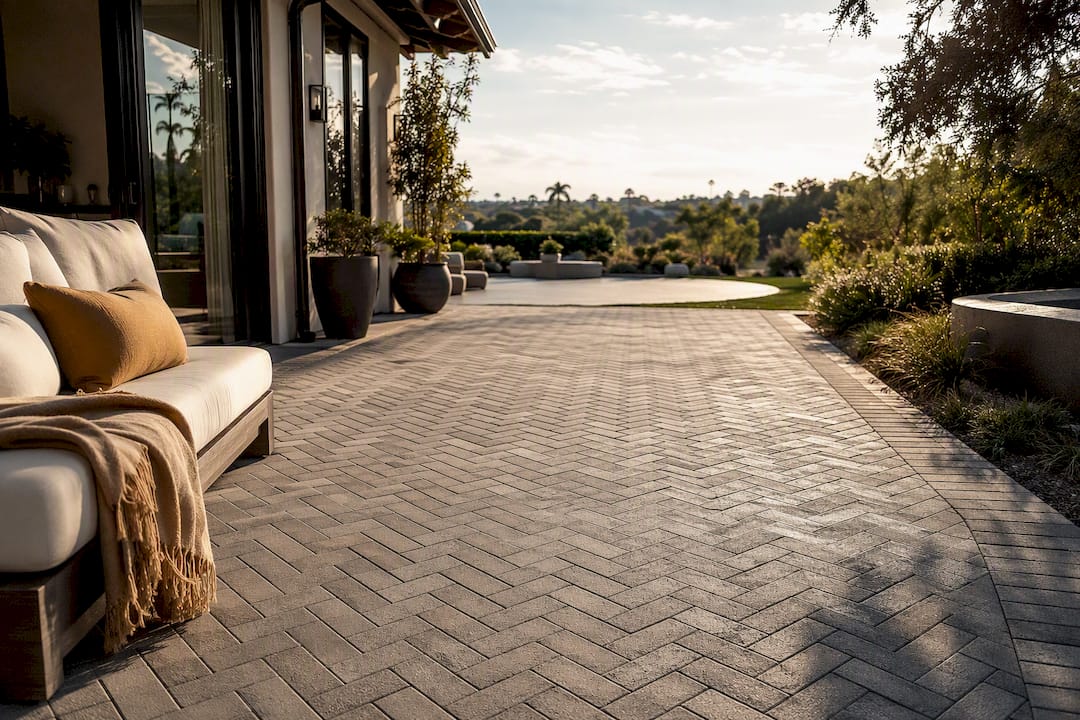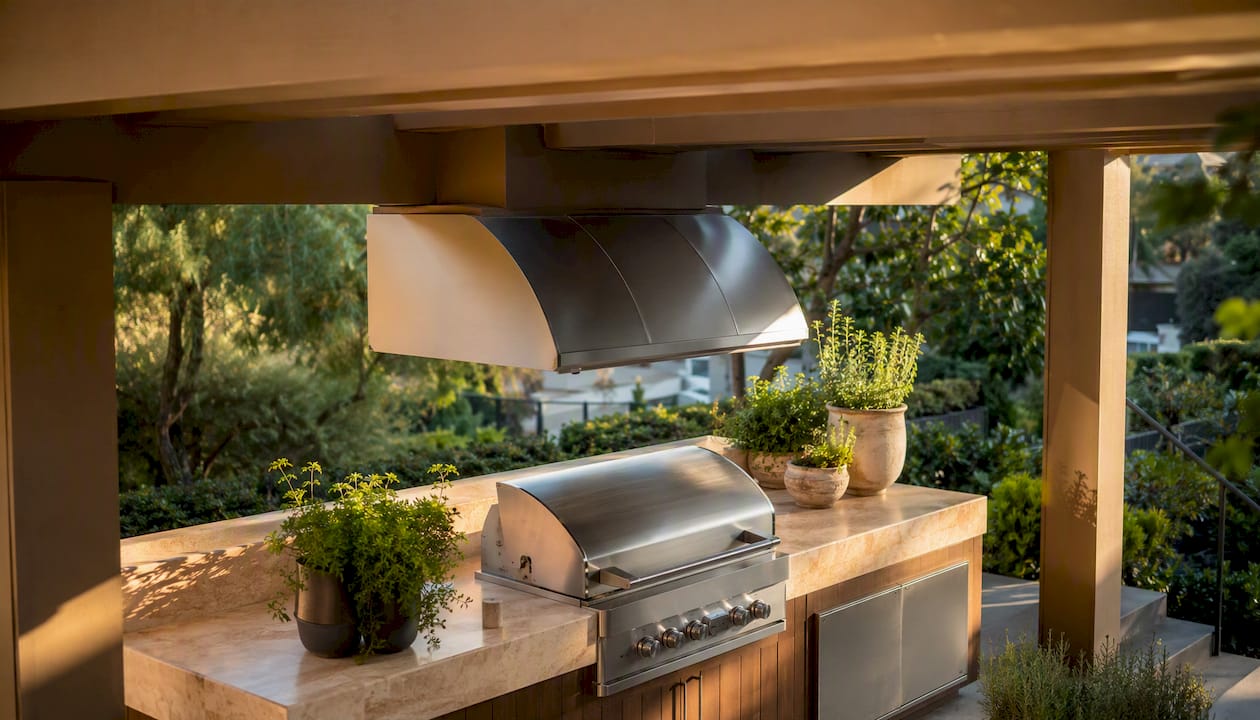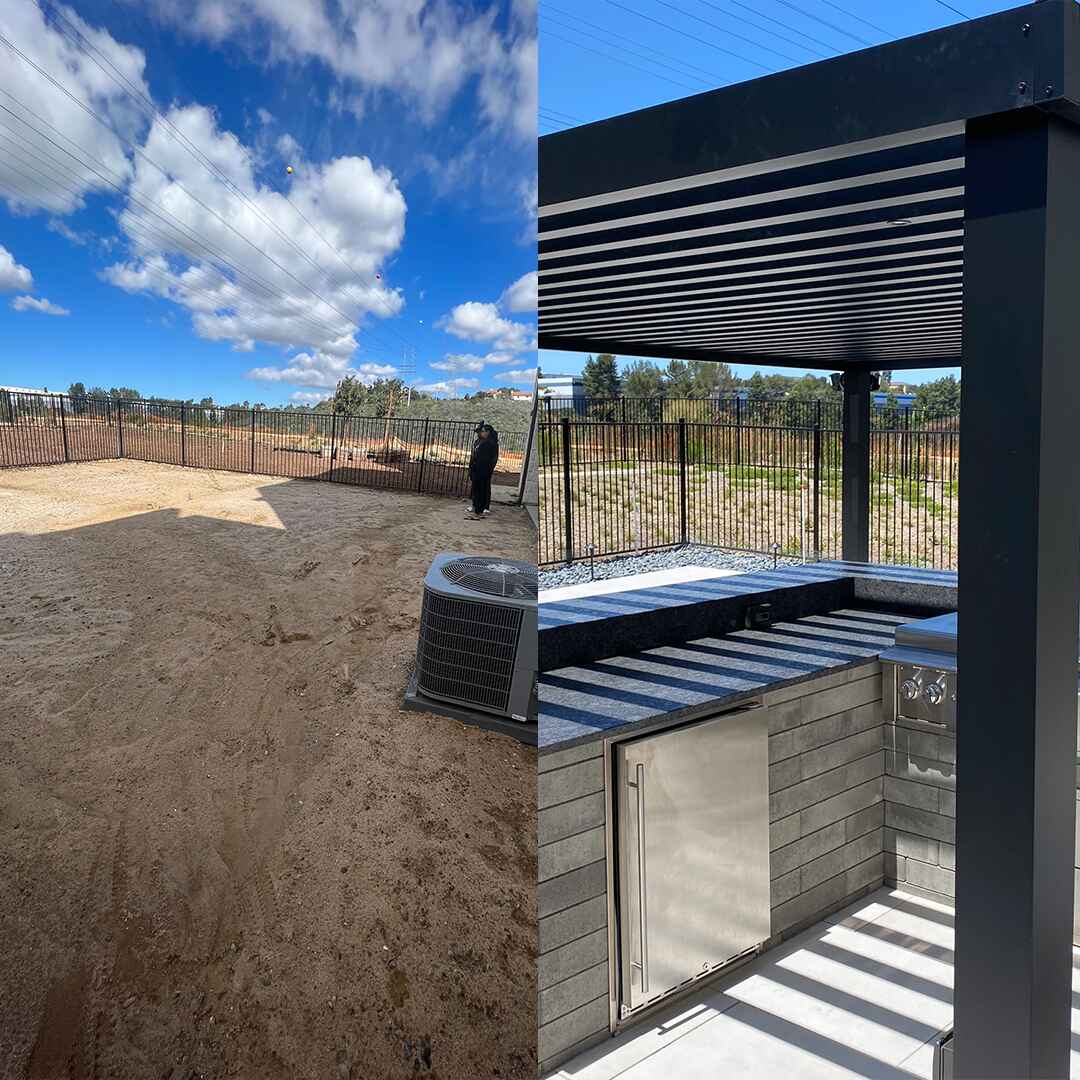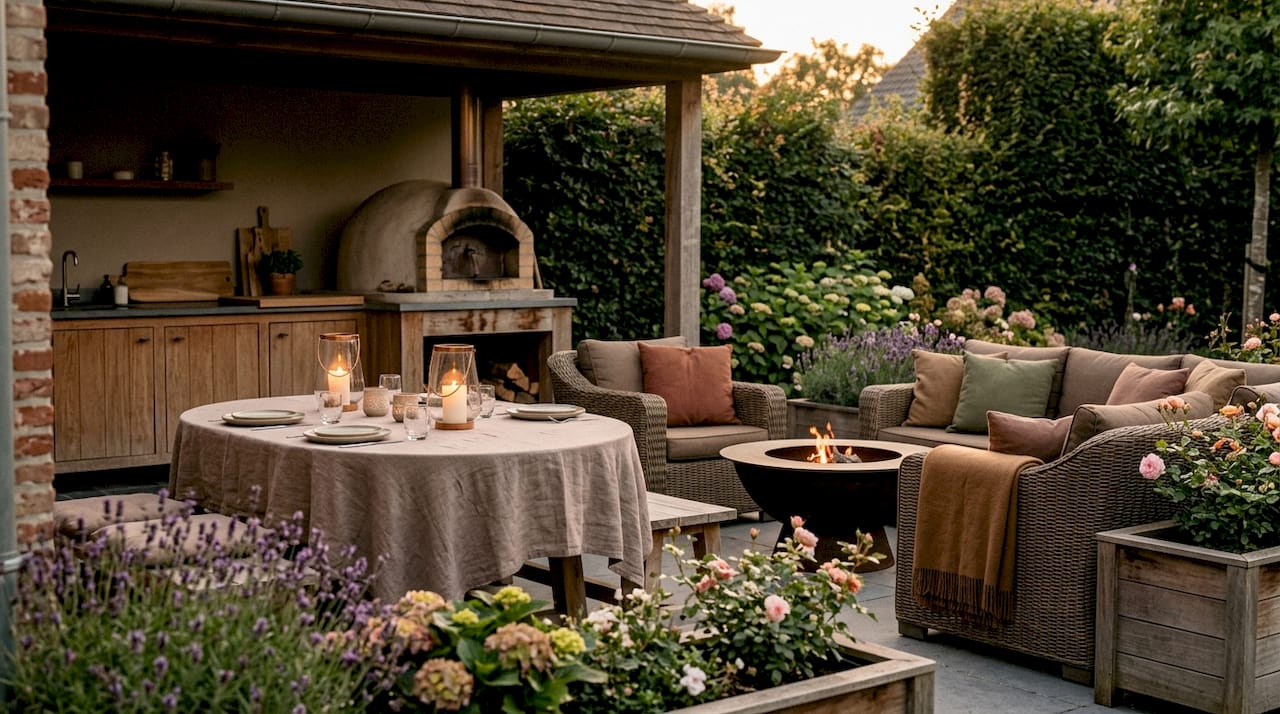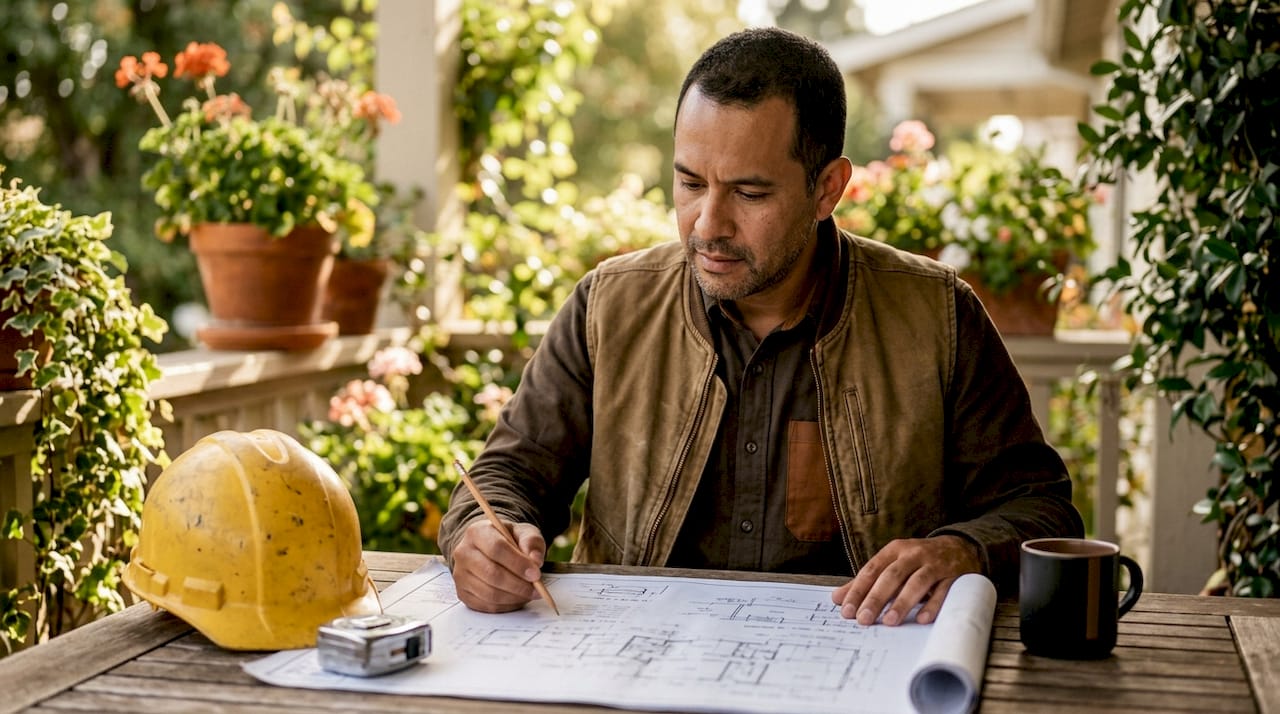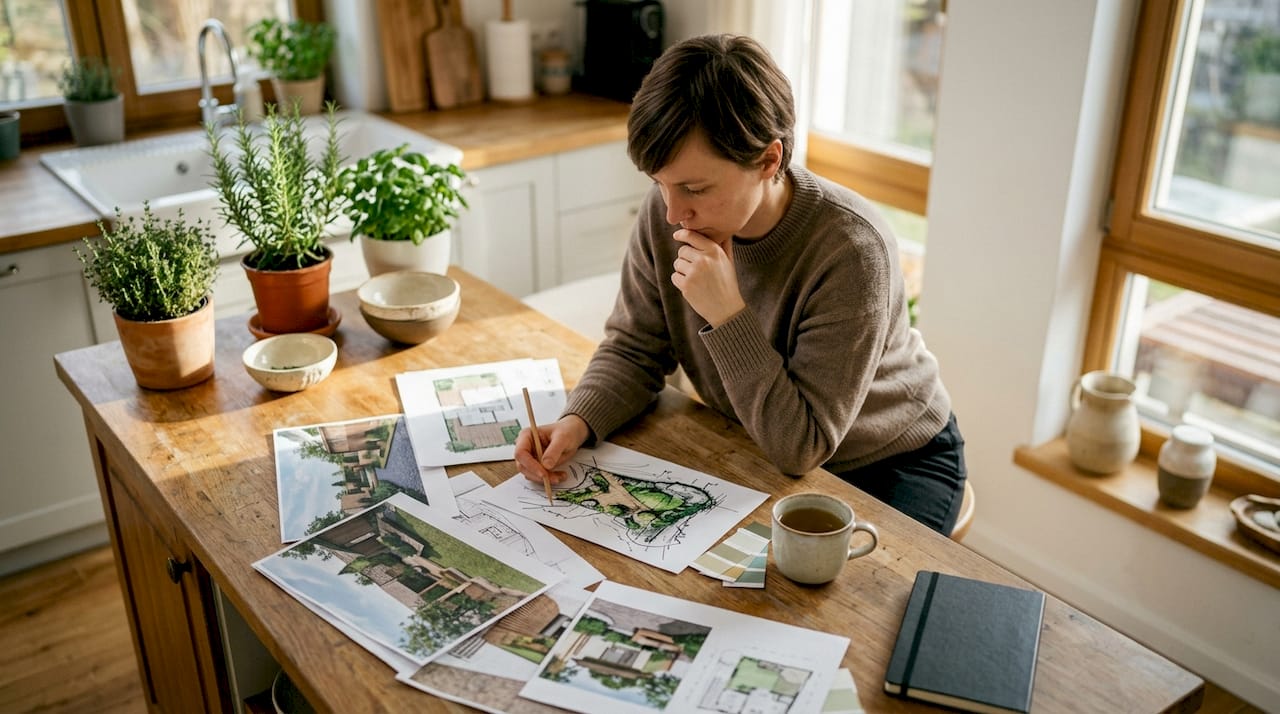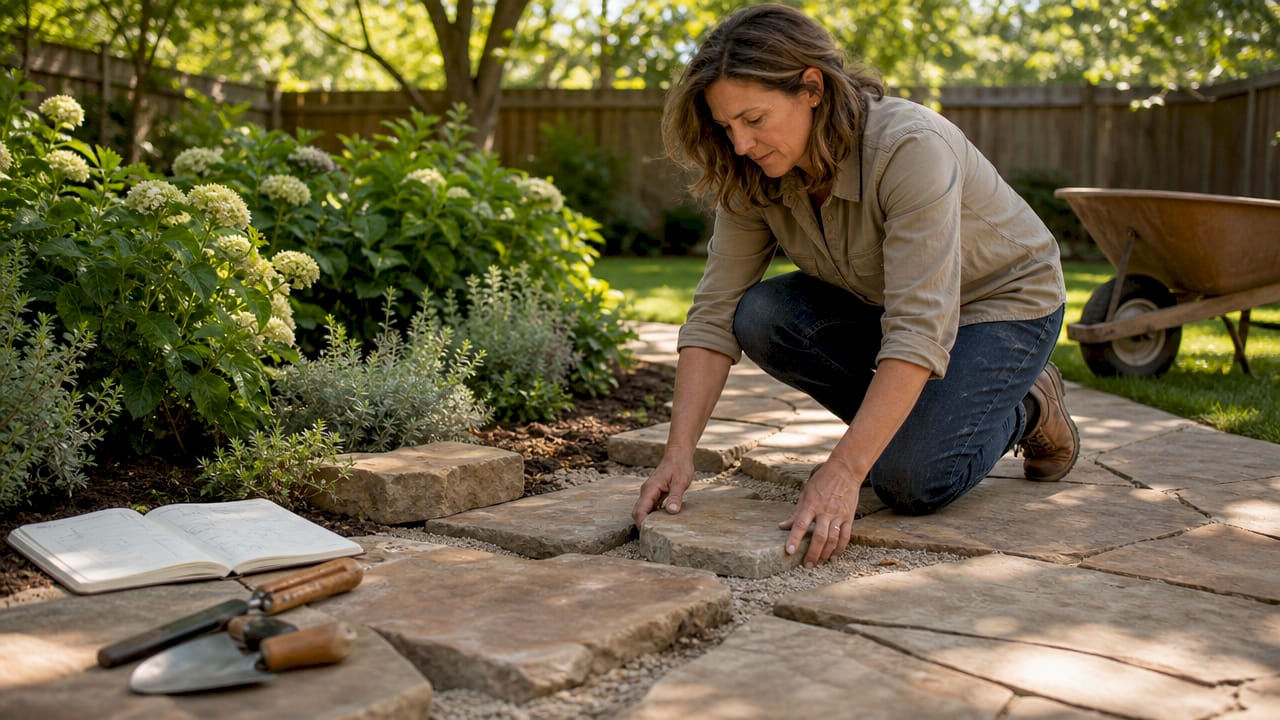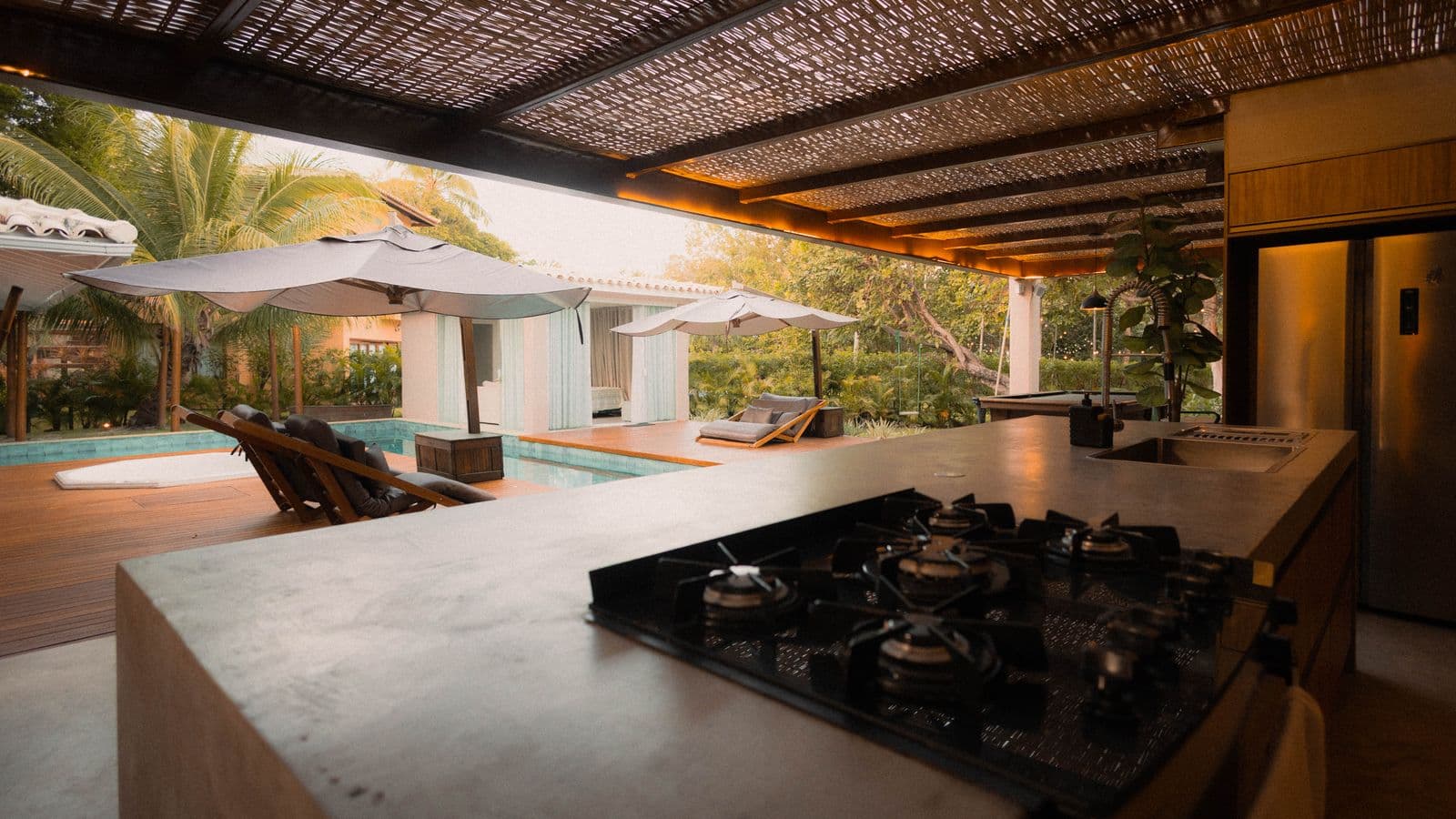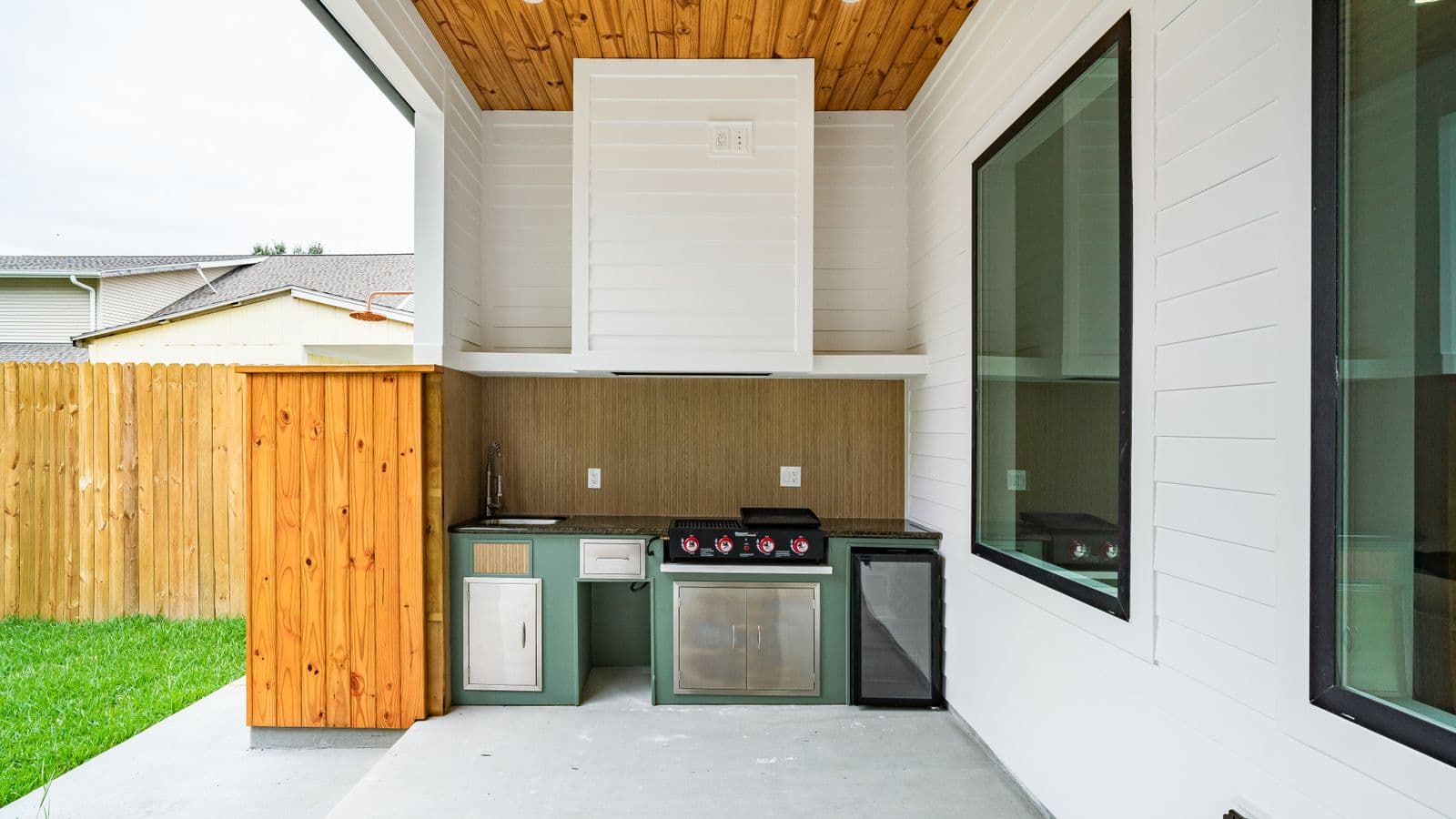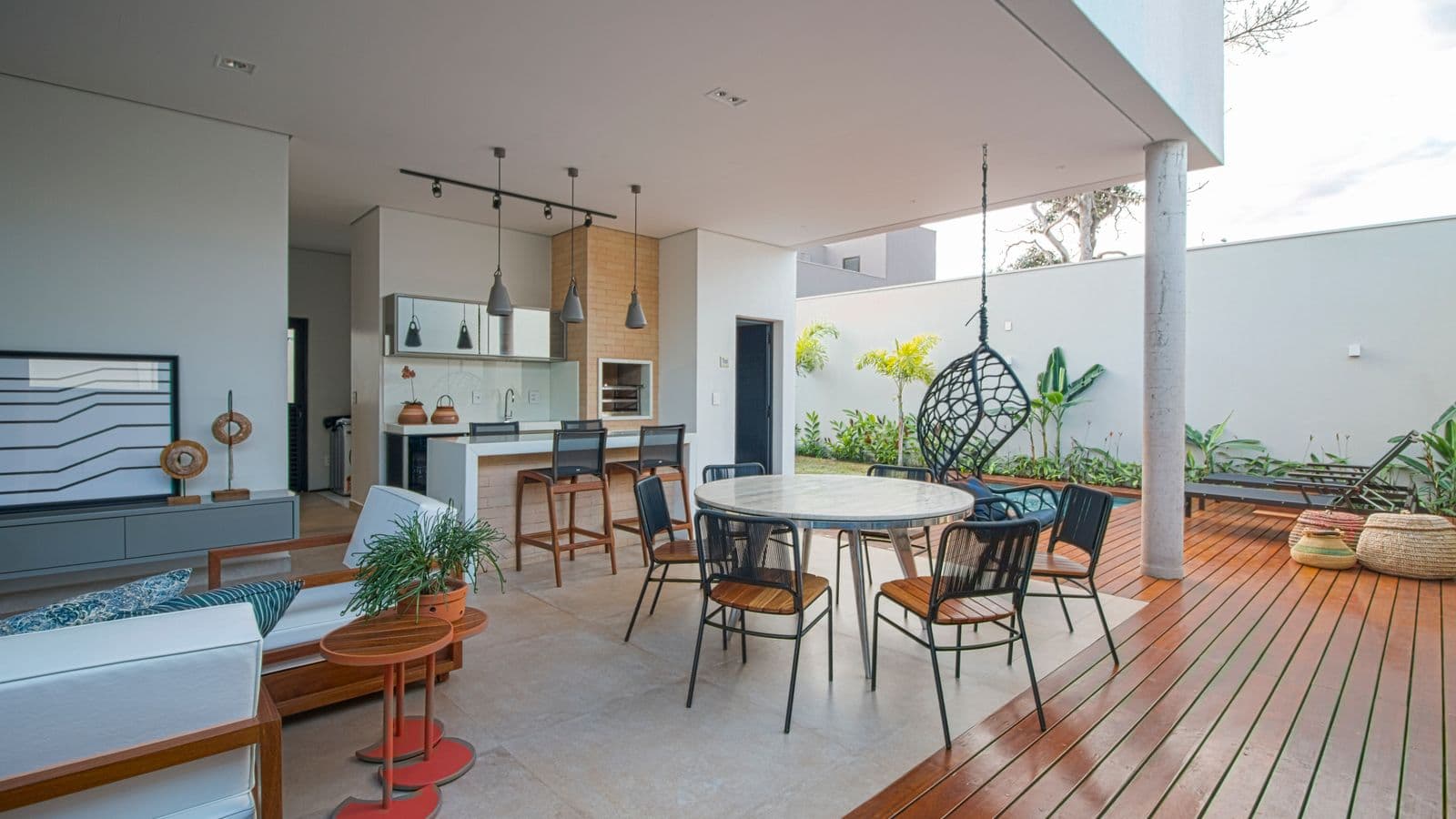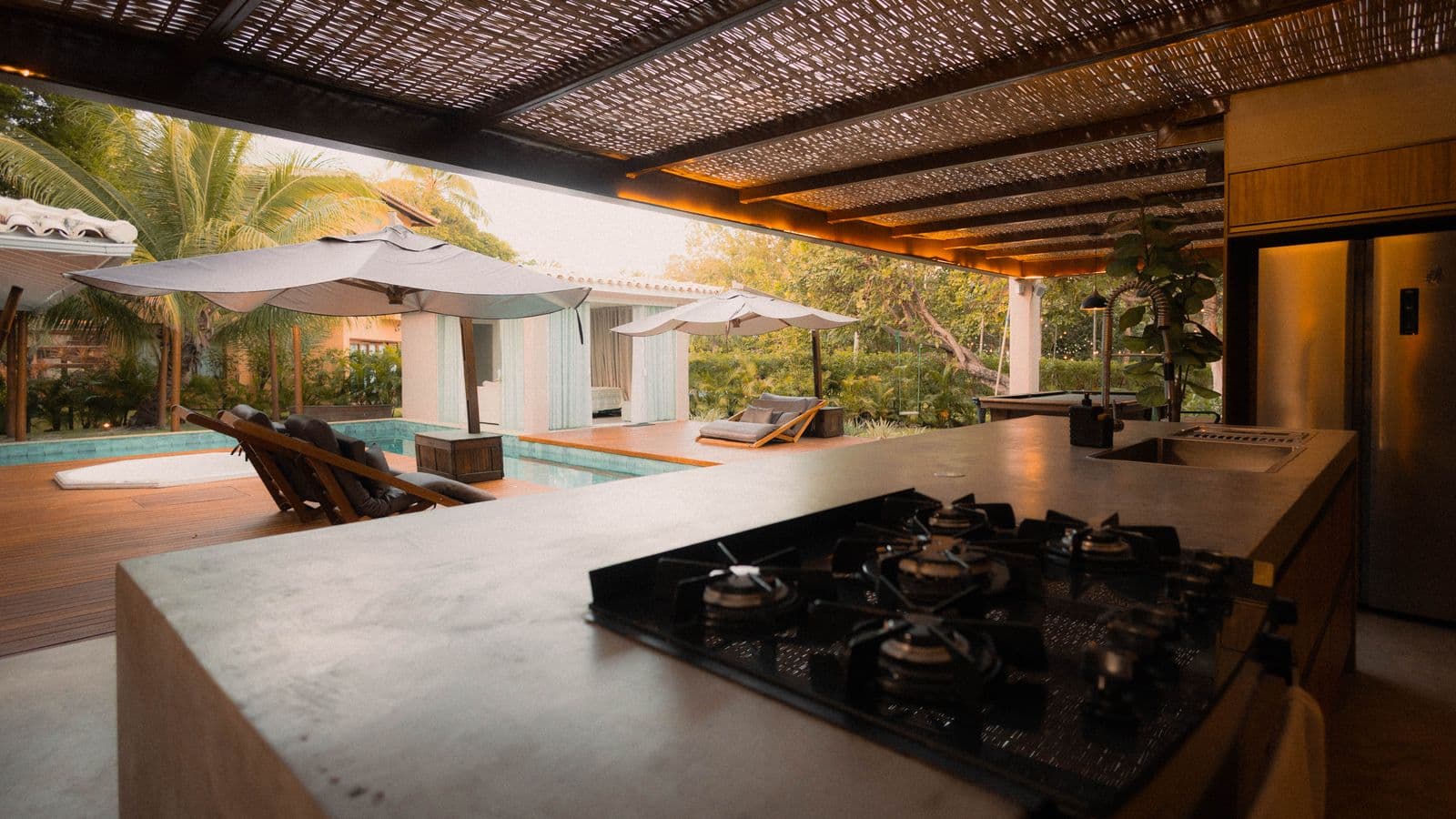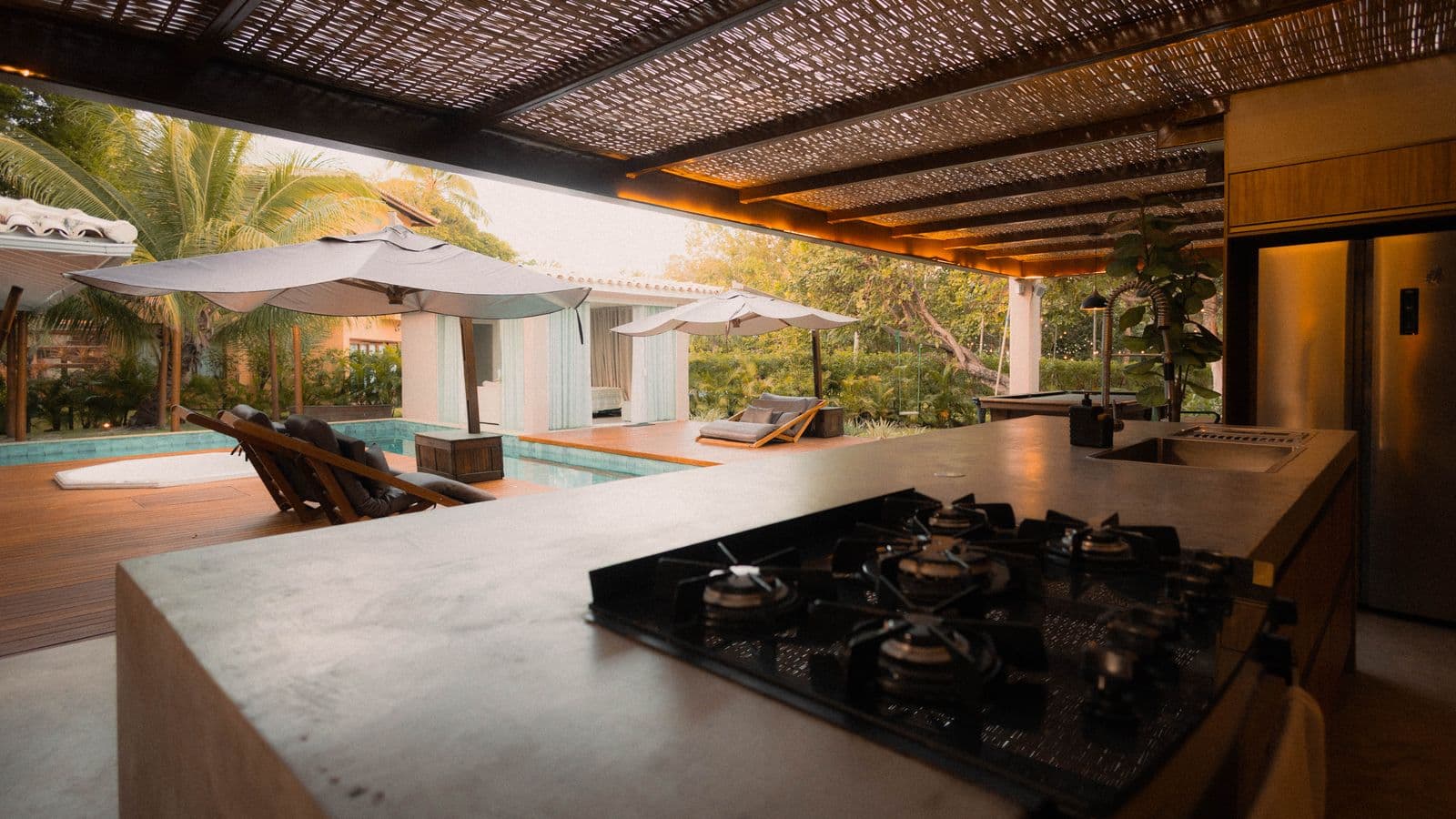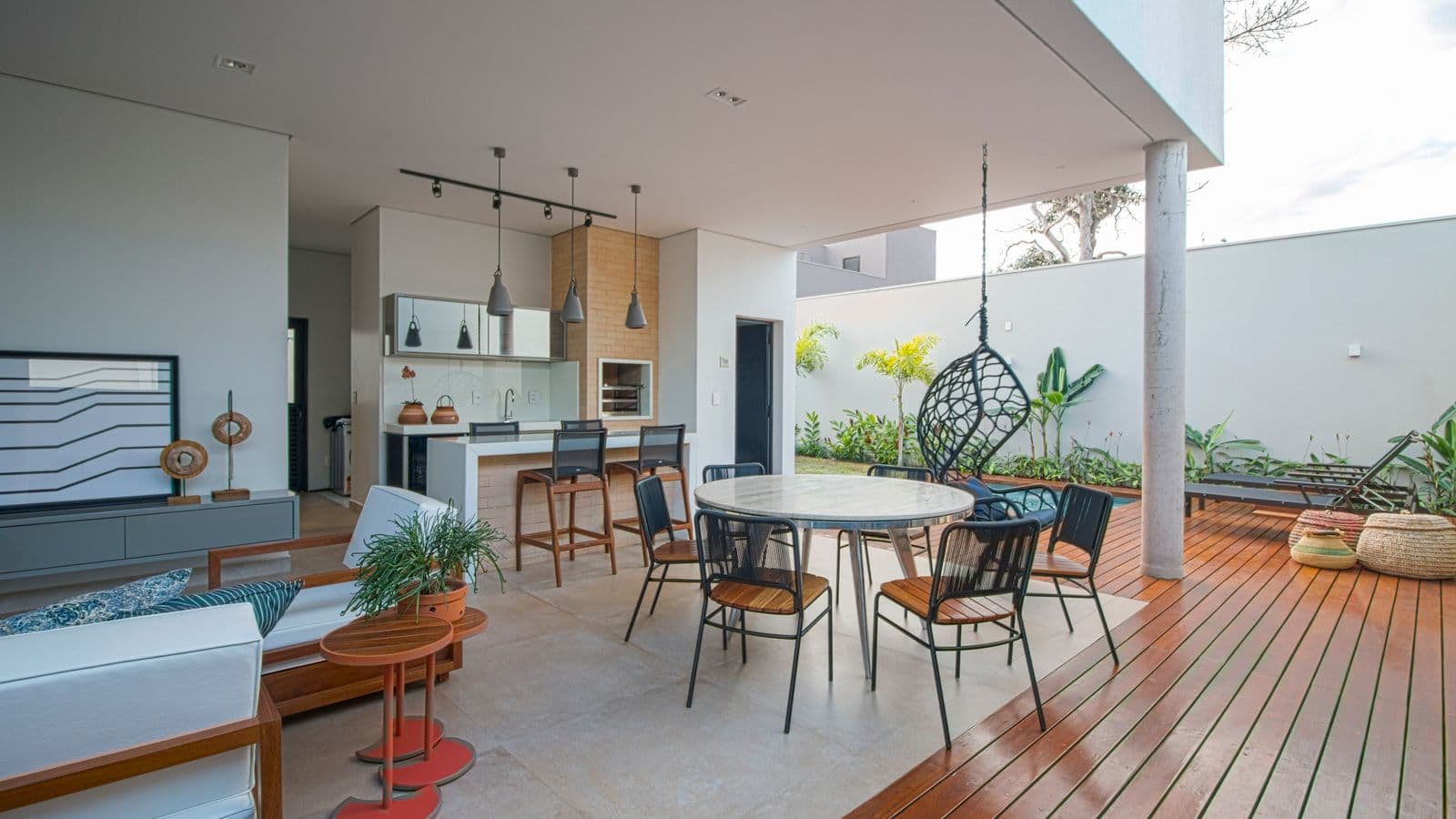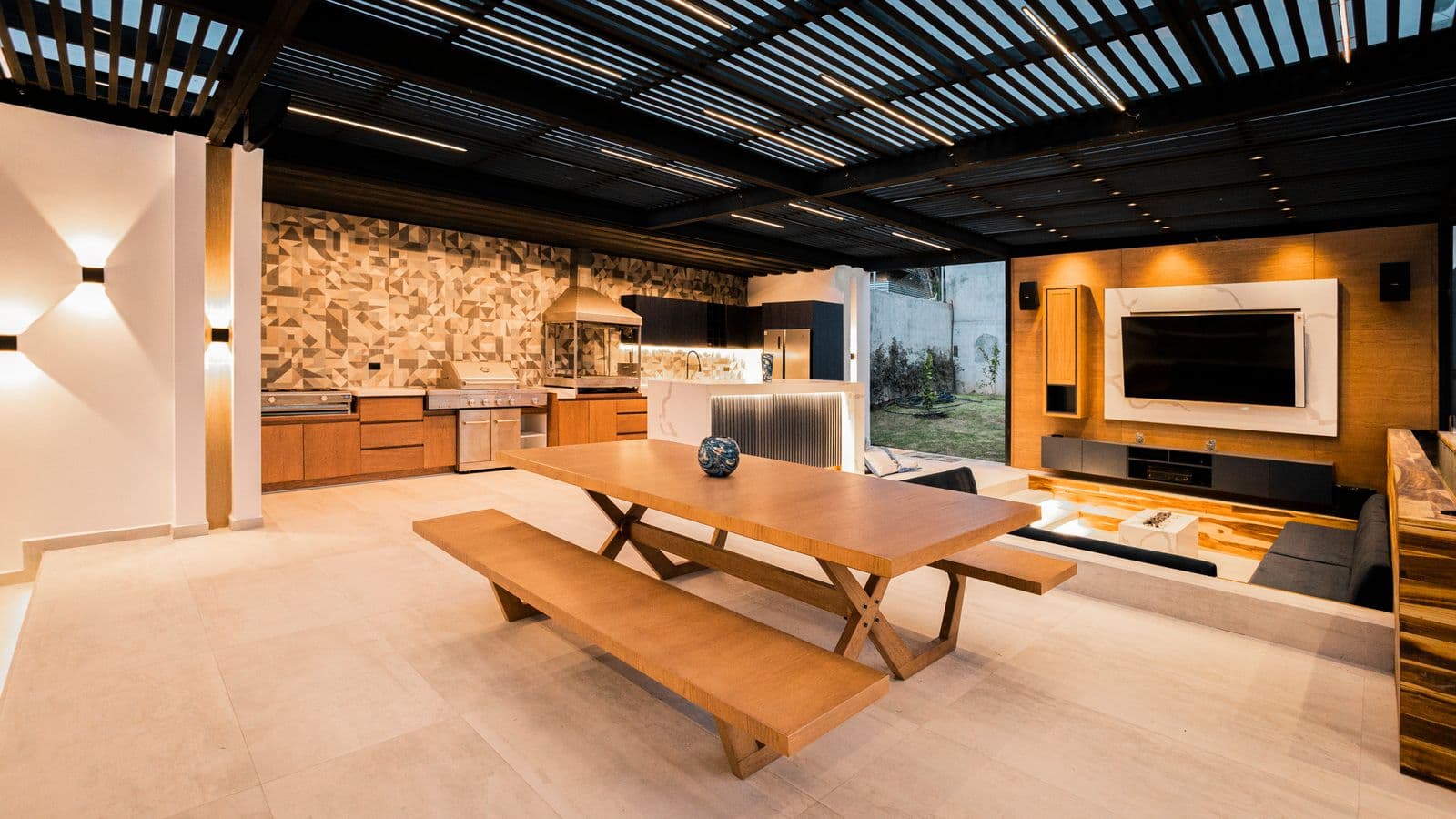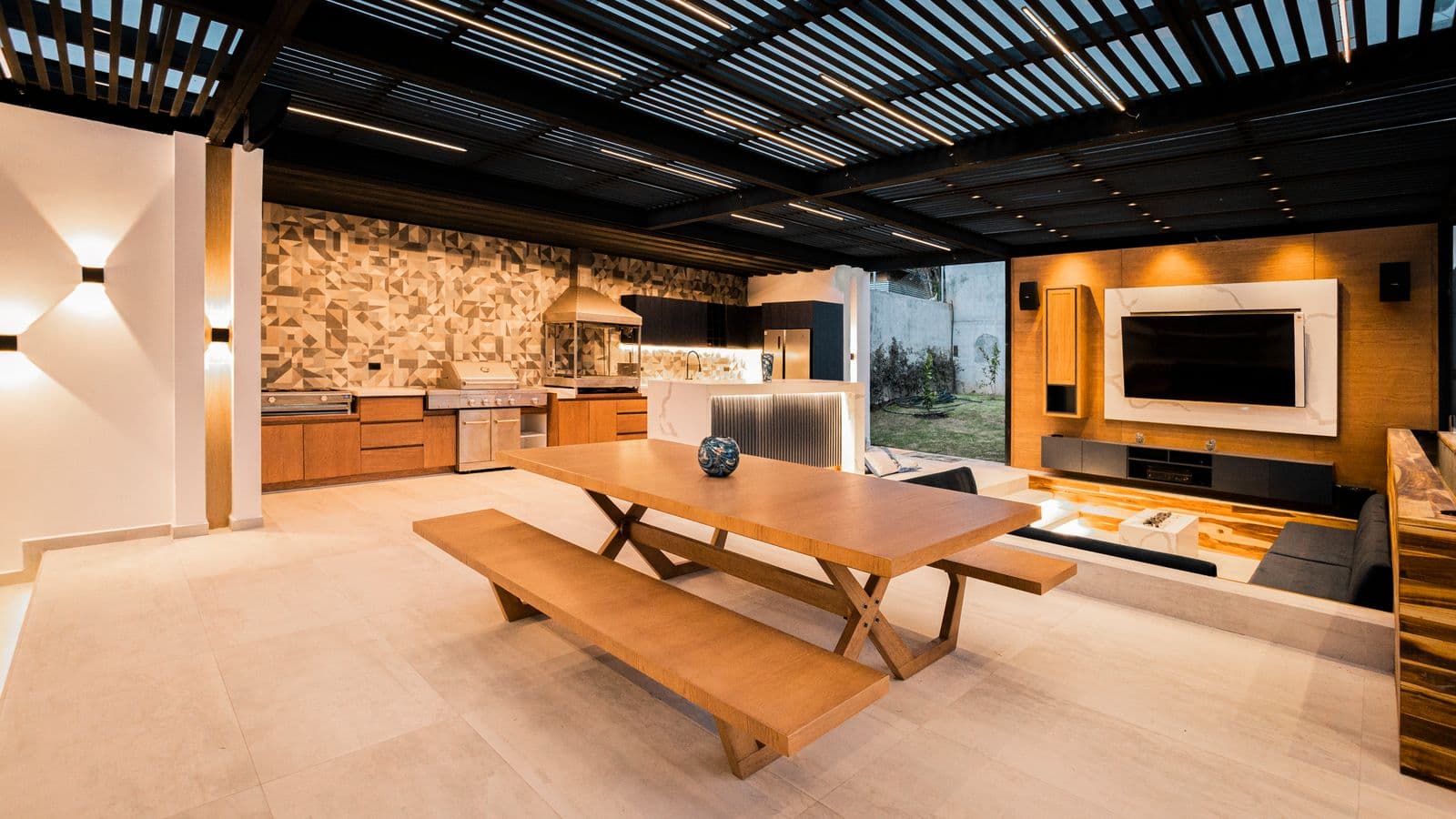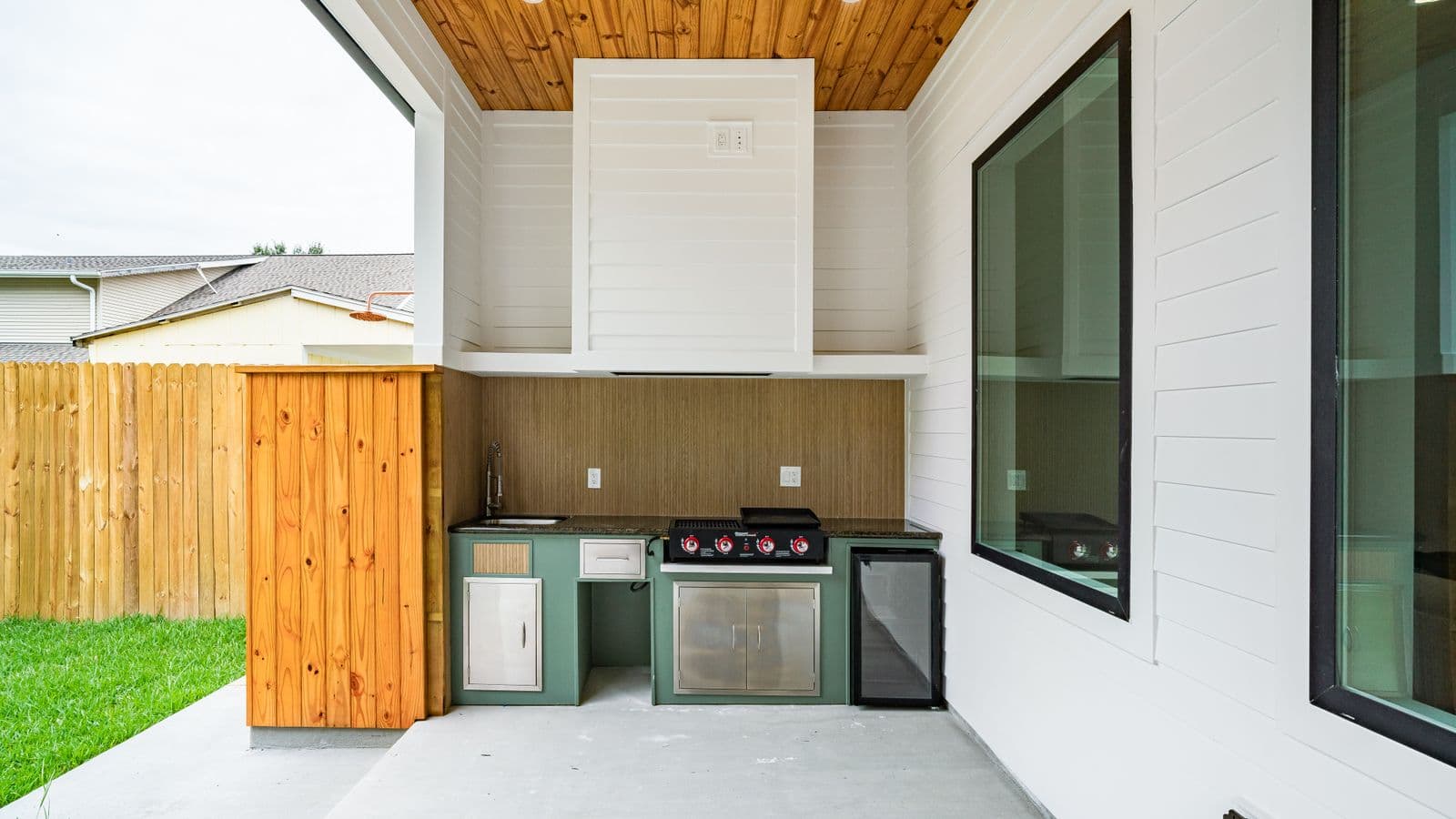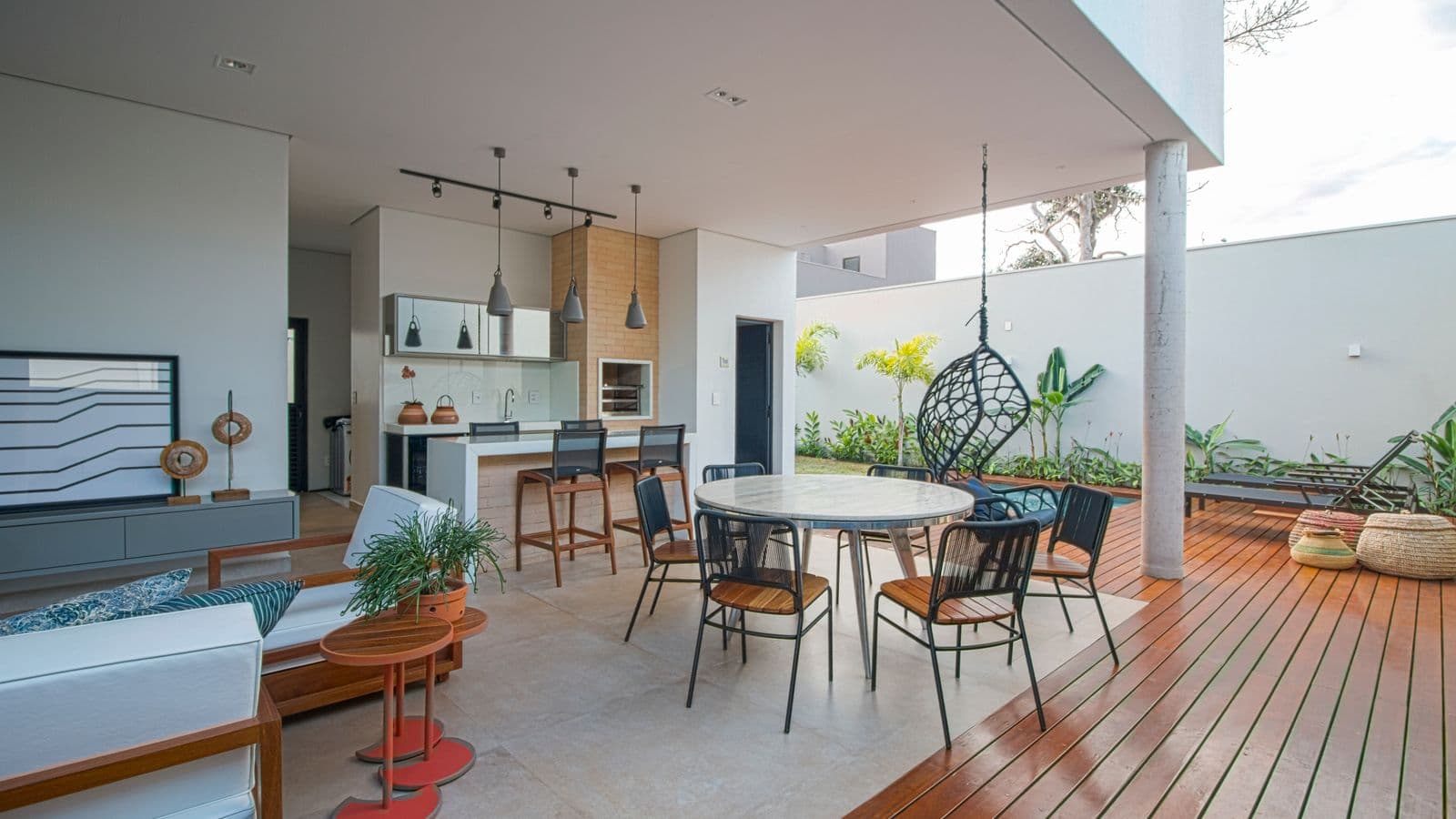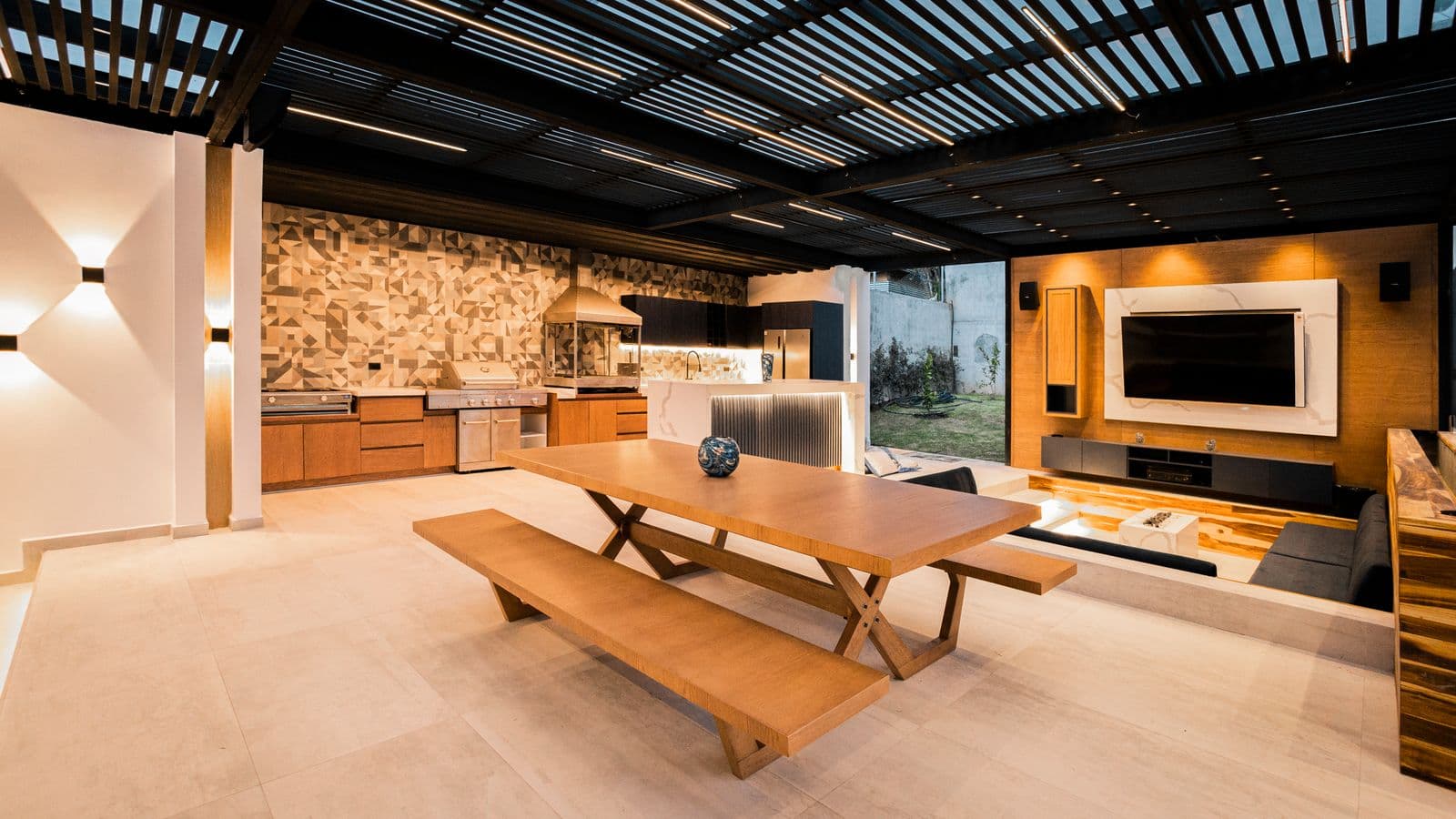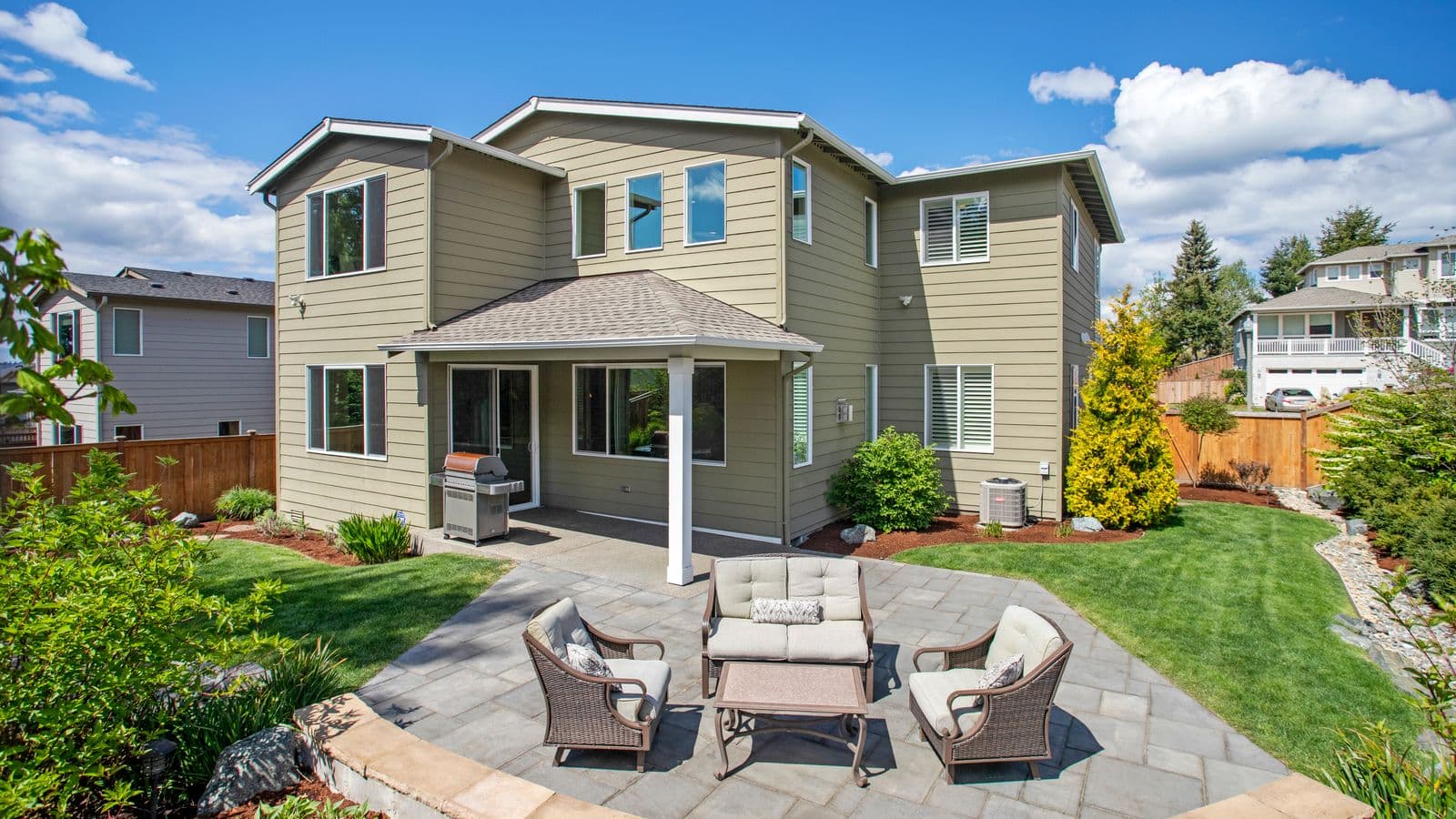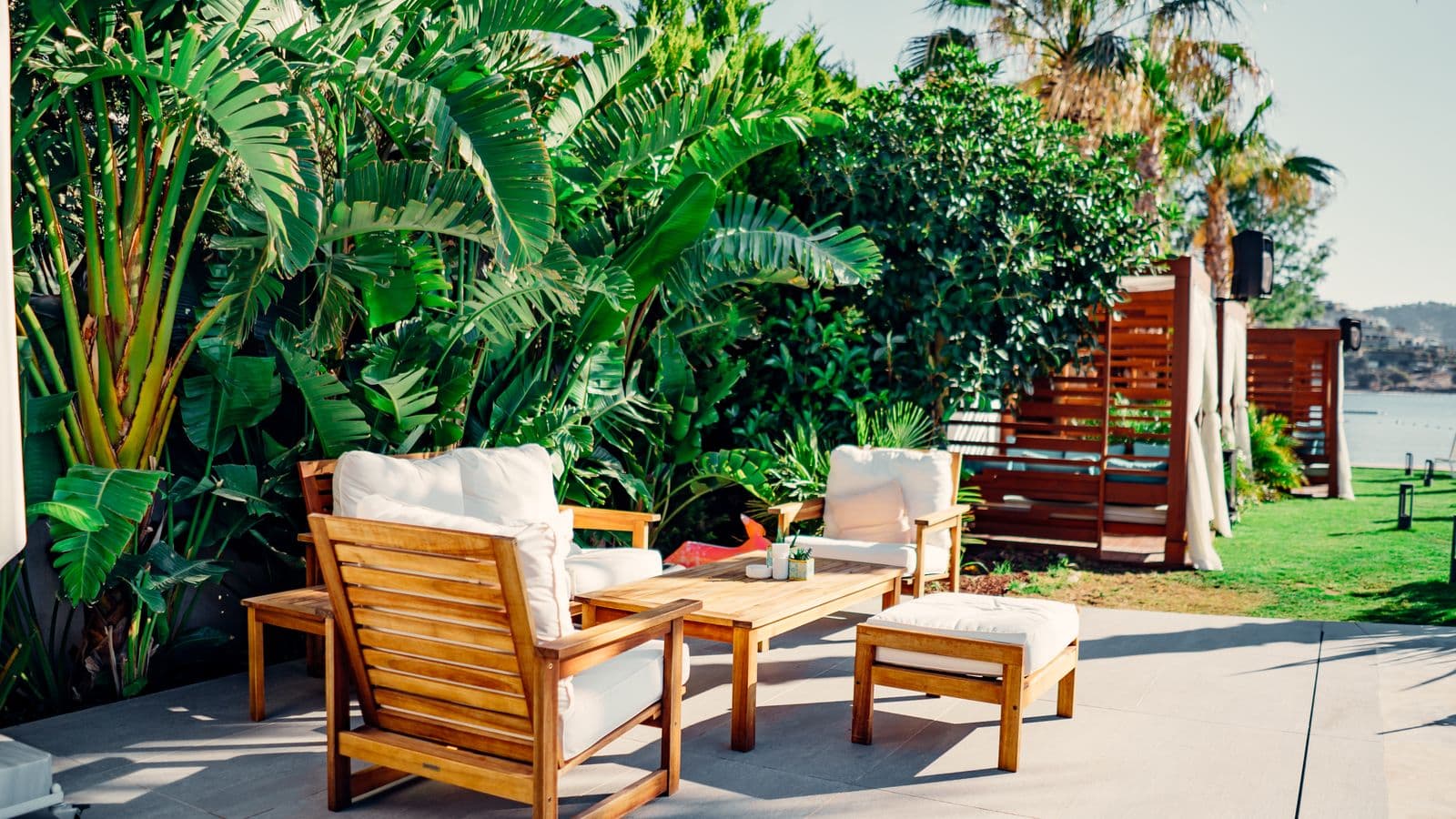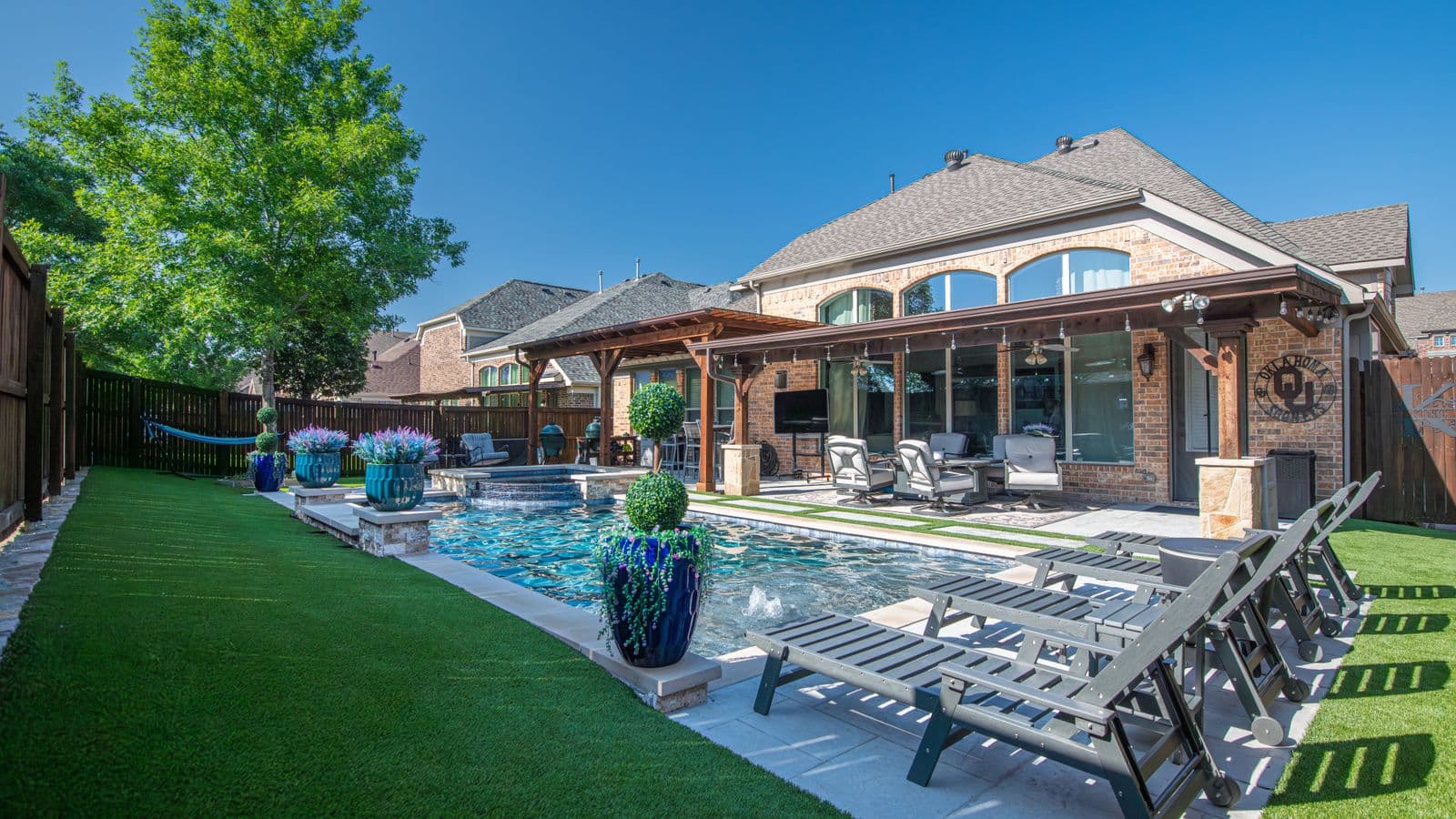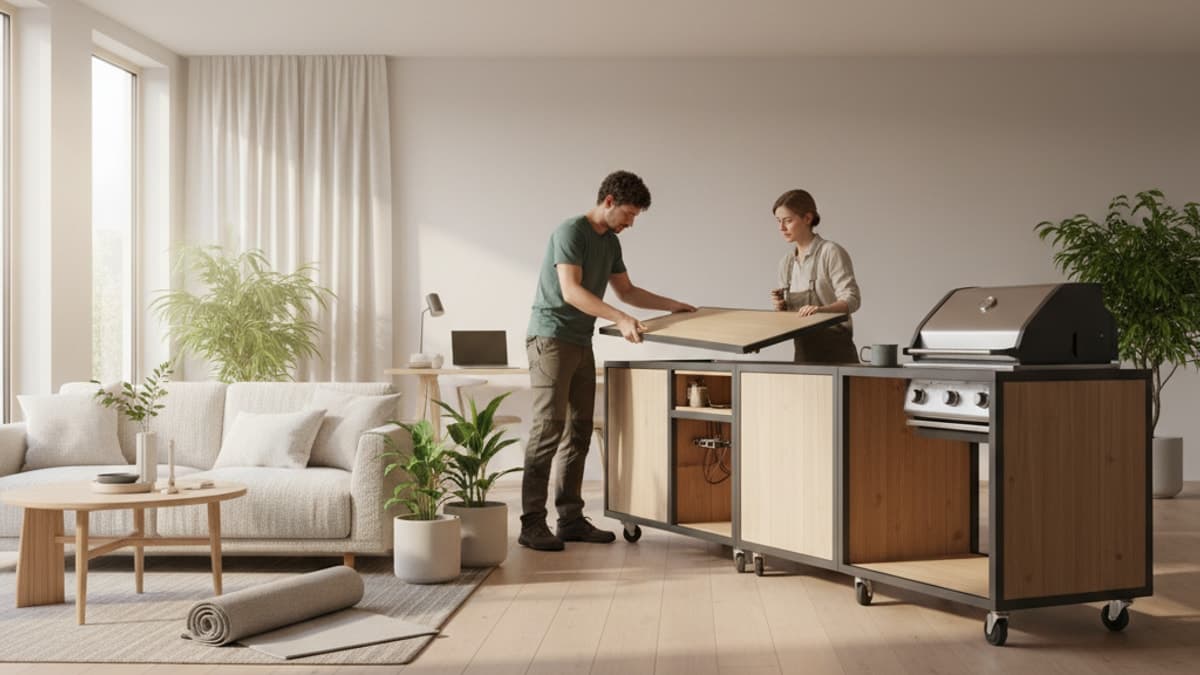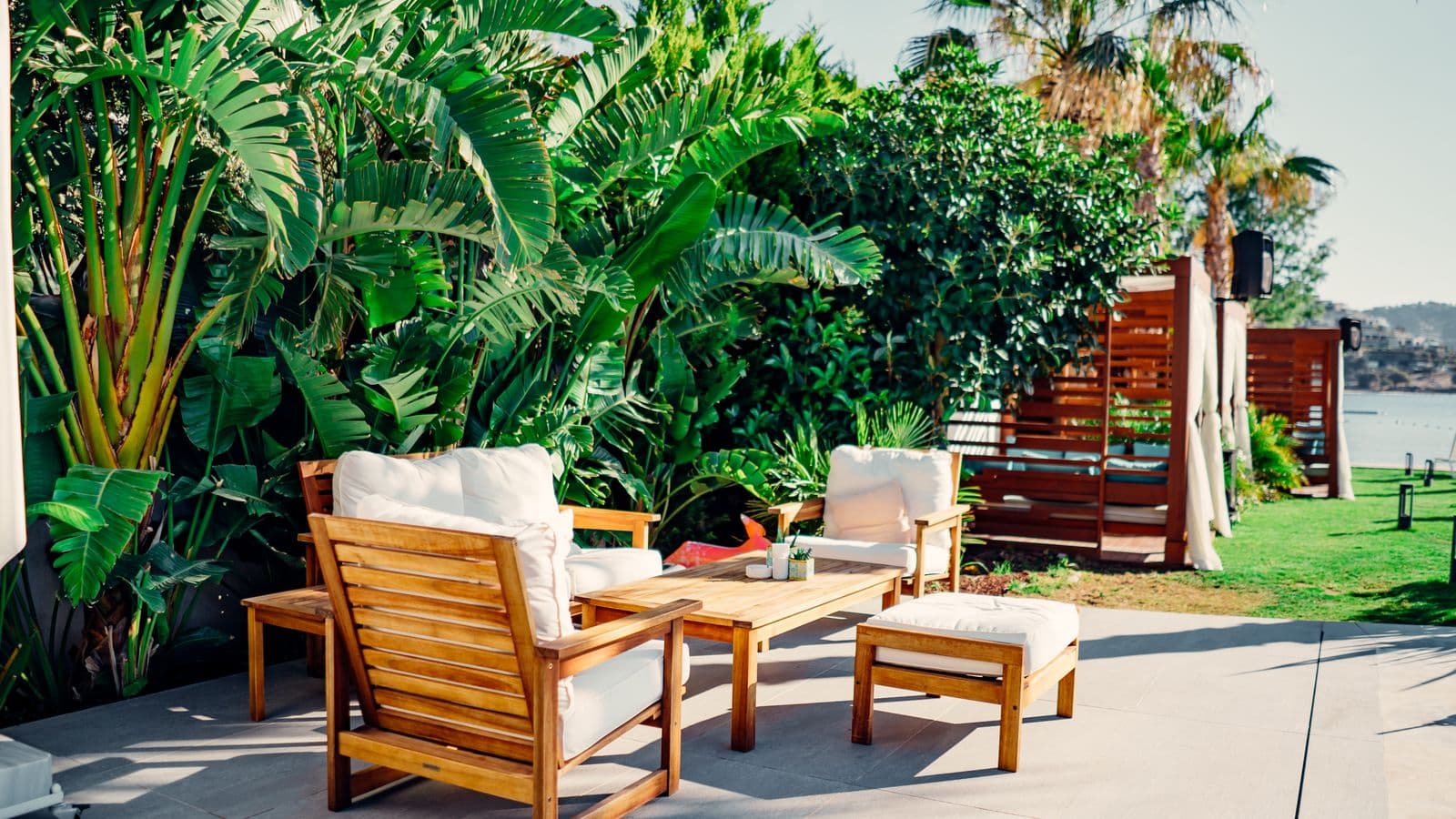
So, youāve got this beautiful paver patio, the centerpiece of your backyard. The weekend barbecues are good, but you're dreaming bigger. A full-blown outdoor kitchen with a built-in grill, a sink, maybe even a refrigerator. Then the big question hits you, and itās one our team at Modern Yardz hears constantly: can you build an outdoor kitchen on top of pavers?
Itās a fantastic question. On one hand, it seems so logical. The surface is already there, flat and ready to go. On the other, a nagging voice whispers about the sheer weight of it all. We're talking tons of concrete, stone, and steel. Let's be honest, that's a lot to ask of a floating system of interlocking stones. The short answer is yes, you absolutely can. Butāand this is a significant butāit has to be done correctly. The difference between a stunning, permanent outdoor kitchen and a catastrophic, sinking failure lies entirely in the preparation and engineering that happens before a single cabinet is placed.
The Real Question: Is Your Paver Patio Ready for the Weight?
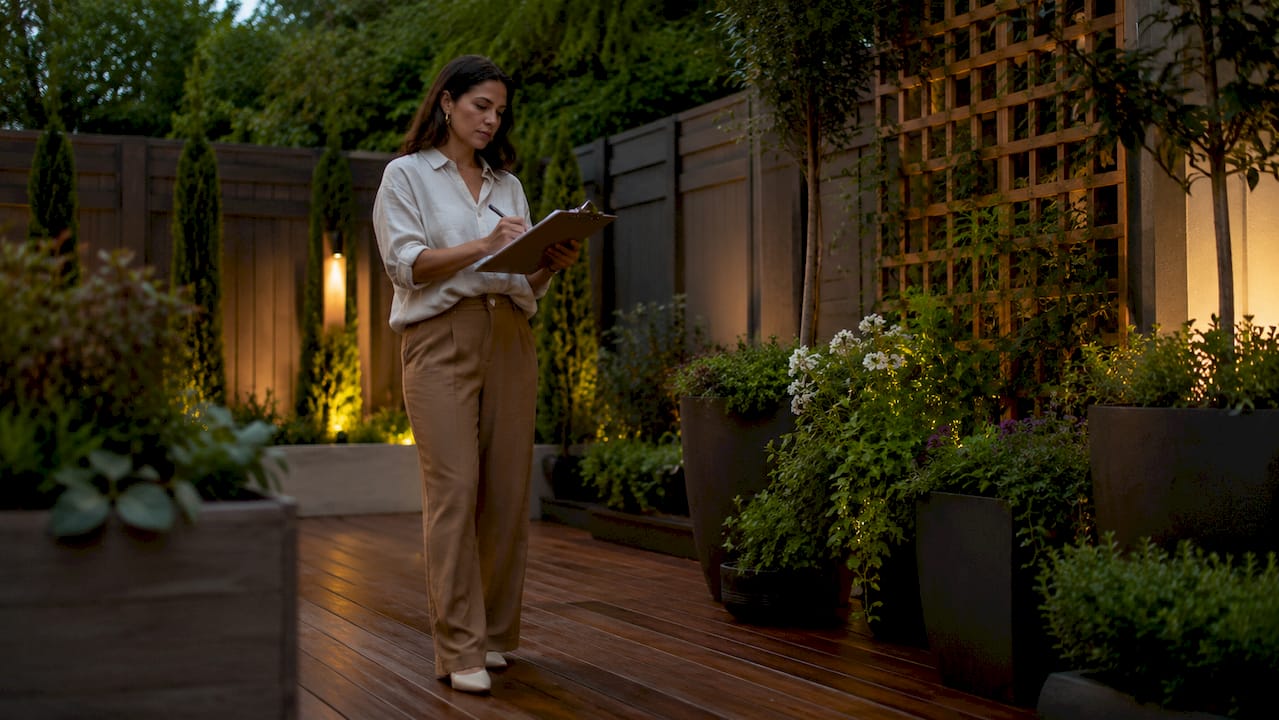
This is where the conversation truly begins. An existing paver patio designed for foot traffic and patio furniture is fundamentally different from a foundation engineered to support a permanent structure. The inquiry of can you build an outdoor kitchen on top of pavers is less about the pavers themselves and more about the invisible foundation beneath them.
Our experience shows that most standard paver patios are not, by default, ready to support the immense, concentrated load of an outdoor kitchen. Think about it. A simple kitchen island with granite countertops and a grill can easily weigh 2,000 to 4,000 pounds, or even more. That weight isn't spread out; it's concentrated along the footprint of the kitchen's walls. This is a formidable challenge for a standard paver installation. So when clients ask can you build an outdoor kitchen on top of pavers, we immediately pivot to assessing their existing foundation. It's a critical, non-negotiable first step.
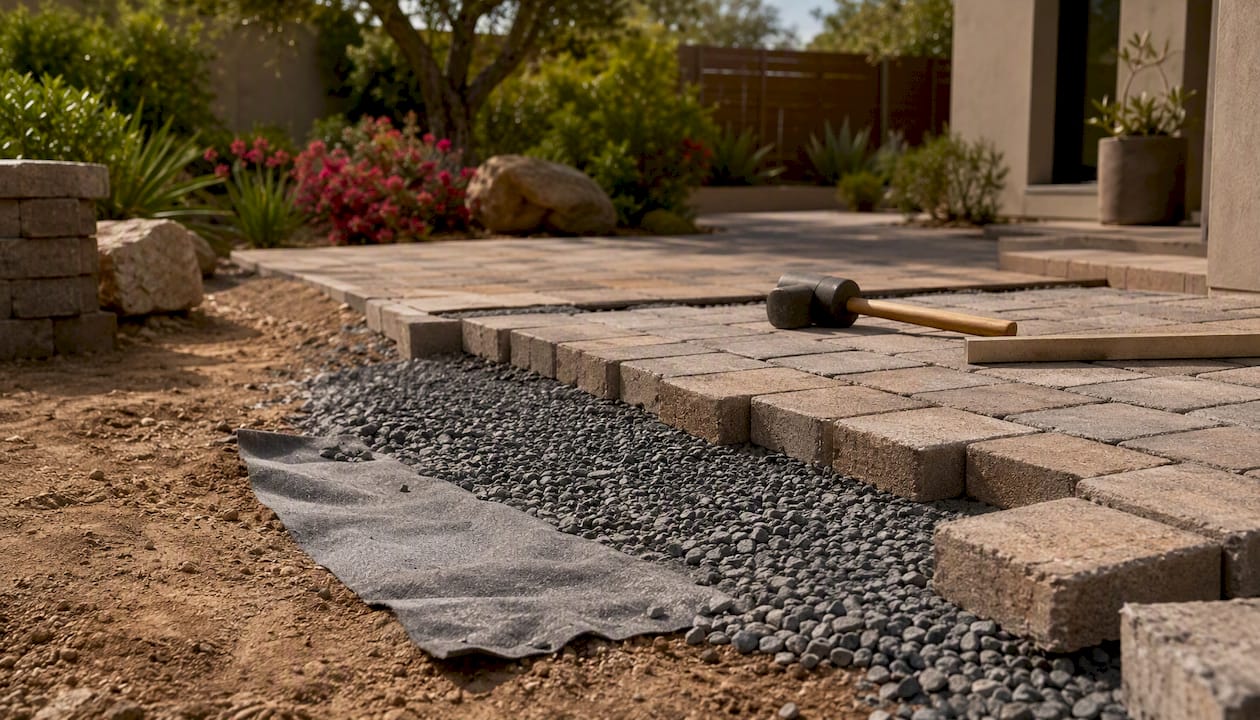
What are we looking for? It all comes down to the base. A properly prepared paver base for heavy loads needs:
- Significant Depth: For a simple walkway, 4-6 inches of compacted aggregate base might be fine. For a structure like an outdoor kitchen, we're looking at a minimum of 8-12 inches, sometimes more, depending on your soil type. The soil itself must be properly compacted before any aggregate is even laid.
- Impeccable Compaction: The gravel base must be laid in lifts (layers) of 2-3 inches, with each lift being meticulously compacted with a heavy-duty plate compactor. Weāve seen many projects fail because the base was filled all at once and compacted only at the top. This creates a soft, spongy core that will inevitably settle. Itās a subtle detail that makes all the difference.
- The Right Materials: Using the correct type of aggregate (like crushed stone) is crucial for its ability to lock together and create a stable, unmoving mass.
Without this robust base, the answer to "can you build an outdoor kitchen on top of pavers?" quickly becomes a resounding "no." The weight will cause the pavers to sink, shift, and separate, leading to cracked countertops, broken utility lines, and a structure that is unsafe and unusable.
Paver Choice and Thickness: The Next Layer of Complexity
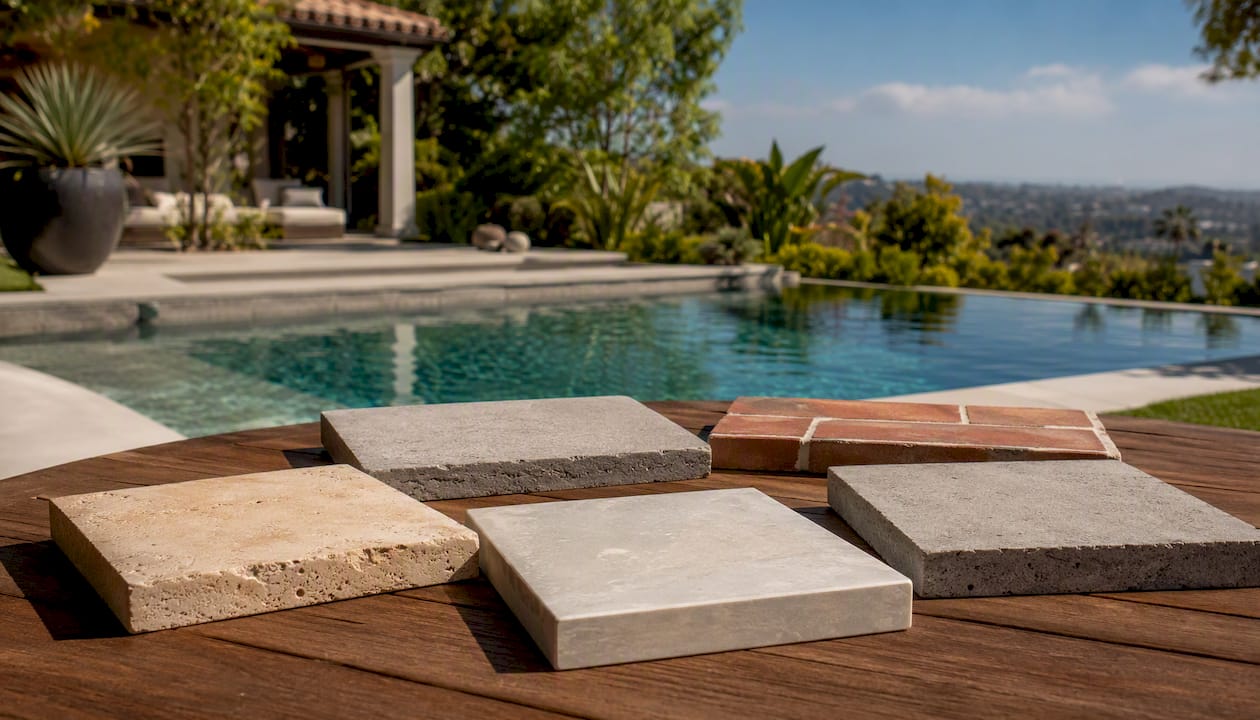
Letās assume the base is perfect. Now we look at the pavers themselves. The type and thickness of your pavers play a huge role in determining whether you can build an outdoor kitchen on top of pavers successfully. Standard pavers intended for patios are typically 60mm (about 2 3/8 inches) thick. For supporting the load of an outdoor kitchen, especially if it's constructed from heavy masonry blocks, we strongly recommend using thicker, more robust pavers, often in the 80mm (3 1/8 inches) range.
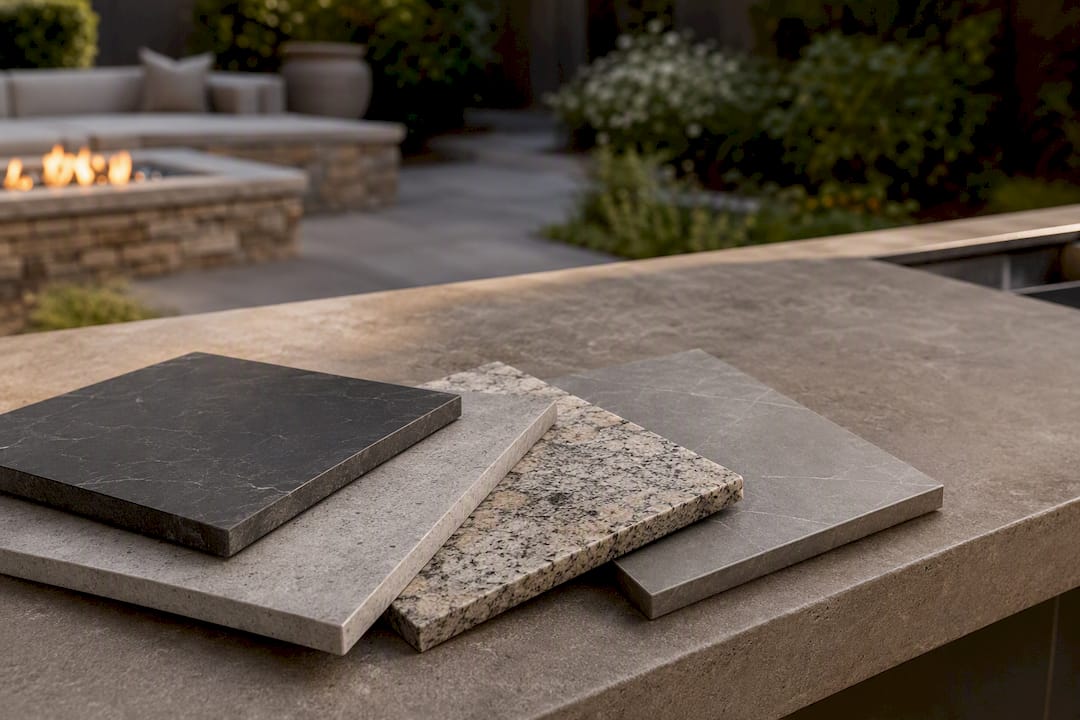
Why does this matter so much? The thickness provides greater structural integrity and load distribution. A thicker paver is simply less likely to crack under the immense point loads from the kitchen walls. Itās a simple concept, but one that is often overlooked in the pursuit of aesthetics or budget savings. We've found that high-density concrete pavers are an excellent choice. Porcelain pavers are also becoming a popular, durable option, but it's essential to verify their load-bearing specifications. The discussion around if you can you build an outdoor kitchen on top of pavers must include a serious evaluation of the paver material itself.


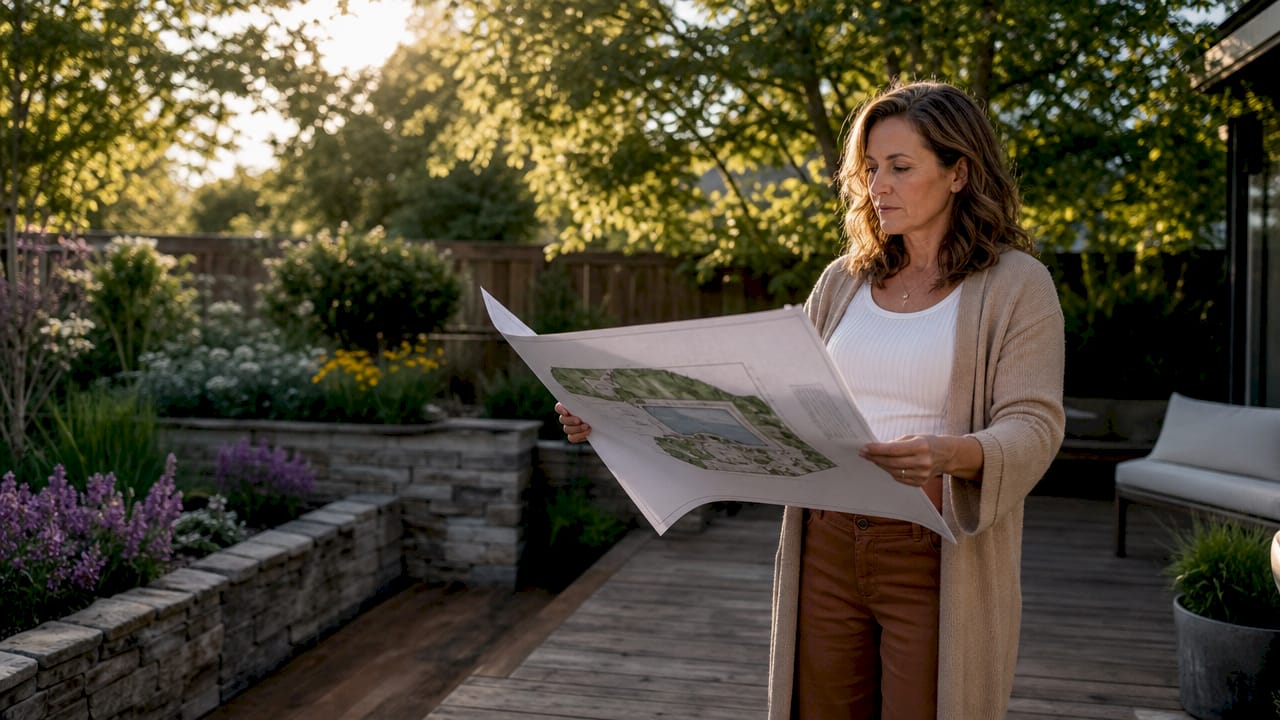
This is where professional guidance is invaluable. Our team can assess your existing pavers or recommend the right product from our Pavers SAN Diego options that are specifically rated for the kind of formidable loads an outdoor kitchen presents.
It's a decision that impacts the longevity of your entire investment. Seriously.
The Concrete Footing: The Professional's Secret Weapon
Okay, hereās the approach our team at Modern Yardz prefers. Itās the method that provides the best of both worlds: the beauty and flexibility of a paver patio combined with the unflinching stability of a concrete foundation.
Instead of building the kitchen directly on top of the finished paver surface, we build the foundation for the kitchen first. Hereās how it works:
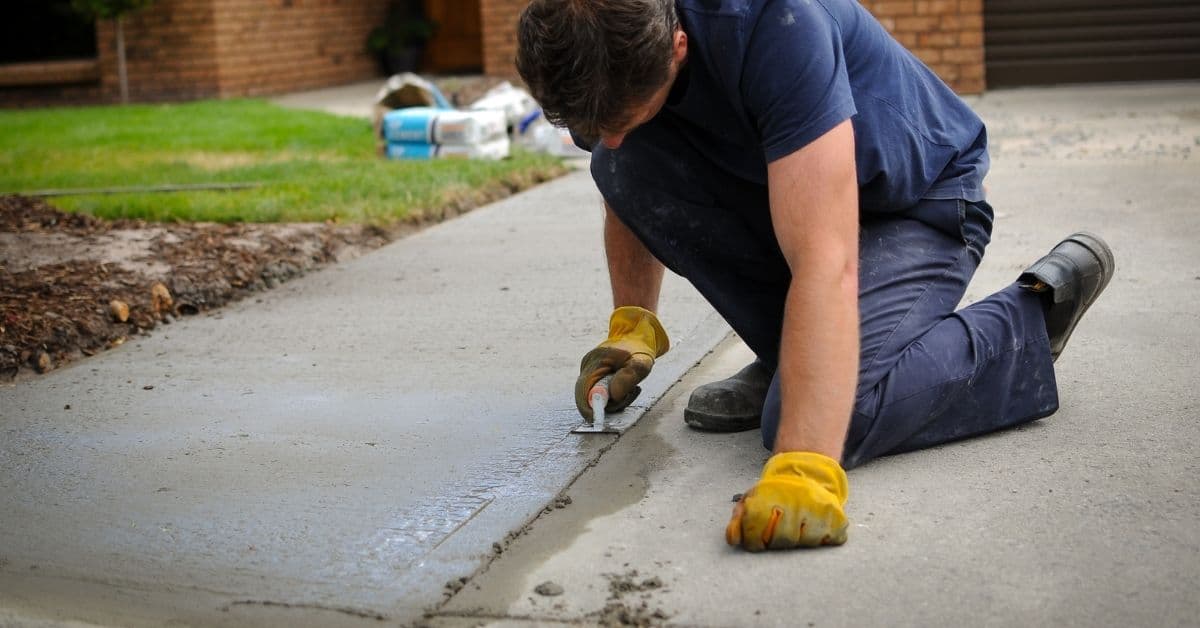
- Excavation and Footing: We mark out the exact footprint of your future outdoor kitchen. Then, we cut and remove the pavers in that specific area. We dig down and pour a reinforced concrete footing or a full concrete slab precisely where the kitchen's structural walls will sit.
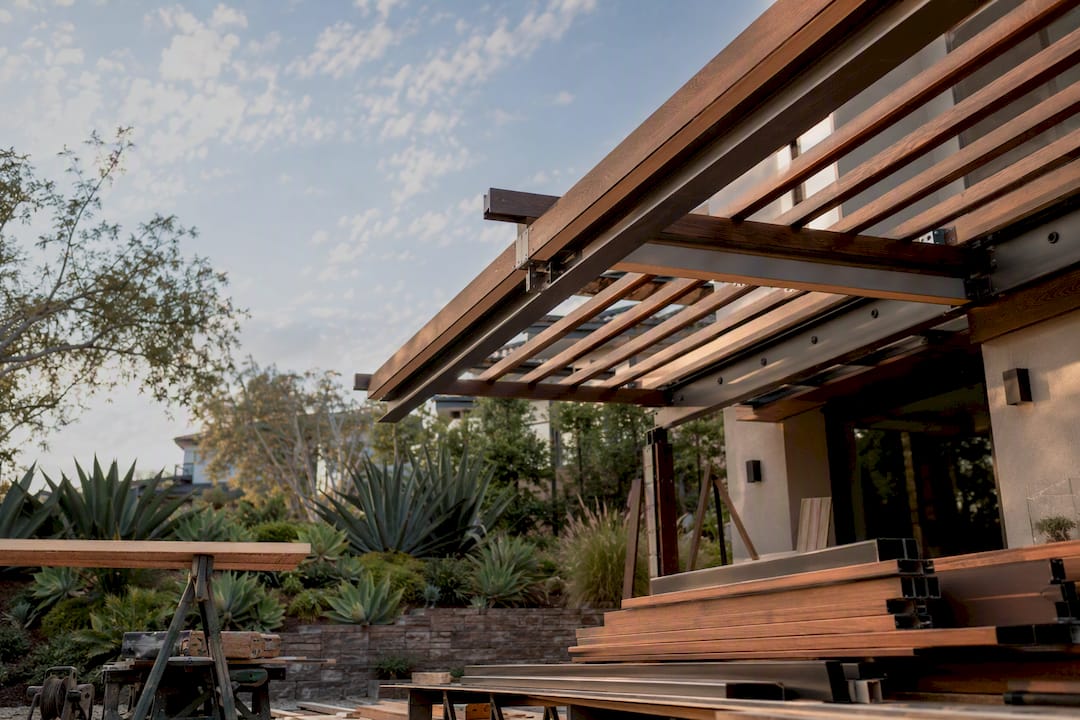
- Building the Structure: The kitchen's block walls or steel frame is built directly on this new, solid concrete foundation. This ensures the entire weight of the structure is transferred deep into the compacted base, completely bypassing the pavers.
- Reinstalling Pavers: Once the kitchen structure is built, we carefully cut and lay the pavers back in, fitting them perfectly around the base of the kitchen island. This creates a seamless, integrated look where the kitchen appears to be sitting on the pavers, but its structural load is actually supported by the hidden concrete footing.
This method is, without question, the most reliable way to ensure a permanent and stable installation. It completely removes the risk of sinking and shifting. So when you ask, "can you build an outdoor kitchen on top of pavers using this method?" the answer is an unequivocal yes. Itās the gold standard for a reason. This approach ensures your investment in one of our custom Outdoor Kitchens SAN Diego is protected for decades to come.
Pavers vs. Poured Concrete: A Quick Comparison
Deciding on the right foundation is a pivotal moment in any landscape design project. It's a choice between aesthetics, cost, and long-term performance. The debate over whether you can you build an outdoor kitchen on top of pavers often leads to this comparison.
| Feature |
Paver Foundation (with Reinforcement) |
Poured Concrete Slab |
| Aesthetics |
Superior. Offers a seamless, continuous look across the entire patio. Huge variety of colors and styles. |
Utilitarian. Can look plain unless stamped or stained, which adds cost. Can create a visual break. |
| Durability |
Excellent when done correctly. Individual pavers can be replaced if stained or damaged. |
Extremely high. Monolithic slab offers incredible strength and rigidity. Cracks can occur and are harder to repair. |
| Flexibility & Repairs |
High. Easy to access underground utilities by removing and replacing pavers. |
Low. Accessing utilities requires saw-cutting and patching the concrete, which is costly and leaves visible scars. |
| Cost |
Generally higher due to the detailed labor involved in base prep and paver laying/cutting. |
Can be lower upfront, but becomes more expensive if decorative finishes are added. |
| DIY Friendliness |
Low. The required base preparation and engineering for a heavy structure are best left to professionals. |
Low. Pouring and finishing a large slab is a demanding job that requires significant expertise. |
Ultimately, the choice between our Pavers SAN Diego and Concrete SAN Diego services for your kitchen's foundation depends on your project's specific needs, budget, and aesthetic goals.
Don't Forget the Utilities!
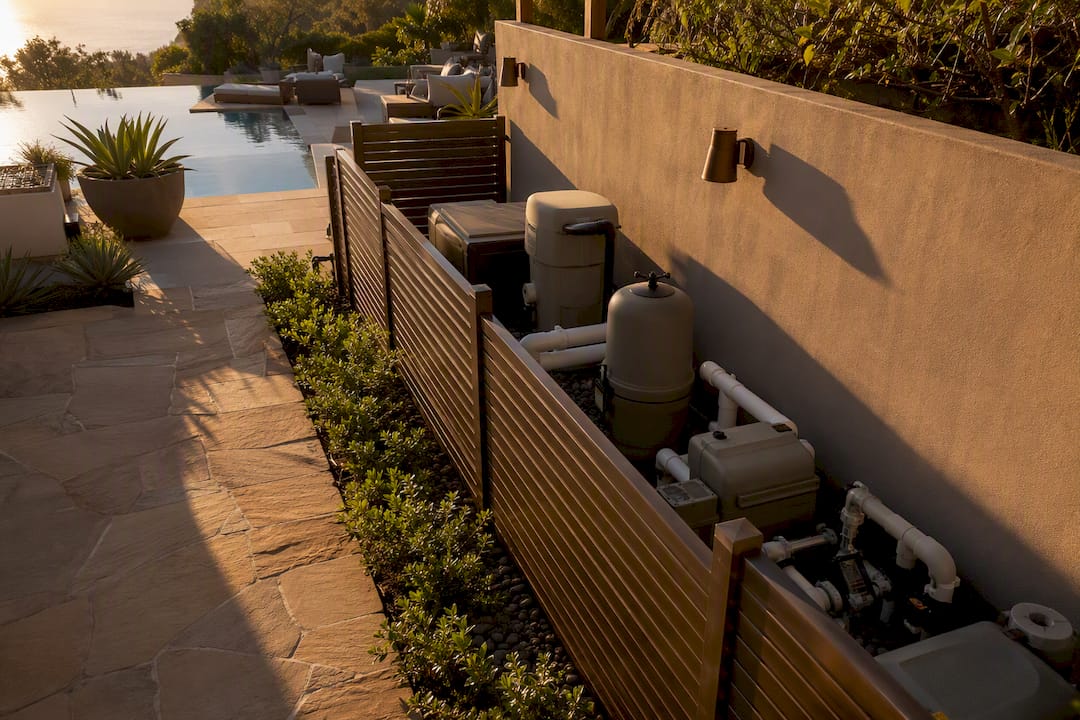
This is a huge one. We can't stress this enough. An outdoor kitchen isn't just a set of cabinets; itās a functional space with complex needs. You'll likely need gas lines for the grill, water supply and drainage for a sink, and electrical wiring for refrigerators, outlets, and lighting. The question of can you build an outdoor kitchen on top of pavers is deeply connected to utility planning.
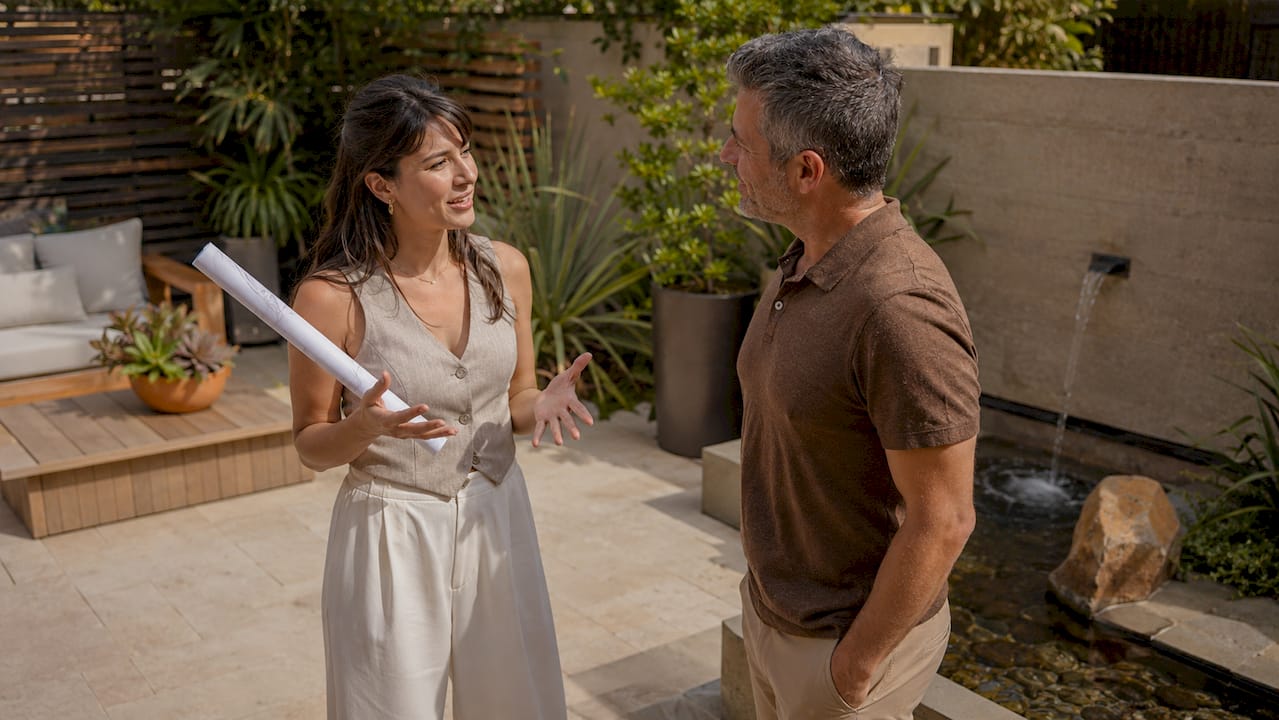
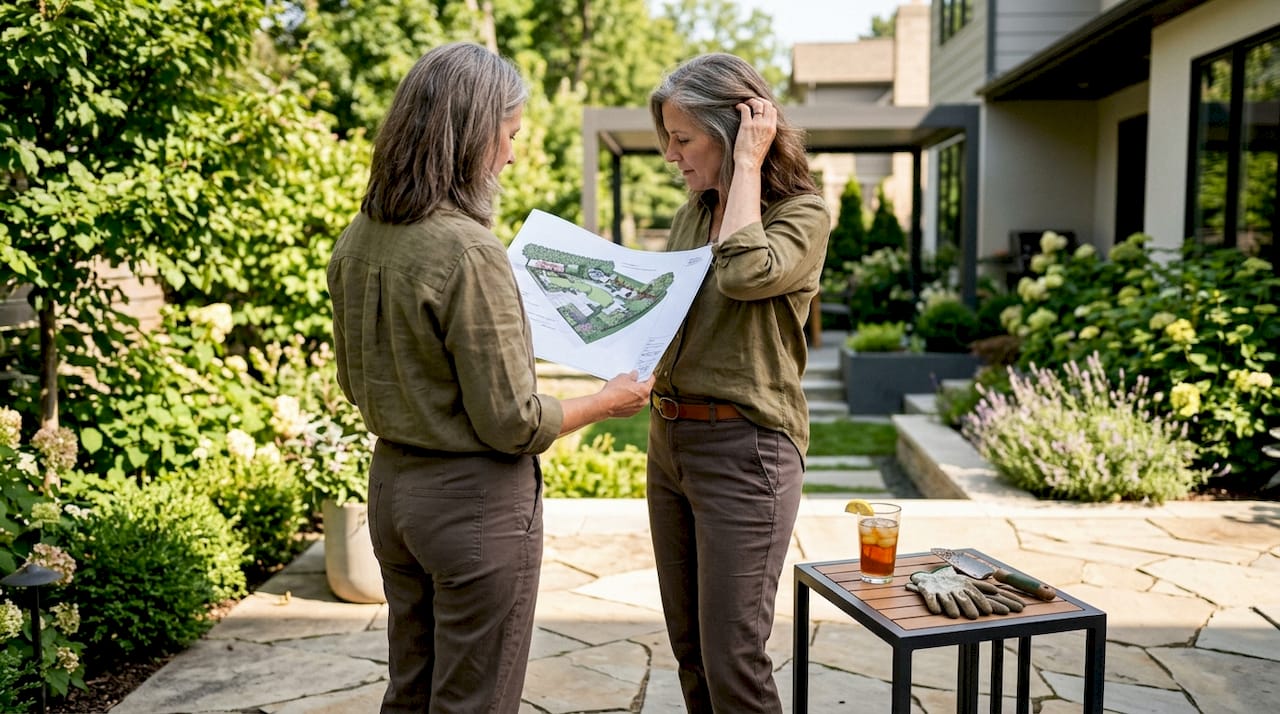
All of this infrastructure must be run underground before the paver base is even started. Trying to add these lines after the fact is a nightmare. It means tearing up your beautiful new patio to dig trenches. This is why a comprehensive plan from the very beginning is not just a good ideaāit's essential. This is a core part of our Landscape Design SAN Diego process.
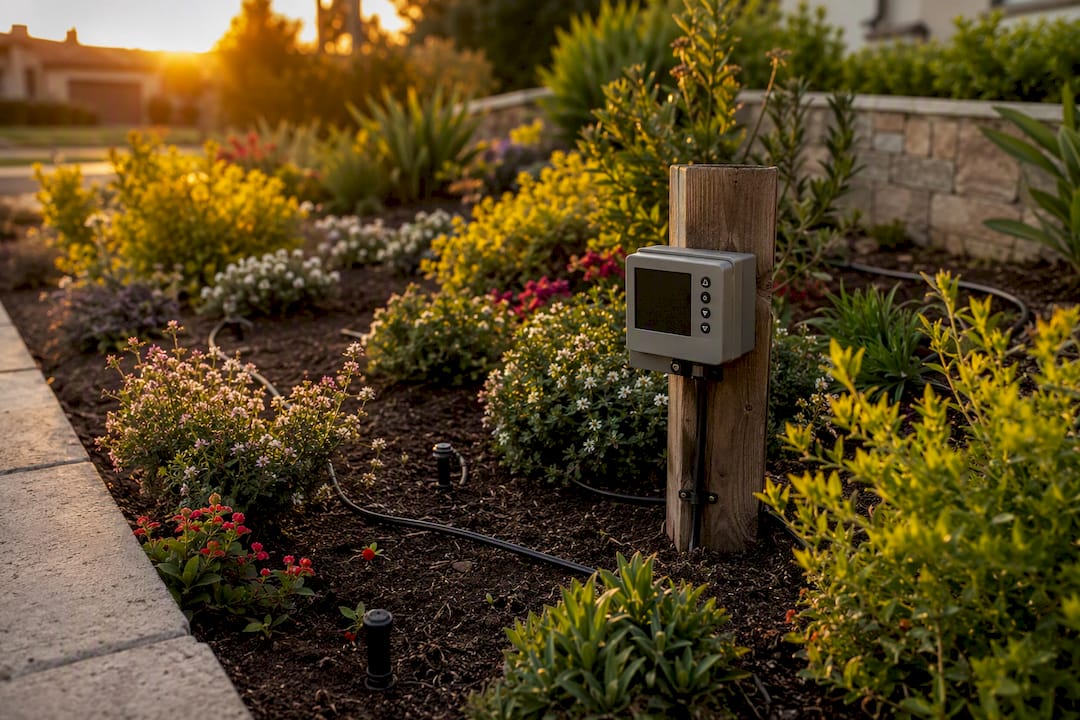
We meticulously map out every utility run, ensuring all lines are properly sleeved for protection and placed at the correct depth according to local building codes. This foresight saves immense headaches and expense down the road. It transforms the question from a simple construction query into a holistic design challenge. Getting the Landscape Lighting SAN Diego wiring right at this stage can make a dramatic difference in the final ambiance of your space.
The Risks of an Improper Installation Are Severe
We've seen the aftermath of projects where the answer to "can you build an outdoor kitchen on top of pavers?" was a confident but uneducated "yes." It's not pretty. The consequences of underestimating the forces at play can be catastrophic and expensive.
- Differential Settling: This is the most common failure. One part of the kitchen sinks more than another, causing the entire structure to tilt. This will crack expensive granite or concrete countertops, guaranteed.
- Paver Heaving and Separation: As the ground freezes and thaws, or as the base settles, the pavers can be pushed up or pull apart, creating dangerous tripping hazards and an unsightly mess.
- Utility Line Damage: A sinking kitchen can shear gas lines, crack water pipes, or sever electrical conduits. This is not just an expensive repair; it's a serious safety hazard. A severed gas line is a genuine emergency.
- Voiding Warranties: Many high-end grill and appliance manufacturers may void their warranties if they determine the unit was damaged due to an improper or unstable installation.
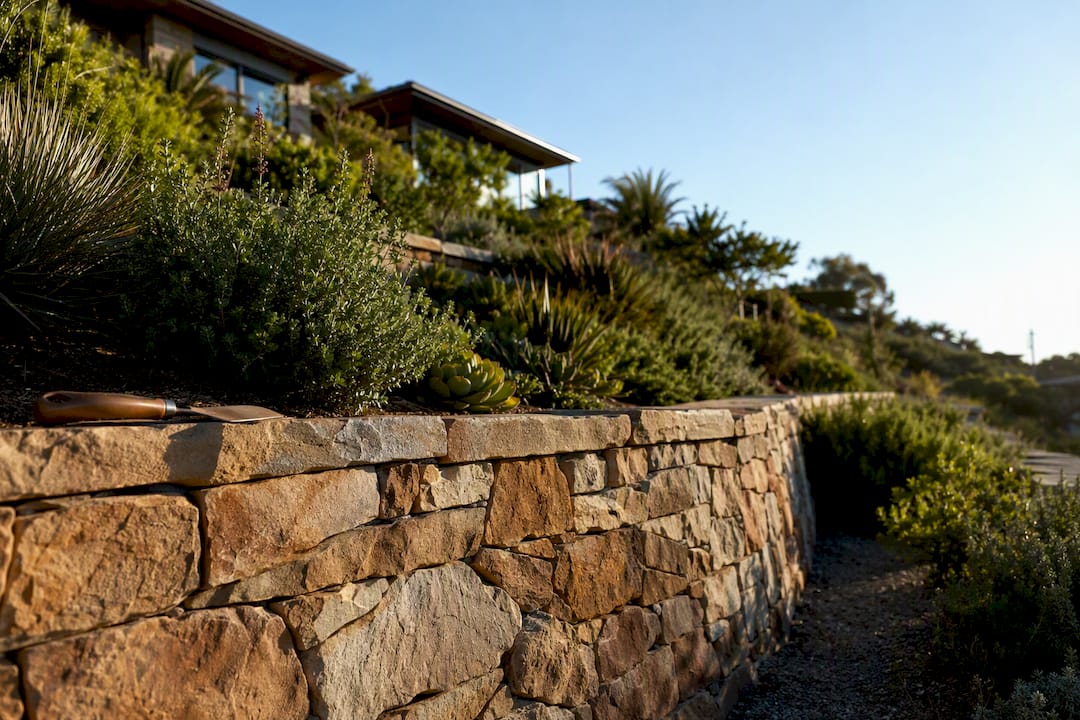
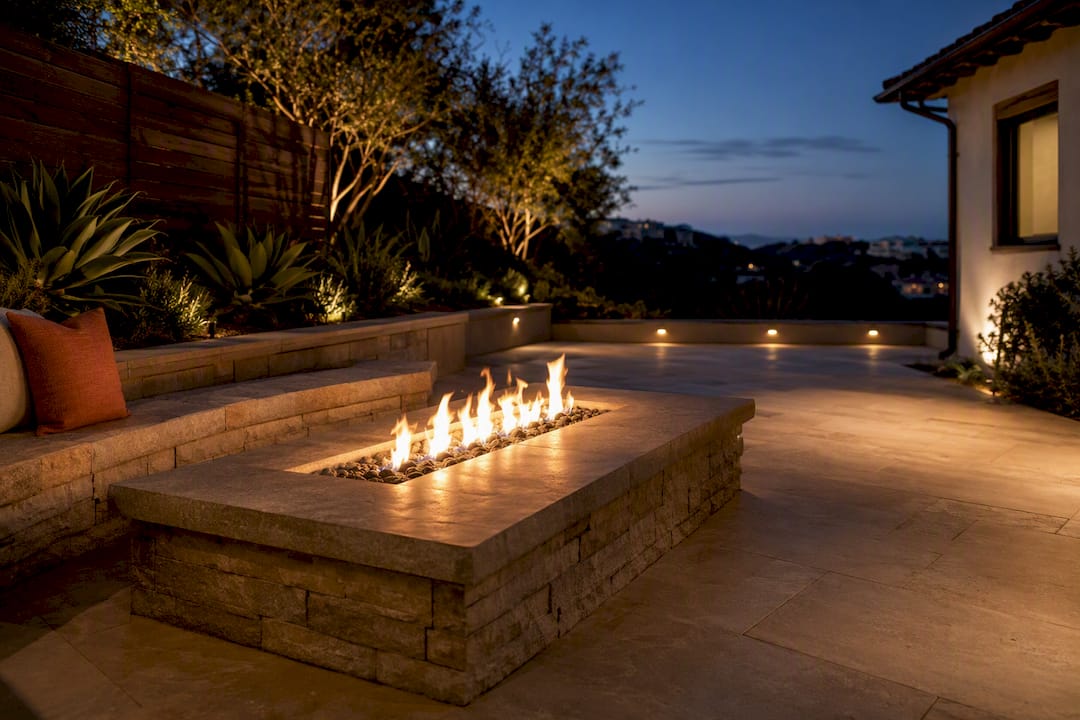
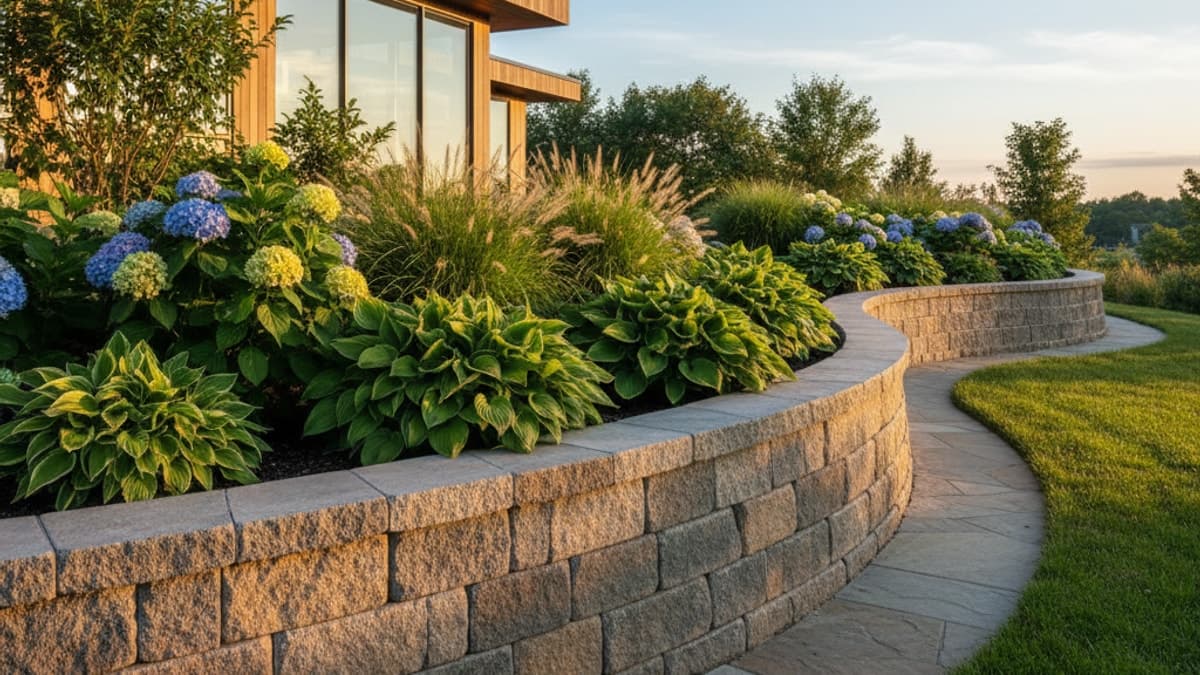
Letās be blunt. Trying to cut corners here is a recipe for disaster. The investment you make in a proper foundation will pay for itself many times over by preventing these costly failures. It ensures that your dream outdoor kitchen, perhaps complemented by beautiful Seat Retaining Walls or a cozy Fire Features, remains a source of joy, not a constant source of stress.
So, as we've explored, the answer to the pivotal question, can you build an outdoor kitchen on top of pavers, is a clear 'yes', but it's conditional. It hinges on an unyielding commitment to proper engineering, base preparation, and professional installation. Itās about understanding that the pavers are just the beautiful surface; the real strength lies in the meticulously prepared layers beneath. When done right, you get a breathtakingly beautiful and structurally sound outdoor living space that will serve your family for generations. Ready to Upgrade Your Backyard? Letās design the outdoor space youāve been dreaming of, starting with a foundation you can trust.