Best Trees for San Diego Yards: 20 Picks for Shade, Privacy, and Pools
The best trees for San Diego yards are drought-tolerant species sized for the space: fruitless olive, Desert Museum palo verde, strawberry tree, and western redbud for patios; Brisbane box and Catalina ironwood for privacy; coast live oak and Torrey pine for large lots. Avoid planting big-rooted trees near pools, paving, and foundations, and keep tall trees out from under power lines.
Key takeaways:
- Pick trees for the job - shade, screening, poolside, or a statement - and for their mature size, not the size in the nursery box.
- Drought-tolerant, Mediterranean-climate trees perform best across most of San Diego once established.
- Keep large, surface-rooted trees well away from pools, patios, and foundations; choose clean, non-invasive-rooted species near hardscape.
- Plant low-growing trees under power lines, and check city rules before planting in the parkway.
- Water new trees deeply for the first two to three years, then taper.
Choosing the best trees for San Diego yards is one of the most lasting decisions in any landscape. A tree in the wrong spot lifts paving, drops litter into the pool, or blocks a view a decade later; the right tree shades the patio, screens the neighbors, and adds value for decades. At Modern Yardz, we place trees as part of complete landscape designs across San Diego County.
Below are 20 trees we trust, grouped by the job they do, plus the rules that keep them from becoming problems.
What makes a tree right for a San Diego yard?
Drought tolerance, mature size that fits the space, a root system that suits nearby hardscape, and tolerance of your coastal or inland microclimate. San Diego's dry summers favor trees from Mediterranean climates and our own native species. The City of San Diego's street tree selection guide makes the same point for public trees: choose species that fit the planting site and avoid damaging nearby improvements.
Best trees for patio shade
Medium-size, high-canopy trees that let breezes through and do not drop heavy litter.
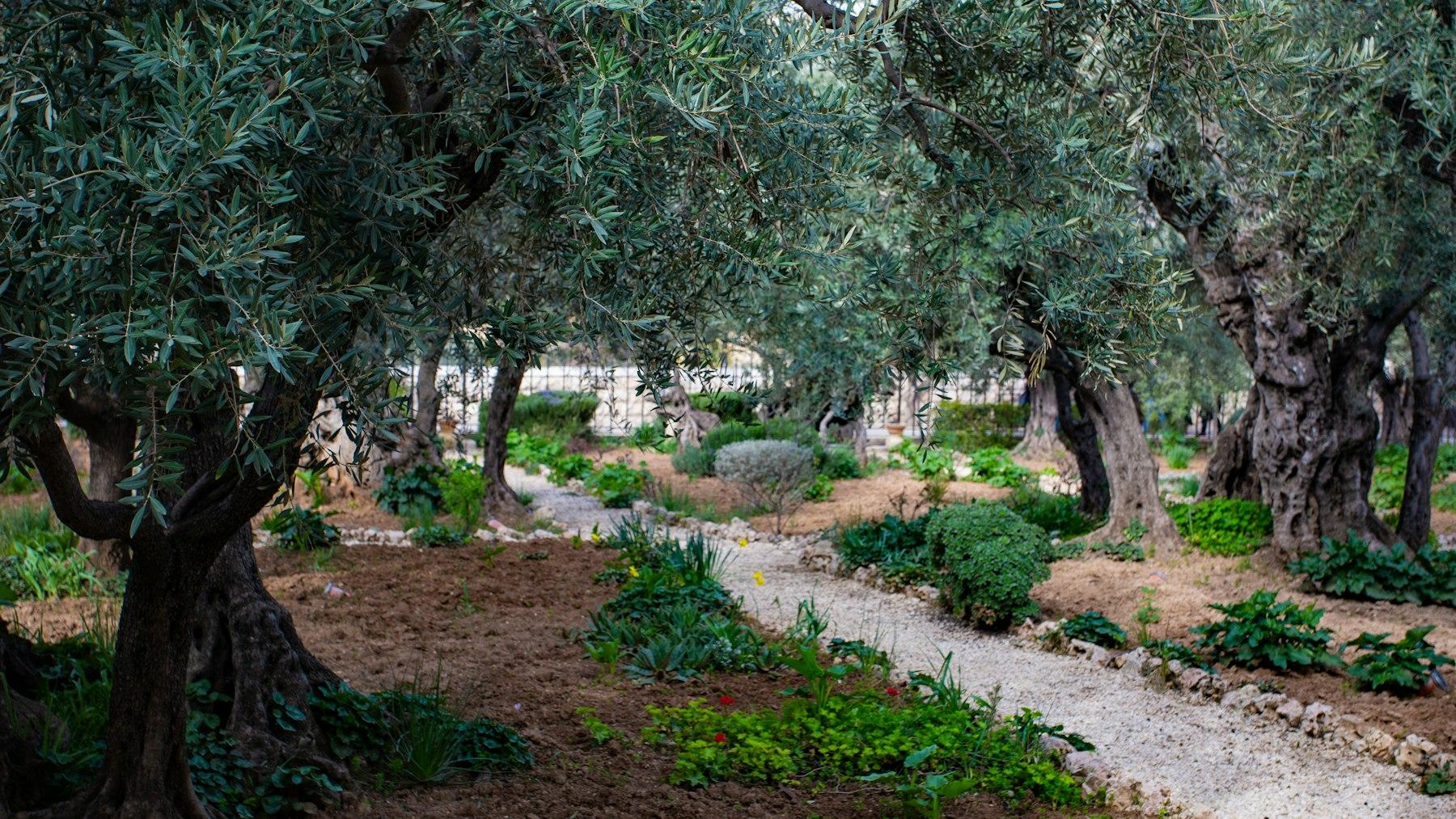
- Fruitless olive (Olea europaea 'Swan Hill' or 'Wilsonii'): Silver-green, sculptural, very drought tolerant, and without messy fruit.
- Desert Museum palo verde (Parkinsonia 'Desert Museum'): Light, filtered shade and yellow spring flowers; best inland.
- Strawberry tree (Arbutus 'Marina'): Red peeling bark and pink flowers; handles coastal conditions.
- Western redbud (Cercis occidentalis): A small native with magenta spring blooms; good for compact yards.
- Chinese pistache (Pistacia chinensis): Deciduous, with brilliant fall color - rare in San Diego - and summer shade.
- Tipu tree (Tipuana tipu): A fast, broad shade tree with yellow flowers for larger patios; give it room.
Best trees for privacy screening
Evergreen trees with dense canopies that can be kept narrow.
- Brisbane box (Lophostemon confertus): Tough, evergreen, and tolerant of pruning into a tall screen.
- Catalina ironwood (Lyonothamnus floribundus): A native evergreen with fern-like leaves; elegant as a screen.
- Toyon (Heteromeles arbutifolia): A native shrub that can be trained as a small multi-trunk tree.
- Italian cypress (Cupressus sempervirens): The narrow, formal column for tight side yards and Mediterranean designs.
- Podocarpus (Afrocarpus gracilior): Soft evergreen foliage that shears well into tall hedges.
Best trees near pools and patios
Clean trees with non-aggressive roots and little leaf or flower drop.
- Multi-trunk olive (fruitless): Sparse litter and a classic poolside look.
- King palm (Archontophoenix cunninghamiana): A graceful, self-cleaning palm with little litter and roots that rarely lift paving; best in frost-free coastal yards.
- Dracaena draco (dragon tree): A slow, sculptural succulent tree for modern pool decks.
- Strawberry tree: Compact and tidy, but plant it back from the water where its small fruit can drop on paving rather than into the pool.
Avoid ficus, eucalyptus, and large pines near pools and paving. Their roots and litter cause the most damage and maintenance.
Best trees for coastal yards
Trees that handle salt, wind, and fog.
- Torrey pine (Pinus torreyana): Native only to the San Diego coast and Santa Rosa Island; a striking specimen for large coastal lots.
- New Zealand Christmas tree (Metrosideros excelsa): Red summer flowers and excellent salt tolerance.
- Monterey cypress (Hesperocyparis macrocarpa): A wind-sculpted coastal evergreen for large lots and windbreaks; give it plenty of room.
Best large statement trees
For big lots with room for a canopy that will outlive the house.
- Coast live oak (Quercus agrifolia): San Diego's signature native oak. Never irrigate close to the trunk in summer, and protect the root zone during construction.
- Jacaranda (Jacaranda mimosifolia): Purple spring flowers that define San Diego streets; plant away from pools and cars because of flower drop.
How far should trees be from a pool, house, or patio?
As a rule of thumb, plant at least as far as the tree's mature canopy radius from foundations and pools, and farther for large trees. Root barriers help near hardscape but do not fix a poor choice. When we design around a pool, we place larger trees on the side opposite the prevailing wind so leaves blow away from the water, and we keep paving and pool shells outside the expected root zone.
Can you plant trees under power lines?
Only low-growing species. SDG&E's "Right Tree, Right Place" guidance warns that tall trees planted near lines must be pruned for clearance and end up misshapen; choose trees that stay well below the wires. Always call 811 before digging to locate buried utilities, which is free.
Do you need a permit to plant a street tree?
In the City of San Diego, yes for the parkway between the sidewalk and the street. Street trees require a no-fee permit from Development Services, and the city's street tree selection guide lists approved species and placement rules. The city's Free Tree SD program can also plant parkway trees at no cost where sites qualify. Trees inside your yard generally do not need a permit, but HOAs may have rules.
How do you water a new tree in San Diego?
Deeply and slowly, at the edge of the root ball and then progressively farther out. For the first two to three years, water a new tree deeply about once a week in summer, less in winter rain. Once established, most drought-tolerant trees need only an occasional deep soak in summer. Drip rings or bubblers on their own irrigation zone work far better than lawn sprinklers, which encourage shallow roots. According to the EPA's WaterSense program, outdoor watering is a major share of household water use in dry climates, so getting tree irrigation right matters.
Do trees affect fire safety?
Yes. In fire hazard zones, keep tree canopies away from the house and remove dead branches. Under the draft Zone 0 rules, limbs must stay clear of roofs, chimneys, and walls. Our guide to Zone 0 landscaping requirements in San Diego explains the distances.
Place the right tree in the right spot
A tree is easier to place on paper than to move later. Modern Yardz designs landscapes with trees sized and positioned for shade, privacy, views, and hardscape, shown in a 3D rendering with a line-item cost. Call 619-775-9554, explore our landscape design services, or see our guide to drought-tolerant plants for San Diego.
Start Your Free Design Consultation
Tell us about your project and we'll be in touch within 24 hours. No pressure, no obligation.
Common questions
- What is the best shade tree for a San Diego backyard?
- Fruitless olive, Desert Museum palo verde, Chinese pistache, and strawberry tree are reliable choices that give shade without heavy water use. For large lots, coast live oak and tipu tree provide broad canopies.
- What trees are good near a pool in San Diego?
- Fruitless olives, king palms, dragon trees, and other clean species with non-aggressive roots work best. Avoid ficus, eucalyptus, and large pines near pools because of root damage and litter.
- What is the fastest-growing privacy tree in San Diego?
- Brisbane box and podocarpus grow relatively quickly and can be pruned into tall evergreen screens. Italian cypress is the best choice for very narrow side yards.
- Do I need a permit to plant a tree in San Diego?
- Trees in the parkway between the sidewalk and street need a no-fee permit from the City of San Diego and should come from the street tree selection guide. Trees in your own yard generally do not need a permit, but HOA rules may apply.
- When is the best time to plant trees in San Diego?
- Fall, from October through December, is best because winter rain helps roots establish before summer. Water new trees deeply about once a week in their first summers.
Ready to design your dream yard?
Tell us about your project. We'll send back a real plan, not a templated quote.
Book My Free Consultation→