Xeriscape: The 7 Principles of Water-Wise Landscaping (With Ideas)
Xeriscape is landscaping designed to need little or no supplemental water. Denver Water coined the term in 1981 from the Greek word xeros, meaning dry. A good xeriscape is not just rocks and cactus: it follows seven principles - planning, limited turf, soil improvement, efficient irrigation, low-water plants grouped by need, mulch, and proper maintenance - and in Southern California it can qualify for rebates.
Key takeaways:
- Xeriscape means water-efficient landscaping, not a gravel yard. Denver Water coined the term in 1981.
- It follows seven principles: plan, limit turf, improve soil, irrigate efficiently, group low-water plants, mulch, and maintain.
- In Southern California, Mediterranean and native plants make lush xeriscapes possible.
- Replacing lawn with living, water-wise landscape can qualify for SoCal WaterSmart rebates; artificial turf does not.
- Outdoor water is a big share of household use; EPA WaterSense notes the average household uses more water outdoors than for showering and washing clothes combined.
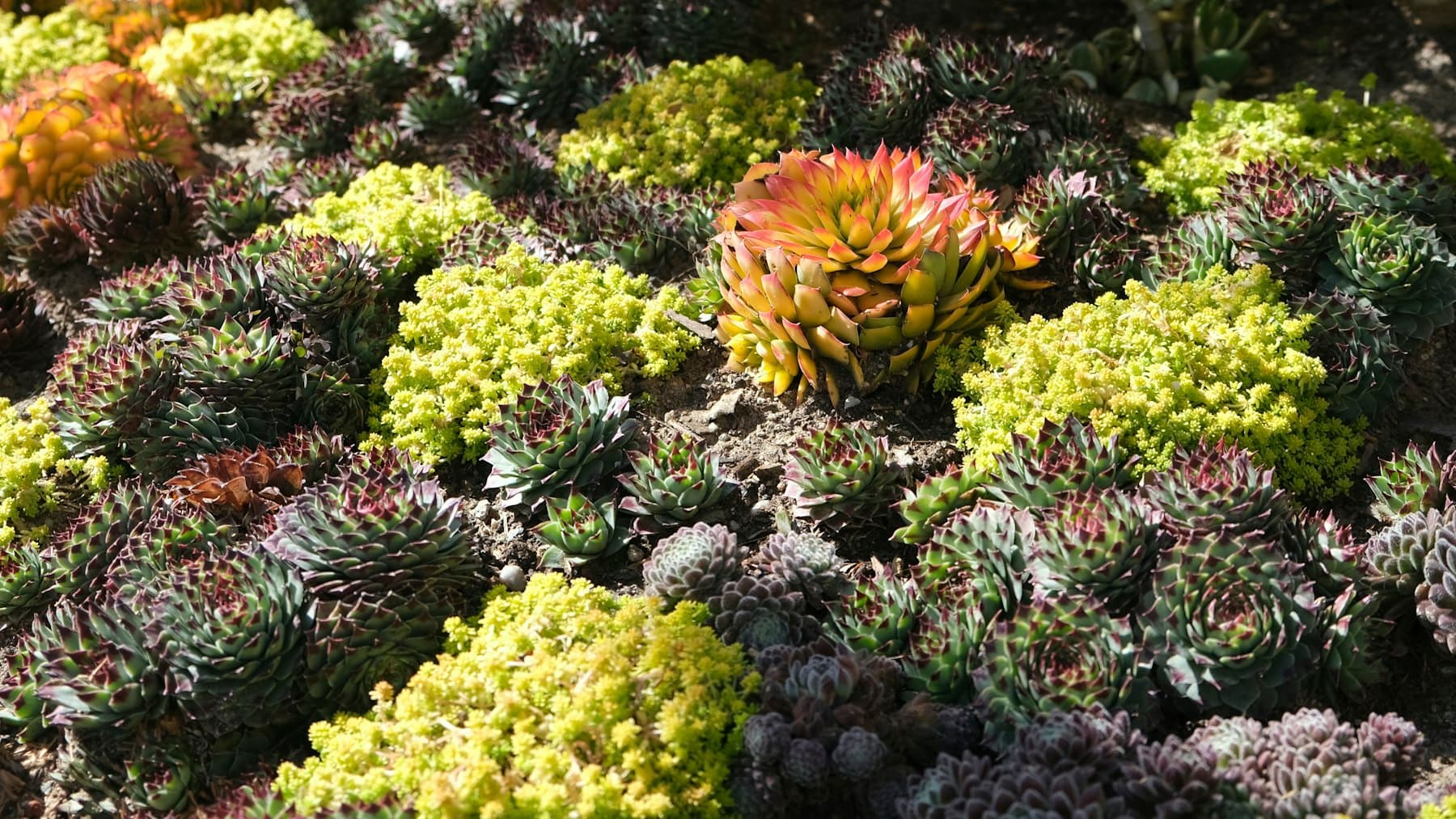
Xeriscape is one of the most searched landscaping terms in dry climates, and one of the most misunderstood. Many people picture rock and a few cactus. A well-designed xeriscape is green, layered, and full of flowers, while using a fraction of the water of a lawn. At Modern Yardz, we design and build water-wise landscapes across San Diego County.
What is xeriscape?
Xeriscape is landscaping designed to minimize the need for supplemental irrigation. According to Denver Water, the utility coined the term "xeriscape" in 1981 by combining "landscape" with the Greek word "xeros," meaning dry. It is often misspelled "zeroscape," which wrongly suggests zero plants.
Why xeriscape in Southern California?
Water is expensive and scarce, and outdoor use is a large share of it. According to the EPA WaterSense program, the average U.S. household uses more water outdoors than for showering and washing clothes combined. San Diego's dry summers and mild winters suit xeriscape perfectly: most rain falls in winter, and Mediterranean and native plants are adapted to long dry seasons.
What are the 7 principles of xeriscape?
Seven principles apply anywhere, as listed by Colorado WaterWise.
- Plan and design for water conservation and beauty from the start.
- Limit turf to areas where it is actually used.
- Improve the soil with amendments where needed so roots establish and water soaks in.
- Irrigate efficiently with drip, low-flow emitters, and a smart controller.
- Choose low-water plants and group them by water needs (hydrozoning).
- Mulch to reduce evaporation, keep soil cool, and suppress weeds.
- Maintain the landscape: adjust irrigation, prune, and replenish mulch.
What plants work in a San Diego xeriscape?
Mediterranean, South African, Australian, and California native plants.
| Type | Examples |
|---|---|
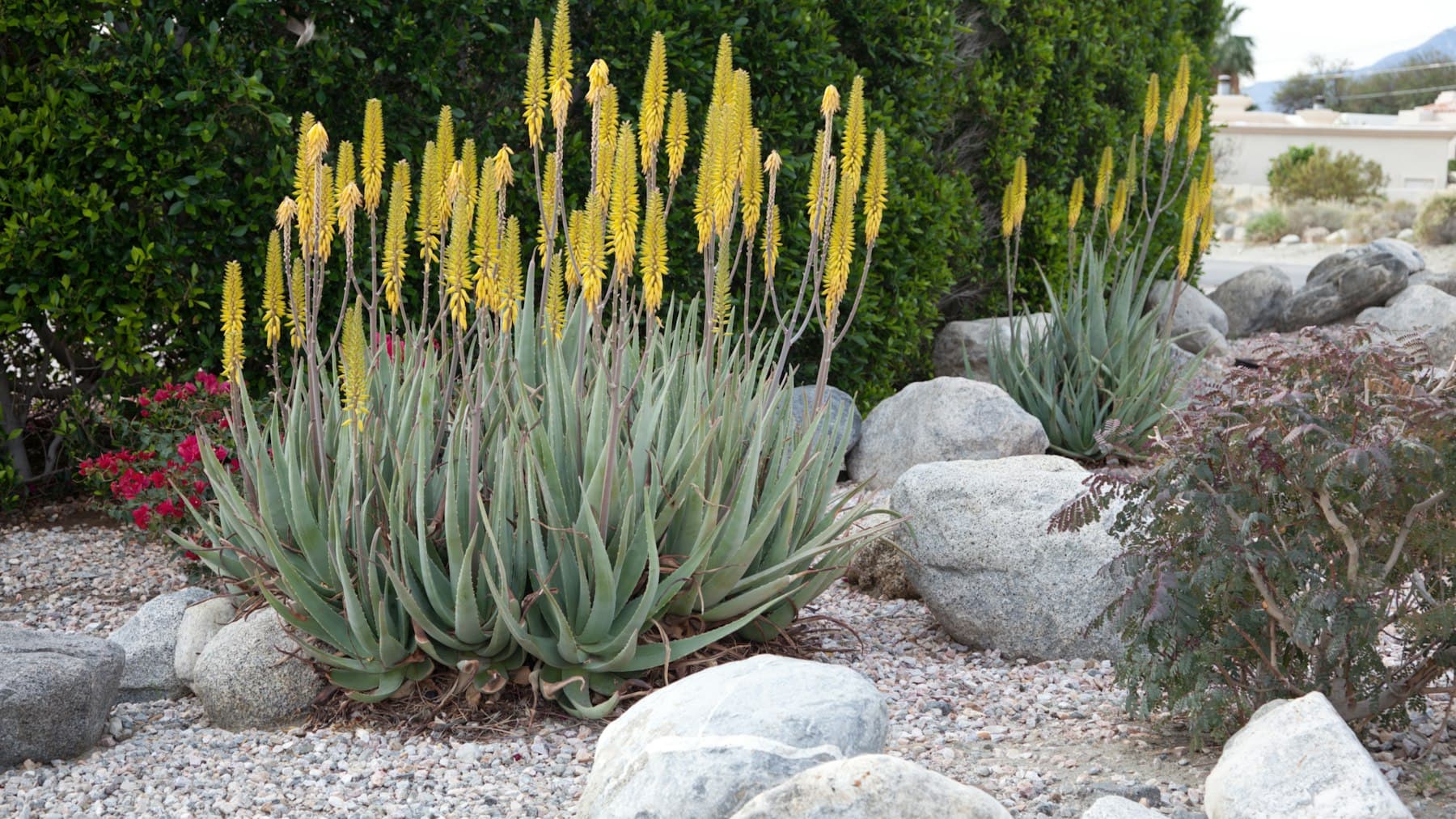
| Succulents | Agave, aloe, dudleya, senecio |
| Shrubs | Manzanita, ceanothus, rosemary, westringia, lemonade berry |
| Perennials | Salvia, lavender, penstemon, California fuchsia, kangaroo paw |
| Grasses and grass-like | Lomandra, deer grass, blue fescue |
| Groundcovers | Myoporum, dymondia, creeping thyme |
| Trees | Olive, palo verde, Western redbud, desert willow |
Avoid invasive "water-wise" grasses such as Mexican feather grass and fountain grass. See our full lists of drought-tolerant plants and California native plants, and check your planting zone.
How do you make a xeriscape look lush, not barren?
- Plant densely in drifts so plants knit together and cover the ground.
- Layer heights from groundcover to shrubs to small trees.
- Contrast forms and textures: spiky agaves against soft grasses and round shrubs.
- Use boulders and dry creek beds that also manage storm runoff.
- Add hardscape structure: clean paths, seat walls, and a patio give the planting a frame.
- Light it at night to highlight sculptural plants.
What materials work in a xeriscape?
Permeable surfaces that let rain soak in: decomposed granite, gravel, flagstone set in gravel, and mulch. Use edging to keep materials in place, and keep gravel away from the base of the house in fire-prone areas. In high fire hazard zones, follow Zone 0 guidance near the home; see our Zone 0 landscaping requirements.
Can xeriscaping qualify for rebates?
Yes, when it replaces lawn with living, water-wise landscape. SoCal WaterSmart offers a turf replacement rebate, and some local agencies add more. Artificial turf does not qualify. Our San Diego turf rebate guide explains requirements, including pre-approval before you remove the lawn.
How much does xeriscaping cost?
It depends on the area, plants, hardscape, and irrigation. At Modern Yardz, focused landscape upgrades such as planting, turf, and lighting start around $25,000, and our average landscape project runs $50,000 to $150,000. Rebates can offset part of a lawn conversion, and lower water bills continue to pay back over time. Our landscape design cost guide explains budgets.
Design your xeriscape
A water-wise yard should look intentional and inviting. Modern Yardz designs and builds xeriscapes shown in a 3D rendering with a line-item cost before work begins. Call 619-775-9554, see our front yard landscaping ideas, or book a free design consultation.
Start Your Free Design Consultation
Tell us about your project and we'll be in touch within 24 hours. No pressure, no obligation.
Common questions
- What does xeriscape mean?
- Xeriscape means landscaping designed to need little or no supplemental water. Denver Water coined the term in 1981, combining landscape with the Greek word xeros, meaning dry.
- Is xeriscape the same as zeroscape?
- No. Zeroscape is a common misspelling that suggests no plants. A true xeriscape is a planted, often lush landscape that uses water efficiently.
- What are the seven principles of xeriscape?
- Plan and design, limit turf, improve the soil, irrigate efficiently, choose low-water plants grouped by water needs, mulch, and maintain the landscape properly.
- Does xeriscaping qualify for a rebate in San Diego?
- Replacing lawn with living, water-wise landscape can qualify for SoCal WaterSmart turf replacement rebates, and some local agencies add more. Artificial turf does not qualify, and pre-approval is required.
- What are the best xeriscape plants for San Diego?
- Agaves, aloes, dudleya, manzanita, ceanothus, salvias, lavender, rosemary, lomandra, and olive trees all thrive in San Diego with little water once established.
Ready to design your dream yard?
Tell us about your project. We'll send back a real plan, not a templated quote.
Book My Free Consultation→