Best Grass for San Diego Lawns: Warm-Season vs Cool-Season
For most San Diego lawns, a warm-season grass - hybrid Bermuda, St. Augustine, zoysia, or UC Verde buffalograss - is the best choice, because UC research shows warm-season grasses need about 20 percent less water than cool-season tall fescue during the growing season. Choose St. Augustine or zoysia for partial shade, and consider Kurapia or artificial turf where you want green with far less water.
Key takeaways:
- Warm-season grasses (Bermuda, St. Augustine, zoysia, buffalograss, Kikuyu) suit San Diego's long, dry summers and use less water than cool-season grasses.
- UC research puts the difference at about 20 percent less water during the growing season.
- Tall fescue stays greener in winter and handles cool coastal shade, but it is thirsty in summer, especially inland.
- Most warm-season grasses go partly dormant and brown in winter; that is the main trade-off.
- For the lowest water use, consider Kurapia, a native-plant groundcover, or artificial turf in high-traffic play areas.
Choosing the best grass for San Diego starts with an honest question: do you need a lawn, and if so, how much of one? For play areas, pets, and that classic green look, grass still has a place, but the type you choose makes a big difference to your water bill and how the lawn looks in August. At Modern Yardz, we design lawns, lawn alternatives, and artificial turf across San Diego County, and the right answer changes from the coast to inland valleys.
This guide compares the main grass types for San Diego by water use, sun, traffic, and season, then covers the alternatives.
What is the best grass for San Diego?
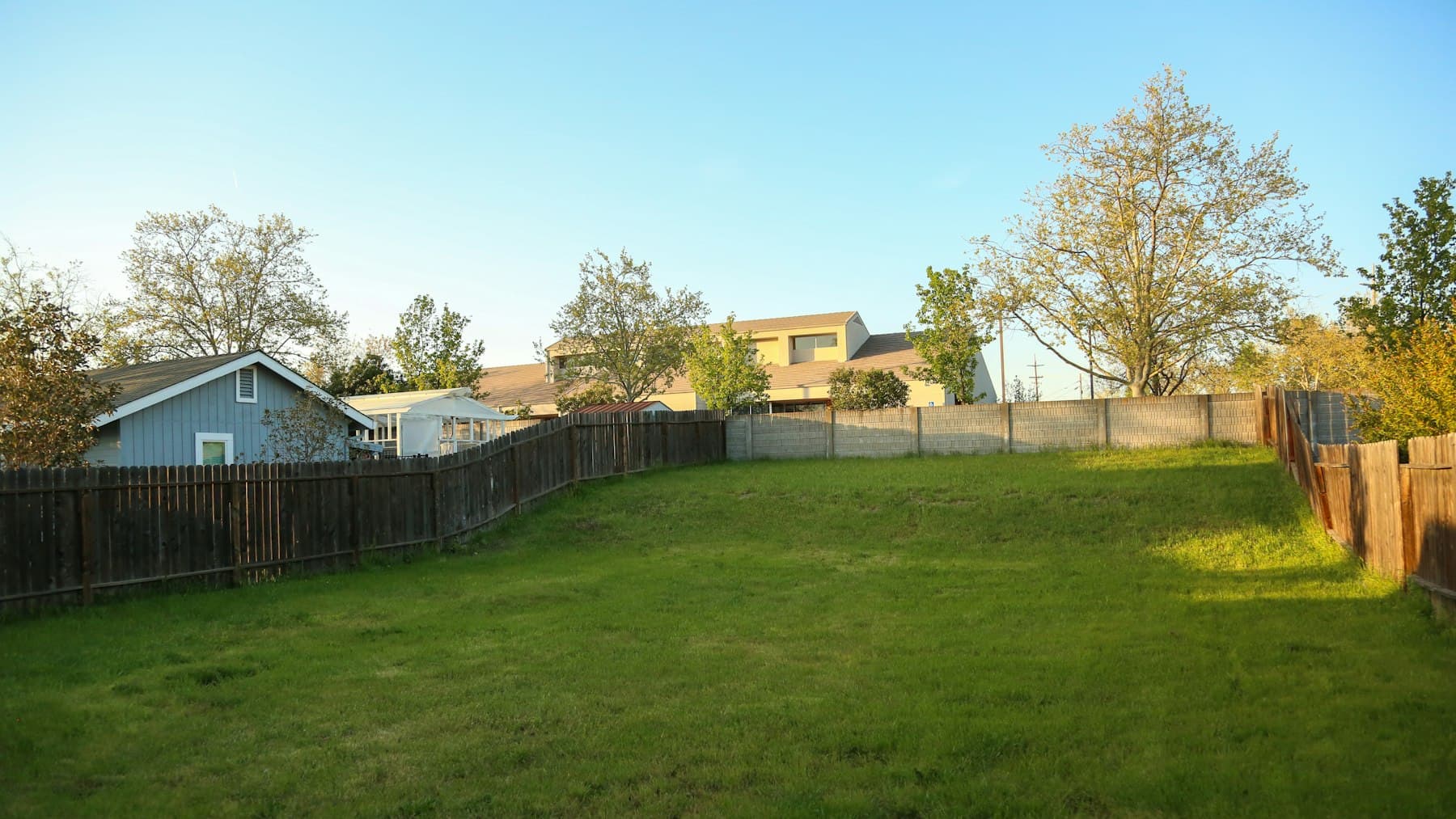
For most San Diego yards, a warm-season grass is the best fit. Hybrid Bermuda and zoysia for full sun and heavy use, St. Augustine for coastal yards with some shade, and UC Verde buffalograss for the lowest water use. Warm-season grasses grow actively in our long, hot season and handle drought far better than cool-season grasses.
The water difference is real. The University of California's Center for Landscape and Urban Horticulture reports that warm-season turfgrasses such as bermudagrass, zoysiagrass, and St. Augustinegrass need roughly 20 percent less water than cool-season grasses such as tall fescue during the growing season. Over a San Diego summer, that adds up quickly.
Warm-season vs cool-season grass: what is the difference?
Warm-season grasses grow best in heat and go dormant in winter; cool-season grasses stay green in winter but struggle and drink more in summer heat.
| Grass | Type | Sun | Water use | Winter color | Best for |
|---|---|---|---|---|---|
| Hybrid Bermuda | Warm | Full sun | Low | Browns in winter | Play areas, high traffic, inland heat |
| St. Augustine | Warm | Sun to partial shade | Moderate | Stays greener than Bermuda | Coastal yards, some shade |
| Zoysia | Warm | Sun to light shade | Low to moderate | Browns in winter | Dense, soft, low-mow lawns |
| UC Verde buffalograss | Warm | Full sun | Very low | Browns in winter | Low-water, low-traffic lawns |
| Kikuyu | Warm | Full sun | Low | Fairly green | Very tough, but invasive and spreads hard |
| Tall fescue | Cool | Sun to shade | High in summer | Green year-round | Coastal shade, winter color |
Many existing San Diego lawns are tall fescue because it looks green year-round when well watered. If your water bill is high, converting a sunny fescue lawn to a warm-season grass or a lawn alternative is one of the most effective changes you can make.
Which grass is best for the San Diego coast vs inland?
Coastal yards have cooler summers and more shade from fog; inland yards bake.
- Coast (La Jolla, Point Loma, Coronado, Del Mar): St. Augustine handles cool, cloudy summers and partial shade well. Tall fescue can work in shady coastal yards but still needs regular summer water.
- Inland (Escondido, Poway, Santee, Rancho Bernardo): Hybrid Bermuda and zoysia thrive in heat and recover from drought. Buffalograss is the lowest-water option for sunny lawns that do not get much foot traffic.
Our guide to the San Diego planting zone explains how distance from the ocean changes what grows well.
Which grass is best for shade?
St. Augustine is the best warm-season grass for partial shade, followed by some zoysias. Bermuda performs poorly without full sun. In deep shade, no lawn grass thrives; a shade-tolerant groundcover, gravel garden, or patio usually works better than fighting for grass.
Which grass is best for dogs and heavy foot traffic?
Hybrid Bermuda recovers fastest from wear and is the toughest choice for active families and dogs. It spreads by runners and repairs bare spots on its own. Zoysia is also durable but slower to recover. Dog urine burns all grasses; flushing spots with water helps.
If you have dogs that wear out every lawn, artificial turf designed for dogs with antimicrobial backing and odor-controlling infill is often the more practical answer.
How much should you water a San Diego lawn?
Water deeply and infrequently, early in the morning, and adjust by season. Warm-season grasses typically need watering two to three days a week in summer and very little in winter while dormant; tall fescue needs more frequent summer watering. A UC Riverside-linked guide from PBS SoCal notes that UC Riverside has bred drought-tolerant turfgrasses for Southern California since the 1950s and recommends warm-season grasses for local lawns.
Practical rules:
- Check local watering restrictions; your water agency may limit watering days.
- Use a smart, weather-based controller and fix overspray onto hardscape.
- Mow warm-season grasses a little higher in summer heat to shade the soil.
- Aerate compacted soil so water soaks in rather than running off.
What are the low-water alternatives to grass?
If you mostly look at your lawn rather than use it, an alternative will save water and maintenance.
- Kurapia: A low, flowering groundcover that tolerates light foot traffic and uses less water than turfgrass.
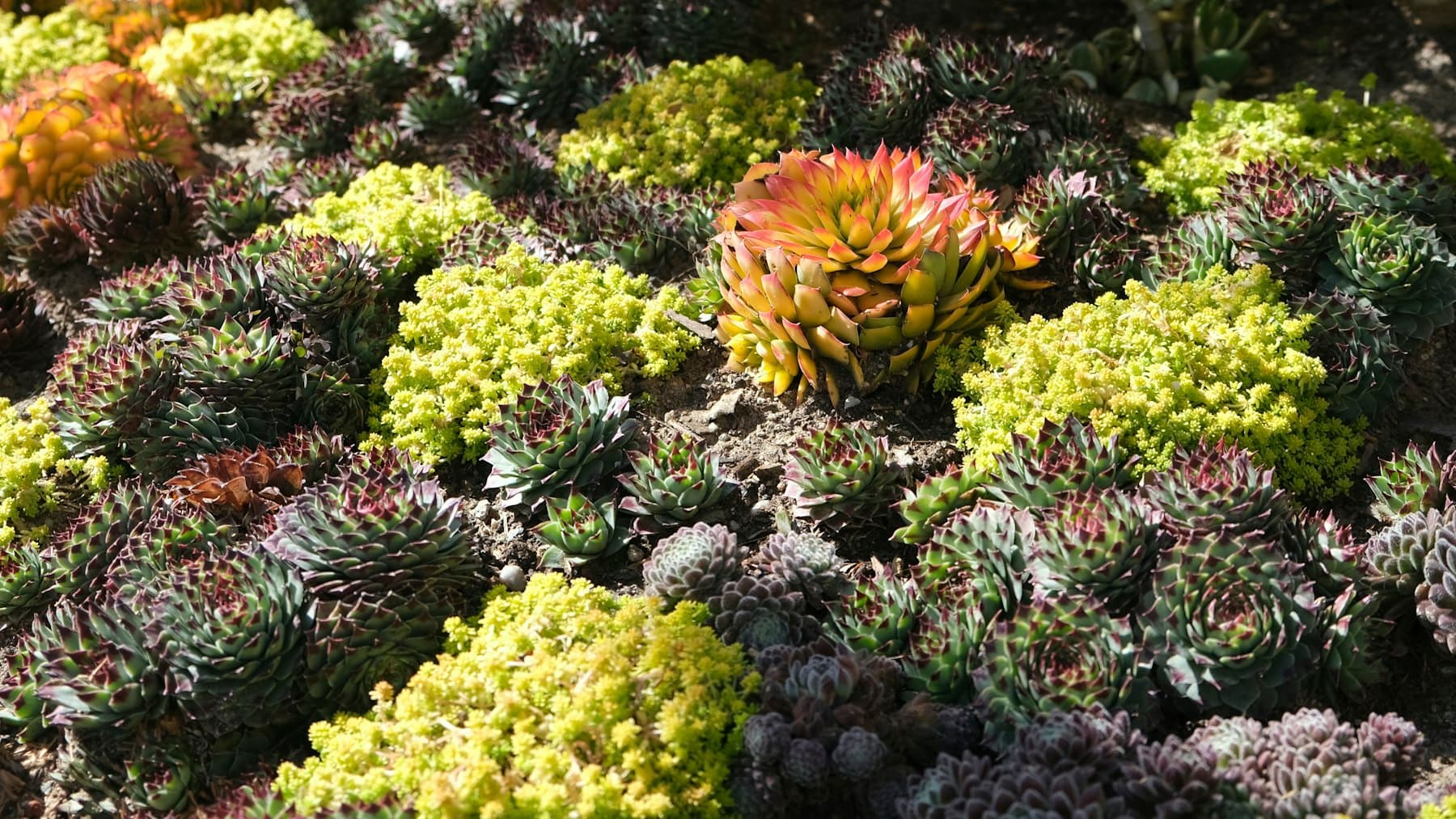
- Native and drought-tolerant plantings: A planted garden instead of lawn in areas you do not walk on. See our list of drought-tolerant plants for San Diego.
- Decomposed granite and pavers: Clean, walkable surfaces for side yards and seating areas.
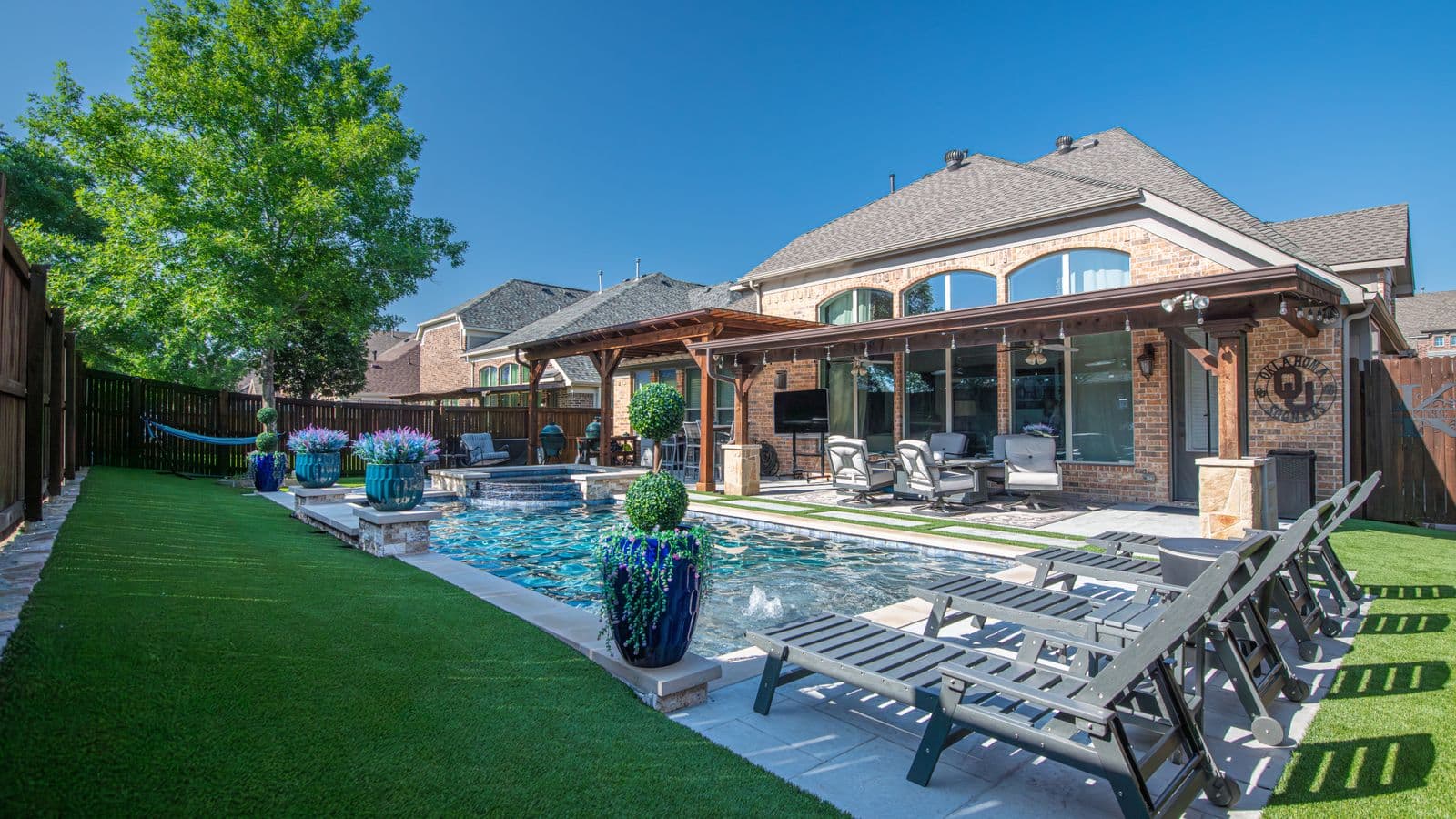
- Artificial turf: No irrigation, no mowing, and green year-round. Our artificial turf installations use lead-free products over a draining base.
Removing a lawn can qualify for rebates, but approval usually has to come before you start. Read our guide to the San Diego turf rebate first.
Get the right lawn for your yard
The best grass for your yard depends on sun, use, and how much water you want to spend. Modern Yardz designs lawns, lawn alternatives, and turf areas as part of the whole landscape, shown in a 3D rendering with a line-item cost. Call 619-775-9554 or explore our landscape design services.
Start Your Free Design Consultation
Tell us about your project and we'll be in touch within 24 hours. No pressure, no obligation.
Common questions
- What is the most drought-tolerant grass for San Diego?
- UC Verde buffalograss and hybrid Bermuda are among the most drought-tolerant lawn grasses for San Diego. Both are warm-season grasses that need much less water than tall fescue and recover from dry periods, though both go brown in winter.
- Does grass stay green year-round in San Diego?
- Tall fescue can stay green year-round with regular watering. Warm-season grasses such as Bermuda and zoysia usually go partly dormant and brown in winter, while St. Augustine tends to stay greener than Bermuda near the coast.
- What grass grows in shade in San Diego?
- St. Augustine is the best warm-season choice for partial shade, and tall fescue tolerates shade in cooler coastal yards. In deep shade, a groundcover or patio usually works better than any lawn grass.
- When should you plant grass in San Diego?
- Plant warm-season grasses such as Bermuda, zoysia, and St. Augustine in late spring and early summer when soil is warm. Plant tall fescue in fall, when cooler weather helps it establish.
- Is artificial turf better than grass in San Diego?
- It depends on how you use the lawn. Artificial turf needs no irrigation or mowing and stays green, which suits play areas and dogs, while real grass stays cooler underfoot and supports soil life. Many homeowners combine a small turf area with drought-tolerant planting.
Ready to design your dream yard?
Tell us about your project. We'll send back a real plan, not a templated quote.
Book My Free Consultation→