Fiberglass Pool Cost: Prices, Pros and Cons, and When It Fits
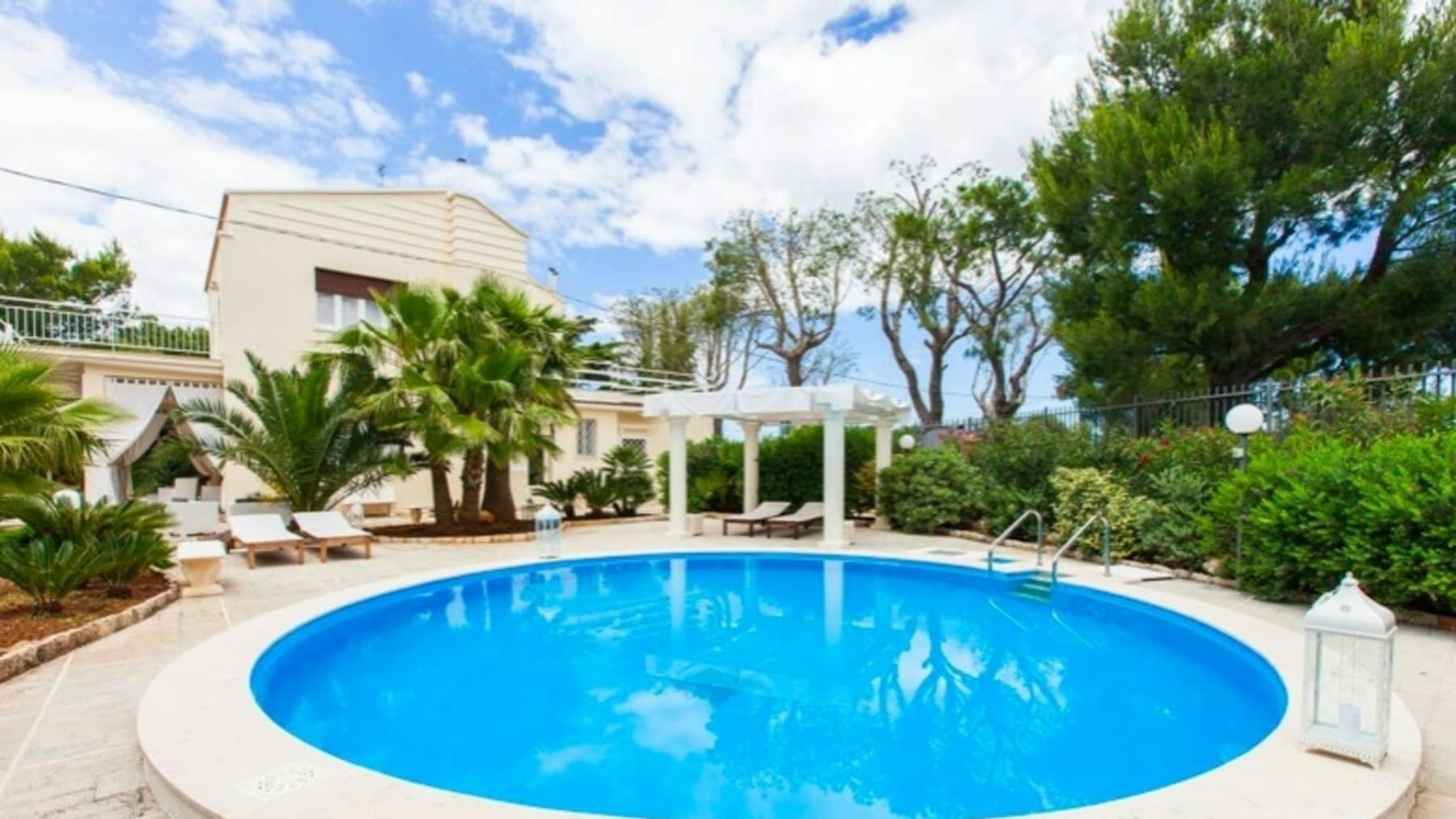
HomeGuide puts the typical installed cost of a fiberglass pool at $45,000 to $100,000. Fiberglass installs faster and needs less maintenance than concrete, but you are limited to the manufacturer's shapes and sizes, and hillside or tight-access San Diego lots can add crane and engineering costs. For custom shapes, infinity edges, or integrated spas, concrete is usually the better fit.
Key takeaways:
- HomeGuide's national range for an installed fiberglass pool is $45,000 to $100,000.
- The shell is only part of the cost; excavation, plumbing, equipment, decking, fencing, and landscaping add the rest.
- Fiberglass installs quickly and has a smooth, low-maintenance surface, but shapes and sizes are set by the manufacturer.
- Shells arrive by truck and are usually set by crane, so access and slope matter, especially on San Diego hillsides.
- Choose concrete when you want a custom shape, a vanishing edge, a raised or integrated spa, or a pool fitted tightly to the site.
Fiberglass pool cost is often lower and more predictable than a custom concrete pool, which is why many homeowners start there. But the shell price you see online is only one piece of the project, and fiberglass is not the right fit for every yard. At Modern Yardz, we design custom pools and complete backyards across San Diego County, and we help homeowners compare the options honestly.
This guide covers installed cost, what is included, lifetime cost compared with concrete, and when fiberglass makes sense.
How much does a fiberglass pool cost?
The average installed cost is $45,000 to $100,000, according to HomeGuide's fiberglass pool cost guide. The spread comes from shell size and model, site work, equipment, and how much decking and landscaping is included.
| Cost component | What it covers |
|---|---|
| Shell | The factory-made pool body; price rises with size and features such as built-in benches or tanning ledges |
| Delivery and crane | Trucking the shell and lifting it into the yard |
| Excavation and base | Digging, haul-off, and a level gravel or sand base |
| Plumbing and equipment | Pump, filter, sanitation, heater, lights, and automation |
| Backfill and coping | Stabilizing the shell and finishing the edge |
| Decking | Concrete, pavers, or stone around the pool |
| Safety features | Required barriers, alarms, or covers |
| Permits and engineering | Plan check, inspections, and any site engineering |
| Landscaping and lighting | Planting, irrigation, and lighting around the pool |
When comparing quotes, ask exactly which of these are included. A low "installed" price often stops at the shell, plumbing, and basic coping.
What are the pros of a fiberglass pool?
Speed, smoothness, and lower routine maintenance.
- Faster installation: Once permitted and excavated, a shell can be set and plumbed quickly compared with forming and curing a concrete pool.
- Smooth, non-porous surface: Gentler on feet and harder for algae to grip, which can reduce chemical use and brushing.
- No interior resurfacing in the way plaster requires: Concrete pools need periodic replastering; see our guide to pool resurfacing.
- Consistent quality: The shell is built in a controlled factory environment.
What are the cons of a fiberglass pool?
Design limits and site constraints.
- Set shapes and sizes: You choose from the manufacturer's molds. Shells are also limited in width because they travel by road.
- Limited custom features: True vanishing edges, complex integrated spas, and site-specific shapes are difficult or impossible.
- Access: The shell must be lifted into the yard, usually by crane. Tight side yards, power lines, and steep lots complicate this.
- Repairs and refinishing: The gelcoat surface can be repaired, but color matching and refinishing require specialists.
Fiberglass vs concrete pool: which costs less over time?
Fiberglass usually costs less to maintain, while concrete offers more design value. A concrete pool's interior finish needs resurfacing over its life, and its porous surface can need more chemicals and brushing. Fiberglass avoids most of that, but cannot match concrete's flexibility.
| Fiberglass | Concrete / gunite | |
|---|---|---|
| Upfront cost | Moderate; set by shell and site | Higher for custom designs |
| Shapes and sizes | Manufacturer's molds | Any shape, depth, and edge |
| Installation time | Faster after permits | Longer: forming, shooting, curing, finishing |
| Surface | Smooth gelcoat | Plaster, quartz, pebble, or tile |
| Interior refinishing | Rarely needed | Periodic resurfacing |
| Best for | Standard shapes, easy access, faster timelines | Custom designs, slopes, infinity edges, integrated spas |
Our inground pool cost guide compares concrete, fiberglass, and vinyl in more detail, and our types of pools guide covers styles such as plunge pools, lap pools, and spools.
Is fiberglass a good choice in San Diego?
It can be, on the right lot. Fiberglass suits flat yards with crane access and homeowners who like an available model. It is harder on hillside lots, where pools often need retaining walls and engineering, and in tight coastal lots with limited access. San Diego's expansive clay soils also require careful base preparation and drainage, whatever the pool type.
Ownership costs apply to either type. According to ENERGY STAR, a pool pump can cost as much as $310 a year to run, and certified variable-speed pumps cut that significantly, so efficient equipment is worth specifying either way.
What about permits and safety features?
Fiberglass pools need the same permits and safety features as any pool. In the City of San Diego, that means a building permit with stamped plans and inspections, plus at least two of California's required drowning-prevention features. Our pool permit guide walks through the process.
Compare fiberglass and custom concrete for your yard
The right pool depends on your lot, your design goals, and how you will use it. Modern Yardz designs custom pools as part of complete backyards, shown in a 3D rendering with a line-item cost so you can compare options before deciding. Call 619-775-9554 or book a free design consultation.
Start Your Free Design Consultation
Tell us about your project and we'll be in touch within 24 hours. No pressure, no obligation.
Common questions
- How much does a fiberglass pool cost installed?
- HomeGuide estimates $45,000 to $100,000 installed on average. The total depends on shell size, site work, equipment, decking, and landscaping, so compare itemized quotes rather than shell prices.
- Is fiberglass cheaper than a concrete pool?
- Often upfront for standard shapes, and usually over time because fiberglass rarely needs interior resurfacing. Custom concrete costs more but allows any shape, depth, vanishing edge, or integrated spa.
- How long do fiberglass pools last?
- A well-installed fiberglass shell can last for decades, with the gelcoat surface the main wear item. Proper base preparation, backfill, and water chemistry are key to longevity.
- Can you install a fiberglass pool on a sloped yard?
- Sometimes, but slopes usually require retaining walls, engineering, and crane access, which add cost. On steep lots, a custom concrete pool often fits the site better.
- What are the disadvantages of a fiberglass pool?
- Limited shapes and sizes set by the manufacturer, width limits from road transport, difficulty adding custom features like vanishing edges, and the need for crane access during installation.
Ready to design your dream yard?
Tell us about your project. We'll send back a real plan, not a templated quote.
Book My Free Consultation→